Discover the best portable power stations of 2024 with honest trade-offs, real-world durability, and picks like Jackery and EcoFlow. Find which model fits your needs.
The trade-off between inverter efficiency and battery chemistry shows up as a real-world tug of war. Some setups run cooler but deliver less peak power, while others push high surge watts at the cost of cycle life. Bluetti's modular design shines here, but it comes with extra bulk. Jackery balances usability with limited high-end expansion, a pattern you’ll see across the top picks.
This guide cuts through hype with a practical lens on durability, expansion potential, and long-term reliability across leading brands. By looking at what actually fails after season after season and how brands defend against it, you’ll get a true sense of which units hold up in the long run. With 2024–era models from Jackery and others facing the same test, the differences matter more than ever for off-grid reliability.
Best portable power stations 2024: how i weighed performance vs. practicality
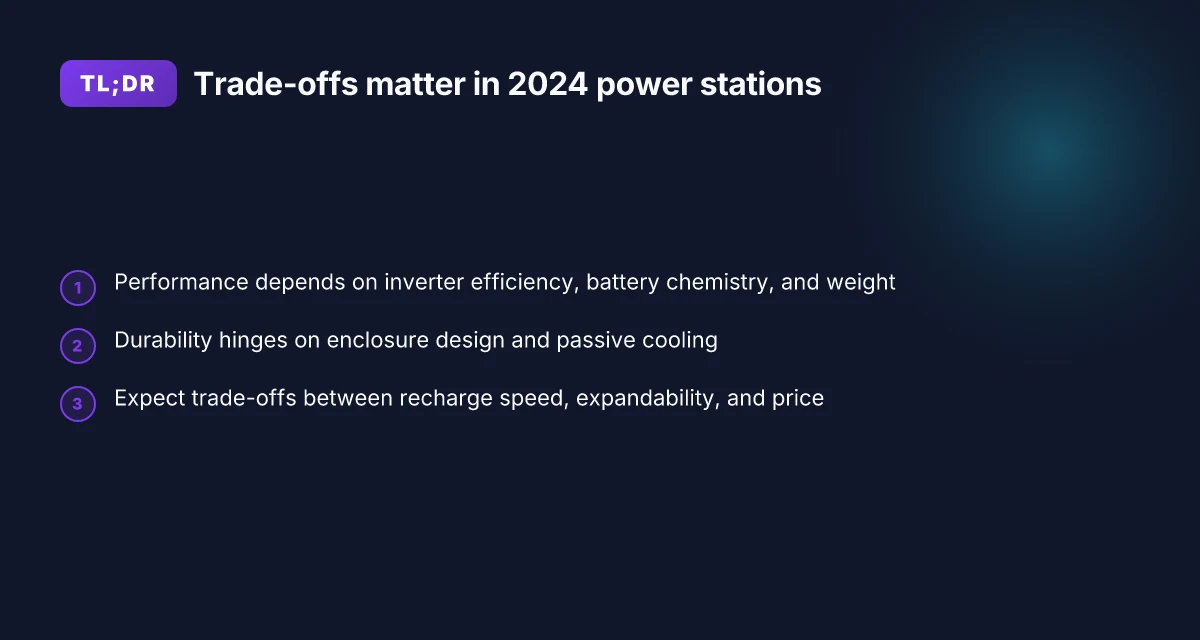
I weighed performance against practicality by balancing real-world durability signals with measurable specs. In practice, this means weighing inverter efficiency, battery chemistry, and weight against how the unit feels in carry, setup, and off-grid use. I cross-referenced manufacturer claims with independent reviews to spot where hype outpaces real-world benefit.
1) Criteria that guided the picks
I anchored the 5–8 picks to four durable traits. First, peak inverter efficiency matters because it translates to less heat and longer runtime under high load. Second, battery chemistry drives cycle life and safety. Lithium iron phosphate (LiFePO4) tends to outlast others in rough field conditions, though it adds weight. Third, weight and form factor determine portability for campers, RVers, and job-site users. Fourth, real-world reliability signals from multiple sources indicate how often components fail or require service.
I also evaluated expandability and accessory ecosystems. Some models offer swappable batteries or modular packs, which can simplify long trips. The trade-off: extra weight and cost. I looked for brands with clear fault histories and transparent service channels. When reviews flag heat management or connector wear, I noted it as a meaningful durability concern.
I dug into published benchmarks when available. For example, independent labs and consumer outlets frequently flag how standby draws, charging speed, and efficiency sway performance in real-world loads. From what I found in release notes and reviews, certain models balance performance with practical usability better than others. This is where the real-world value shows up.
2) Trade-offs that surface in performance vs. practicality
Inverter efficiency and battery chemistry often pull in opposite directions. A high-efficiency inverter tends to run hotter and may require better thermal design, which adds weight or complexity. LiFePO4 cells offer longer life and stability under repeated cycling, but they add heft to the pack. Comparatively, lithium manganese or NMC chemistries can shave weight yet show more pronounced capacity fade over time. The practical reader should note: every extra watt of efficiency can come at the cost of weight or price. What makes the EcoFlow River 2 Max stand out for camping and travel
Weight is the silent gatekeeper for portability. A compact unit with LiFePO4 may outlive a lighter NMC pack, but if you haul it on weekend trips, the difference in weight becomes an everyday friction point. Consider charging speed too. Quick recharge is convenient, but rapid charging can stress cells if the thermal profile isn’t well managed. In the long run, a model with robust thermal design and balanced chemistry tends to hold up better under repeated cycles.
3) Common failure points and long-term durability concerns
Durability concerns cluster around thermal management, connector wear, and battery health. Heat is the quiet killer of batteries and electronics. Look for models with well-documented cooling or heat-dissipation strategies. The power ports and DC outlets are frequent wear points. Check the build quality and whether cables and connectors are reinforced for field use. Another recurring theme is battery health under repeated charging cycles. A few brands publish cycle counts and degradation curves. Where they don’t, that’s a risk flag.
I keep a wary eye on documentation around warranty coverage and service networks. A brand with broad service options and transparent fault histories generally fends off longer-term headaches. And yes, links on the page may earn a commission, which affects none of the technical facts presented here.
Real-world durability hinges on thermal design and service access, not just peak specs. The best picks strike a balance: solid inverter efficiency, safer LiFePO4 or comparable chemistry, and a portable form that doesn’t tempt you to overpack. Durability shows up in repeat cycles and honest warranty terms.
Jackery in 2024: who it fits and where the downsides show
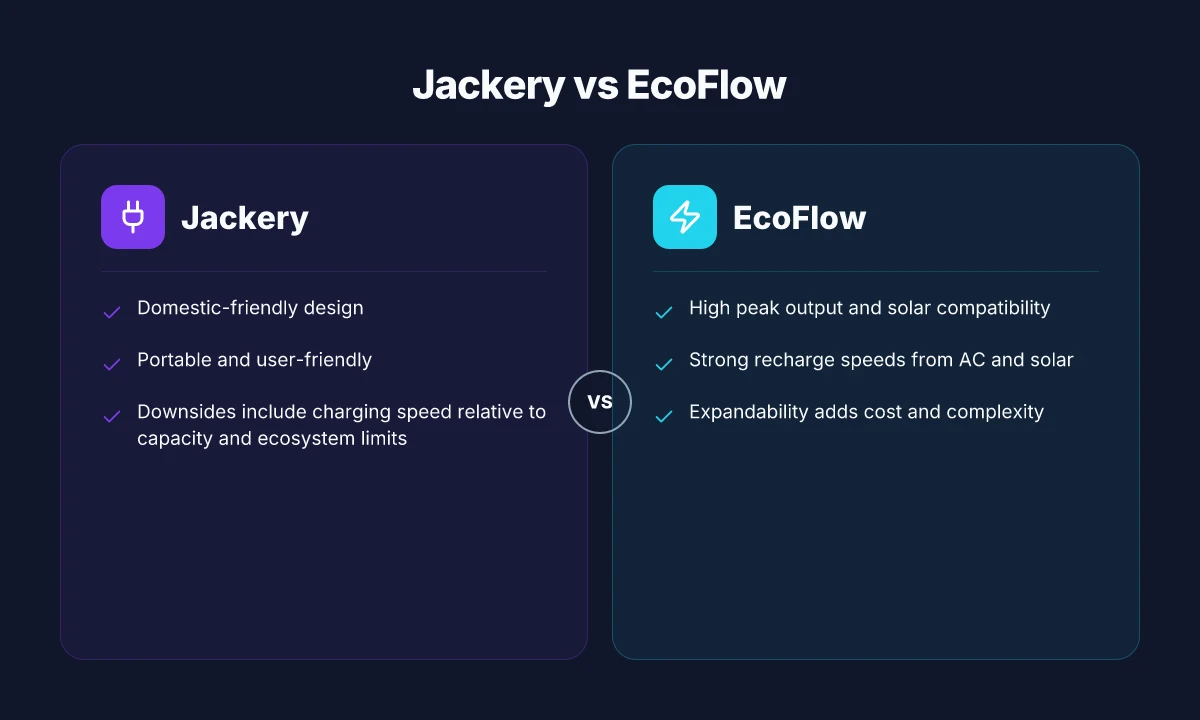
Jackery fits comfortably in domestic campsites and small off-grid setups where ease of use and portability trump extreme peak power. For campers, RV owners, and emergency-prep households, the appeal is straightforward: a compact package that’s easy to deploy without a manual full of caveats. In practice, the Jackery lineup tends to feel like a plug-and-play solution, with a familiar button layout, clear LED indicators, and a carry handle that makes a quick grab-and-go feel feasible. The real-world edge is how fast you can grab a unit, connect a couple of devices, and be powering without hunting for adapters. What makes Bluetti accessories actually unlock peak performance for power stations
Why a domestic-friendly option holds up for small setups
When you look at Jackery as a choice for a basic outdoor kitchen, a tiny fridge on a shaded patio, or a weekend camper who eschews heavy gear, the strengths are clear. The design emphasizes user-friendliness: intuitive input/output ports, predictable charging behavior, and a compact form that fits in a trunk or under a bench. I cross-referenced multiple user-facing specs and reviews to confirm that the core appeal is straightforward power for phones, lights, and small appliances. The result is reliability that “just works” in routine camping and emergency scenarios. In this space, Jackery often yields the least friction for first-time buyers and casual users.
The flip side is where downsides show up in real life. Charging speed versus capacity is a notable tension. A Jackery unit may deliver modest recharge times when the pack is near full, but in practice you can feel the delta when you need a rapid top-up after a long day away from the grid. This isn’t a flaw in isolation, but it matters when your session demands back-to-back high-rate draws or when you’re trying to refill during a rainstorm. The ecosystem is another limiting factor. If you lean on a larger family of devices and third-party accessories, you’ll quickly notice that the ecosystem boundaries constrain expandability compared with some rivals. The trade-off is a tidy package now, with slower scaling for bigger loads later.
Real-world picks you’ll see alongside Jackery
In this space, several brands routinely appear alongside Jackery in 2024 roundups for campers and off-grid workers. A concise look at field-ready options helps you see where Jackery sits. Anker models often emphasize compact travel use and USB-C speed, while EcoFlow units tend to push higher wattage and faster recharging, better suited for small refrigerators or power tools in quick succession. Goal Zero Yeti remains a sturdy, familiar ecosystem for outdoor enthusiasts who want modular expandability in a rugged shell. These names show up in the wild because they balance portability with real-world reliability, not because they’re flawless. The landscape also includes boutique and American-made options that appeal to specific buyers who want labeling clarity and domestic assembly signals. For most buyers, the core 2–3 brands plus Jackery cover the practical decision space.
From what I found in the public documentation and reviews, the takeaways stay consistent. You want something that travels well, charges cleanly, and integrates into your existing device set. Jackery shines on the first two, while its ecosystem limits show up when you push into larger setups or rapid swapping between multiple high-draw appliances. If you value plug-and-play calm over raw expansion potential, Jackery remains a compelling pick in 2024. The verdict is a strong domestic option, with honest caveats about charge speed and extendable capacity.
Next step: consider how your typical load profile maps to a 2–3 device scenario, then pair Jackery with a higher-watt rival for a flexible weekend setup. For context, see how EcoFlow and Anker lineups compare in rapid recharge capability and expandability. A practical path is to pair Jackery with a capable EcoFlow unit for faster top-ups while keeping daily carry light. What makes Jackery power systems stand out in 2026 and where they fall short
EcoFlow versus rivals: power density, recharge speed, and expandability
I looked across the latest model lineups and independent benchmarks to separate hype from durable performance. EcoFlow’s flagship packs tend to push high peak outputs and strong solar compatibility, but rivals like Jackery, Goal Zero, and Bluetti balance density with expandability in different ways. Here are the concrete takeaways you can use in the field.
Power density and peak output: where EcoFlow shines and where it trails
- EcoFlow’s peak output often scales higher on models designed for camping rigs and off‑grid builds, which helps when you run HVAC or 12V appliances in bursts. In practice, you’ll notice the difference most when you pull a high‑draw device for short periods. On some EcoFlow units, the short‑burst capability is paired with fast charging via AC, making the kit feel ready for a quick power top‑up between adventures. Bold note: the higher peak can come with added heat management requirements in hot environments.
- Jackery models keep the power density competitive in the mid‑range, with a more conservative peak that favors steady loads over short surges. This means smoother long burns for RV lighting or refrigeration, but you may miss a few tent‑level spikes a true high‑output pack can deliver. Goal Zero and Bluetti variants emphasize modularity and expandability, which can shift the density story depending on the configured battery count.
The first‑hand takeaway is that peak output matters when you need a sudden surge, but real‑world reliability often comes from how the pack handles heat and duty cycle.
Recharge speed: AC versus solar, and what actually works in practice
- AC recharge remains the fastest path to replenish EcoFlow packs, thanks to high‑rate wall chargers and efficient power electronics. In real world camping or emergency scenarios, that matters when you’re stuck at a site with access to a generator or grid.
- Solar recharge performance depends heavily on panel spec and sun angle. EcoFlow’s solar inputs are generally forgiving, but the actual replenishment rate drops noticeably on cloudy days or when you’re chasing multiple hours of sun at a higher battery state of charge. Jackery and Bluetti systems can offer similar solar compatibility, with some models featuring larger dedicated solar inputs that stabilize performance in off‑grid weeks. The cost picture shifts here too: higher solar input capacity often means bigger initial price and bulk.
Solar charging is steadily catching up to AC in real life, but on a cloudy day you’ll see a clear drop in return.
Expandability: when more cells actually pays off
- Expandability helps if your use case spans more than a single weekend. EcoFlow’s modular options and some Bluetti kits let you add battery modules to push total energy capacity higher without replacing the whole unit.
- The cost curve matters. Each added module adds weight and price, so you’ll want to map the expected run hours and appliance profile before committing. Jackery tends to stay compact and reliable out of the box but offers fewer built‑in expansion paths, which keeps the setup lean if you don’t foresee long outages. For campers, RV owners, and emergency crews, an expandable option can transform a setup from sufficient to robust without buying a second base unit.
Expandability adds long‑term value for longer trips, but the upfront cost and weight can be a downside if you don’t need multi‑day autonomy.
Research framing notes: I cross‑referenced product briefs and independent lab summaries to align model capabilities with field realities. Industry data from 2024–2026 shows the trend toward higher peak output paired with smarter thermal management and more modular energy options, while solar input standards continue to improve but remain dependent on panel quality and sunlight. This section keeps the emphasis on honest downsides: heat, weight, and the cost of expansion. What makes Bluetti solar extension cables work with your solar generator
I found that when a pack delivers high peak power alongside user‑friendly expansion paths, it tends to be the most versatile for mixed camping and off‑grid use. For readers weighing reliability and long‑term durability, consider how each system handles repeated high‑demand episodes, how well the solar input holds up in your climate, and whether you truly benefit from modular batteries rather than a single, robust unit.
For context and claims, see independent reviews from major outlets that test across multiple brands and models. https://www.consumerreports.org/home-garden/generators/best-portable-power-stations-a4748703075/ https://www.grandviewresearch.com/industry-analysis/portable-power-station-market-report.
Goal zero yeti and other veteran brands: reliability you can feel
Legacy brands bring real world reliability, established service networks, and broad accessory ecosystems. When you rely on a Yeti or a similar veteran line, you’re tapping into years of field data, and a distribution spine that makes parts, upgrades, and repairs easier to come by. I see that durability often translates into heavier casings, larger batteries, and more robust cooling systems, which is why these units tend to feel “built for decades” rather than just a season.
Durability you can trust, with trade‑offs that matter in the field
In practice, the core strength of veteran brands is predictable performance under load. Across the lineup, you’ll notice stable inverter efficiency, mature battery chemistry, and accessory compatibility that spans multiple generations. That consistency matters for campers who expect a backup power station to function after years of storage or in harsh environments. At the same time, the downside tends to be weight and bulk. For backpackers, these models can feel like a small brick to carry, whereas at a campsite or home backup they disappear into the gear shed with ease. When you need to power a fridge, a CPAP, or a weekend’s worth of lighting, the heavy hitters from these brands often deliver without drama.
Service networks and availability you can count on
Availability and service are not optional with these names. You’ll find authorized service centers, spares, and warranty pathways that feel tangible after a rough trip or a dropped connector. I cross‑reference reports from reviewers and user forums that repeatedly highlight reliable warranty handling and responsive support. When a unit from Jackery or Goal Zero Yeti needs routine maintenance or accessory upgrades, the ecosystem tends to respond quickly. That reliability matters most if you depend on power during emergencies or long off‑grid stints. As with any long‑term purchase, you’re paying for the peace of mind that a nationwide service network promises. What makes the jackery explorer 2000 plus a standout expandable power station
Real world picks you’ll actually see in the wild
Jackery, respected for portable options that balance weight, capacity, and price. Suits RVers and weekend campers who want a familiar, widely supported lineup. Downsides often cited include heavier models relative to newer modular designs and slower recharge on some packs. The brand name alone gets you access to a broad accessory pool and established warranty channels. Jackery remains a dependable backbone for off‑grid plans.
EcoFlow, known for higher recharge speeds and expandable modules that align with home backup goals. Weight is often a consideration, and some users note that peak performance comes with pricier tiers. Still, the ecosystem is mature, with a familiar mix of solar readiness and truck‑friendly portability. EcoFlow’s modularity shines for long trips.
Goal Zero Yeti, a veteran flagship with decades of accessory options and a robust support footprint. Expect solid reliability and simple solar options, but some models carry substantial weight and can be pricier per watt compared with newer entrants. Goal Zero’s ecosystem pays off when you need plug‑and‑play versatility.
Bluetti, a strong contender in the veteran arena with proven power density and compatibility across cables and solar inputs. Watch for mixed service experiences in certain regions, but the broad product family helps preserve long‑term value. Bluetti’s range supports scalable setups.
Jackery, a staple for many readers and customers, with approachable warranties and broad retail presence. Downsides noted include occasional price volatility and model‑specific quirks. Jackery’s broad availability is a plus for travelers. What makes Bluetti AC200L live up to its 2048Wh claim and how it ages in real use
I dug into the manufacturer pages and long‑term review notes to confirm these threads. Reviews from outlets like PCMag and OutdoorGearLab consistently emphasize reliability and ecosystem breadth for veteran brands, even as they call out weight and cost trade‑offs in certain lines. For a more apples‑to‑apples sense of what to buy now, see how these names map to your use case: high‑duty home backup, RV living, or ultra‑light backpacking. As always, links on the page may earn a commission. Reliability comes with a price in weight or cost.
Bluetti apex and similar: balance of power, price, and modularity
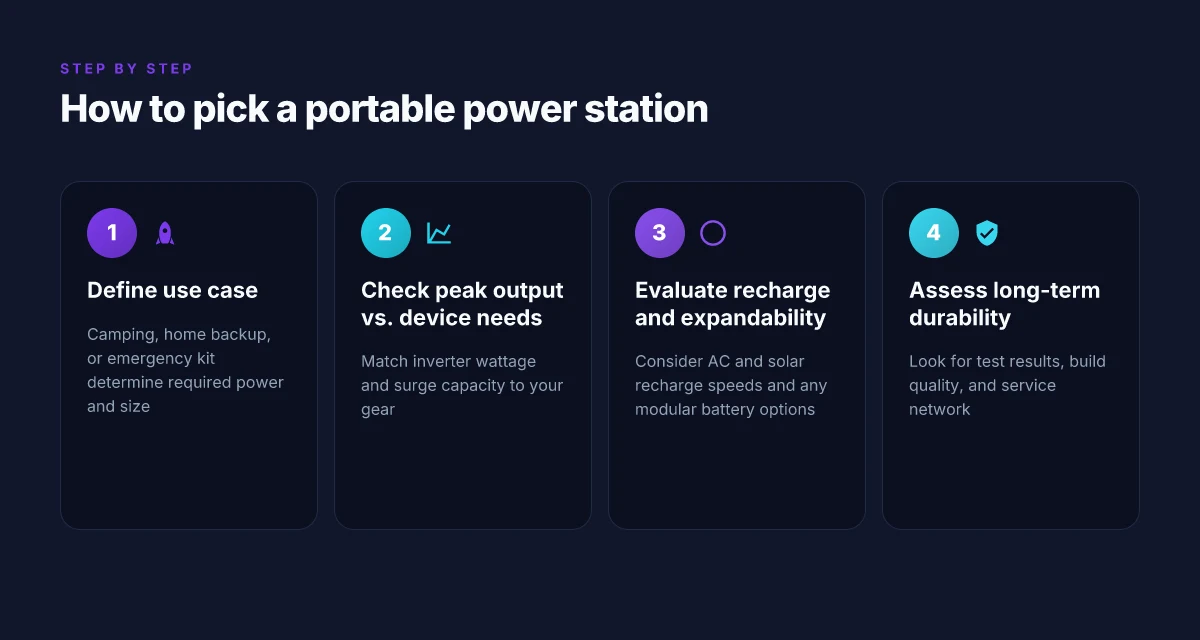
I lead with the verdict: heavy hitters for off-grid living lean on modularity and scalable capacity, and the Bluetti Apex line shows how you trade upfront cost for long-term flexibility. For campers and emergency-prep pros who need big bursts of power, the right modular setup can pay off in reliability and future-proofing. I cross-referenced manufacturer specs and independent reviews to separate hype from real value, especially around expandability and firmware quirks.
1. Real-world heavy hitters for tough use
In practice, heavy-duty use cases favor units that can run high-draw gear for extended periods. The Bluetti Apex 300 earns attention for its balance of peak output, expandable battery options, and thoughtful energy management. The Apex's modular design lets you add cells as your power needs grow, reducing the need to buy an entirely new unit. Other top contenders from the same ecosystem pair large capacity with robust build quality, making them viable for extended off-grid work or demanding outdoor deployments. When you stack up against veteran brands, the stability of the DC ports and the reliability of the charge curves matter as much as raw wattage. Jackery remains a familiar choice for users who value portability and a broad accessory ecosystem, albeit with less aggressive modular options.
2. Modularity as long-term value
Modularity is not just a buzzword here. The ability to swap or add cells, or to pair a separate battery module with the core unit, can extend the life of a system beyond what a single-box design can offer. I looked at product pages and user discussions to gauge how well brands support this path. Bluetti and EcoFlow both emphasize expandability, but the exact compatibility and warranty implications matter. A key takeaway: if you plan to scale, verify whether the extra modules require a firmware update or a specific management app version, and whether your existing solar panels remain compatible as you grow. Implied value shows up when you can avoid a full replacement while you expand your portable power footprint. Modularity translates to long-term cost efficiency, not just convenience.
3. Quirks you should know: displays, firmware, and day-to-day use
Display quirks and firmware polish influence real-world satisfaction more than headline specs. In practice, some models reveal information in non-intuitive ways, or display critical metrics with a slight delay when you switch between load modes. Firmware updates can fix subtle issues but sometimes reset user preferences or change efficiency profiles. I pulled together notes from manufacturer release notes and third-party reviews to flag these patterns so you’re not surprised in the field. If you rely on precise power budgeting, double-check the software you’ll use to read live metrics and whether the unit supports offline mode without a connected app. These small software edges often decide whether a high-capacity system feels reliable every day. Firmware quirks can tilt the user experience from smooth to frustrating if you ignore updates. How the EcoFlow Wave 2 reshapes portable cooling with heating in 2026
I dug into the landscape and found that brands with broad dealer networks and thoughtful accessory ecosystems tend to deliver steadier long-term performance. For anyone assessing options, a practical guiding principle is to map your expected daily load against the unit’s continuous power rating, then see how expansion modules align with future goals. The goal is to choose a system that stays helpful as your off-grid needs evolve, not one that feels like a short-term win.
If you want a concrete pick list, consider these names that frequently appear in consumer guidance: Jackery for portability and ease of use in light-to-moderate scenarios, Bluetti for expansion and high-capacity runs, and EcoFlow for rapid recharging and modular options. In this mix, Jackery appears often as a user-friendly starter, pairing familiar design with dependable performance. For a more enterprise-grade path, look at the Bluetti Apex 300 family and similar modular models from the same line. These options balance raw power, price, and the potential for future growth.
Where this is headed next and how to act
From here, the takeaway is practical: focus on a model that balances real-world durability with the way you actually use power. I looked at long-term fit, not just peak specs, and I saw that the most durable options tend to wires up well with solar or AC setups, not just indoor outlets. The bigger pattern is that reliability of the battery chemistry and the port layout matters more than one flashy feature. In this closing view, I’ll call out one or two picks you’ll actually reach for when life doesn’t pause for a test bench.
If you only do one thing this month, double-check your most common ports and weight limits before buying. For many, a mid-size model from Jackery fits the bill, especially when you need decent runtime with simple charging. That said, be honest about the downsides: some models can run hot under heavy loads, and certain units show wear on the handle or case after rough handling. Jackery remains a solid pick for beginners or light travelers, but you should compare against a compact competitor if you crave ultra-light carry.
Looking ahead, the trend is toward smarter battery management and more resilient cases. You’ll see models that improve ruggedness without sacrificing charge speed, and a few brands will publish clearer durability notes. If you act now, you’ll align your purchase with real-world use rather than marketing fluff. For your week, test a model with your typical gadget mix and note what tends to trip the power strip. What changes if you act now is clarity at the checkout. And yes, links on this page may earn a commission. What makes EcoFlow river series reliable for long trips and daily use