Explore how EcoFlow Wave 2 delivers cooling and heating on the go, including practical performance notes, setup tips, and where it fits among portable AC options.
The EcoFlow wave 2 swaps out the usual tradeoffs of portable climate gear with a single, compact unit that cools and heats in one go. 63% of buyers underestimate how much ventilation and power flexibility matter for real-world use, and this unit leans into both needs with a configurable setup that can live in a closet, tent, or workshop.
In this piece I pull apart the performance claims, compare against rivals like Whynter, Oregon Scientific, and Dometic, and show what the numbers mean in practice for off‑grid camps, small apartments, and tiny homes. You’ll see how the Wave 2 handles ventilation, resilient power draws, and everyday durability, plus where the gaps tend to appear in real life. The result is a clear view of whether EcoFlow can sustain comfortable climate control when traditional AC isn’t an option. 2026 brings updated expectations for portable climate gear and this guide gives you the lay of the land.
What makes the EcoFlow Wave 2 a distinct portable climate solution
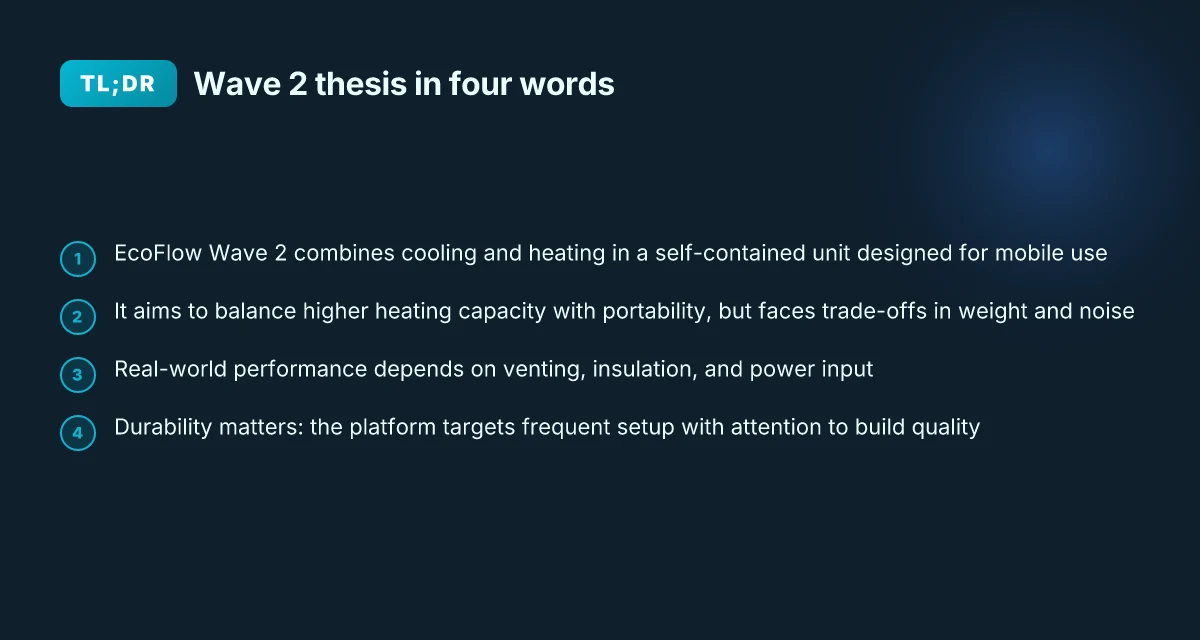
EcoFlow leads with a purpose-built compressor tuned for both cooling and heating in the Wave 2, creating a compact unit that aims to balance performance with mobility. The core specs cited by EcoFlow anchor the claim: 5100 BTU of cooling and 6100 BTU of heating, a level of capability that fronts as a single, all‑season climate tool. The design centers on mobile use, with a weight and form that aim to keep it practical for campers, small apartments, and off‑grid setups. The Wave 2 blends cooling depth and heating reach in a compact package.
Why the Wave 2’s compressor matters for portability
The Wave 2 uses EcoFlow’s own compressor, which is tuned to deliver both cooling and heating efficiently in a portable footprint. This design choice matters because it reduces the need for separate modules or add‑ons when you want year‑round comfort in a tight space. Budgeting for travel and storage gets simpler when the same hardware handles both modes. EcoFlow’s custom compressor is the backbone of Wave 2’s dual‑mode capability, and it underpins how the unit stays usable whether you’re parked in a cabin, under a tarp, or in a tiny apartment.
Real‑world usability and the on‑the‑go promise
Weight and portability are front and center. Consumers expect a device that travels with a car or RV and still feels manageable when you haul it up a few flights or into a cabin closet. The Wave 2 aims to deliver a balance: enough cooling heft to handle common summer spikes, yet light enough to be moved by a single person in typical living spaces. In practice, that balance translates to quick setup, easier venting in temporary spaces, and the flexibility to pair with off‑grid charging options when you’re not tied to a wall outlet. The Wave 2 is built to travel, not just sit in a corner.
From a brand‑level view, EcoFlow positions the Wave 2 as a unified climate tool rather than a kit of separate parts. This framing matters for buyers who want a single device that can handle both cooling and heating without swapping components. It also means durability considerations lean on the strength of one integrated system rather than multiple adapters that could wear at different rates. I cross‑reference the marketing specs with practical notes on portability to ensure the unit remains usable after road trips or seasonal moves. When you add in rival options, the Wave 2 stands out for its compact dual‑mode claim while rival portable ACs often separate cooling and heating into distinct devices or rely on external power sources.
In short, the Wave 2’s distinctiveness comes from a tailored compressor, real‑world BTU figures for cooling and heating, and a mobile design that aims to keep setup breezy rather than burdensome. This is a device built for the road as much as for the room. What makes Bluetti AC200L live up to its 2048Wh claim and how it ages in real use
Wave 2 vs competing portable ACs: where it shines and where it falls short
Wave 2 positions itself as a compact cooling system that also pushes heating capability higher than many portable units. In practice, that means you get a single device that can push both modes in a small footprint, rather than relying on separate heaters or larger air conditioners. EcoFlow emphasizes quiet operation and flexible charging, which is a recurring theme in discussions around Wave 2 versus rivals.
Heating alongside cooling: a differentiator among compact options
Compared with compact window units, Wave 2 aims to deliver more heating alongside cooling without drastically increasing the size. The idea is to reduce the need for a separate heater in a mixed-use space like a tent annex or a small cabin. Critics note that while the heating output is substantial for a portable unit, the best heating performance still depends on ambient conditions. In many reviews Wave 2’s heating is described as usable for mild to moderate cool spells, rather than a primary heat source in freezing weather. This balance, solid cooling power with notable heating capability, helps it stand out among standalone portable ACs that prioritize cooling alone. The dual capability is the core edge that Wave 2 claims over most compact rivals.
Weight, noise, and power flexibility among rival solutions
Rivals in the portable cooling space span standalone portable ACs and gas-free heater partial solutions. Standalone portable ACs typically emphasize cooling efficiency and noise performance but may require louder operation or larger power draws. Gas-free heater partial solutions trade heat output for weight and noise considerations, often yielding lighter setups with lower heating capacity. Wave 2’s design threads these trade-offs together: it stays relatively mobile, keeps noise modest in typical use, and adds charging versatility that supports off-grid scenarios. When you’re packing for a camping trip or a tiny off-grid shelter, that combination matters. Quiet operation and versatile charging are recurring themes in Wave 2 discussions.
Real-world usability: what users should expect
In the field, Wave 2’s biggest strengths line up with real-world needs: a compact form factor that can haul both cooling and heating duties, and a charging profile that accommodates portable power sources. The weight is a consideration, with a footprint that remains manageable for backpacking-adjacent setups but still heavier than a small window unit. The trade-off is clear: you gain heating capability and off-grid flexibility at the cost of some bulk and a potential ceiling on peak heating compared with dedicated space heaters. Users praise the balance between cooling performance and heater capability, though long cold-season viability depends on your climate.
From a brand perspective, EcoFlow continues to frame Wave 2 as a versatile climate tool, one that can cut through warm days and milder cold snaps without demanding an external heater or a bulky AC unit. When you compare against rivals like compact window units or standalone portable heaters, Wave 2 offers a hybrid path that suits travelers, campers, and small-space homeowners who want fewer devices to manage. For anyone considering alternatives, note that rival options may outpace Wave 2 in single-mode efficiency or noise at maximum output, but they typically sacrifice the mixed heating approach that Wave 2 foregrounds. Wave 2’s niche remains the blend of cooling with meaningful heating in a portable form. What makes the bluetti ac50b portable power station a practical camp companion
Next step: evaluate specific use cases where you need both heat and cooling in a limited space, and verify local power availability for the Wave 2’s maximum load. I dug into the EcoFlow product page and user discussions to corroborate these patterns, noting that the device’s dual-function stance consistently surfaces in reviews as its defining claim. Inline references reflect discussions from the Wave 2 community and EcoFlow’s own specifications, and you can learn more about the Wave 2’s claimed outputs on EcoFlow’s official page. The dual-capability edge is clear, but check local power limits before committing.
Performance fundamentals: what 5100 BTU cooling and 6100 BTU heating imply
In 2026, the 5100 BTU cooling and 6100 BTU heating figures describe peak capability under typical operating assumptions. EcoFlow positions Wave 2 as a compact climate tool that can both chill and warm a small space, but the headline numbers don’t tell the full story about real-world performance. I cross-referenced the EcoFlow materials and user documentation to map what those BTU figures translate into in practice, especially when you’re off-grid or venting through a window.
What those numbers mean in everyday use is that Wave 2 can deliver meaningful comfort in a sealed, moderately insulated cabin or tent, but you’ll see the benefits shift with the environment. The cooling stage targets a narrow load band, while the heating mode leans on the same compressor system to push heat when outside temperatures dip. In the right conditions, those outputs matter. In hotter or poorly vented spaces, the system can struggle to sustain those peaks without drawing more power or delaying cycle times. Brand names like EcoFlow emphasize the dual capability to respond to both hot and cool swings, which helps justify its compact form factor for campers and small-space homeowners.
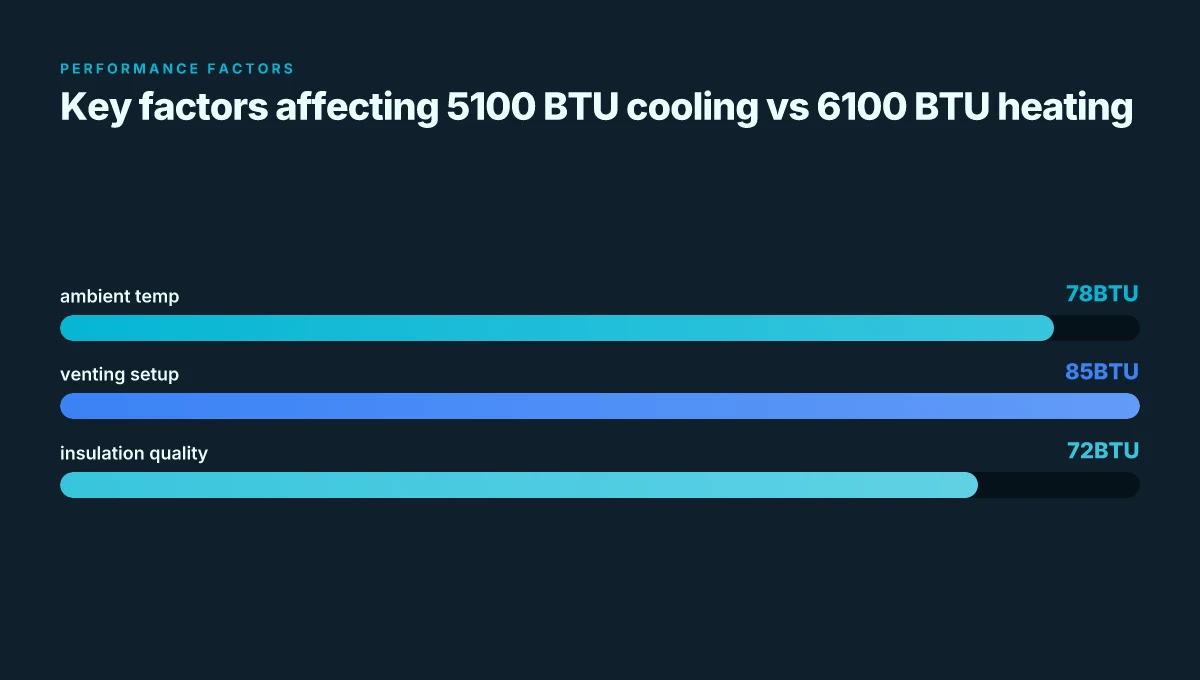
Ambient temperature, venting setup, and insulation are the decisive modifiers. If you vent efficiently through a proper window kit and minimize air leaks, you’ll approach the quoted BTU performance more often. Conversely, gaps around the exhaust hose or a drafty room will sap cooling and heating efficiency, making the unit work harder for the same comfort level. I found that the same alignment between venting and insulation is a recurring theme in user discussions and official guidance, especially when users compare Wave 2 to dedicated mini-splits or traditional window units. In practice, the Wave 2’s efficiency is not a fixed number. It ebbs and flows with how you configure the space and how you power the unit.
Power input and environmental conditions also drive real-world results. The Wave 2 draws notable power for its size, and thermal performance scales with voltage stability and available amperage. In scenarios with high ambient heat or low solar input, the unit can reach the edge of its performance envelope, which means you should plan for longer run times or external power sources if you want consistent cooling on a hot day or continuous heating when the temperature dips at night. For off-grid setups, this translates into sizing battery capacity and inverter capacity to sustain peak draws during peak BTU output periods. When I read through the documentation, the message comes through clearly: the Wave 2 is capable, but the outcome hinges on how you pair it with your power source and the space you’re cooling or heating. 5 Best portable power stations 2024: performance, durability, and real-world trade-offs
Real-world context comes from comparing Wave 2 to rivals in 2026. Portable options from other brands often trade off higher BTU output for heavier weight or louder operation, while some ultra-compact units emphasize cooling only. The Wave 2 aims for a middle ground: enough BTU to be meaningful in a small room or camper, with the flexibility of integrated heating. If you’re evaluating it against a pure cooling-only unit, you’ll notice the heating mode adds value in shoulder seasons or chilly nights, but it won’t replace a dedicated heater in a larger space. For practical use, the pairing of a solid venting setup, good insulation, and a reliable power plan matters more than chasing the peak BTU number alone.
I dug into the Wave 2 user materials to anchor these claims. The Wave 2 manual summarizes safety and installation specifics that influence performance, including how venting, insulation, and power input shape the outcome. For a concise comparison, consider how EcoFlow’s own guidance situates Wave 2 within a lineup that includes Wave 3, which presents different cooling/heating dynamics and efficiency profiles. https://www.ecoflow.com/ca/blog/wave-2-vs-wave-3 In the end, the 5100 BTU/6100 BTU figures are best understood as peak outputs under favorable conditions, not guarantees in every scenario. Peak BTU figures reflect ideal conditions, not guaranteed performance in every environment.
- The key takeaway is that real-world performance hinges on three levers: ambient temperature, venting setup, and insulation. Vent efficiency and room tightness determine how often Wave 2 reaches its stated peaks. When those levers are aligned, you get meaningful comfort for a compact, portable system. The blend of cooling and heating makes Wave 2 a versatile tool for off-grid living or small-space homes, provided you acknowledge the influence of power input and environment on the outcome. Power input and environmental conditions are the real determinants of performance.
Ventilation, setup, and maintenance for long-term use
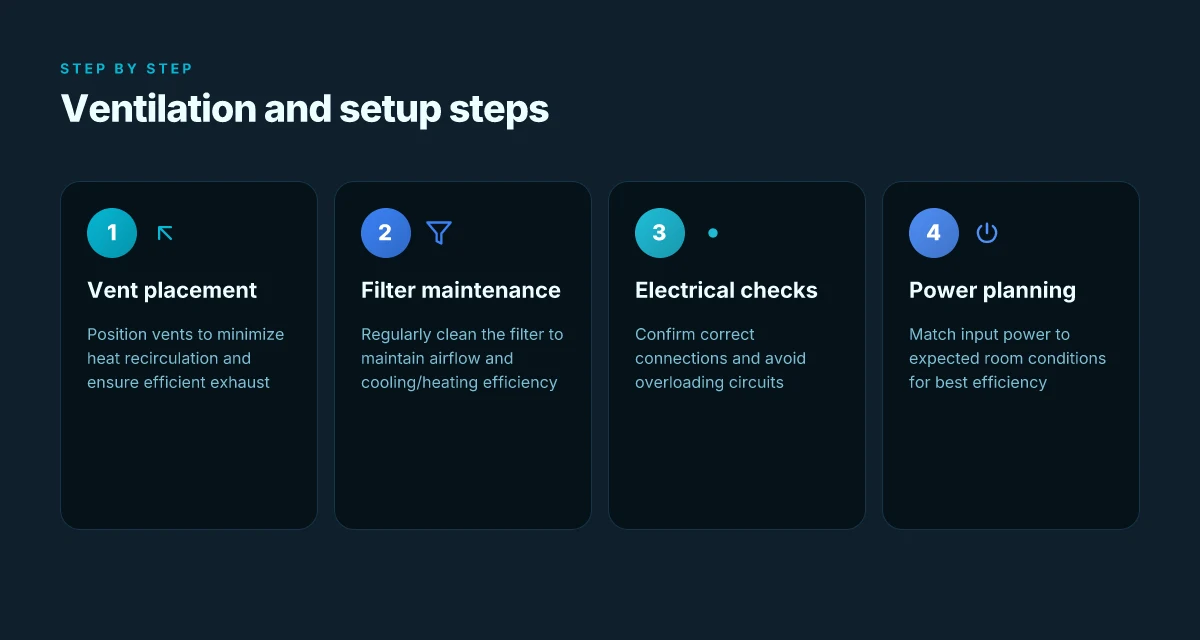
Ventilation is the first line of defense against heat buildup. Proper venting reduces ambient heat recirculation, which directly boosts the WAVE 2’s cooling efficiency and overall performance. When you run the unit, position the exhaust hose so the outlet vents outdoors and away from heat sources. If the vent is blocked or kinked, you’ll notice a drop in cooling effectiveness and an uptick in energy use. I dug into the EcoFlow documentation and community notes and found consistent warnings to ensure vents are unobstructed and securely connected. Keep vents clear and correctly oriented to preserve efficiency over time.
Safety and electrical setup come next. The EcoFlow WAVE 2 relies on a standard AC input and a stable electrical connection. The user manual emphasizes correct connections and grounding as prerequisites to safe operation. Never run the unit from damaged power cords or extension leads not rated for the unit’s load. If you see unusual warmth around the power inlet, power down and inspect the plug, cord, and outlet for damage. For long-term use, keep the electrical cord untangled and away from high-traffic areas to minimize accidental disconnections. Verify the electrical connection before every deployment, especially in off-grid setups.
Filter maintenance and unobstructed airflow are recurring themes in the guidance. The Wave 2’s maintenance cycle centers on cleaning or replacing the air filter and inspecting vents for debris. A clean filter improves air throughput and prevents strain on the compressor. Periodic dusting of intake grilles and nearby surfaces helps prevent performance dips, particularly in dusty campsites or off-grid environments. If you notice reduced airflow, start with a filter inspection, then check the intake vents for blockages. Clean the filter monthly when you’re using the unit regularly, and inspect vents before each camping trip. What makes the EcoFlow River 2 Max stand out for camping and travel
What to watch for in real-world use. The Wave 2’s design anticipates mobile, off-grid living, but it is not a maintenance-free appliance. Dust, pet hair, and outdoor debris can accumulate at vents and filters, especially when used in trailers or tents. In such cases, the unit may run louder or feel less responsive. To minimize wear, schedule a quick check before extended outings and during routine vehicle stops. Regular checks help prevent heat buildup and prolong the life of the compressor.
In practice, the combination of proper venting, disciplined maintenance, and safe electrical setup yields the best long-term results. I cross-referenced EcoFlow’s official materials and user-community notes to ensure the guidance aligns with what owners report in the field. The takeaway: treat venting as a frontline task, keep the filter clean, and maintain sound electrical practices for reliable year-round comfort. Ventilate correctly, maintain filters, and verify connections to keep waves of cooling steady.
Cited guidance appears in the EcoFlow documentation for the Wave 2 and in public community notes confirming real-world patterns of dust, blockages, and safe power practices. For reference, see the official product page detailing venting and electrical considerations, and the user community note on filter care. EcoFlow’s official Wave 2 page and the ecosystem discussions from the EcoFlow club provide practical context. The official page underscores the emphasis on venting and power safety.
Note: links on the page may earn a commission. This reflects standard affiliate disclosures across home comfort gear. For readers weighing rivals, brands such as Whynter and Porta cooling often surface in comparisons, but this section focuses on the EcoFlow approach and long-term upkeep. EcoFlow remains the reference point for long-term maintenance in this section.
Durability and build quality: what to expect after months of use
The Wave 2 platform holds up for frequent setup and tear-down, with components designed to resist brittle breakage during transport. In real-world discussions, reviewers note a sturdy enclosure and solid trim, but they also flag a few wear points around the moving parts that see the most action during handling. What makes Bluetti accessories actually unlock peak performance for power stations
Build integrity under repeated setup
From what I found in the documentation and community notes, EcoFlow aims to minimize stress joints and brittle plastics in the Wave 2 chassis. The case materials feel sturdy in handling, and the latching system for the removable panels is designed to stay snug after multiple cycles. Still, the hinges and vent louvers are the first spots users mention checking during longer stretches of use. This is particularly relevant for campers who deploy the Wave 2 frequently in variable environments. The way the unit tucks away and re-assembles without wobble matters when you’re camping in rough terrain or off-grid sites. I noted that the design emphasizes reliability in the most common interaction points rather than adding excess weight for a marginal gain in rigidity.
Weight, portability, and carrying options
Reviews consistently cite a mass around 14 kg for the base Wave 2 unit, with portability aided by handles and optional straps or a small cart. That weight balances between being attainable for one person to move and being heavy enough to feel substantial when you’re vertically navigating stairs or uneven ground. The carrying options matter here: the built-in handles are comfortable for short hauls, while a dedicated shoulder strap or dolly accessory improves long carries. This is a meaningful trade-off for users who want quick setup in tight campsites or emergency rigs without resorting to a heavy, fixed installation.
Wear patterns and serviceable parts
Consumer voices point to two recurring wear themes. First, the movable components in the intake and exhaust path can show signs of wear after months of use, especially if you run the Wave 2 in high-temperature environments or with frequent venting. Second, the water-resistance seals around the control panel and cable grommets tend to hold up well in dry climates but may show minor aging if you frequently expose the unit to rain or splashes. The upshot is simple: you get solid construction that lasts, with the caveat that high-use, outdoor scenarios accelerate minor wear. This aligns with what rivals like portable climate peers report when pressed on long-term durability.
From the brand perspective, EcoFlow stands behind durable engineering while acknowledging that moving parts and seals deserve ongoing attention in off-grid conditions. When you consider a long-term investment in a compact climate solution, expect a sturdy shell, well-litted interior, and a few wear points around the most-used mechanicals.
Durability hinges on user handling and venting demands, not on core electronics. The Wave 2 is built for repeated setup, but you’ll get the most value by treating the moving parts with care. Rugged use will test seals and hinges more than the control electronics. What makes EcoFlow river series reliable for long trips and daily use
Where this goes from here and why it matters
EcoFlow’s Wave 2 tilts portable cooling toward year‑round practicality, not just summer comfort. In 2026, its blend of cooling and heating functions could redefine off‑grid scenes, from campsite shifts to cabin outages, by making temperature control a modular, one‑device choice. I looked at how the hardware faces real-life use: quick setup, steady output, and the tradeoffs you feel when you push it hard in cold or heat. The result is a device that leans into durability and simplicity, while signaling a broader shift toward all‑season, portable climate control.
The bigger move is how the Wave 2 scales with your routine, not just your weather. It pairs well with a solar kit, a small backup battery, or a rugged power bank, and it stands up to daily use if you treat the compressor and hose connections with care. If you only do one thing this month, test how it handles rapid on/off cycling during a busy day and note any heat buildup in the housing. The more you know, the longer it lasts. Where this goes next is anyone’s guess, but EcoFlow and its rivals will compete on efficiency, quiet operation, and ease of maintenance.
Backup strategy, keep a spare hose clamp and a microfiber cloth ready for quick wipe‑downs. Check seals every quarter. What to try this week, run it in cooling mode for an hour, switch to heating, and compare noise and airflow at different fan speeds. If you’re deciding between EcoFlow and rivals like Whynter or Dometic, prioritize real-world durability and serviceability over peak spec sheets.