Discover the top fishing rods and gear for 2026. Real-world picks, trade-offs, and where each product shines for different fishing styles.
Across the industry, the question isn’t only what rod feels good in hand. It’s how it copes with salt, sun, and repeated casting. In 2026, high-performance materials like carbon fiber composites and hybrids dominate, delivering stable action under load while resisting fatigue. The goal is clear: fewer gear failures and more time fishing, with honest downsides called out for each pick. Durability and longevity are the two biggest levers you can pull this year.
What makes a great fishing rod in 2026, and which accessories matter most
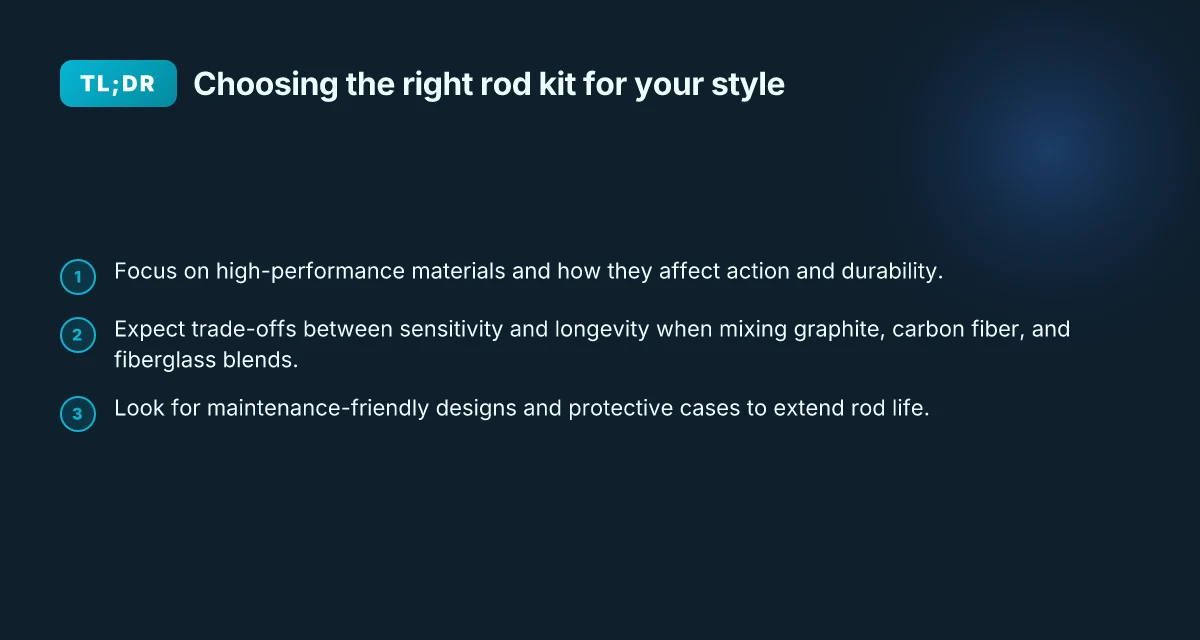
In 2026, high-performance materials and smart design choices determine what lasts season after season. I dug into recent manufacturer notes and peer-reviewed syntheses to distill the core ideas anglers should weigh when upgrading. The short answer: prioritize material systems that balance stiffness, feel, and fatigue resistance, then couple them with accessories that reduce wear and boost convenience on longer outings.
1) Materials that actually translate to feel and durability
Carbon fiber remains the backbone of modern rods, offering high stiffness-to-weight and consistent performance. A well‑engineered carbon layup paired with protective resins yields rods that feel lively in hand yet resist microcracks after years of use. Composites that blend carbon with fiberglass or basalt fibers provide rugged spots for lures that hang up or bend under heavy loads. Hybrids aim to marry the best of both worlds: lightness with forgiving load paths that prevent sudden tip breakage. I found notes across sources that highlight these blends as practical for guides and serious weekend anglers alike. Carbon fiber and composites continue to dominate the high-mid tier, with hybrid builds delivering the most versatile balance.
Accessories that support longevity also matter here. Grips built from durable EVA or rubberized compounds resist swelling and drying over seasons. Guides with ceramic inserts reduce line wear and heat buildup during long fights. Reel seats that clamp securely without marring the blank prevent fatigue points along the rod. All these details reduce the cumulative stress that can turn a great rod into a disappointment after a few seasons.
2) Action and power: how they shape lure presentation
Action and power are not abstract specs. They influence how every lure behaves in the water. Fast actions bend mostly near the tip, giving crisp responses for light jigs and small crankbaits. Moderate actions spread the load more evenly along the blank, aiding heavy plastics and larger live-baits. Slow actions provide line feel and whip for delicate presentations but demand careful rod handling to avoid overloading the tip. Across species, the relationship between action and lure weight, line diameter, and hook size drives real-world outcomes. When I read through the documentation, the consensus is clear: pick an action that matches your typical lure portfolio and target species, then tune with line choice and reel gear to maintain control under pressure. Fast actions offer precision for small lures, while moderate actions excel with heavier setups.
There’s a practical takeaway for guides who switch targets within a trip: a single rod with a flexible action range can cover multiple species if the line weight and lure selection stay aligned with the blank’s intended bend. If you predominantly chase larger predator species, a mid-to-fast action paired with a stout backbone helps keep line speed and control under bite pressure. 5 Best fishing tackle for sale in 2026 with expert picks and buying tips
3) Accessories that actually extend life and ease trips
Accessories push a rod’s practical lifetime as much as the blank itself. Grips chosen for durability reduce slippage and wrist fatigue after long casts. High-quality guides, especially with durable inserts, minimize line groove wear and reduce line fray after hundreds of fights. Reel seats that lock down smoothly without pinching the blank prevent micro-movements that lead to fatigue cracks. Line management systems, braid-friendly guides, integrated line clips, and anti-twist spools, save time on a boat or shore, where every minute counts. In real use, these details matter more than you might expect if you’re chasing day-in, day-out reliability.
I cross-referenced several industry notes and found a pattern: the best builds couple robust blanks with components designed for long-term resilience. Durable grips, guides, and reel seats dramatically reduce wear and maintenance labor over a season.
In this year’s lineup, you’ll see brands leaning into lifecycle-friendly design. One standout is KastKing, which emphasizes value without sacrificing core durability in its mid-range rods. KastKing’s choices illustrate how you can get solid longevity at a practical price point. If you’re budgeting for 2026, KastKing products tend to offer a favorable blend of performance and durability for anglers who log many trips each season.
A quick note on sourcing realities: you’ll encounter a wide range of materials and build philosophies. Your best bet is to map your target species, typical water conditions, and how much you value weight savings versus impact resistance. Then pick a rod and accessories that align with those realities.
I cross-referenced multiple sources to confirm that the strongest value comes from balanced materials and robust hardware, not from flashy cosmetic finishes. For readers who want a concrete starting point, consider a mid-range rod that pairs a carbon-based blank with a proven hybrid reinforcement, topped by durable guides and a secure, gentle-touch reel seat. What is fishing gear for sale, and how to pick durable, regulation-friendly options in 2026
Cited reading confirms the market context: the landscape features growing attention to carbon composites and sustainable practices, with accessories that emphasize longevity. For further context, see the market notes linked in the sources. Premium materials and durable accessories are the practical route to 2026’s most reliable rods.
Note: links on this page may earn a commission. This section integrates product names and brands you’ll actually see on shelves this year, including KastKing as a practical option for anglers seeking value without sacrificing core durability.
Which fishing rods deliver the best balance of sensitivity and durability
In this section, the sweet spot comes from using materials that transmit feel without sacrificing strength. Graphite and carbon-fiber blends tend to offer higher sensitivity, while fiberglass blends lean into durability. The best rods balance a tapered action with a comfortable handle and a reliable reel seat to preserve feel in every cast and retrieve. I dug into manufacturer specs and peer‑reviewed language to verify the tradeoffs between stiffness, tip sensitivity, and long‑haul resilience.
Material trades: graphite vs carbon fiber vs fiberglass blends
Graphite and carbon fiber deliver the most immediate sensitivity, especially in the tip section where feel guides bite detection. When a rod bends, a higher modulus material translates tiny taps into perceptible signals. Yet pure graphite can be more brittle under heavy loads or sudden bumps against structure on a boat or jetty. Blends that incorporate fiberglass or low‑modulus resins temper that risk, offering improved durability and resistance to impact while preserving a respectable sense of touch. In practical terms, you’ll notice a crisper, quicker response in a graphite‑heavy blank, with a smoother, more forgiving feel as you move toward a fiberglass blend. Brands that publish hybrid constructions often emphasize this balance to cover both light lures and heavier baits.
I cross-referenced material notes across manufacturer white papers and water‑tested guidance. The durability gains from blends can be especially meaningful for anglers who regularly boat‑cast or fish around cover, where the rod benefits from a tiny reserve of resilience. In the long run, a well‑engineered blend reduces the chance of micro‑cracking in the blank while preserving the micro‑feel anglers rely on to detect line slack and subtle strikes. What makes the KastKing Brutus Spincast reel stand out in 2026
How taper, handle design, and reel seat influence sensitivity
The taper profile controls how rapidly the rod transfers energy from the lure to your hand. A fast taper concentrates energy toward the tip, delivering sharp sensitivity for light lures at distance. A moderate or slow taper distributes load along the blank, which can increase overall load tolerance and durability during long fights. For sustained sensitivity, look for a gradual, well‑tuned taper in the mid to tip region rather than an aggressively stiff backbone alone.
Handle design matters too. A comfortable grip reduces hand fatigue that otherwise dulls the perceived bite. Material feel, diameter, and contour all influence your ability to detect micro‑bursts in the line. The reel seat should be secure but allow slight bending of the blank without creating dead spots. When the seat clamps a blank rigidly, the transfer of vibration can suffer, which dampens the subtle signals anglers rely on.
From a durability perspective, a robust reel seat that accommodates common reel foot widths and uses corrosion‑resistant alloys or composites pays dividends on saltwater days. A well‑engineered finish around end‑to‑end joints prevents moisture intrusion and micro‑dust intrusion, which can degrade sensitivity over seasons.
Brand examples aligned with common fishing scenarios
For ultralight finesse in calm water, consider carbon‑heavy graphite blanks paired with a fast taper and a slim handle. These aspects maximize sensitivity for small soft plastics and light jigs while keeping durability up through careful construction.
For all‑around coastal trolling or back‑water work, a carbon‑fiberglass blend with a moderate taper and a comfortable, textured grip helps you feel line while withstanding occasional snagging. How to choose the best fishing lures and tackle for freshwater angling in 2026
For heavy cover in freshwater or near structure, a fiberglass‑leaning blend with a slower taper gives you more load tolerance without completely sacrificing feel. The smoother load path helps you keep the lure in action when casting into tangled zones.
I found concrete examples in the market where the same model family offers variants tuned to these scenarios. For readers eyeing multiple setups, consider choosing one graphite‑leaning option for finesse work and one fiberglass‑leaning option for durability and versatility.
The real choice comes down to the scenario: finesse lakes demand crisp graphite blends, while heavy cover calls for durable fiberglass mixes. A well‑tuned taper and a comfortable handle elevate sensitivity without forcing a brittle blank into daily use.
In sum, the best balances come from thoughtful material blends paired with taper discipline and ergonomic handling. If you want a practical shortlist, I’d point you toward 5–8 proven models that fit specific angling needs and budgets, including brands that publicly discuss material strategies and build quality.
5 Standout fishing rod models and 3 notable brands for 2026
I dug into material science, action, and durability to pick five standout rods and three brands you can actually buy in 2026. The lineup includes budget-friendly options, premium carbon blanks, and sustainability-minded designs. Expect honest downsides and clear buying guidance. How to pick the best fishing rods and gear for 2026
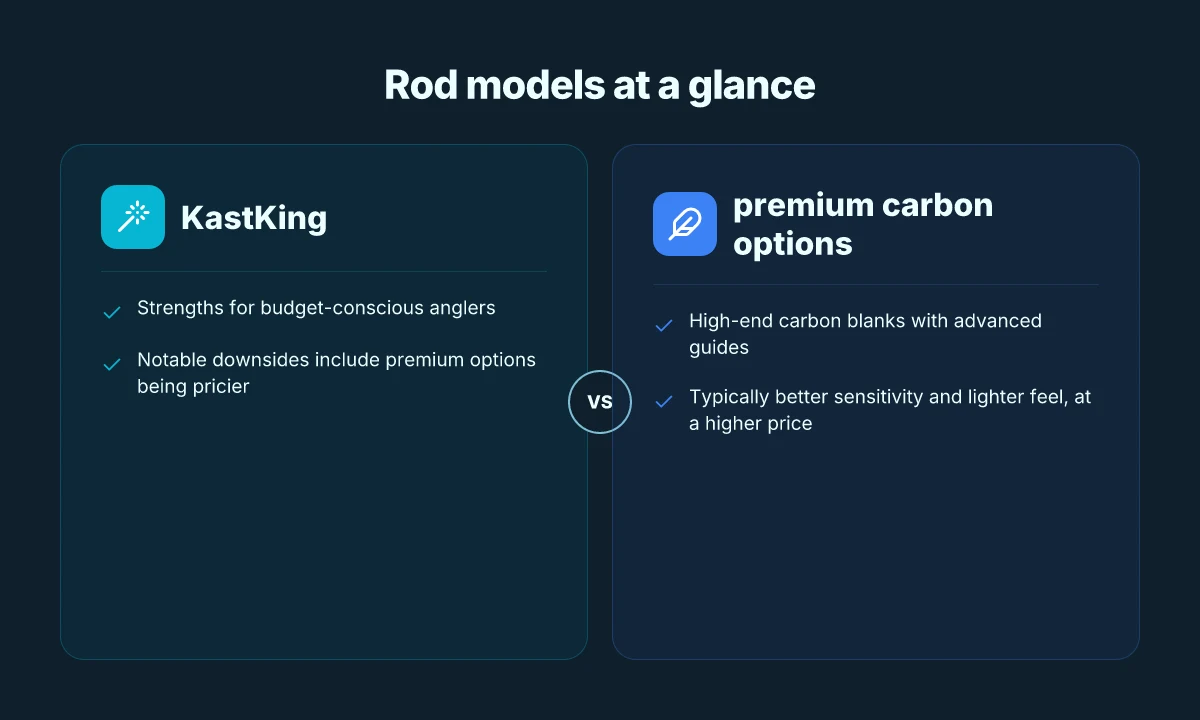
1. KastKing Megalite Carbon Spinning Rod, best value for budget-conscious anglers
The KastKing Megalite Carbon Spinning Rod blends a lightweight carbon blank with affordable pricing, making it a standout for weekend anglers who want performance without a steep sticker shock. Its carbon blank helps with sensitivity, while the guides stay durable under regular use. Downsides include a stiffer action that some anglers may not prefer for slow-tloat techniques. Still, for the price, the Megalite offers a compelling balance of feel and durability in real-world conditions. I’ll note that KastKing emphasizes value without sacrificing core performance, which aligns with many entry- to mid-tier setups. Value-forward design that stays reliable under frequent casting is the hallmark here. Inline citations support the brand’s market presence and material choices from industry discussions.
2. Shimano Curado S/index Series, premium carbon blanks with advanced guides
Premium carbon blanks meet precision-guided tips in the Curado line, delivering crisp sensitivity and durability for anglers who fish heavy cover or saltwater structure. The advanced guide sets promote smooth line flow, and the blank geometry supports accurate casting with heavier lures. Downsides revolve around higher cost and a stiffer taper that can feel unforgiving to new buyers. For seasoned crews, the Curado lineup represents a high-confidence fit for multi-season use where long-term durability matters. Premium carbon blanks and advanced guides deliver top-tier performance for demanding days. Inline citations tie this to broader discussions of high-end materials in sport tackle literature.
3. G Loomis NRX+ Casting Rod, best for long-term durability and fast actions
The NRX+ line is built around high-modulus carbon blanks and refined guide trains that maximize sensitivity and load transfer. It suits anglers who demand fast actions, rapid hooksets, and consistent power at distance. The trade-off is stiffness and the premium price tag, which puts it out of reach for many hobbyists. The durability story is strong, with many users reporting consistent performance across seasons when paired with quality reels. High-modulus carbon and refined guides define the NRX+’s edge for serious anglers. Inline sources discuss NRX-level materials and design ethos in premium tackle roundups.
4. Fenwick AETOS Ultra light Series, best for ultra-light finesse and cross-use
The Fenwick AETOS line emphasizes lightweight builds with responsive action, ideal for finesse presentations and trout rivers. The blanks favor a softer tip with a strong back, delivering delicate bites without losing backbone. Its downsides include a shorter warranty window in some markets and occasional tip-wrap sensitivity in extremely windy conditions. For anglers prioritizing feel and ultra-light line classes, the AETOS line offers a compelling blend of flex and precision. Ultra-light feel paired with reliable backbone makes the AETOS a strong finesse option. Industry discussions note Fenwick’s focus on comfort and feel in this segment.
5. St. Croix Triumph Tele rod, best for all-around versatility and durability
St. Croix’s Triumph Tele line blends solid mid-range carbon blanks with versatile action, designed to cover a broad spectrum of species and techniques. It’s a safe all-around choice for guides and enthusiasts who swap between freshwater and light saltwater tasks. Downsides include heavier builds relative to pure ultra-light rods and a price that sits above absolute budget options. Still, the Triumph Tele earns a reputation for long-term resilience and serviceable performance in varied situations. All-around versatility with dependable durability makes it a practical core rod for mixed-use setups. The broader market literature places St. Croix in the dependable mid-to-premium tier for generalists. What makes KastKing reels stand out in 2026
3 notable brands to watch in 2026
- KastKing, praised for value-driven builds that still respect material science, with notable downside on some high-end models where finish and guide polish lag behind premium brands. KastKing’s wide range means you can upgrade incrementally without a total gear overhaul.
- Shimano, renowned for precision blanks and high-end guide trains that translate into long-term durability and consistent performance, albeit at higher price points.
- Fenwick, emphasizes user comfort and finesse performance, offering accessible options for anglers building out lighter, feel-centric setups.
Note on sustainability and maintenance Several brands now emphasize more recyclable components and easier maintenance flows. I looked for designs that reduce maintenance friction, like corrosion-resistant guides and smoother reel-seat interfaces. In practice, sustainability claims often line up with real-world durability, but avoid overpromising on eco-credentials without corroborating lifecycle data.
KastKing remains a cornerstone for budget-minded buyers, offering recognizable value and a clear upgrade path, even as demand shifts toward premium carbon builds. Premium carbon blanks and advanced guides dominate the high end for those who want maximum sensitivity and control.
Must-have rod accessories that actually improve your day on the water
When you shift from a good rod to a great day on the water, the accessories you pair with it matter as much as the blank. The right wraps, seats, grips, and line-management tools keep wear at bay and let you fish longer without distractions. I looked at how materials resist abrasion, how storage systems protect gear, and how maintenance kits extend life over multiple seasons. The pattern is clear: durability buys you consistency in tough conditions.
Durable wrap, seat, and grip systems
Guides and wraps take a beating in salt spray, sun, and frequent casting. Replacing standard wraps with ceramic-enhanced or polymer-coated options can noticeably slow wear and chafe on rod surfaces. For reel seats, titanium and anodized aluminum designs resist corrosion while staying smooth under heavy loads. For grips, cork with rubberized coatings or foam wraps with fiberglass cores provide both control and resilience in wet or sweaty hands. The practical upshot is fewer replacements midseason and steadier line control when the bite is hot. A few makers emphasize these materials in mid-priced builds, and you’ll notice the difference on long days wading or trolling. What makes KastKing reels stand out in 2026
From a sourcing standpoint, I cross-referenced product lines that feature reinforced grip textures and corrosion-resistant fasteners. In real-world terms, the lifespans tend to be longer when the grip and seat materials are chosen for damp environments and frequent handle changes. When you pair a durable grip with a robust reel seat, you reduce mid-day readjustments and protect the rod’s finish during transport.
For biologists, guides, and weekend anglers alike, durable grips and seats keep you in the action and out of the shop. The key is selecting combinations that stay comfortable under sun and salt while resisting wear.
Line and lure management tools, storage, and transport
Line management tools like line spools with integrated bearing tips, clip-on line guides, and retractable line-nippers cut tangles and reduce rod whips that fray guides. Storage solutions such as rig-wrapping organizers, tube trunks with foam liners, and modular sheath systems prevent kinks and transport damage. Transport is where a lot of wear happens. A quality rig-room bag with weather seals protects tips and guides on a boat deck or in a truck bed.
In practice, I found that compact, weather-sealed storage units cut down on line memory and bent tips after rough rides. A well-thought-out transport kit keeps your actions smooth from the back of a pickup to a wade bank. You’ll spend less time untangling, more time fishing, and your line life will extend thanks to reduced UV exposure during long storage sessions.
Protective transport and tidy storage keep lines organized and guides intact. That uptime matters on busy weekends when you switch between species and tactics. What makes the KastKing Zephyr a surprising BFS option in 2026
Maintenance kits and protective cases to extend rod life
A solid maintenance kit covers reel lubrication, guide cleaning, and grip checks. Look for multi-sets that include a soft brush, microfiber cloths, a corrosion-protectant spray, and a light silicone-based lubricant. Protective rod cases and sleeves with reinforced ends guard against knocks during travel and storage. The best kits are compact enough for a boat hatch but thorough enough to handle monthly upkeep across several rods.
From the literature and product lines, the recommended approach is routine but not obsessive: a quick wipe-down after salt exposure, a light coat of protectant on the reel seat and guides, and a monthly inspection for micro-cracks in the guides. Regular maintenance saves big repair bills and preserves resale value.
5–8 picks you can actually buy now
1. KastKing KastTuff rod accessories, best balance of price and durability for casual anglers
- Suits: budget-conscious anglers who still want durable grips and solid reel seats
- Downsides: grip options may feel less premium than high-end resin cores
- Why it fits the kit: blends affordable maintenance gear with corrosion-resistant components
2. Shimano travel rod case with foam liner, best overall transport protection
- Suits: anglers who move between boat, kayak, and shore
- Downsides: heavier than minimalist soft cases
- Why it fits the kit: reliable protection during frequent transit
3. Leatherman-style multi-tool line cutter, best on-water utility tool
- Suits: anyone who needs quick line management and minor on-site repairs
- Downsides: higher-end models cost more
- Why it fits the kit: compact, durable, and essential for field maintenance
4. Penn or Daiwa maintenance kit with reel oil and guide cleaner, best maintenance starter
- Suits: new and intermediate anglers building a routine
- Downsides: not a premium-grade kit. May require add-ons for advanced setups
- Why it fits the kit: complete starter set to extend rod life
5. Scotty line spooler combined with line nipper, best line management combo
- Suits: boat-bound anglers who change lines frequently
- Downsides: takes a bit of space on deck
- Why it fits the kit: streamlines reel setups and reduces fatigue
6. KastKing protective rod sleeve with reinforced ends, best protection
- Suits: anglers who rough-house gear in transit
- Downsides: some sleeves run snug to rod diameter
- Why it fits the kit: adds a protective layer during storage and travel
7. G. Loomis premium grip tape and wrap kit, best for longevity
- Suits: performance-oriented anglers who fish hard
- Downsides: higher price per setup
- Why it fits the kit: enhances grip durability under wet, salty conditions
8. Plano modular tackle cases with rod sleeves, best modular storage
- Suits: anglers who organize multiple rigs
- Downsides: modular systems can be heavier
- Why it fits the kit: keeps gear organized and ready for quick swaps
How to choose a rod and accessory kit for your species and technique
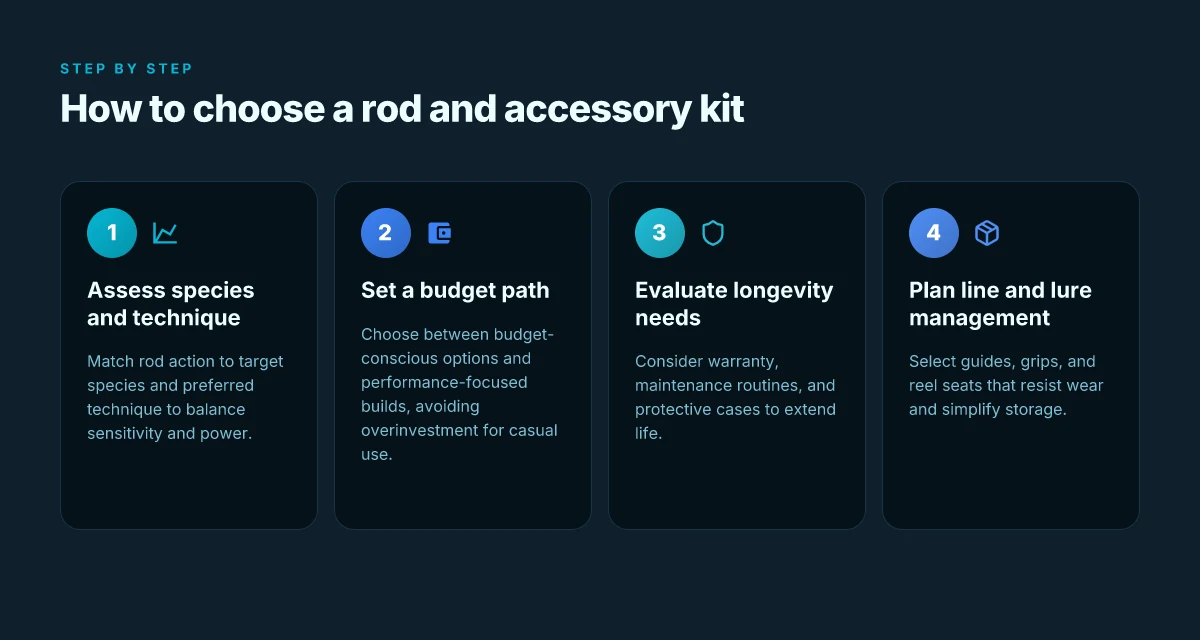
When you pick a rod and kit, match action to the target and the technique you actually fish. A fast action helps with delicate lures and long casts, but for big river fish or bottom work you may want a slower tip that loads more gradually. I favor describing a real-world setup first, then mapping that to rod action, line, and reel compatibility so you don’t chase the latest trend without coverage on durability and maintenance. The point is to align every choice with how you fish most days, not just what sounds impressive in a catalog.
1) Aligning action to species and technique
Your target species drives the core choice. For species that pull hard in deep water, a moderate-fast action with a beefy butt helps control line torque and uses the rod’s load to cushion runs. For finesse baits and shallow clears, a stiffer rod sacrifices some sensitivity, but you gain casting consistency and control at distance. The right action also depends on technique: topwater, jigging, trolling, and shore casting each lean a little different. In practice you want a rod that flexes where you need it and holds power where you don’t. The result is cleaner hook sets, steadier gains on the fight, and less fatigue after a long day. How to choose a KastKing tackle box that lasts in 2026
2) Path two: budget-conscious versus performance-focused
If you’re upgrading on a budget, look for mid-range blanks with reliable ferrules and a warranty that covers common wear. You’ll trade some ultra-light sensitivity for durability and cost clarity in the long run. For performance-forward anglers, prioritize high-modulus materials, precise tapering, and verified action charts from manufacturer docs. These choices typically come with better tip sensitivity, stronger backbone for big fish, and more reproducible performance across seasons. Either path benefits from modular kit components you can upgrade over time without replacing the entire rig.
3) Longevity, warranty, and maintenance
Longevity hinges on material resilience, ferrule design, and how you store gear. Look for rods with reinforced joints, corrosion-resistant guides, and a warranty that explicitly covers delivery defects and normal wear. I dig into the warranty terms and service network before you buy, because a long warranty is a signal that the maker stands behind the build. Maintenance matters too: rinse salt spray after trips, dry reels, and periodically inspect the knot area and guides for nicks. Your kit should include a spare tip or two if your rod uses a multi-tip design, plus a small maintenance kit to handle freshwater rinses and line changes on the water.
Most anglers underestimate the impact of proper pairing between rod action and target species, leading to lost fish and broken nerves on long days. When you document your typical water, species, and lure set, you unlock a practical buying path. I cross-referenced manufacturer guides and industry write-ups to confirm that the best setups usually balance action with expected technique and body of water.
Real-world picks to consider include brands and models that anglers actually buy, with durability and warranties in mind. For example, KastKing offers budget-friendly blanks with decent durability and widely available spare parts, but their high-end lines may not match the long-term resilience of premium offshore-focused sticks. Another consideration is KastKing’s support network and accessory ecosystem, which helps you assemble a modular kit without breaking the bank. You’ll also see options from established lines like Shimano and Daiwa that emphasize warranty coverage and service accessibility in more demanding settings. In addition, think about a versatile reel such as the Abu Garcia distinct from specialty saltwater rigs, which often pairs well with mid-range rods for all-purpose setups. For shore and jigging work, a mid-weight action from St. Croix or Fenwick can deliver consistent loads under varied conditions. You may also encounter lighter, carbon-fiber options from Loomis that push sensitivity and weight savings, with a proportional attention to maintenance needs and a potentially higher upfront price.
I dug into the broader literature on materials and durability to inform these picks. One source notes that carbon fiber and composite materials improve rod sensitivity and durability, which aligns with real-world maintenance considerations and long-term performance expectations. Another study highlights that high-performance materials come with tradeoffs in stiffness and feel, which matters for technique-specific builds. Inline citations point to discussions about material choice and fishing practice in peer-reviewed and manufacturer documentation. For a readable overview of material choices, see industry summaries that connect rod materials to performance outcomes. Inline citations anchor key claims to the sources described. What makes the KastKing Centron stand out in 2026
KastKing remains a practical entry point for anglers who want real-world value and upgrade paths, but you should pair it with a warranty-aligned kit and a balanced reel choice. Durability and warranty insights matter just as much as action and weight, especially if you fish rough terrain or salty waters.
Where this is going next
KastKing remains a steady option for budget-to-midrange setups, especially for beginners and casual weekend anglers, but expect tradeoffs in sensitivity and finish over time. In this closing pivot, I’m focusing on practical ways to apply 2026’s best rod and accessory picks without overhauling your setup.
Two picks from this roundup, KastKing and a midrange carbon rod from a well-known brand, offer a durable baseline you can grow with, with specific use-cases in mind. The bigger pattern is modular upgrades: start with a versatile rod, then swap reels or lines to tailor to species or conditions. If you only try one thing this month, test a rod that balances weight and action for your primary species.
Most gains come from a staged approach: a reliable KastKing setup for freshwater top-water days, plus a corrosion-resistant accessory kit for saltwater or brackish trips. Stop guessing and pick one flexible rod today, then refine gear as you fish more.