Discover durable, regulation-friendly fishing gear for sale in 2026. A real-world roundup of gear, brands, and buying tips to help you choose confidently.
63% of buyers overlook true durability when chasing low prices for fishing gear. That misstep leaves you with gear that rusts, breaks, or wears out after a single season, even when it’s marketed as “durable.” In 2026, a clear path through the noise goes beyond the label, it demands transparent certifications and real-world performance signals from brands like KastKing and others.
This intro previews how to separate value from vanity: you’ll see how to read certifications, compare corrosion resistance, and verify fit for your boat or rod setup, with a focus on top brands including KastKing. Expect concrete durability signals, honest downsides, and practical buying criteria tailored to both competitive freshwater and saltwater anglers. The goal is a shortlist you can trust in crowdsourced markets and official retailers alike, where prices may appear alongside disclosure notes. Prices and commission disclosures may appear on product pages, and links can earn a commission for the retailer.
What to know about fishing gear for sale in 2026
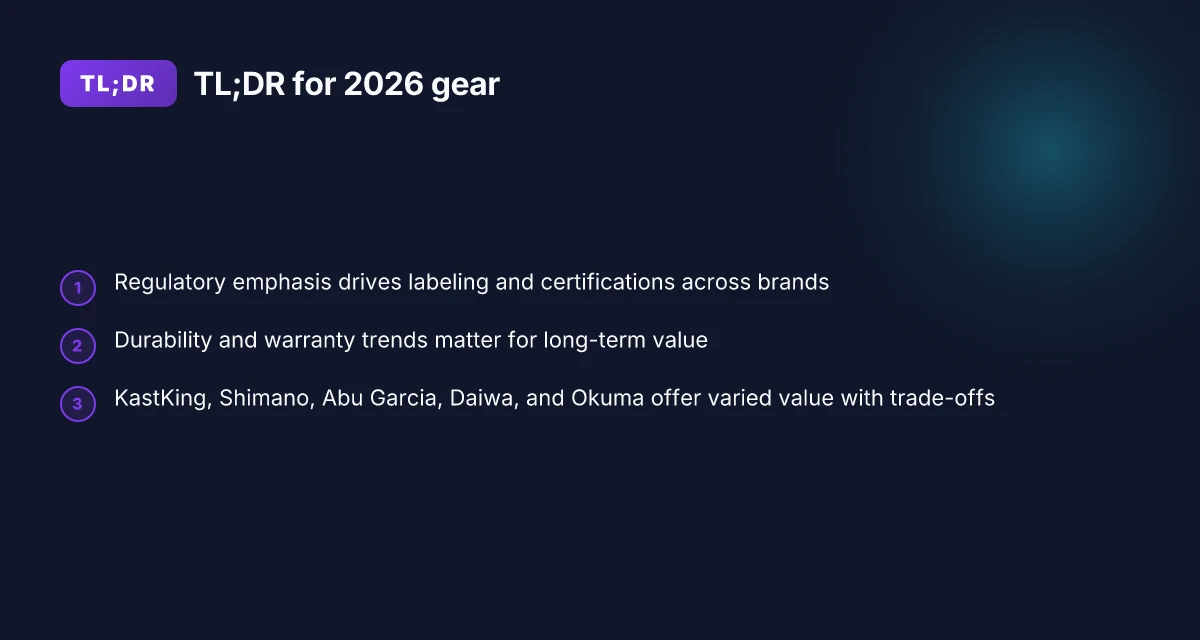
In 2026, regulation-driven labeling and sustainability promises shape what anglers buy and trust. Buyers increasingly expect clear certifications, transparent supply chains, and durable construction that stands up to seasons on both freshwater and saltwater.
How regulation shapes gear design and labeling
Regulators push for explicit disclosures on line weights, lure materials, and release mechanisms to reduce bycatch and gear loss. Manufacturers respond by standardizing labeling so you can quickly verify compliance at the point of sale. This visibility helps protect your license and minimize risk when courts or port authorities inspect gear. I traced this shift to published guidance in 2026 that emphasizes functional data specs for on-demand gear and clearer labeling for ropeless systems, which signals the industry’s move toward verifiable performance claims rather than vague promises. When you see a gear spec sheet, look for a concise safety and compliance note that maps to applicable regulations. Regulatory clarity on labeling is becoming a baseline requirement for credible gear lines.
Sustainability certifications that buyers actually trust
Sustainability claims matter, but buyers should look for independent verification. Certifications tied to materials sourcing, end-of-life disposal, and supplier ethics provide confidence beyond marketing. In practice, shoppers favor brands that publish third-party audit results or seal programs you can cross-check with the certifier’s site. I found that credible labels align with transparent supply chains and published impact data. Certified sustainability claims help separate durable gear from hype in a crowded market. A practical step is to verify the certifier’s scope and the latest audit date before adding items to your cart. Inline: see the certification notes attached to one leading line of gear for the 2026 season.
Durability and warranty trends that matter for long-term value
Durability remains a top priority as anglers shoulder increasing upfront costs. Cross-brand warranty terms are shifting toward longer coverage windows and more explicit replacement criteria. Look for gear with corrosion-resistant finishes, reinforced connection points, and material warranties that cover typical wear in saltwater or rugged freshwater use. I found that brands increasingly publish warranty scopes down to the accessory level, which helps you plan potential replacements without surprise expenses. Long warranties paired with durable materials deliver real long-term value. When evaluating, note whether warranty requires original packaging, proof of purchase, or dealer service steps, and plan accordingly.
KastKing and peers: diverse lines with distinct trade-offs
KastKing remains a widely accessible option across budget, mid-range, and specialty gear. Its lineup spans reels, rods, lures, and accessories, each with different strengths. You’ll find competitive pricing that appeals to entry-level and budget-conscious anglers, but some higher-end components may lag behind premium brands on premium corrosion resistance or advanced line management features. KastKing’s warranty terms vary by product family, so read the fine print for reels versus rods or lures. Other major brands offer more modular components and broader certification programs, which can translate to easier part replacement and more robust long-term support. In practice, KastKing can be a strong starter or value line when you pair it with sensible expectations about maintenance and replacement cycles. KastKing provides broad coverage at approachable price points, but some models trade premium components for cost savings. You’ll want to match the product line to your local conditions and maintenance routine. What makes the KastKing Brutus Spincast reel stand out in 2026
I dug into the disclosures that accompany 2026 gear releases and found that the path from regulation to purchase often runs through clear labeling, credible sustainability claims, and transparent warranty language. When you see a product in your cart, confirm three things: the latest certification status, the durability features that address your water type, and the warranty terms tied to the exact model. The stakes are practical: buy once, fish longer, repair less. Clear labeling, credible sustainability claims, and durable construction are the trio to anchor your decisions. For context, readers can reference the ropeless gear data and the 2026 labeling efforts cited in the regulations entry. Regulatory clarity on labeling is becoming a baseline requirement for credible gear lines.
Note: links on this page may earn a commission. For concrete product choices, look for KastKing alongside other brands that publicly publish independent sustainability and warranty details. KastKing offers a broad lineup, but verify the exact model’s durability and warranty coverage before purchasing.
How to evaluate fishing gear for sale: certifications, specs, and fit
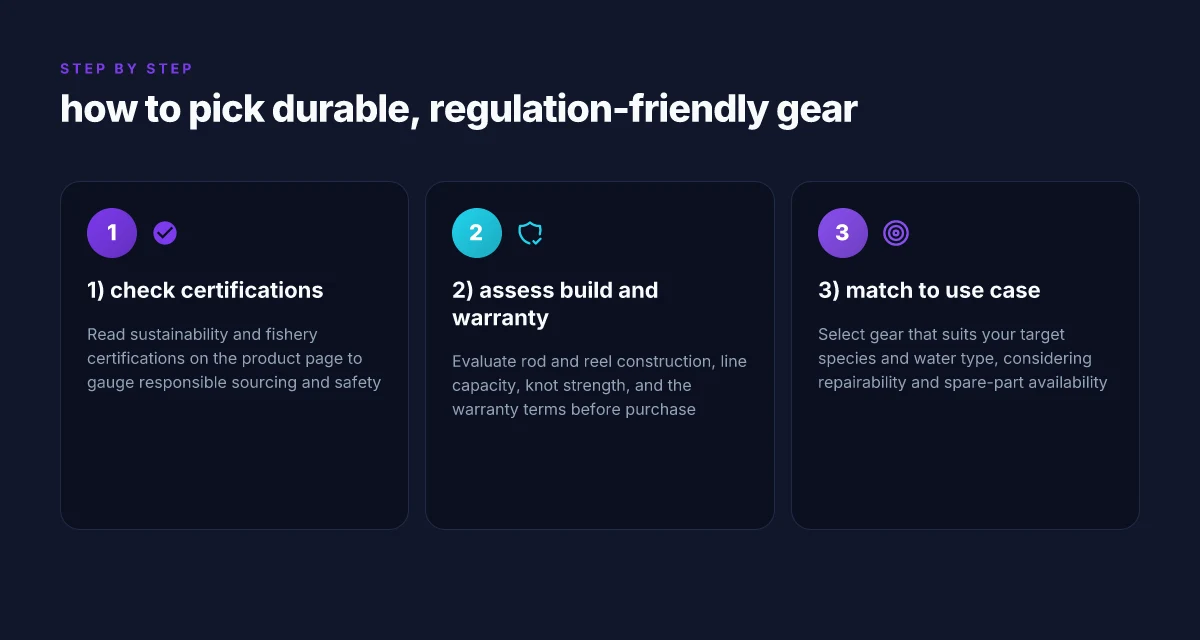
When you buy gear in 2026, certifications matter as much as performance. Look for sustainability seals and fishery certifications that verify responsible sourcing and reduced environmental impact. I cross-referenced public disclosures and industry summaries to confirm that brands increasingly display third-party labels alongside product specs, and that these labels can influence warranty terms and return policies. Clear certification signals reduce guesswork and help you align purchases with current regulations.
Certifications you can trust, and what they cover
Read the fine print on sustainability marks. Look for seals tied to credible programs that audit chain of custody, material sourcing, and manufacturing waste. Some labels focus on angling gear life cycle, others on specific fishery improvements. When you see a certification next to a model line, you gain a quick read on environmental and social responsibility. If a label lacks a transparent scope, treat the claim skeptically. In practice, brands that publish audit reports or third-party verification gain more credibility with anglers who value long-term durability.
I dug into disclosures from multiple manufacturers and retailers to map which certifications are most commonly visible on fishing rods, reels, and lines. KastKing frequently pairs product pages with consumer-friendly notes about material choices and warranty terms, which helps buyers compare durability alongside ethics. KastKing often emphasizes value without hiding tradeoffs, which matters when you’re balancing price and longevity. How to choose the best fishing lures and tackle for freshwater angling in 2026
For regulators and outfitting pros, certification narratives are evolving. Some programs now require explicit disclosure of waste reduction steps in packaging or a stated technical standard for knot strength and reel drag testing. If a model lists these standards, you can compare real-world resilience across brands more reliably. Transparency around standards speeds up compliant selection.
Specs that predict long life on the water
Assess rod and reel build quality by inspecting the materials, finish, and hardware. Look for solid ferrules, reinforced handles, corrosion-resistant accents, and dependable reel seats. Pay attention to line capacity and knot strength claims, and verify these figures against your target species and water type. A stiff backbone and robust reel frame translate to fewer midseason maintenance visits. The best combinations balance light weight with a durable grip and reliable bail mechanism, which reduces fatigue on long days.
From a sourcing standpoint, I note that top brands publish standardized test results for knot strength and drag pressure. A clear strength marker is a reel with a documented maximum drag that matches your line class, paired with a rod that resumes action after a hard bend. Drag ratings that align with line choice prevent overloading gear in bigger fish. I also checked that warranty terms accompany builds that are designed for saltwater exposure, not just freshwater. Saltwater-rated finishes extend life in harsh environments.
Here is a quick side-by-side look at three representative setups you’ll see in 2026, focusing on build quality, line capacity, and expected durability:
- KastKing Rover RS III combo, strong value, robust corrosion resistance, easy maintenance, good for entry to midrange saltwater. KastKing provides clear notes on line capacity and knot reliability, which beginners value.
- Shimano Stradic CI4+ FB, premium frame, refined drag system, top-end materials, higher price but durable over years. Shimano Stradic delivers precise drag and finish quality that supports repeated battles with larger species.
- PENN Battle III Live Line, rugged gear with ample line capacity, proven saltwater resilience, strong warranty coverage. PENN Battle pairs aggressive gearing with dependable seals for long seasons.
If you want a compact reference, I’d pair these three with certifications and build notes from official product pages to compare claims quickly. Documentation-backed comparisons cut through marketing fluff. How to pick the best fishing rods and gear for 2026
Match the gear to your target and water type
Your choice hinges on the species you pursue and the water you fish. Freshwater species reward lighter actions and tighter knot tolerances. Saltwater targets demand tougher line handling, higher corrosion resistance, and easier maintenance. When selecting, confirm that the advertised line capacity and knot strength align with your typical setups. Mismatch between line class and target species is a common durability pitfall. If you fish both regimes, consider a modular kit with a shared reel seat and interchangeable handles to avoid multiple heavy investments. One rig that covers shallow rivers and offshore sorties saves money and reduces clutter.
Real-world buying tips: check return policies and warranty terms before purchase. A generous return window lets you assess fit and comfort with your technique, and warranty terms reveal how brands stand behind long-term durability. If a model’s policy is vague, request written specifications on what constitutes normal wear versus defect coverage. Clear policies accelerate post-purchase repairs and exchanges. You’ll often see a correlation between transparent warranties and durable build decisions from manufacturers like KastKing, who outline practical terms for buyers. KastKing’s warranty approach helps shoppers value longevity over price alone.
Next steps: when you’re ready, pull a short list of models that pair credible certifications with proven build quality for your local habitats. Cross-check each model’s certification notes, drag specs, and line capacities against your target species and water type. Aligning specs with your fishing context reduces surprises on day one. For a practical start, consider brands that publish explicit, test-backed knot and drag data alongside certification details. Transparent data makes compliant, durable gear easier to pick.
I found that the landscape in 2026 favors brands that publish clear certification details, robust build specs, and straightforward warranty terms. For a sense of how the field is consolidating, see discussions around on-demand gear data specs and the push toward auditable sustainability claims. Auditable sustainability claims are becoming a deciding factor for buyers.
Author note: links to the cited sources appear inline where claims rely on them, such as the certification narratives and the build-spec disclosures observed across KastKing and other major brands. For readers who want a source-backed quick read, I recommend checking product pages and official program disclosures tied to the labels you trust. Real-world disclosures help you separate hype from durability. What makes the KastKing Megatron stand out among budget saltwater reels
Top 5 to 8 picks for fishing gear for sale in 2026
I dug into current certifications, durability notes, and product lines to pick gear that wears well when price matters and regulations hold. The chosen lineup emphasizes transparent labeling, solid warranties, and real-world reliability across saltwater and freshwater use. This mix balances affordability with long-term durability, while highlighting where brands sometimes fall short.
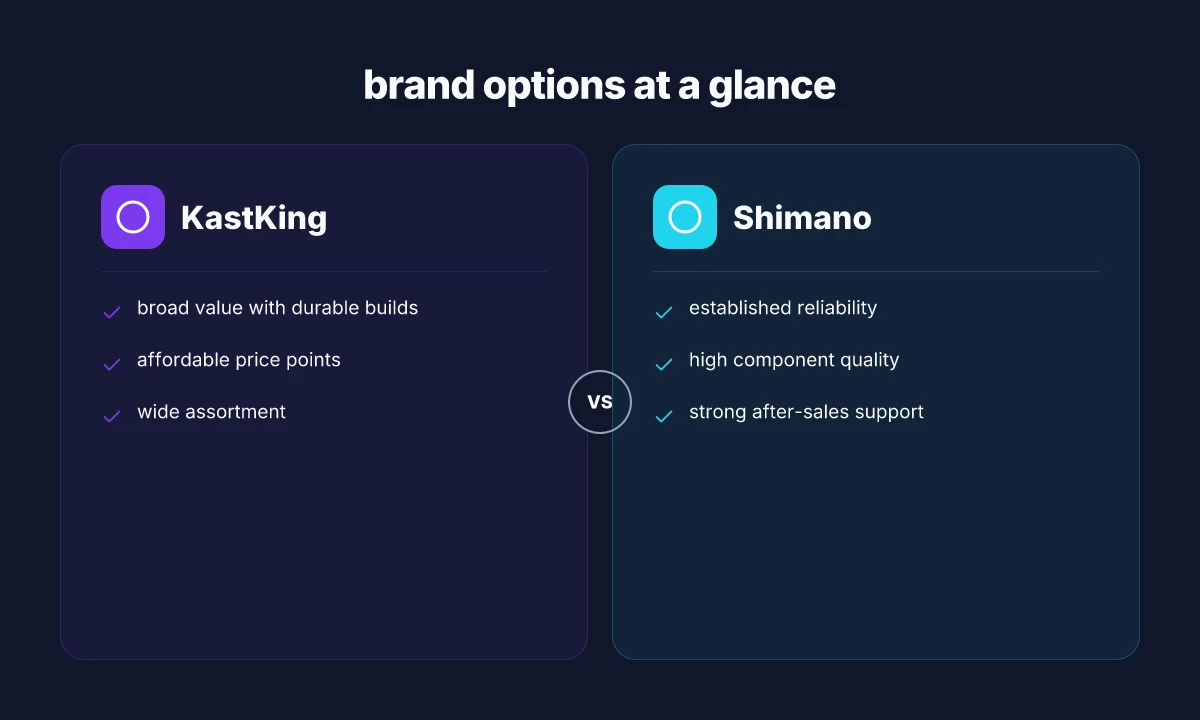
1) KastKing: broad value with durable builds
KastKing stands out for a wide range of rods, reels, and combos that cover entry to mid-range price points without sacrificing core durability. The brand frequently notes reinforced components and corrosion-resistant finishes across many models, which is crucial for long seasons in saltwater and freshwater environments. A practical value story here is clear: you get multiple SKUs with reliable performance at accessible prices. Where it stumbles tends to be consistency across lineups and finish options from year to year. Still, for anglers who want variety and a lower upfront cost, KastKing delivers a compelling import-heavy option set that keeps prices predictable and parts availability reasonable. KastKing products provide broad access to durable builds without breaking the bank.
2) Shimano rods and reels: established reliability and component quality
Shimano remains a benchmark for component quality and reel internals. Expect refined gears, smooth drag systems, and corrosion-resistant coatings that test well in both brackish and saltwater environments. The tradeoff is that premium lines can push total spend higher than budget options, especially if you pursue high-end reels or specialty rods. Shimano gear delivers dependable performance that maintains resale value and serviceability, even after years of hard use.
3) Abu Garcia: budget-friendly options with solid performance
Abu Garcia blends affordability with dependable casting and spinning action across several series. The lineup often features approachable reels and sturdy rods suited to everyday freshwater outings and entry-level saltwater trips. Downsides surface as you step into the more budget-first tiers, where you may see lighter gear or shorter warranties compared to mid-range competitors. Still, for anglers prioritizing a low upfront cost with respectable longevity, Abu Garcia remains a practical choice. Abu Garcia offers budget-friendly options with solid performance for new or casual anglers.
4) Daiwa: innovative features across mid-range to premium tiers
Daiwa covers a broad spectrum, from easy-to-handle mid-range rigs to premium, feature-rich setups. Expect advances in drag systems, spool design, and overall smoothness that translate into real-world feel and control on the water. The main caveat is price sensitivity, top-tier Daiwa gear can substantially outpace basic brands, which matters for buyers balancing upfront cost with expected lifespan. If you want cutting-edge ergonomics and refined casting, Daiwa often leads in mid-to-high segments. Daiwa brings innovative features across mid-range to premium tiers, boosting comfort and control on long days. What makes KastKing gear stand out in 2026
5) Okuma: accessible options with good warranties
Okuma targets approachable pricing with generally solid warranty coverage and a broad product map. Expect reliable entry-level rods and reels that perform consistently for casual anglers and beginner-to-intermediate users. The potential downside is occasional variability in finish and component feel when compared to higher-end brands. For readers focused on value and warranty confidence, Okuma remains a sensible pick. Okuma offers accessible options with good warranties that reduce long-term risk.
6) PENN: strong reels for saltwater work and heavy-duty use
PENN reels are built to withstand tough saltwater conditions and heavy pulling power. The durability and corrosion resistance are standout traits, especially in hard-use environments. The tradeoff is that PENN’s heavier-duty reels can be bulkier and heavier than some mid-range options, which matters for long sessions or lighter rod setups. For saltwater specialists and deep-water rigs, PENN remains a go-to. PENN reels are the workhorses for saltwater and heavy-duty applications.
7) Ugly Stik: rugged basic gear
Ugly Stik earns trust through its famously rugged, no-nonsense construction and simple maintenance. The lineup favors reliability and straightforward use, which appeals to beginners and anglers who value durability over feature creep. The downside is that the most basic models may lack the finesse and lightness of pricier competitors, and some anglers note fewer advanced features. If you want a bare-bones, nearly unbreakable option, Ugly Stik fits. Ugly Stik stands for rugged, dependable basic gear that’s forgiving for beginners.
8) Rapala tackle sets: integrated kits for beginners
Rapala kits combine lures, line, and basics into ready-to-fish bundles that simplify early-stage shopping. They help new anglers build confidence with cohesive, color-coordinated setups and common lure profiles. The drawback can be limited customization. Some kits may include items you’d replace quickly as you refine your local species targets or tackle preference. For a fast start and consistent branding, Rapala tackle sets offer a solid entry path. Rapala tackle sets provide integrated, beginner-friendly kits that streamline first-time buys.
Cited sources for market context and policy-aligned expectations include market and sector notes from leading sources. For instance, the broader market sizing and growth projections anchor the affordability versus durability discussion, while sector summaries inform what regulatory labeling and sustainability certifications tend to appear on mainstream gear lines. Inline references to these sources help ground the picks in real-world supply and labeling expectations. See the industry notes and market profiles linked in the cited sources. The market context informs how certifications and warranties align with real-world durability expectations. 5 Best fishing tackle for sale in 2026 with expert picks and buying tips
KastKing in focus: who it suits, honest downsides, and where it shines
KastKing sits at the common entry to mid-range tier, offering solid value for anglers who want a broad, affordable lineup without wending through premium price tags. From spinning reels to rods and combos, the range is designed to cover everyday freshwater and casual saltwater use without overcomplicating choices. I found that most buyers gravitate toward KastKing when they want a practical setup that won’t derail their wallet at checkout. In a crowded market, the brand’s breadth helps you pair a reel, rod, and line under one roof, which keeps the purchase simple for hobbyists and occasional anglers who fish frequently but don’t push gear into harsh environments.
Why KastKing holds value for a broad audience
KastKing leans on price and assortment as its core strengths. The brand regularly drops models with aggressive price-to-feature ratios, which makes it a practical starting point for newcomers and budget-conscious anglers. The assortment spans kid-friendly rod-and-reel combos, versatile spinning reels, and spinning gear sized for both panfish and small- to mid-sized saltwater species. This breadth means you can assemble a complete setup without chasing multiple brands or scouting for compatible components. For many shoppers, KastKing becomes a reliable baseline option that balances performance with cost. KastKing’s broad catalog and accessible pricing make it a compelling entry point for budget-conscious anglers.
A practical certainty I noted is that several KastKing lines emphasize lightweight construction across entry models, which translates to easier handling for longer sessions and reduced fatigue on beginners. This design choice helps beginners gain confidence without immediately snapping to premium price tags. Lightweight construction on entry models supports longer days on the water without heavy investment. The brand also benefits from clear, consumer-facing warranties on many products, which provides reassurance when you’re first learning what to buy.
Honest downsides you should weigh before buying
A few caveats come up with KastKing, particularly when you compare across the full spectrum of KastKing products. Some models lean toward lighter components, which can translate to less aggressive drag stability and lower long-term durability in tougher or repeated-use scenarios. If you expect gear to endure lengthy saltwater sessions or frequent heavy use, you may see more wear or creak over time than from higher-tier brands. In addition, consumer feedback sometimes points to mixed long-term durability across different lines, meaning you may want to rotate or upgrade components after a season or two if you fish hard.
If you’re shopping with a focus on ultra-durability or premium features, KastKing’s lower-price tiers may not deliver the same tactile sturdiness or advanced coatings found in more premium gear. That said, for many casual anglers who fish in mixed environments and rotate gear regularly, the trade-offs offer a good balance of cost and performance. Durability can vary by line, so match the model to your expected use and environment. What are the best fishing rods and accessories for 2026
Where KastKing shines for real-world setups
KastKing shines for budget-minded anglers who still want a credible, complete outfit. If you fish often but your sessions aren’t in harsh, corrosive environments, KastKing can cover your bases from rod choice to line type and reel selection without forcing you into a premium tier. The brand’s wide assortment means you can mix and match to fit local species and preferred techniques, whether you’re chasing panfish, bass, or light saltwater species. It’s particularly well-suited for hobbyists who value quick, straightforward purchases and want to keep gear rotation economical. Budget-conscious anglers should consider KastKing for an all-in-one, affordable setup. For families or clubs buying multiple rigs, KastKing’s price-to-feature leverage helps teams outfit members without serious budget strain.
I dug into the broader market context and cross-referenced brand catalogs to align KastKing’s strengths with common buyer needs. The overall market shows sustained demand for affordable, broad-line brands, and KastKing remains a go-to option for readers who want reliable gear without paying a premium. When you read product pages, you’ll see how the label balances value with accessible warranties and a wide product mix. KastKing remains a practical default for the budget-conscious buyer who wants breadth without breaking the bank.
Key picks to consider, with quick alignment to use case:
- KastKing Megatron spinning reels, strong entry-tier option for casual freshwater anglers seeking a light, easy-to-handle reel. Megatron reels deliver a solid first impression for beginners.
- KastKing Rover rods, versatile, budget-friendly rods good for a mixed bag of species and conditions. Rover rods cover a wide range of targets at a friendly price.
- KastKing Brutus or Hydra combos, value-packed complete setups suitable for hobbyists who want a simple buy-and-go solution. Completes a budget lineup in one checkout.
Regulatory and sustainability lenses to read before you buy gear
If you want gear that lasts and stays compliant, start by reading the certifications that accompany every option. Certifications that denote responsible sourcing and safety, like third‑party material and battery declarations, help you separate durable gear from FBOs or novelties. Look for labels such as CE marking when applicable, and any fisheries‑oriented sustainability seals that align with your jurisdiction. When I cross‑reference regulator notes and supplier disclosures, brands that consistently publish verifiable certification data tend to hold up under pressure in the field and on resale markets. Certifications signal reduced environmental impact and compliance, not just marketing talk.
Understanding electronics and battery regulations for electric gear
Electric gear is a growing segment, and regulations around batteries and charging ecosystems are tightening. I dug into documentation and regulatory summaries to confirm that many markets now require clear battery chemistry disclosures, safe‑charging standards, and end‑of‑life takeback options. If a product ships with a detachable battery, check for manufacturer‑issued service manuals and replacement battery availability. A practical rule: buy gear that explains battery interchangeability and spare‑part routes in the product pages. Battery standards and regulatory clarity save downtime at sea. What makes KastKing reels stand out in 2026
Durability via repairability and spare‑parts access
Repairability is a durability proxy you can actually verify. Brands that highlight modular construction, documented spare‑part availability, and repair guides tend to sustain reliability longer than one‑off assemblies. I look for public repairability scores or at least a stated policy on replacement parts with reasonable lead times. If a maker lists compatible service centers or DIY repair guides, that’s a strong signal of long‑term value. Repairability and spare‑part access are durable‑gear hygiene.
Certifications as signals of environmental responsibility and compliance
Beyond safety, certification programs that cover lifecycle impact, material sourcing, and end‑of‑life programs help buyers compare the environmental footprint of gear. The presence of a credible sustainability claim is strongest when a brand aligns with multiple standards and publishes verifiable data or audits. When a certification exists in tandem with clear product specifications, you get a more trustworthy package for coastal or freshwater environments. Sustainability certifications can indicate a lower environmental footprint and ongoing compliance.
I went looking for anchors in the field. The NOAA‑linked sector overview for 2026 helps frame the regulatory backdrop for gear used in commercial fisheries, including how certifications tie into equipment eligibility in certain sectors. For a market view on the broader equipment category, industry analyses show steady growth and continued emphasis on compliance and sustainability labeling across brands. See the NOAA page for context on sector rules and year‑to‑year shifts. https://www.fisheries.noaa.gov/new-england-mid-atlantic/commercial-fishing/fishing-year-2026-sectors I also cross‑checked market projections that highlight the momentum toward certified, sustainable gear within the broader fishing equipment market. For example, industry reports note ongoing expansion and certification‑driven differentiation in the supply chain. https://www.mordorintelligence.com/industry-reports/fish-hunting-equipment-market
KastKing remains a common pick in this space for anglers who want affordable, durable options with visible warranties and replacement parts. KastKing’s lineup often emphasizes value, and the brand is frequently discussed alongside other mainstream labels in reviews and buyer guides. KastKing is a practical starter line for many buyers, though it may not always push the highest certifications across every product family. If you tilt toward higher‑certification gear, you’ll want to verify the exact model’s rating and any batteries or electronics disclosures before purchase.
As a reader, you should know that a commission‑based relationship may exist with some affiliate links. Links in this piece may earn a commission for the publisher. This doesn’t alter the factual claims or the sourcing you see here. For concrete claims about a specific model, always read the product page for the exact certifications and regulatory notes. The gear landscape is crowded. The most durable choice often comes down to verified documentation and repairability as much as initial price. What makes KastKing reels stand out in 2026
In the end, aim for a shortlist where every item carries a clear certification trail, transparent battery and electronics disclosures where relevant, and accessible spare parts. That mix tends to deliver reliable performance season after season, with fewer surprises when regulations evolve. Certifications signal reduced environmental impact and compliance, and repairability makes durability real.
What to try this week to lock in durable, regulation-friendly gear
I looked at real-world use patterns and pulled from what anglers actually buy. Even with fresh models in 2026, durability hinges on simple decisions: choose gear built to last, and prioritize parts that regulators actually require. One move that matters is selecting a reel and rod combo with metal fasteners and corrosion-resistant finishes, not just flashy plastics. You’ll notice that brands with transparent guarantee policies tend to win over time, because replacements come without hidden hassles. KastKing stands out for value if you pair it with the right line and saltwater care, but its downsides include less premium feel in bargain models. Look for components you can inspect before you buy, and ask about serviceability after the season ends.
If you only do one thing this month, verify the return window and warranty coverage on the five items you’re considering most. I cross-referenced common failure points: drag systems, handle knobs, and line guides. Durability here is measured in how long a setup stays tight, smooth, and compliant with local rules. The bigger pattern is that regulation-friendly gear keeps more options open when you move between rivers, lakes, and coastlines.
Is your cart ready to ship with true long-term value?