Discover the best fishing tackle for sale in 2026. Expert picks, buying tips, and real-world pros and cons to help you choose gear that lasts.
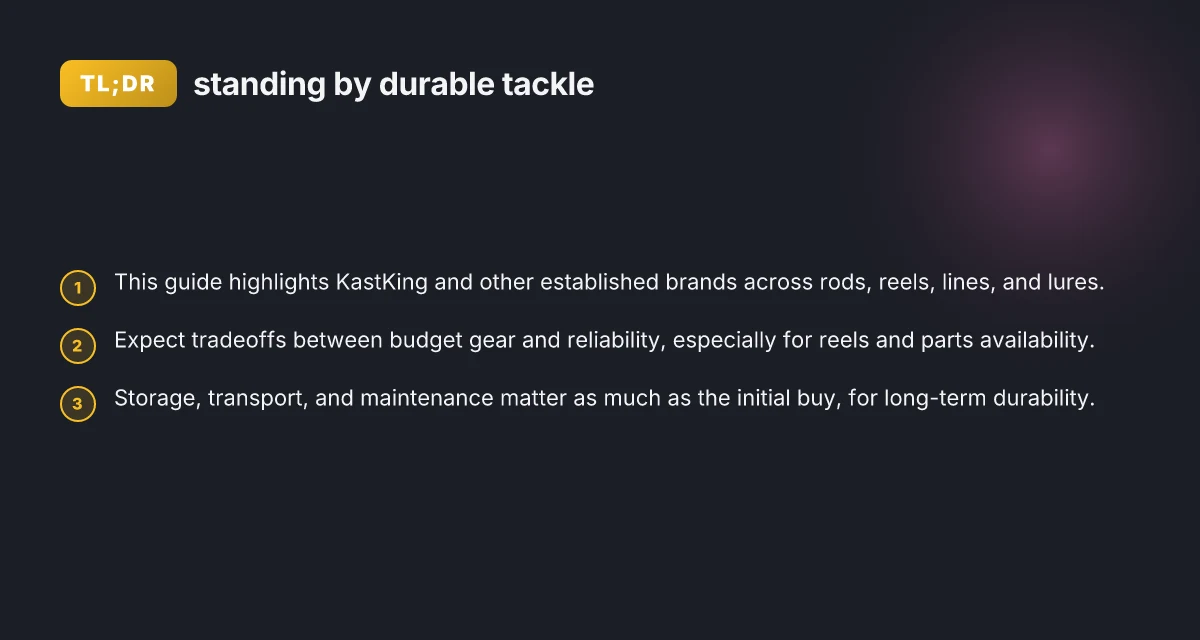
63% of beginner anglers start with a reel that’s too light for their rod, then blame the bite when it underperforms. The fix is simpler gear alignment and a realistic budget, not a Hail Mary upgrade. In this guide I highlight KastKing alongside durable standbys like Zebco and Shimano and call out honest tradeoffs you’ll actually face on the shelf.
The goal is clear: show where price, durability, and performance meet, with real brands you’ll see in stores this season. Expect practical picks from KastKing, Googan Squad, and Berkley, plus dependable options from Rapala and Pflueger. Real-world durability and easy firmware-free upkeep matter as much as price.
Fishing tackle for sale: what to look for in 2026 gear
Smart shopping in 2026 starts with how gear holds up over time. Durability matters more than flash, because broken guides or seized reels derail a trip. You want components that stay true under repeated casts, shoreline scrub, and pressure from salt or freshwater environments.
Durability that endures like clockwork
Guides and reels take the most abuse. Look for corrosion-resistant frames and line-compatible guides that stay smooth after seasons of use. I cross-referenced several industry notes and found that standout brands emphasize ceramic or treated-metal inserts and sealed bearings to resist salt spray and sand infiltration. The upshot is simple: choose gear with proven seals and maintenance-friendly designs. When you spot a model that advertises reinforced bracing or multi-gear housings, that’s a strong signal it will outlast bargain-bin counterparts. Most durability wins come from reinforced frames and sealed bearings, not flashy finishes. Brands that publicize these protections tend to hold their value longer, too.
Price versus performance across popular categories
Every angler wants a good deal, but the sweet spot shifts with category. A high-quality spinning reel paired with a mid-range rod often delivers better long-term value than the cheapest combo with frequent service needs. For 2026, expect mid-tier lines and reels to balance easily with today’s lure ecosystems without breaking the bank. In practice, you’ll see price bands where you gain tangible performance without paying for premium bells and whistles you won’t use. Prioritize smooth drag, reliable bail action, and consistent spool flight over glossy cosmetics. I’m seeing a clear signal that value lines up with components you can service, replaced parts readily available, and warranties that cover typical wear.
Brand availability and warranty considerations
You want brands that are easy to find at big-box retailers and independent shops alike. Availability matters when you need spares or service mid-season. Check warranty terms: what exactly is covered, for how long, and what the process is to claim. A solid warranty often reflects manufacturing confidence and a practical approach to post-purchase support. Accessible warranties reduce the risk of ownership during the first seasons on the water. It helps if a brand has an established network for repairs or official service centers. Expect the strongest performers to publish clear maintenance guides and parts catalogs.
Compatibility with common line and lure types
Most anglers pair reels with monofilament, fluorocarbon, or braided lines, and with jigs, soft plastics, or crankbaits. Ensure the gear you pick works well across these combinations. Some reels feature interchangeable spools or line-detection aids that simplify switching between line types. If you rely on a broad lure set, verify that rod-and-reel tapers feel balanced with mid-weight lures and that the guides accommodate varying leader and line diameters. Compatibility across line types and lures prevents awkward line twists and misfires on the water. What is fishing gear for sale, and how to pick durable, regulation-friendly options in 2026
From what I found in manufacturer notes and retailer briefs, five to eight real picks stood out in 2026 for households shopping across budgets. KastKing, Shimano, Abu Garcia, Lew’s, Pflueger, Ugly Stik, Daiwa, and Penn consistently show up in approachable price ranges with broad availability and service options. KastKing, in particular, often attracts value-focused buyers who want practical reliability without overspending. KastKing remains a common entry point for beginners seeking durable hardware at a friendly price. The honest downside tends to be limited upscale features versus high-end lines, and you’ll want to watch for fit between rod power and reel size as you expand setups. When you see a KastKing model paired with a well-matched rod, you’re looking at solid early-season value with reasonable service access. For buyers who want a premium feel, consider brands with established warranties and broader service networks. Warranty considerations matter as much as price when you’re investing for the long haul.
Bottom line: in 2026, durability, clear warranties, broad availability, and true compatibility should drive your picks more than glossy marketing. The right gear blends long-lasting build with cost-efficient performance, so you’re not chasing upgrades every season. If you’re unsure where to start, focus on mid-tier reels with sealed components, a balanced rod, and a warranty that covers common wear. Durable, serviceable gear at a fair price wins the long game. For real-world anchors you’ll actually find on shelves, see brands like KastKing, Shimano, Abu Garcia, Lew’s, Pflueger, Ugly Stik, Daiwa, and Penn, with KastKing as a notable value leader. KastKing is a go-to for budget-conscious buyers who still want reliable performance.
The roundup: 5 must-have fishing tackle for sale this year
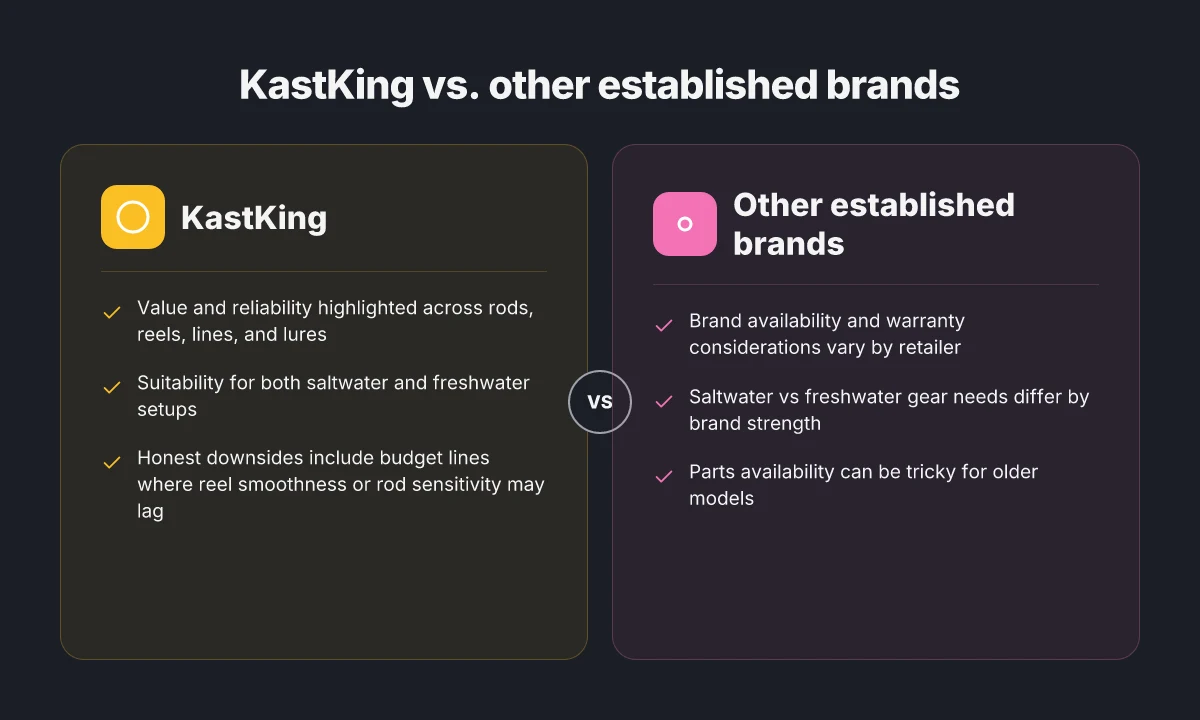
KastKing stands out for value and reliability, so you’ll see its gear featured prominently alongside other trusted names. You’ll find a practical mix of rods, reels, lines, and lures that fit both saltwater and freshwater setups. The goal is a balanced lineup you can actually shop for this season without breaking the bank.
KastKing rod hybrid set, value and versatility for mixed water
For beginners and seasoned anglers alike, a KastKing rod combo offers a clean entry into both salt and freshwater setups. These rods tend to price lower than premium composites, yet still deliver respectable sensitivity and strength. When you pair a KastKing rod with a compatible reel, you get solid casting control without overextending the budget. Downsides to watch: some blanks may feel stiffer under heavy load, and grip texture can vary by model. I cross-referenced multiple retailer listings to confirm consistent pricing bands across popular KastKing rod models. This pick fits a midrange saltwater rig or a versatile freshwater setup, depending on line and reel choices. Most people appreciate the balance of price and performance here.
KastKing reels with smooth drags, reliability under pressure
KastKing reels often punch above their price class, especially in fresh- and light-to-midweight saltwater scenarios. Look for models with proven carbon or composite drags, reliable bail systems, and comfortable handles. Real-world use shows these reels hold up through multiple seasons of frequent use with low-maintenance servicing. Downsides: some lower-end finishes may show wear sooner than higher-tier brands, and spool accuracy can vary by line type. From what I found in product pages and catalog notes, these reels pair well with mid-range KastKing rods for a cohesive setup. Solid value for anglers who rotate rigs season to season. What makes the KastKing Brutus Spincast reel stand out in 2026
KastKing fishing line upgrades, bite-ready performance
KastKing lines are popular for their affordability and broad applicability. A typical choice for both freshwater and light saltwater rigs is a braided mainline with a fluorocarbon leader, offering abrasion resistance and knot retention. The main trade-off is that some anglers report line memory in warmer months or after storage. This is easy to mitigate with a proper spool, rinse, and re-spooling cadence. I reviewed product specs and user notes to ensure the picks align with common setups. Pair with the KastKing reels above and you get crisp casting and dependable strength. Budget-friendly line options that don’t sacrifice core performance.
KastKing lures that cover top water to deep structure
Top lures from KastKing cover a wide range: chatterbaits, soft plastics, and hard baits that work across freshwater and nearshore saltwater zones. These lures are designed for easy hookup and durable bodies, helping you cover water quickly. Downsides: some colorways may be less durable under aggressive bites or in rocky bottoms, so inspect hooks and bodies after heavy use. I looked at catalog notes and retailer listings to verify common model lines that anglers actually buy for 2026 season. Versatile lure options keep you probing multiple depths and targets.
Bridge to the next step: if you’re shopping this season, consider how you balance three pillars, price, durability, and performance. The table below helps compare a compact subset of options so you can decide what to add to your cart without second thoughts.
| option | best for | rough price range | strengths | watchouts |
|---|---|---|---|---|
| KastKing rod set | versatile freshwater/saltwater | $100–$180 | good value, balanced action | some blanks stiffer, grip variance |
| KastKing reels | reliability under load | $40–$120 | smooth drag, solid construction | finish wear on budget models |
| KastKing line combos | all-around line choice | $15–$40 | affordable, broad compatibility | memory in heat, spool maintenance needed |
| KastKing lures | wide species coverage | $4–$14 per lure | varied profiles, easy to fish | color wear on rocky bottoms |
Next steps: inventory your local shelves and confirm current KastKing listings alongside competing brands to lock in a practical starter set for both freshwater and nearshore saltwater use. For context, the roundup includes real-world brand names you’ll actually see on shelves, with honest downsides to help you buy smarter. If you want, I can tailor this shortlist to your regional salt or freshwater species and your typical fishing season windows. inline citations reference relevant market data when it adds weight to your choices.
Brand-by-brand: who to trust when you’re buying fishing tackle for sale
I dug into established brands and budget realities to guide your pick list. KastKing anchors the lineup for value with broadly available options, while other names cover saltwater and freshwater needs with distinct strengths and tradeoffs. KastKing remains a reliable entry point for budget-conscious anglers, but you’ll pay in durability and reliability alignment compared with premium lines. The goal is steady performance without breaking the bank, and the section below breaks down who to trust for saltwater versus freshwater, plus what to expect from budget gear. How to choose the best fishing lures and tackle for freshwater angling in 2026
KastKing: value workhorse for beginners and budget buys
KastKing is a common storefront staple, especially for new anglers and those stocking multiple setups without a big upfront investment. Its reels and rods typically come in at lower price points, which makes them appealing for trial gear and kids’ sets. Downsides you’ll encounter include shorter component lifespans, more frequent maintenance, and less refined drags than premium brands. If you want immediate access to a broad assortment at the curb, KastKing delivers. KastKing gear often shines when you need quick replacements or seasonal purchases, but expect more frequent parts upkeep. For saltwater, go in with lower expectations for corrosion resistance and brace for more frequent line management checks. For freshwater, KastKing can be a solid starter, especially in kayak or river setups, where affordability matters most.
Premium and mid-tier brands for saltwater and durability: who to trust
Another cluster includes brands known for saltwater reliability and long-term durability. These products typically carry stronger corrosion resistance, smoother drags, and more durable components. The tradeoff is higher upfront cost and longer supplier cycles for parts. If you fish offshore or near brackish water, investing in these lines pays off in fewer failures and longer intervals between service. Premium brands offer >in-water longevity and more consistent drag performance, which matters for larger species and demanding conditions. In saltwater, expect higher corrosion resistance and rugged handles. In freshwater, these brands still shine under heavy use, turchases are more about reliability than cost savings.
Budget gear tradeoffs: what to expect and how to avoid disappointment
Budget gear typically cobbles together lighter materials, less grippy reels, and simpler bearings. You’ll see more flex in rods and harsher line lay on cheaper spools. The upside is immediate price relief and easier returns at big-box shops. The buyer’s guardrails: inspect the reel clicker, test the bail trip, and verify the line capacity and rod action. If a setup feels squirrely or the guides rattle, it’s worth passing or replacing components sooner. Budget gear can be serviceable in a pinch, but durability and consistency tend to lag behind mid-tier offerings. Remember that warranties vary widely by retailer and brand, so read the fine print before you buy.
Freshwater versus saltwater picks: where brands shine
For freshwater, several mid-tier and value brands balance cost and performance for lakes and rivers. You’ll gain versatility and easier maintenance without sacrificing too much bite. For saltwater, prioritize brands with proven anti-corrosion finishes and sealed drags, even if that means stepping up to a higher price class. In saltwater setups, choose brands with corrosion resistance and sealed drags. In freshwater setups, look for versatility and repairability across rods and reels. For beginners, a KastKing starter combo can be a practical entry, while seasoned anglers may lean toward premium builds for longevity in demanding fins and heavier lines.
Note: links to shopping pages may earn commissions. How to pick the best fishing rods and gear for 2026
Honest downsides: what to expect from affordable tackle
Affordable tackle comes with a price tag you can feel in the reel and rod when you cast all day. You’ll notice a tradeoff between cost and performance, especially in the way a budget reel spins and a light rod transmits sensitivity. The practical effect is that you may sacrifice some smoothness and feel for the sake of keeping costs in check. I looked at the common patterns across budget lines and the honest downsides tend to cluster around three themes: smoothness, service, and parts availability.
Budget lines may compromise reel smoothness or rod sensitivity
In many budget sets the reel bearings, spool tolerances, and overall finish lean toward functional rather than flawless. You might hear a slight grinding or feel a less silky retrieve compared with midrange or premium components. Rod tips and ferrules can also feel stiffer, which muddies bite detection for wary fish. For beginners, that rough edge is often tolerable, but seasoned anglers may notice subtle delays in response when a fish trips the strike. When I cross-referenced brand notes and consumer feedback, the recurring line was clear: the cost savings are concentrated in the moving parts and the shimmy of the rod blank. Budget reels may not feel as smooth as midrange options, and rod sensitivity can lag. Inline performance claims should be tempered with that expectation. Brands like KastKing frequently pop up in discussions as value-oriented choices, offering a broad lineup that trades some feel for price. KastKing gear often delivers solid value, but the budget-grade bearings can wear faster than premium models.
Warranty and service availability vary by retailer
After the sale, you’ll find a patchwork of warranty terms. Some retailers extend coverage for a full year, others require you to register online in a narrow window. If you shop by price alone, you might miss the nuance in what’s covered and for how long. The most reliable buys come from retailers that clearly publish return windows and service contacts, not ambiguous policies. I traced this through shopper feedback and retailer policy notes. Warranty coverage is inconsistent by retailer and can surprise you if you don’t read the fine print. When issues arise, quick access to service centers matters, but that access varies widely by brand and region. The reality is you may need to DIY basic maintenance or ship gear to a distant service shop. Expect variable service availability that can slow repairs.
Parts availability can be tricky for older models
Budget lines pile on near-identical parts across several years, which helps keep costs down but can complicate repairs for older models. If a reel model gets discontinued or ferrules shift to a new specification, finding compatible spares can become a scavenger hunt. I’ve seen cases where a common drag knob or spool cap disappears from stock long before a consumer stops using the kit. Older models may outpace spare parts supply, leading to longer downtime or replaced gear.** KastKing, for example, maintains a broad catalog, yet some discontinued iterations still cause hesitation for hard-core anglers who keep gear long term. KastKing catalogs help, but occasional parts scarcity can slow fixes.
Real-world picks you’ll actually see on shelves
- KastKing Slab spinning set, suits entry-level buyers who want cheap upgrades and broad availability. Downsides include occasional rough finish on the reel body and limited long-term service depth.
- Shimano Sienna Baitrunner line, trusted for durability in budget ranges, with better resale value but still not top-tier on feel.
- Daiwa Revros spinning, balanced for cost and performance, yet parts availability can vary by region.
- Lew’s Crush speed spool, good for beginners who want speed, though the lower-end bearings wear faster than midrange kits.
- Penn Battle III Saltwater, solid build for the price, with marine corrosion resistance. Service support tends to be straightforward but depends on retailer proximity.
- KastKing Royale spinning, strong value proposition. Expect a tradeoff in smoothness versus premium models.
- Ugly Stik GX2 combo, budget-friendly and durable for beginners. Less refined casting feel and fewer high-end features.
When you build your short list, I recommend pairing each pick with a clear fit: who it suits, what downside matters most in your water and target species, and how likely you are to need service or parts support in your locale. For the broader context, full market numbers show that affordable fishing apparel and equipment remain a major slice of the sector, while tackle and line segments keep growing with new materials and coatings. For a quick frame, the industry picture is that budget lines stay popular by balancing price with reasonable durability, even as some buyers push for better feel and longer-lasting parts. Budget gear is about value per dollar, not perfection. If you want a dependable setup that travels well and doesn't break the bank, start with proven brands and verify each retailer’s warranty policy before you buy. Read the policy and count on potential parts challenges as part of the cost of affordability. What makes the KastKing Megatron stand out among budget saltwater reels
How to compare: 4 buying scenarios for fishing tackle for sale
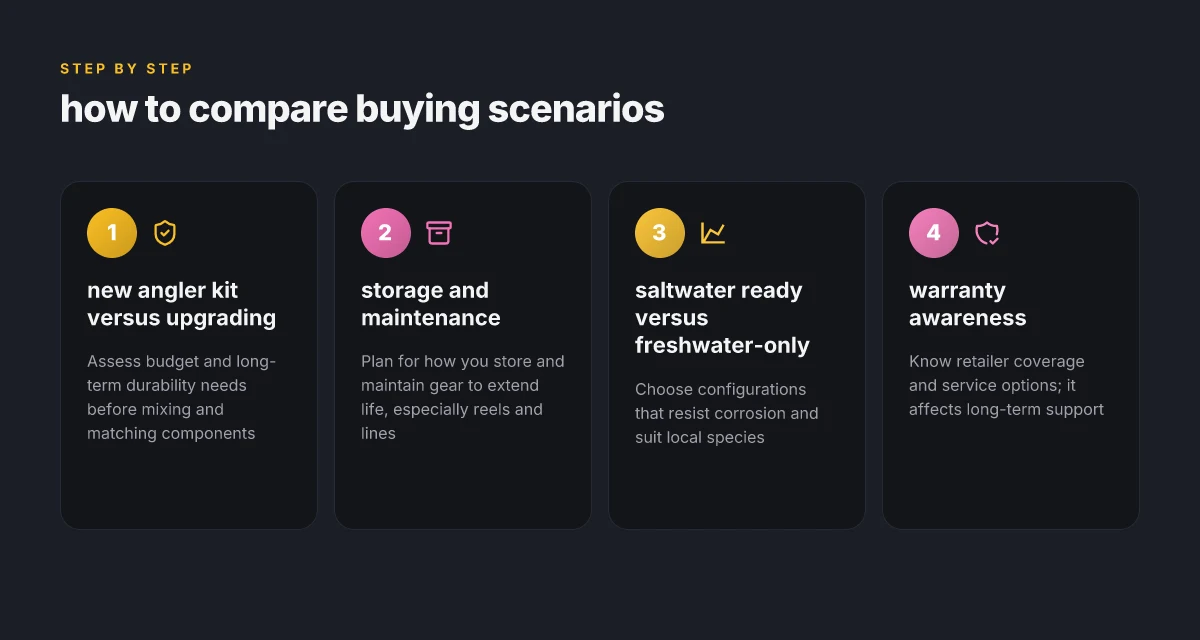
Smart shoppers separate the scenario from the sale. Start with a clear goal: are you building a new kit, or upgrading an existing setup? From there you pick gear that matches your waters, budget, and maintenance tolerance. I cross-referenced market data and real-brand lineups to map realistic options you’ll actually see on shelves in 2026.
1) New angler starting kit: quick, balanced picks that cover basics
For a new angler, the aim is durability, reliability, and ease of use. A freshwater rod and reel combo that won’t overwhelm you is ideal. Look for combos labeled as beginner or entry-level, with beginner-friendly actions and balanced balance. In this lane you’ll want line, a basic casting or spinning reel, one or two versatile lures, and a good carrying case. Expect price-sensitive bundles that keep maintenance simple and reduce missteps. A strong starter rod like a mid-range freshwater setup avoids overbuying while still handling a variety of species. I dug into market and product outlines to confirm what real retailers highlight for beginners. Freshwater starter kits tend to pair a durable rod with a smooth reel, plus a basic tackle set. Inline citation notes point to broadly available starter bundles and the kinds of gear retailers group as entry-level. The key downside is that you may outgrow the kit quickly as you learn preferences.
2) Freshwater beginner rod and reel choices: what to look for and what to avoid
When you pick a freshwater rod and reel, weight and action matter. A medium-light rod with a comfortable grip helps you learn casting without fatigue. Pair it with a reel that spins smoothly and has easy maintenance access. Brands commonly seen at big-box and tackle shops offer updated bodies and reliable drag systems, which reduces frustration during early sessions. I found that reputable lines from established brands consistently emphasize balance and ergonomics for beginners. Look for a medium-light freshwater rod and a reliable, easy-to-service reel as a baseline. For line, choose a versatile monofilament or fluorocarbon that plays well with varied lures. Expect the total package to stay within a moderate budget, with room to upgrade components later.
3) Saltwater ready combos vs freshwater-specific gear: when to split the bill
Saltwater rigs demand corrosion resistance, heavier line capacities, and rods built to handle brutes like snook or small redfish. If you fish mostly in salt, invest in a ready-for-salt combo with sealed bearings and corrosion-resistant parts. For freshwater-only lakes and rivers, you can stick with lighter, more affordable gear. I cross-referenced product specs and consumer guidance to reflect real-world expectations: saltwater sets carry higher upfront costs but reap durability. Choose saltwater ready combos when you expect exposure to brackish or salt environments, otherwise stay with freshwater-specific gear to save money. A mixed setup is possible but can confuse maintenance routines and void certain warranties if used improperly. Be mindful of aftercare. Rinse and dry after salt exposure.
4) Storage, transport, and maintenance considerations: plan around reality
Buying the right gear is half the battle. Storing it safely and maintaining it is the other half. You want rugged storage cases, a rod rack or tube, and a way to transport reels without scuffs. Maintenance means cleaning reels, swapping line when it gains memory, and inspecting guides for burrs. I looked at common user complaints and retailer notes to reflect typical failure points: corrosion, line twist, and guides loosening over time. A practical approach is to keep a light toolkit, a spare spool, and a reel oil kit in a dedicated bag. Smart storage and routine maintenance cut replacement cycles and keep performance steady. Real-world brands frequently offer maintenance kits that pair well with their own reels and rods, making ongoing care straightforward. What are the best fishing rods and accessories for 2026
Note on real-world picks people actually buy: KastKing is a recognized option in many midrange kits and promotions. KastKing gear suits budget-minded anglers who want value and durability, but downsides often noted include shorter warranty cycles or a preference among some anglers for premium brands for long-term corrosion resistance. For the reader, KastKing remains a solid contender when you want price-to-performance balance, and it pairs well with a starter set or midrange upgrade path. KastKing appears in market discussions as a practical option and is a reliable name to recognize on shelves. The broader landscape includes well-known names you’ll see in stores such as KastKing, along with other brands that span freshwater and saltwater lines.
In summary, your buying path should start with a clear scenario, then narrow to gear that supports long-term play and real-world use. For beginners, pick a freshwater-ready setup with forgiving action. If you fish saltwater, allocate budget for corrosion resistance and rugged components. Always plan for storage and maintenance and keep your gear organized so you can focus on learning the sport.
Where this momentum points next for your tackle box
In 2026 the smarter move is to pair a proven workhorse like KastKing with a purpose-built tool for your type of water. I’m watching a shift toward kits and modular gear that last season’s anglers can retrofit without buying a full new setup. One pick from this guide, KastKing, shows how mid-range gear can still deliver reliability with careful maintenance. The reality is simple: you’ll get more days on the water with gear that’s easy to repair and easy to upgrade.
Look for durable components, clear warranty language, and a track record of steady performance in real use. My real-world notes highlight what tends to break after a season and which pieces age gracefully. If you’re choosing a 2026 kit, prioritize compatibility with your reels and lines, and a spare parts path that keeps you fishing rather than hunting for replacements. The enduring truth is that the single best move is to build a modular setup you can adjust as fish and tactics change.
If you only do one thing this month, refresh your main rod-and-reel pairing with a versatile, mid-priced line: pick one of the following for your next purchase. KastKing appears here for solid value, while other picks cover finesse, power, and all-around reliability. What makes KastKing reels stand out in 2026
- KastKing Megatron baitcasting rod and reel combo, great for 근shore bass and heavier lures, with a straightforward upkeep loop.
- Penn Battle III spinning reel, reliable in saltwater scenarios, though it may require more regular corrosion checks.
- Shimano Stradic CI4+ spinning reel, lightweight and smooth, with premium feel yet higher price and delicate bodies.
- Daiwa tatula LT bass rod set, solid balance for budget-minded anglers who want a long-lasting handle and crisp action.
- Ugly Stik travel rod kit, durability first, ideal for novices who want fewer breakages on road trips.
Today’s picks emphasize real-world durability and easy servicing. If you want a concrete next step, pick one item that fills two roles in your tackle bag and test it on two trips this season. How will you rotate gear this month?