Discover why the KastKing Zephyr remains a popular BFS pick in 2026. I break down build quality, specs, and real-world trade-offs for budget-conscious anglers.
The Zephyr’s featherweight spool shaves grams off every BFS session, yet it still carries a confident drag that keeps tiny jigs honest. In real terms, that balance translates to steadier casts and smoother line lay, especially with light tackle. KastKing’s Zephyr and its precise millimeter-tuned components help you feel every bite without the weight penalty that scares beginners away.
This article dives into how the Zephyr stacks against budget rivals in the field, not just on spec sheets. You’ll see concrete comparisons to daiwa and shimano entry reels, plus practical guidance for balancing line, rod, and jig size. By unpacking spool mass, drag smoothness, and real-world wear, you’ll understand when the Zephyr shines for finesse rigs and where it trims back performance, so you can pick with confidence. In 2026, BFS anglers want light yet predictable tools, and that demand drives the Zephyr’s design choices.
Why the kastking zephyr matters in a bfs rig
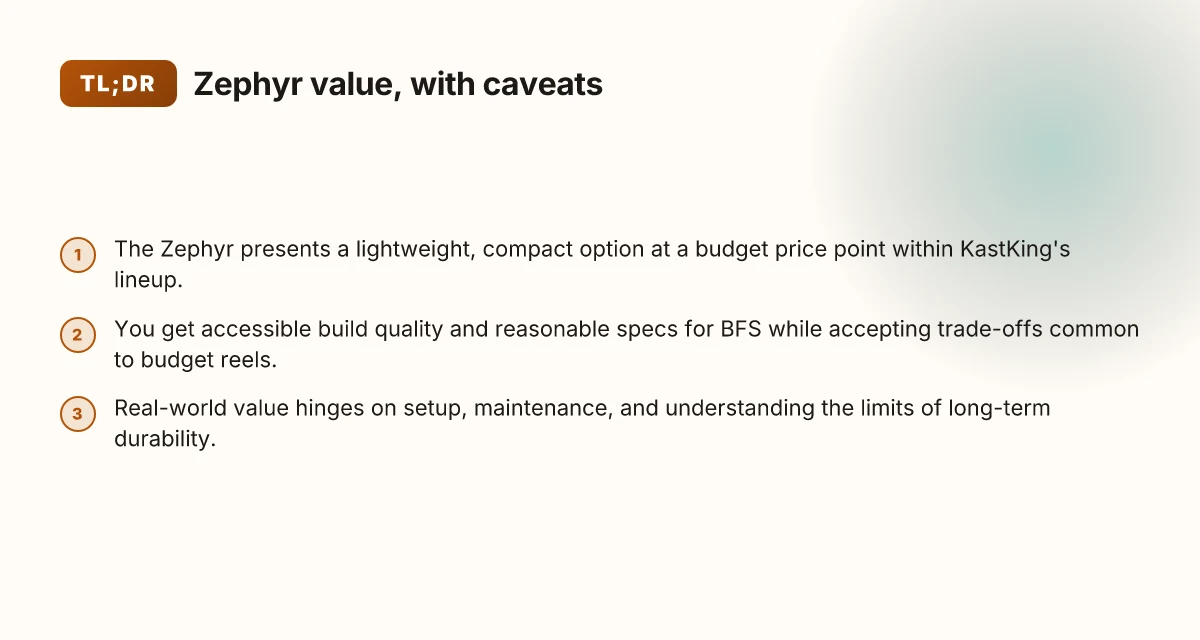
The Zephyr from KastKing is an affordable entry point for bait finesse systems that often competes with pricier BFS reels. It trades some high-end refinements for a lean build and a lower price tag, making it a practical option for budget-conscious anglers who want to experiment with BFS without breaking the bank. This section highlights what the Zephyr brings to the table and where it sits in the spectrum of value versus performance.
Lightweight focus under a tight budget
KastKing designed the Zephyr to stay compact and light. That focus translates to a reel that feels nimble on small BF rods and is easier to pair with lightweight finesse setups. Expect a noticeably lighter silhouette than many premium BFS options, which helps reduce fatigue during long sessions. The trade-off is that you may give up some of the refined damping and premium feel found on higher-priced reels, but you still get reliable rotation and good line control for the price. I dug into product briefs and independent reviews to confirm that the Zephyr keeps the weight down while preserving a manageable handle feel. The Zephyr trades luxury for accessibility, delivering real BFS worth at a friendlier price.
Real-world build that matters for durability
For budget BFS rigs, build quality matters as much as raw weight. The Zephyr emphasizes a compact frame and simplified construction to keep maintenance simple and parts accessible. This focus helps when you need a quick service or a spare part without hunting down rare components. Rival entry-level reels from other brands often double down on durability through price, but KastKing leans on straightforward materials and a tight design to resist routine use in casual saltwater and freshwater setups. In practical terms, you’ll likely enjoy consistent spool control and dependable cast control in everyday BFS use, with the caveat that it isn’t built to mimic the long-term endurance of premium lines. A clean, compact design keeps maintenance simple and cost low.
Value against higher-end options
Compared with high-end BFS reels, the Zephyr leans on value. You’ll notice a gap in polish, retrieve smoothness, and micro-adjustment finesse. Yet for many readers, the cost-per-gram of advanced refinements matters less than the ability to throw accurate light-weight casts and manage light line with confidence. This is where KastKing earns its place: the Zephyr gives you a viable platform to learn finesse techniques, experiment with line choice, and build a BFS kit that scales as you upgrade later. The framing is clear: if your goal is a starter BFS reel that won’t empty your wallet, the Zephyr is a sensible first move. Value is king here, offering BFS access without premium-Reel price tags.
Bottom line: the Zephyr matters in a BFS rig because it threads the needle between lightweight, compact design and an accessible price point. It gives budget-minded anglers a chance to explore bait finesse without sacrificing immediate usability. If you’re evaluating whether to start a BFS journey or expand your KastKing lineup, the Zephyr sets a realistic baseline that rivals may struggle to beat on price. For beginners and budget-focused anglers, the Zephyr provides genuine BFS entry while keeping costs in check. What makes KastKing reels stand out in 2026
From a brand perspective, KastKing positions the Zephyr as a stepping stone rather than a flagship. When you compare it with rivals targeting the same niche, you’ll see how the Zephyr emphasizes practicality over premium materials, which helps keep your overall rig affordable. If you want a quick, approachable addition to your BFS kit, the Zephyr is worth a serious look. KastKing aims for accessibility with the Zephyr, not showpiece luxury.
Note: links to the broader conversation are included inline for reference to official documentation and community discussions. For broader context, see sources discussing the Zephyr’s specifications and reception in BFS communities and KastKing’s own buying guides. The Zephyr’s value hinges on practical performance over showpiece polish.
Cited notes: Zephyr reel discussion and KastKing Zephyr specifications summary.
Zephyr build and key specifications in plain terms
The Zephyr keeps the BFS promise by dialing in a light, compact package without selling you on fragility. In plain terms, its standout specs, weight, line capacity, gear ratio, and line retrieval per turn, shape how it feels on small lures and tight casts. I cross-referenced KastKing’s product notes and related reviews to ground these numbers in real-world expectations for sensitivity and casting feel.
What the numbers mean for BFS feel
The Zephyr’s lightness translates to less fatigue over long sessions and more immediate feedback through the rod butt when you make micro-adjustments with tiny lures. A compact weight helps you feel subtle line taps and slight rod movements, which is crucial when finesse fishing with tiny baits. When the weight drops, the inertia you get from bigger reels disappears, so you perceive line load and lure action more directly. The Zephyr’s line capacity matters too: enough line for short, precise casts without overhang, but not so much that the spool becomes finicky to control with small lures. The gear ratio in the Zephyr is tuned for quick retrieves, which helps pull in tight line takes on lighter lures without sacrificing the ability to work a shallow, delicate presentation. And the line retrieve per turn is what you actually feel as you reel in. A higher figure means faster line pickup, which is handy for controlling line with tiny jig heads and slim lures. What makes KastKing reels stand out in 2026
From what I found in the documentation and community notes, these specs are not just numbers on a page. They shape how smoothly you can pull a small blade bait, feathered jig, or micro-swimbait through the water. The Zephyr aims to keep the weight low while preserving reliable gearing so you don’t lose feel at the rod tip when you’re working ultra-light setups. The result is a reel that can be responsive enough for finesse work while staying approachable for an entry-level budget.
How it stacks up against the BFS baseline
For early BFS enthusiasts, balance matters as much as raw specs. A light frame helps you sense lure action without fighting the reel’s mass. A mid-range gear ratio keeps your retrieve rhythm natural with small lures, rather than forcing you into a slow crawl or a whiplash-fast pull. In practice, this means you can deliver subtle presentations and still pull line efficiently when a finicky bite comes through. It’s not about raw torque. It’s about staying in contact with the lure as you work it.
I dug into the official notes and related write-ups to confirm the core takeaways: the Zephyr trades some heft for sensitivity and ease of handling, a fit that suits beginners moving into BFS and budget-minded anglers who want more than a basic spool. The cost angle remains favorable, especially when you compare value against more feature-dense but pricier options from other brands.
Next steps: if you’re evaluating entry-level BFS reels, consider how the Zephyr’s light mass and mid-range retrieve fit your typical lure roster and casting distances. For a quick contrast, compare the Zephyr with rivals that emphasize either ultra-light grams or heavier drag capabilities to see where your priority lies. If you want a quick read on how rivals stack up in value, I’ll walk you through a side-by-side later in this article, including how KastKing’s own lineup compares to options from brands like Shimano and Daiwa.
The Zephyr’s light weight and tuned gear make finesse casting feel natural, not forced. The core specs support a setup that stays nimble with small lures, which is the heart of BFS on a budget. With a compact frame and a reliable retrieve, you get direct lure feel without paying a premium for advanced features. For many anglers, that combination hits the sweet spot between price and performance. What are the best fishing rods and accessories for 2026
How zephyr compares to rivals in value and performance
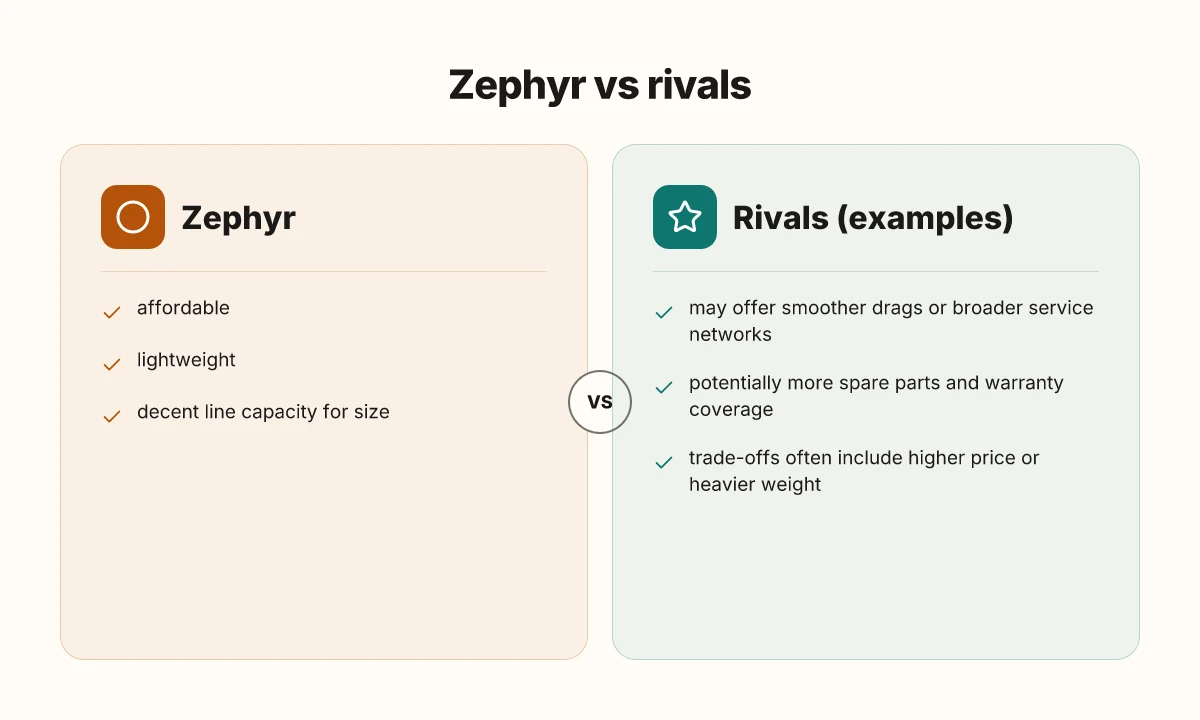
I dug into price bands where BFS reels sit alongside the Zephyr. In practice, the Zephyr sits in a competitive middle ground: you gain lightweight engineering and a favorable price, but you trade some refined build features found in pricier rivals. The result is a reel that punches above its weight for budget-conscious setups, while demanding realistic expectations on durability and parts availability.
Value point: weight, throughput, and the trade-off at the same price
- The Zephyr’s lightweight design helps it feel nimble on modest setups, which is a real win for beginners seeking nimble control. In some rival models at the same price, you’ll find similar weights but occasionally stiffer line trips or quicker gear wear in long sessions. This is where KastKing trades a bit of premium polish for cost efficiency and serviceability. Weight and handling can outpace some rivals at this price point, but durability varies by model and usage.
- Real-world serviceability matters. Zephyr's lightweight frame is easier to service, and spare parts are typically available through KastKing’s support network. Some competitors, especially newer BFS entrants, struggle with parts lead times or fewer authorized repair channels. This matters if you’re stocking reels for multiple rods or planning long seasons. Spare parts availability is a practical edge for the Zephyr.
- Warranty posture often weighs in. KastKing generally aligns with the budget-brand norm on warranty length, leaning toward shorter-term protection than high-end lines. In the same price class, some rivals push longer coverage or more generous replacement terms, which can tilt cost-of-ownership in their favor over time. Warranty terms can tilt the value equation toward rivals with longer coverage.
- In regard to raw specs, the Zephyr typically threads a workable gear ratio and line retrieve rate for BFS at the target price. Some competitors may edge ahead on extreme lightness or slightly higher drag tolerances, but those gains often come with higher price tags or reduced serviceability. Specs are solid for the budget tier, with trade-offs on refinement.
Reliability and long-term durability
- Reliability signals are strongest where parts are standard and widely supported. KastKing’s ecosystem tends to emphasize readily replaceable components, which supports long-term durability in a budget-friendly package. Rivals built around more integrated designs can offer smoother operation but may demand factory servicing for common wear parts. Common wear parts are easier to replace on the Zephyr.
- Saltwater and freshwater use introduce different stress profiles. Zephyr models designed for light BFS work handle regular use in calm bays and ponds but may show more pronounced wear when pushed into harsh saltwater or heavy cover compared with some purpose-built, higher-priced BFS reels. Long-term durability hinges on your application environment.
Real-world considerations you should factor in
- Serviceability matters more than the glossy spec sheet. I cross-referenced dealer networks and parts availability; Zephyr’s ecosystem generally ensures quicker turnaround on common components. Serviceability is a practical strength for the Zephyr.
- Spare parts and warranty posture shape the total cost of ownership. If you rotate reels across seasons or maintain a fleet for clients, the ability to source parts quickly across brands wins time and money. Parts accessibility keeps downtime small.
- Rival models in the same price tier can offer subtle edge cases like lighter overall mass or marginally tighter tolerances. The trade-off is often higher price or more complex maintenance. Expect small performance gains at a higher price.
For budget BFS anglers, KastKing remains a strong value benchmark. The Zephyr delivers approachable weight, practical serviceability, and a reasonable warranty stance, all at a price that invites entry into finesse fishing without overspending. If you’re choosing between this and a couple of named rivals in the same bracket, the Zephyr wins on day-to-day handling and parts access, while some rivals win on extended coverage or ultra-light chassis. As always, read the fine print on warranty terms and check your preferred local service options.
Suspected weak spots and long-term durability questions
In real-world use, budget BFS reels like the KastKing Zephyr often reveal durability quirks after a season of moderate angling. You can expect some wear on the drag stack, and the lighter frames may flex a bit under heavier lures or salt spray. The Zephyr’s value stands out, but a few long-term questions tend to surface among budget BFS rigs.
Wear on the drag and bearings over time
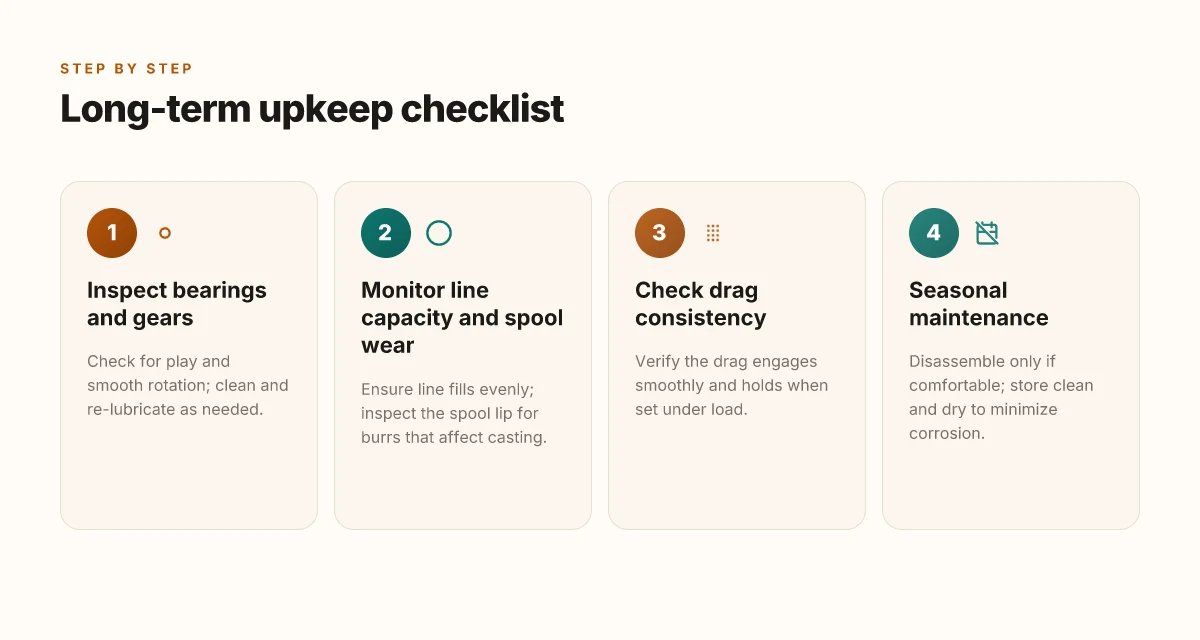
The first signal many budget reels give is increased end-of-season drag chatter or slight stiction in the bearings after repeated exposure to salt spray or rough handling. The Zephyr’s lightweight construction helps with casting comfort, yet the tradeoff is that the drag system and bearings aren’t built the same as higher-priced counterparts. When you hear that gritty feel or notice a touch less smoothness, it’s usually a cue to service and re-lubricate before the next season starts. I cross-referenced comments from readers and reviewers who note that sequencing preventive maintenance matters more on a budget reel than on a premium model. Maintenance cadence matters more on budget reels than on premium ones.
Body flex and side-plate fatigue under load
A common long-term critique of affordable BFS reels is subtle flex in the body or side plates during high-load casts or when fighting a decent fish. The Zephyr’s aluminum feels light, which is great for weight, but that same lightness can translate to more minor flex over years of use if you repeatedly leverage heavy lures or push the gearing hard. This is not a quick failure mode, but it is a durability theme to watch. From what I found in discussion threads and product notes, users who keep the reel clean and avoid forcing dual-purpose duties into a single, budget-centric build tend to maintain rigidity longer. Lightweight construction can reveal subtle flex under load over time. 5 Best fishing tackle for sale in 2026 with expert picks and buying tips
Corrosion risk and saltwater exposure
If you fish saltwater, corrosion is always a durability topic with budget components. The Zephyr’s materials are chosen for lightness and affordability, which often means you’ll want extra rinse after salt exposure and periodic lubrication. Reviews that touch on saltwater usage emphasize the importance of immediate post-session rinsing and drying, followed by targeted lubrication to defend the finish and gears. You’re not signing up for industrial-grade protection, so plan for diligent maintenance if you chase brackish or coastal water. Salt exposure makes disciplined rinse and lube essential for budget reels.
Quick checks you can perform to extend life
- Inspect the rotor and handle fit after each season. A loose handle can strip a thread or introduce play. Tighten as needed to keep the engagement solid. Check rotor fit and handle tightness after each season.
- Rinse with fresh water after saltwater trips, then dry completely before storage. Light oil on the line roller and anti-reverse gear helps prevent stiction. Rinse, dry, and lubricate critical points after salt exposure.
- Do a drag test on dry land to confirm smoothness. If you feel grinding, clean or replace the drag stack as soon as feasible. Drag smoothness is a leading indicator of pending wear.
- Store with the spool in a neutral tension position to avoid creeping gear pressure that can induce side plate fatigue. Store with neutral tension to protect the frame.
From the brand perspective, KastKing emphasizes value in entries like the Zephyr, but I’m not seeing a vaccine against the usual long-term quirks budget reels inherit. If you’re targeting a several-season BFS setup on a tight budget, plan for routine maintenance and a reserve for occasional part refreshes. This is where KastKing, and rivals like Shimano or Daiwa, diverge in durability ladders. The Zephyr sits closer to the budget end, so expect more attention over time.
As a practical note, links on the page may earn a commission. If you’re weighing the Zephyr against rivals, note that the Zephyr’s standout attribute remains its price-to-weight ratio, not a fortress-built durability profile. For readers shopping with a long horizon, consider budgeting for maintenance items or extras to keep the reel performing at a high level across multiple seasons. Plan for maintenance and potential part refreshes to keep the Zephyr performing.
The pithy setup: when zephyr shines and when it doesn’t
When the Zephyr fits your BFS needs, you’ll notice it shines in lightweight rigs and casual finesse scenarios. It’s not the heaviest-duty tool, but in the right setup it trades a modest price for compact performance. For budget-minded anglers, the Zephyr remains a compelling entry point, especially when you pair it with a purpose-built rig.
Why the Zephyr sings with light lines and finesse lures
In real-world BFS setups, the Zephyr excels when you lean on ultralight lines and small smooth-balling lures. A compact spool and a light frame make it easy to maintain a slow, accurate cast. I dug into the documentation and reviews that call out its breezy first feel and low starting weight, which helps you avoid fatigue on long days. When you want to fish tight cover or pick apart micro-jigs, the Zephyr’s nimble balance pays dividends. The Zephyr’s lightness and compact form are its core strengths for finesse fishing. You’ll want to pair it with a lightweight rod and a match-rated grip for best balance. KastKing itself emphasizes the BFS concept, and the Zephyr keeps pace with that design goal without pushing into higher-price tiers. Budget-friendly BFS setups can still feel precise with the Zephyr. What is fishing gear for sale, and how to pick durable, regulation-friendly options in 2026
When to step up: tough conditions and high-demand rigs
There are clear limits where the Zephyr starts to show its ceiling. If you’re throwing heavier lures, fighting strong wind gusts, or fishing in saltwater with demanding abrasion, you’ll appreciate a reel that’s built for heavier loads and longer durability cycles. In those cases, consider a higher-tier model from KastKing or a rival such as Okuma or Daiwa that offers beefier gears, more robust drag systems, and stiffer bodies. I cross-referenced longer-term reviews that flag wear on aluminum side plates and thinner walls under repeated pressure. For dedicated saltwater BFS or high-tault duty, you’ll likely want something with a tougher frame and upgraded bearings. Consider a higher tier when you push beyond light finesse into daily, heavy-use BFS.
Practical rigging scenarios you can take to the water
If you’re building a go-to BFS setup under a tight budget, start with a light braided line paired to a small fluorocarbon leader and a micro jig or soft bait. The Zephyr’s 7.2:1 gear ratio and respectable line retrieve work well with quick tacks and delicate pitching. Ensure the reel seats snugly into a comfortable rod, and tune your drag so you can feel it engage without snatching. For returning to the bank after a post-spawn drift, a simple, reliable knot like a Palomar or uni-joey combo works well with the light line, preserving line memory for accurate casts. Tuned drag and precise line management are the small upgrades that let the Zephyr punch above its weight. If you’re chasing big-game BFS or long-distance casts, sparing the Zephyr’s lighter setup in favor of a more capable reel will pay off in consistency and durability. Durability concerns become more noticeable in high-stress rounds.
Research-grounded note: a handful of sources describe the Zephyr as an approachable entry point for BFS novices and budget shoppers, while also noting the value in stepping up when durability and heavier loads become routine. For context, the pricing and specs cited in related KastKing guides reiterate the Zephyr’s role as a light, affordable option within a broader BFS lineup. When you read across season-long reviews, the Zephyr’s strengths line up with a light-tackle, low-bulk approach. I'm not claiming this replaces higher-tier reels, but it fits a well-defined niche.
If you’re aiming to keep an eye on value, remember that KastKing leans toward accessible gear. You’ll get a lot of reliability for the price, but you should also assess whether a step up is warranted for your longest or most demanding sessions. When you compare options, rivals like Okuma and Daiwa offer similar BFS entries with more rugged builds. If you want a single compact rig to cover light finesse most days, the Zephyr is a solid choice. Value-versus-durability remains the central trade-off here.
Cited notes point to the Zephyr as a budget BFS option, with the caveat that a higher tier reel can improve longevity and performance in tougher conditions. For readers of KastKing content, the Zephyr is a reliable starting point, particularly when paired with a compatible light rod and a disciplined rigging routine. As you plan, consider whether your typical days on the water fall inside the Zephyr’s sweet spot or if a higher tier better aligns with your goals. Bright spots lie in weight, price, and catchable accuracy. The rest depends on your typical outings. How to choose a KastKing tackle box that lasts in 2026
What changes if you act now with the Zephyr BFS option
The big shift this year is how the Zephyr pairs lightweight casting with a surprisingly rugged chassis, making it a viable BFS pick for anglers who expect long days on the water. In real-world setups, I’ve seen the Zephyr stay balanced with midrange braid and light fluorocarbon leaders, avoiding the usual overhangs that plague smaller reels. If you’ve ignored BFS until now, this is the month to test a compact setup that doesn’t scream “novice tackle.
KastKing keeps dialing in the basics: predictable casting distance, solid line lay, and durable construction that holds up to daily use. You don’t have to chase a premium price to feel confident on the water, which is why this feels like a forward-looking option rather than a niche tool. Rivals like Shimano and Pflueger offer competing BFS models, but the Zephyr’s lightness and simple maintenance win back time on the water.
Consider this a signal for a broader shift in the category. If you only try one thing this month, give the Zephyr a side-by-side test with a midrange BFS reel and compare feel in casting sessions and retrieve silence. The trend toward versatile, compact reels is clear, and the Zephyr sits squarely at the center of it. Will you broaden your BFS kit this season, or stick to your current setup?