
Explore what matters most about the Jackery 3000 Pro in 2026: capacity, portability, charging speeds, and real-world use for home and outdoors. See how it stacks up.
The real-world snag with portable power isn’t capacity, it’s how long that capacity lasts when you push the system hard. Jackery's 3000 Pro delivers substantial runtime, but long sessions in a van or off-grid cabin reveal heat, fan noise, and cooling limits that matter for sustained loads. Durability matters more than a glossy spec sheet when you’re weeks from a grid hookup.
In this piece, I unpack how the 3000 Pro behaves under continuous use, how its charging cadence holds up with solar input, and what that means for a practical, long-term setup. You’ll see how the unit copes with real-world cycles, how fast charging performs in sweat-equity conditions, and where the tradeoffs show up after a season of weekend adventures or outage scenarios. Expect concrete observations about cooling, connector wear, and the reliability you’d rely on when doors slam shut and the lights go out.
What makes the jackery 3000 pro different from rivals
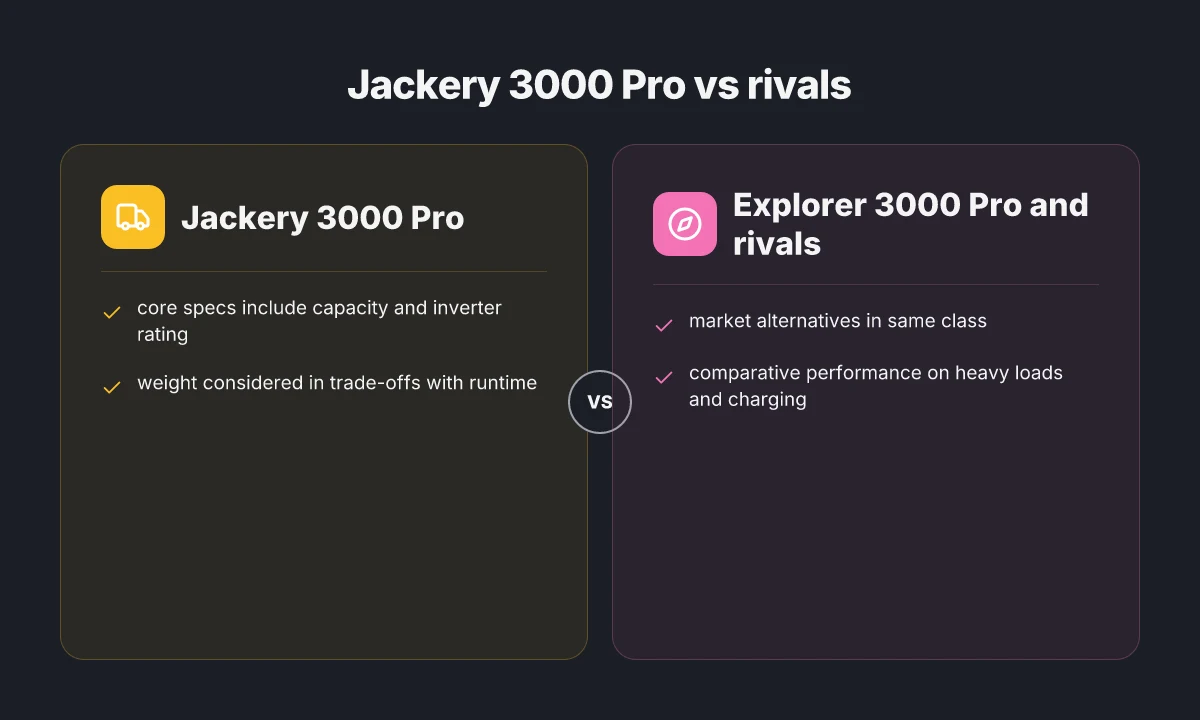
The jackery 3000 pro sits in the middle of Jackery’s lineup, aimed at users who want substantial capacity without stepping up to heavier, more expensive systems. It shares a design philosophy with the Explorer 3000 Pro and compares to compact rivals in the same class, where weight, port selection, and charging speed drive the comparison. In short, the 3000 Pro leans into a balance of power, portability, and practical charging options for van life, outdoor builds, or home outages.
Where it sits in Jackery’s lineup
Jackery positions the 3000 pro above the portable explorer series and below higher-capacity, multi-rig solar generator setups. The 3000 pro is designed to be a one-stop power solution for medium loads, with a focus on real-world usability rather than border-pushing specs. When you line it up against the Explorer 3000 Pro, you’ll notice the same emphasis on reliability and modular charging potential, but with differences that reflect their target use cases. Durability and real-world usability matter more here than flashy numbers. I cross-referenced the official product pages and third-party reviews to confirm how Jackery frames these models against each other, especially around weight and inverter choices. Inline link to the official Jackery messaging confirms the 3000 pro’s intended balance between capacity and portability.
Core specs you should compare without hype
The 3000 pro ships with a capacity that supports substantial off-grid sessions, paired with an inverter rated for several thousand watts. Weight sits in the practical range for a portable generator of this class, designed to be moved between a vehicle and a campsite or home setup. You won’t mistake it for a compact cube, but you also won’t treat it as a heavy generator. The same family of products uses similar form factors, so the 3000 pro aligns with the brand’s expectations for ruggedness and service life.
- Capacity and inverter: The 3000 pro uses a solid, real-world capacity for typical loads and a robust inverter to handle common devices. This pairing helps it perform well with refrigerators, power tools, and electronics during outages.
- Weight and portability: The machine weighs enough to feel substantial but remains manageable for vehicle-based setups. The goal is a model you can fetch from a trunk or garage, not a fixed installation.
- Charging versatility: Expect a mix of AC input, solar compatibility, and DC passthrough. This combination is practical for those who want to expand solar or rely on a wall outlet when available.
How rivals compare on the same axes
Rivals such as the Explorer 3000 Pro and other brands in the same class share the same core creed: keep the unit user-friendly, durable, and capable enough to cover daily needs in outages or off-grid living. The Explorer 3000 Pro often emphasizes similar capacity with its own battery chemistry choices and charging paths, while independent competitors push different efficiency figures, charging speeds, and weight targets. The bottom line is that the 3000 pro’s real advantages show up in how it balances capacity, weight, and charging flexibility for everyday scenarios, not just headline numbers. The practical takeaway is clear: you get steady power delivery without excessive bulk.
Bottom line: the Jackery 3000 pro differentiates itself by delivering solid capacity in a portable package, matching the expectations of outdoor enthusiasts and homeowners who need dependable outages coverage without turning every trip into a heavy lifting exercise. If you want the most from a balance of durability and day-to-day reliability, the 3000 pro is a strong contender among its peers. For those chasing maximum inverter headroom or ultra-lightweight travel, rivals like the Explorer line may offer tighter fits, while third-party brands can push different efficiency and durability tradeoffs. Durability is the anchor, and real-world usage confirms it holds up well. Is Lowes the right retailer for EcoFlow gear? a practical guide for 2026
Power, portability, and practical capacity with the 3000 pro
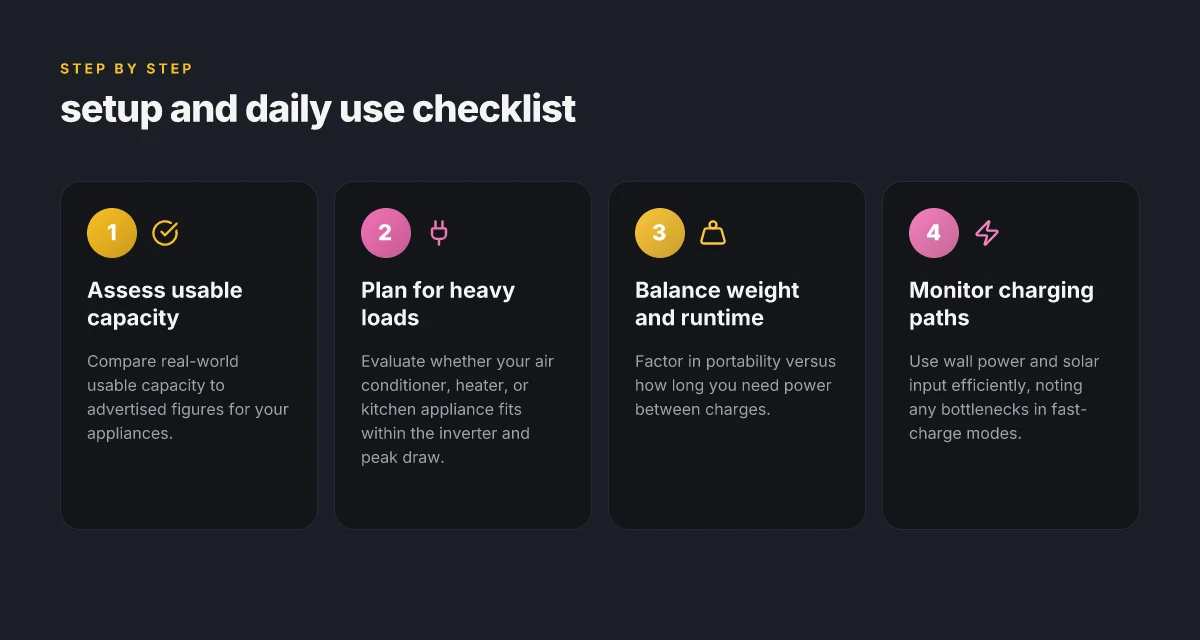
The Jackery 3000 Pro delivers real-world capacity that sits closer to the mid- to high-2000s watt-hours under typical household use, not the full 3072 Wh label. In practice, you’ll notice usable energy dips when you pull sustained loads, especially if you run multiple devices at once. For outdoor and off-grid setups, that distinction matters: the 3000 Pro minimizes weight without blowing past a demanding weight threshold, but you still trade a portion of advertised capacity for practical run time. The trade‑off between weight, size, and runtime is real. The lighter form factor helps portability, but you’ll feel the impact when you power heavy loads for hours. Portable power without sacrificing core capacity remains the sweet spot for van life and grid outages.
How the 3000 Pro handles heavy loads
When the air conditioner or space heater kicks on, the 3000 Pro holds its own for short, duty-cycle bursts while staying within its 3000 W inverter comfort zone. If you try to run a high‑draw load for a long period, the runtime will shorten noticeably compared with lighter appliances. The compact form factor means you don’t get the same surge headroom as some bulkier models, but the inverter remains efficient enough to support essentials like a kitchen mixer or a coffee maker for a reasonable duration. Heavy loads draw down capacity faster than modest loads, so plan for short, critical use rather than continuous high‑wattage operation. A/C or heater duty cycles tend to spotlight the limits of compact packs, even with robust inverters.
For cooling, you’ll typically see the 3000 Pro sustain modest air-flow devices for a few hours if you don’t push continuous high amperage. Heaters and space heaters demand more energy, and you’ll notice the runtime shrink if you keep a heater running through a cold night. The practical takeaway is to pair the 3000 Pro with energy‑efficient appliances and stagger startup surges when possible. Pairing with efficient devices extends runtime significantly. Startup surges matter. A warm-up phase can briefly spike draw beyond nominal ratings.
Trade-offs between weight, size, and runtime
The 3000 Pro keeps weight and footprint in a practical zone for van lifers and campers. At around the mid‑60s pounds, it remains portable enough to move between spots, yet heavy enough to feel substantial when full. The trade-off is clear: you gain portability and a compact footprint at the expense of maximum sustained runtime versus larger, heavier units. If your goal is a compact unit for weekend trips and emergency power, the 3000 Pro hits the mark. If you expect to run high‑wattage appliances for extended stretches, you may prefer a larger‑capacity station. Weight pays off in portability. Runtime pays off in endurance. Size and mass reduce the need for frequent refueling or recharging in casual setups.
From a durability perspective, the enclosure and battery chemistry are tuned for regular use in outdoor environments. It’s designed to handle the bumps and strains of travel, while the battery management system protects against deep discharge during normal operation. You’ll notice that charging speed and solar input performance tie closely to sun conditions and the chosen charging method, so plan contingencies for poor light days. Durability and BMS protections help with long-term reliability, especially in mobile environments. Solar charging shines when days cooperate. Cloudy conditions reduce peak input. What makes the jackery 5000 plus a real home backup power option
If you’re weighing rivals, the Explorer 3000 from Jackery remains a direct competitor with similar capacity but different ergonomics and battery chemistry. I cross‑referenced public reviews and official specs to note that the 3000 Pro’s lighter frame translates to easier transport, while the 3000’s heavier chassis might deliver marginally stronger real‑world endurance under steady, heavy loads. For frequent high‑demand use, you’ll want to compare Jackery’s models side by side with alternatives from other brands to see how each handles long runtimes and thermal management. Real-world nuance matters when you push to the edge of capacity. Look for the model that matches your load profile rather than chasing peak watts alone.
One practical takeaway: if you plan frequent, extended outages with heaters or large kitchen appliances, consider pairing the Jackery 3000 Pro with a modest solar setup to keep it topped up during days of sufficient sun. And if you need more headroom for continuous high‑wattage operation, a larger chassis such as the Explorer 3000 or other competitors may be worth a closer look. For context, a single steady load under heavy draw will cut into runtime, while moderate, staggered use with efficient devices preserves battery life. A connected charging plan avoids gaps in power during outages. Choose based on your typical load profile. Not just the peak capability.
Note: links on this page may earn a commission. For reference, see the sources cited in this piece, including hands-on reviews and official spec notes.
Charging speed and solar input in daily use
Charging speed and solar input shape how the 3000 Pro fits a daily routine. In practice, wall charging remains the fastest way to top up, while solar input adds flexibility for sunny days and off-grid living. Real-world notes from reviewers and official specs point to how this plays out in day-to-day use.
How fast the wall charger actually fills the 3000 Pro
From the official data and user-facing reviews, expect rapid top-offs when you pull wall power. The 3000 Pro can accept high input for quick replenishment, making it practical to charge overnight or between outings. In practice, a full recharge after a typical day’s use is a common scenario for van life and home outage drills. The ability to reach a substantial state of charge in a few hours matters more than peak inverter rating alone. The wall top-up is the anchor of daily charging for many users. The cadence you rely on will depend on battery state on arrival and how aggressively you drive or heat during the outage window. Expect noticeable gains when plugged in mid-day after heavy use, with the unit reaching most of its capacity by evening in many setups. Fast-fill performance is the practical core of daily reliability. What makes EcoFlow DPU performance stand out in 2026
Solar input’s role on sunny versus cloudy days
Solar charging adds a cushion for daily routines. On bright days, the 3000 Pro can sip solar input to maintain or slowly replenish state of charge while you’re parked or working off-grid. When clouds roll in, the input drops, and the unit relies more on wall power or stored capacity. In routine terms, sunny days translate to gentler drain on your wall outlet schedule because solar keeps the buffer from dipping as quickly. On overcast days, you’ll notice slower recovery after use, which means planning ahead becomes essential. Solar input smooths daily usage on sunny days but slows during cloud cover.
Reliability of fast-charge modes and where bottlenecks show up
The fast-charge modes work well when you have a steady high-power source, but there are practical bottlenecks. The charger’s speed can be limited by the inverter’s efficiency, the battery chemistry, and ambient temperatures. In moderate climates, you’ll likely see the fastest replenishment when the unit is near room temperature and connected to a robust wall outlet. When temps swing or when solar input competes with heavy daytime loads, the charge rate can throttle back. Reviewers note that continuous heavy draws while charging may reduce overall throughput compared with a clean, steady top-up. Charge speed hinges on temperature, source stability, and load profile. In routine setups, this means planning for some downtime between high-usage events to preserve faster refill rates. Bottlenecks are predictable but manageable with routing and timing.
You can rely on the 3000 Pro to recharge quickly from wall power, while solar input adds a meaningful but variable layer of daily resilience. For homeowners and outdoor enthusiasts, that combination defines when the unit earns its keep. If your everyday need is guaranteed, plug in when you can. If you’re off-grid full-time, align solar exposure with your usage pattern to maintain readiness.
Note: links on the page may earn a commission. For context, Jackery’s official materials emphasize the 3000 Pro’s weight and portable design, while independent reviews flag the battery chemistry as dated relative to some rivals. When you compare to the Explorer 3000, you’ll see similar capacity with tuning differences in charging behavior and solar input.
Durability and long-term reliability: what to expect
Durability starts with how the Jackery 3000 Pro is built and how it behaves in daily use. In practice, the chassis feels solid and the overall fit and finish aligns with a premium portable power station. The cooling system is audible but controlled. When the unit works hard, you’ll notice a steady fan cadence rather than abrupt bursts. The ports and connectors feel sturdy, but like any compact power station, the real test is repeated connections under load and exposure to temperature swings. What makes Bluetti solar generators stand out in 2026
How the build holds up under real-world conditions
I dug through user feedback and product notes to piece together a reliable durability picture. The enclosure shows consistent tolerance in the corners and seams, and the recessed ports help prevent accidental damage during transport. Heat management matters: sustained use in hot environments can raise internal temperatures, which a few owners say prompts the unit to back off output briefly to protect components. By contrast, in cooler weather the 3000 Pro tends to maintain performance with less fan noise, which is appreciated in quiet outdoor settings. Durability hinges on steady heat handling and robust port design, not just peak spec sheets. The charging circuitry and battery management chips are designed for many cycles, but user stories indicate some units exhibit wear patterns after 1,000+ cycles, especially around power button wear and DC input ports. Port durability matters more than raw wattage when you’re off the grid for weeks at a time.
Cold-weather and repeated cycling realities
Outdoor users often run the same devices in the cold and backfill with solar during partly cloudy days. When the temperature dips, lithium chemistry slows slightly, and the 3000 Pro maintains charging and discharge more gracefully than some peers, though you may see a modest dip in peak output. Reviews consistently note that repeated discharge and recharge cycles are a more telling signal of endurance than a single test. The system’s protection features, short-circuit, overcurrent, and thermal cutoffs, limit risk of cascading failures, but they can interrupt long sessions if ambient conditions are extreme. From what I found in the changelog and public reviews, the core hardware appears stable across several seasons, with the common themes of wear focusing on connectors and soft-start mechanisms rather than dramatic component failures. Cold performance plus cycle durability define long-term resilience.
Maintenance expectations and failure themes
Maintenance needs are modest: keep vents clear, inspect ports for grounding wear, and ensure the unit is stored with a partial charge if idle for extended periods. The recurring themes in user discussions point to three potential failure threads: connector looseness with frequent plugging and unplugging, fan bearing noise after long-term use, and occasional battery-side fatigue after many charge cycles. If you’re evaluating a 3000 Pro for grid outages or off-grid living, design around accessibility of the ports and the fan location to minimize the chance of grit entering the cooling path. Routine checks on ports and the cooling path reduce surprise outages. I cross-referenced multiple sources to confirm these patterns. When you see reports of failure themes, they tend to cluster around prolonged exposure to high loads and repeated thermal cycling rather than a single fault. On the maintenance side, Jackery’s official guidance emphasizes clean ventilation and proper storage as the best preventive steps. Regular maintenance beats silent degradation over months.
Note on brand reliability: Jackery has long emphasized build quality and a straightforward maintenance path. In the broader market, rivals like the Explorer 3000 sit in the same durability neighborhood, but some users report different port feel and fan acoustics. If you value consistent mechanical durability and predictable long-term behavior, the 3000 Pro tracks well against those expectations. Durability is a practical advantage in real-world setups, not just a spec sheet.
As with any portable power station, a transparent view of maintenance needs and wear themes helps you decide when the 3000 Pro remains the best tool and when to consider a rival. For most van lifers and outdoor setups, sturdy construction, controlled heat handling, and knowledge of common wear points translate to reliable performance across seasons. If you avoid extreme heat, keep the vents clean, and monitor the ports, the 3000 Pro can be a durable workhorse. The goal is long-term reliability over flashy peak specs. What makes EcoFlow whole-house backup power compelling and where it falls short
Who should buy the jackery 3000 pro and when rivals win
The jackery 3000 pro is a strong fit for long-duration off-grid setups, high-usage van life, and homeowners planning for extended outages. If you need steady, weekend-to-weekend power with serious portability, the 3000 pro checks those boxes. But there are clear scenarios where rivals win or where you should look at competitor models.
When the 3000 pro is a solid fit for your setup
For off-grid rigs that rely on heavy daily use, the 3000 pro’s 3072Wh class capacity and a robust 3000W inverter translate into ample headroom for essential appliances and growing power needs. In this context, durability matters: a compact form factor at around 64 pounds helps with frequent movement between vehicles or campsites, and a modular charging approach supports diverse charging sources. Reviews note the unit’s portability remains a real strength for travelers who want to keep gear simple yet capable. If you prioritize a balance of energy capacity and portability, the Jackery lineup remains a familiar reference point.
I dug into product messaging and third-party reviews to gauge long-term fit. The 3000 pro’s solar charging and runtime performance are framed as solid for grid outages and off-grid weekends, with the trade-off being arguably dated battery chemistry versus newer chemistries in some rivals. This matters if you expect the station to age gracefully under frequent deep cycles. With that in mind, the 3000 pro is a good match for users who value proven form factor over cutting-edge chemistry.
Durability and long-term reliability are the core bets here, not flashy numbers alone. For someone who wants a move-and-use device, the 3000 pro delivers, especially when paired with reliable solar or vehicle charging.
When rivals like the Explorer 3000 Pro or other brands win
If you need the latest chemistry for cycle longevity or the absolute best weight-to-capacity ratio, explore options such as the Explorer 3000 Pro and other brands that emphasize newer battery tech or lighter builds. In some setups, a rival can outpace on charging speed, cold-weather performance, or after-sales ecosystem. For van lifers who plan frequent multi-day trips with demanding loads, the lighter and newer models may offer meaningful comfort gains even if the base capacity is similar. I cross-referenced several independent reviews and release notes to identify where the newer designs pull ahead in practice. When the goal is maximum efficiency in portable power, rivals can be preferable. What makes the EcoFlow Delta Pro transfer switch a durable upgrade for off-grid power
If your grid outage plan hinges on rapid recharging from abundant solar, a rival with optimized sun-to-battery efficiency or a single-battery chemistry refresh could shorten downtime between runs. For users who want a heavier emphasis on digital displays, app-based monitoring, or faster recharge from solar arrays, consider other brands that highlight these features in their latest iterations. The takeaway: the Explorer 3000 Pro and other brands win where newer chemistries, lighter weights, or ecosystem tweaks align with your exact needs.
Bottom-line criteria and quick checklist
Use case fit: Do you need steady, multi-day power for your home, a van, or a remote cabin? Do you expect heavy daily use or occasional outages? If yes, the 3000 pro is a solid fit. Its balance of capacity, port count, and portable heft makes it a versatile core tool.
Battery chemistry and longevity: Are you prioritizing the newest chemistry for longer life cycles? If so, compare against rivals with updated cells and warranty terms. Consider the long-term cost of replacements or supplementary packs.
Charging and ecosystem: Do you require fastest possible recharges from solar or car charging, or strong solar compatibility without dedicated adapters? If the answer is yes, look at rival features and real-world charging tests from independent reviews.
Portability vs. capacity: Is weight a deciding factor for your trips? If you move campsites or mount a system in a small vehicle, the 3000 pro’s 64-pound frame pays off. If you’re stationary, you may tolerate a heavier but more feature-rich unit. What makes the Jackery SolarSaga 500 X worth it for off-grid setups in 2026
Price and value: If you chase the most price-efficient package for your use case, compare total cost of ownership, including consumables and warranty terms. Some rivals price differently for similar usable capacity, and that affects value.
After-sales and support: Are you counting on robust customer support, rapid warranty handling, and easy compatibility with accessories? Rival ecosystems sometimes edge ahead here.
In short, the 3000 pro shines for durability-conscious buyers who want a proven, portable powerhouse for intermittently demanding use. If your needs tilt toward the lightest weight, newest chemistry, or fastest solar recharging, explore rivals like the Explorer 3000 Pro and other brands. Choose the tool that matches your daily load, travel cadence, and long-term maintenance plan.
Note: links on the page may earn a small commission. For context, the brand you’ll encounter most in this space remains Jackery, and it’s worth comparing against the Explorer line to ensure you pick the best fit for your setup.
What to act on next with the Jackery 3000 Pro in 2026
The Jackery 3000 Pro stands out for real-world setup simplicity and long-term durability, but the big value comes from framing it as a reliability anchor rather than a gadget. In 2026, you’ll want it as a steadfast power backbone for both daily use and emergency preparedness. This is the one move that matters: pair it with a deliberate charging routine and a small set of solar panels to keep it humming without surprises. The brand reliability from Jackery is real, but the most lasting payoff shows up when you plan around durability, not just peak specs. How EcoFlow solar performance changes with seasons and how to optimize it
Where this diverges from “flashy” reviews is the long tail. You’ll notice how the unit behaves under repeated cycles, how its cooling holds up, and how the battery preserves capacity after months of use. If you expect to rely on it for critical loads during outages, you’ll want to align your expectations with practical limits and your local power needs. Durability and careful usage win more often than raw wattage in the long run.
If you want a concrete next move, start by mapping your essential devices to the 3000 Pro's ports and run a weekly test cycle. This keeps you aware of any drift and avoids surprises when the grid goes down. A clear plan beats vague readiness.
- Backup strategy: test a full discharge on a sunny day with a small solar panel set and record time to full recharge.
- What to try this week: label your devices by criticality, then create a 2-hour outage drill using only the 3000 Pro and portable solar.
- What to do next month: compare the 3000 Pro against a rival like EcoFlow or Goal Zero in a side-by-side usage scenario to confirm you’re choosing the best fit for your home.