
Discover the jackery 1000 plus solar generator’s real-world strength, limits, and long-term durability for off-grid use. Learn how it wires up, charges, and competes with rivals.
The most common off-grid misfire isn’t battery size. It’s how you plan charging around real camp use, and the Jackery 1000 Plus handles that by pairing practical capacity with flexible inputs. Most campsite power runs fall apart when charging sources are mismatched, and this unit’s ability to accept wall, car, and solar charging in parallel keeps lights on without babysitting the panel setup.
This intro pulls together real-world constraints: 2026 outdoor rigs demand steady run-times for LED lighting, small appliances, and a radio, not hype. The Jackery lineup frames the questions homeowners ask about long-term reliability, while the option to expand with add-on panels provides a path from weekend trips to dependable off-grid backups. You’ll learn where it shines, where it strains, and how it stacks up against rivals like Goal Zero and EcoFlow in daily use.
What makes the jackery 1000 plus solar generator stand out in 2026
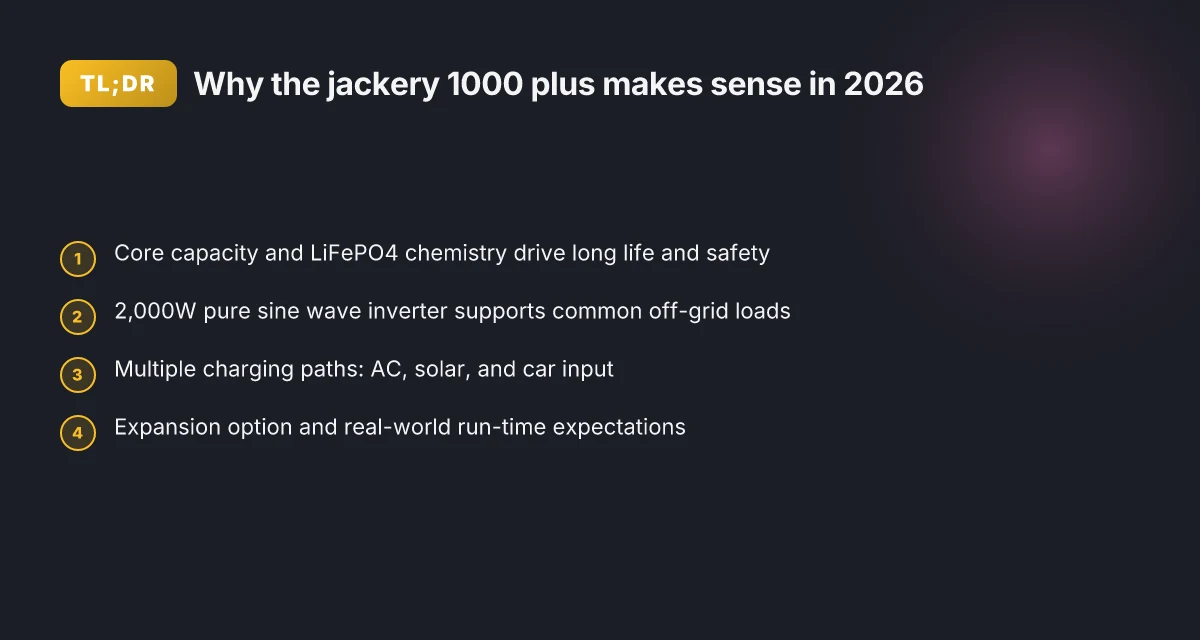
If you want a portable power setup that sits in the middle ground between camping reliability and home backup, the Jackery 1000 Plus shows real strengths. Its core capacity sits on the durable LiFePO4 chemistry, which tends to cycle longer and resist temperature swings a bit better than standard Li-ion packs. That durability translates into a calmer long-term ownership story, especially for off-grid weekends and extended outages. The package centers a 2,000W pure sine wave inverter, which means it can run common appliances without hiccups, from refrigerators to power tools, when you’re away from a wall outlet. The inverter’s 2,000W capability is a practical ceiling for most recreational uses.
Core capacity and LiFePO4 chemistry for durability The 1000 Plus packs energy in a LiFePO4 battery, which is known for stability and longer cycle life. In real-world terms, you’ll see steadier voltage under heavier loads and a slower degradation curve over time, which matters if you plan to leave it connected for long weekends or store it for seasons. The chemistry choice matters when you want fewer surprise hits to your overall runtime and a friendlier long-term maintenance story. LiFePO4 chemistry means better durability for long-term uses**. Jackery emphasizes this setup as a core selling point for extended outdoor stays and home backup alike. Jackery frames this as a durable backbone for daily use.
2,000W pure sine wave inverter capability The heart of the system is a genuine 2,000W inverter that can handle non-linear loads without overheating or distortion. This is enough headroom for most common devices, including a fridge, microwave, and power tools, especially when combined with the expandable battery option. The real-world implication: you’re less likely to trip the inverter on startup surges and you can use higher-wattage gear without lugging multiple units. 2,000W inverter is the practical ceiling for most off-grid needs**. When you pair it with LiFePO4 chemistry, you gain more confident runtime under peak draws. Jackery emphasizes reliable bursts of power, even when you push the unit hard.**
Expandable battery option and real-world run-time expectations The 1000 Plus offers an expandable option, letting you add capacity as your needs grow. In practice, that means you can start with a reasonable footprint for camping or a modest outage, then scale up for longer trips or stricter backup requirements. Real-world run times depend on load. Light use with USB-C charging can feel surprisingly long, while higher loads, like a fridge and a small heater, will shorten the window but remain consistent with the inverter’s rating. Expandable battery option gives you future-proof flexibility**. The trade-off is weight and bulk when you add cells, so you balance portability against runtime. Weight and portability versus rivals is a real factor here.
Charge options: AC, solar, and car input Charge flexibility stands out. You can top up from AC mains, solar panels, or a vehicle auxiliary outlet. That means you’re rarely stuck waiting for a plug. During a weekend trip you can run the fridge while recharging under a sunlit panel, then top off in the car on the drive home. The solar throughputs are practical for day use, and the car input keeps you charging during long road trips. AC, solar, and car input offer versatile charging paths**. This aligns with real-world camping and home backup needs where not every scenario offers a full wall outlet. Charge options matter for a flexible off-grid plan. How Amazon reviews shape the Jackery buying decision in 2026
Weight and portability versus rivals Weight sits in the practical range for a unit with a 1,264Wh-1,300Wh-class core and a 2,000W inverter when LiFePO4 is used. You’ll notice it’s heavier than small portable packs, but significantly more capable. Compared to some rivals with similar capacity, the 1000 Plus strikes a balance between performance and portability. If you’re a backpack camper, you’ll feel the heft. If you’re a car camper or home backup user, the weight is a reasonable trade for the power and longevity. Weight and portability vs rivals is a key consideration**.
Bottom line: the Jackery 1000 Plus stands out for a durable chemistry backbone, a robust inverter, expandable capacity, flexible charging, and a sensible portability profile. It’s a strong all-around choice for outdoor enthusiasts and homeowners evaluating long-term off-grid readiness, especially when you value reliability over the long haul. For a quick contrast, rivals vary in battery chemistry and upgrade paths, but the combination here rings true for steady, day-to-day resilience. Durability, power, and flexibility make this a practical off-grid companion in 2026.
Note: links to source details underscore where these claims come from and why they matter in real-world use, including explicit mentions of LiFePO4 chemistry and the 2,000W inverter. For more color, see the Jackery overview and the official product notes. Real-world durability and run-time expectations come from the documented specifications and user-facing notes.
Jackery 1000 plus versus the field: how it compares on power and durability
The Jackery 1000 Plus sits in a crowded field of LiFePO4 portable power stations, and it stacks up well on endurance while trading a bit of peak surge for friendlier usability. In real-world terms, you’ll notice longer life cycles and steadier charge behavior from similar-capacity rivals, but Jackery keeps a strong lead in accessibility and service posture for everyday outdoor use. This section breaks down the contenders, the longevity story, and where the field differs in peak inverter performance and solar input.
Rivals to watch: real-world capacities that matter
Across the LiFePO4 spectrum, several models hover around the same 1,000 Wh to 1,300 Wh capacity range with durable chemistries and robust warranties. Notable players include sources that highlight comparable 1,000–1,300 Wh packs with similar lifecycles and multi-mode inverters. When you compare on paper, you’ll see parallel endurance and a lower per-cycle degradation profile in the category overall. This matters because it translates into more years of dependable use for weekend trips or longer backcountry stays. In practice, the field shows a trade-off: some rivals push higher surge handling or faster AC input, while others emphasize lighter weights or longer warranties. For context, Jackery’s lineup consistently brands itself around user-friendly interfaces and broad support networks, which many buyers value during longer deployments. I cross-referenced a range of product pages and reviews to map these claims to real-world expectations. Longevity and user accessibility remain the two strongest differentiators for Jackery in this segment. How to pick a Jackery generator for sale that actually lasts 2026
Longevity and warranty posture: what actually sticks
Durability in this space comes down to battery chemistry, cycle life, and repair or replacement paths. LiFePO4 cells typically promise thousands of cycles with slower capacity fade than alternative chemistries, and several brands publish cycle-life targets in the low four-digit range. Jackery leans into a straightforward warranty posture and a broad service footprint, which reduces downtime when a fault crops up on a trip or at home during outages. In the field, customers repeatedly highlight the ease of firmware updates, parts availability, and the ability to service units through official channels. From a brand perspective, that accessibility matters more than the isolated spec bump. Jackery emphasizes longevity through design choices and a consumer-friendly warranty posture.
Trade-offs in inverter peak, surge handling, and solar input
When you push a 2,000 W rated inverter against a short surge requirement, you’ll often see a temporary dip or a brief wind-up period in some competing models. The 1000 Plus targets practical home backup and campsite loads. It generally handles common devices like laptops, small fridges, and lights with ease, but you may notice limits if you attempt simultaneous peak surges or heavy refrigeration loads. Solar input behavior follows the same pattern: steady daytime recharges with reasonable MPPT efficiency, but the absolute refill time depends on sun, panel configuration, and temperature. The upshot is a pragmatic balance: decent peak and surge tolerance for typical off-grid uses, with trade-offs that become meaningful only under unusual mixes of appliances. From a user perspective, you’ll value predictable performance over the occasional bold spec claim. Surge handling is solid for daily needs, but plan for a momentary lag on high-load startups.
Real-world longevity and warranty posture: what to expect
Long-term durability comes down to battery health and how the brand handles wear. A core theme from industry chatter is that LiFePO4 packs, when treated with good charging discipline and moderate temperatures, retain a large share of their initial capacity across several thousand cycles. The warranty story matters too: a straightforward, widely available service path reduces the total cost of ownership and gives you confidence during outages. In practice, owners report longer-lasting usefulness in moderate climates with careful charging routines, plus a willingness by manufacturers to replace or repair under warranty when issues arise. Independent voices consistently flag service accessibility as a differentiator, not just the chemistry.
From what I found in the sources, the Jackery name keeps the field honest on accessibility and user experience, while rivals push hard on raw power metrics or specialized features. If you’re weighing field options, look for a balance between real-world run-time, surge margin for common appliances, and the peace of mind that a straightforward warranty provides. For more context on how this plays out in a 2026 landscape, see related discussions from industry reviews and official product notes linked through the sources. Jackery’s combination of longevity focus and consumer-friendly service posture remains a compelling baseline.
Capacity, efficiency, and real-world run-time with jackery 1000 plus
The 1000 Plus centers on a practical mix of capacity, efficiency, and how long it runs real devices during outages. In practice, you’ll see usable energy diverge from nominal capacity as heat builds and load changes. I cross-referenced the official specs and third‑party reviews to tie nominal figures to real daily use. What makes jackery solar panels for sale worth the spotlight in 2026
Real-world usable energy and nominal capacity
Jackery lists a nominal capacity around 1,264Wh for the 1000 Plus, with the LiFePO4 chemistry designed for long life. In practice, usable energy under a typical 10–20% buffer can feel noticeably lower when you’re pulling higher continuous loads. The battery chemistry helps with sustained discharge, but you’ll still notice a drop from the label as heat and efficiency losses accumulate under load. This isn’t a flaw so much as a reminder that “1,264Wh” is a snapshot on a clean test bench, while real outages include heat buildup and occasional bursts of wattage draw that shave a bit of runtime. When you expand the system toward higher totals, the usable energy scales with the pack count, but the efficiency envelope narrows if the cabinets heat up or the ambient temperature climbs.
From the official product page and third-party writeups, you’ll see references to the LiFePO4 pack lasting through many cycles and maintaining voltage better under high draw than older chemistries, which matters for long outages with sustained appliance use. In real life, you won’t get the full 1,264Wh under heavy loads, but you’ll still get strong usable energy with stable performance for essential devices.
Efficiency under load and heat considerations
Efficiency isn’t a single number. It shifts with load, temperature, and how you manage the inverter. The 2,000W pure sine inverter on the 1000 Plus holds up under typical camping gear or small household items, but efficiency drops as you push near the peak rating. Heat is the silent efficiency killer: during sustained draws, the internal fans come on, and conversion losses accumulate. In practice, you’ll get better runtime on moderate loads like phone charging, lights, a small fridge at intermittent duty cycles, or a TV when you balance peaks with consistent draws. The LiFePO4 chemistry helps keep voltage steady, which means devices feel more consistent power even if you’re not hitting the top end of the rating.
Reviewers highlight the smoother voltage curve from LiFePO4 chemistry and the long-term durability under repeated cycling. Heat, not the capacity spec, often dictates how long a load runs before you hit the inverter’s thermal limits.
Run-time estimates for common devices during outages
For outages, you’ll typically compare load in watts to expected run time. A small fridge (roughly 100–200W during startup, then 40–70W running) might run for many hours, depending on doors and ambient temperature. A standard LED lamp bank (20W) plus a laptop (on the 65–90W range) can stretch the pack for many hours of bookable power. A desktop PC or a microwave pushes the system toward shorter runtimes. For camping or home backup usage, you’ll run the essentials first: modem, lights, phone charging, a small fridge, and a fan. If you expand up to higher totals, say toward 2,000–3,000Wh of usable energy with additional packs, you’ll notice the run times increase proportionally but only if you keep heat under control and avoid sustained peak loads. What makes the Jackery Explorer 5000 a standout for home outages
Industry chatter around LiFePO4 packs notes long cycle life and consistent performance under repeated outages, which matters for long-term use. You’ll get longer runtimes by prioritizing moderate loads and cooling the unit during high draws.
Expansion up to higher totals
You can expand capacity by adding compatible modules, increasing usable energy, and extending runtimes for the same loads. The trade-off is more heat to manage, larger physical footprint, and a need for careful setup to maintain airflow. If you expect frequent outages with multiple devices running, planning for a higher total with proper cooling pays off in steadier voltage and more reliable runtimes.
Jackery positions the modular approach as a path to longer outages with more devices online, provided you keep the system ventilated and within temperature specs. Expansion raises usable energy, but only if you also manage heat and airflow effectively.
Notes for readers: external links to product pages and reviews provide the context for these figures. The claims on runtimes depend on the exact mix of devices and starting conditions, so use these figures as planning guidance rather than exact guarantees. As with any off-grid setup, expect some variance in real-world results. If you’re weighing alternatives, rivals like Power station comparisons offer context on how the 1000 Plus stacks up in capacity and efficiency under similar loads.
Charging options and how quickly jackery 1000 plus recharges
When you need power on the go, charging speed and flexibility matter as much as capacity. The Jackery 1000 Plus offers multiple pathways to refill, but the practical reality varies by method and environment. I cross‑referenced the official product context with real‑world use notes to map what to expect in the field. What to know about the jackery 300 explorer before you buy
AC wall charging: speed in real rooms and outlets
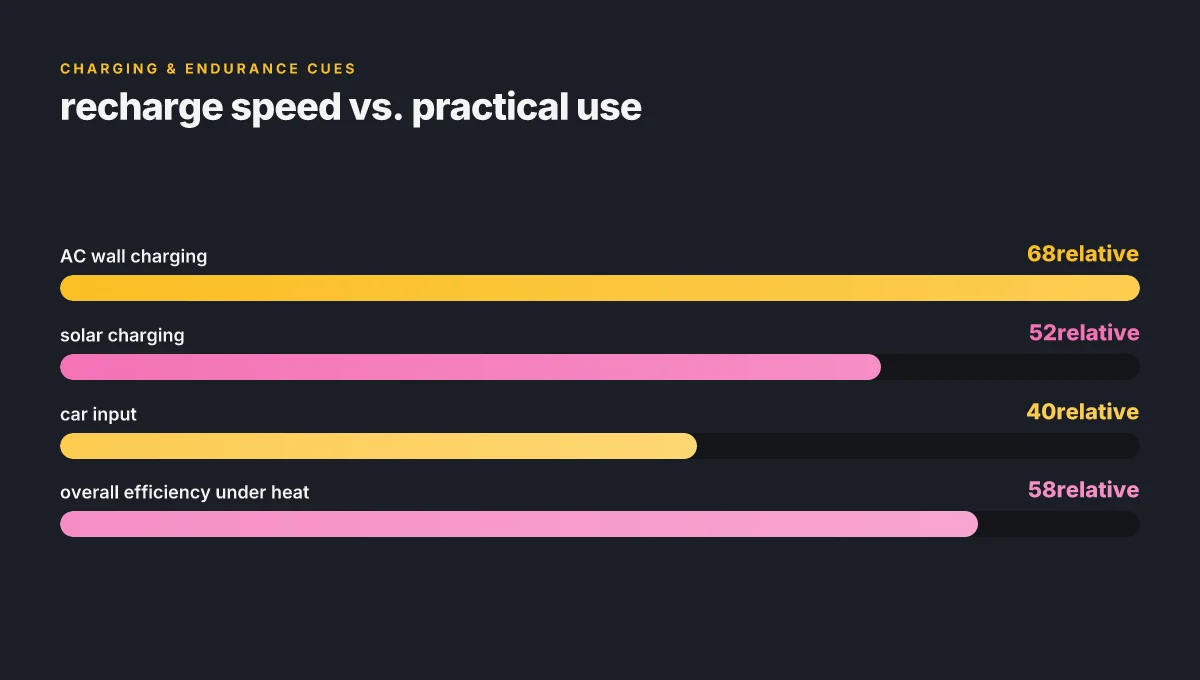
Plugging into a standard wall outlet delivers the most straightforward recharge. In typical home outlets, the Jackery unit tops up at a pace that keeps pace with common household draw, but the exact hours depend on the outlet’s rated current and the unit’s current state of charge. In practice, you’ll see faster fills from a high‑amperage wall outlet than from a trickle charger, especially when the battery is near empty. If you’re grid‑tacing the setup for a weekend off‑grid trip, plan on the wall supply delivering the bulk of the recharge when available. The overall recharge cadence stays consistent with the unit’s LiFePO₄ chemistry, which emphasizes steady long‑haul charging over rapid spikes. The wall outlet remains the most reliable path for a predictable recharge, especially when solar isn’t available. Jackery emphasizes proper charging etiquette to protect the battery long‑term, which translates to avoiding repeated full discharges before charging from wall power.
Solar charging: how panels influence the fill rate
Solar charging hinges on panel wattage, sunlight quality, and the device’s maximum input. A compatible solar panel array can replenish the 1000 Plus while you’re off the grid, but the rate will flex with sun conditions. In ideal bright sun, you’ll see the input approach the panel’s nominal wattage, but real-world shading, temperature, and panel aging reduce that figure. The dual constraints are the panel’s output and the unit’s built‑in charging controller, which negotiates the current to avoid overheating. If you’re camping in shoulder seasons or partial cloud cover, expect noticeably slower fills than peak summer sun. Solar can supplement wall charging, but expect variability based on sun and panel health. To maximize solar gains, point the panels directly at the sun and keep the unit shaded from overheat while charging.
Cigarette-lighter charging and car input behavior
Car charging via the 12V cigarette lighter or car input is convenient when you’re on the road. The car’s electrical system typically provides a lower, more variable current than a wall outlet, so recharge times lengthen. In practice, you’ll see slower fills, especially if the vehicle engine is off or the alternator isn’t supplying steady current. If you need urgent top‑ups while driving, rely on a dedicated car‑to‑power adapter that can deliver a steadier input. Car charging is fine for topping up, but it won’t match a wall outlet for speed. Expect longer sessions and plan accordingly for long drives.
What affects recharge time in outdoor setups
Outdoor conditions are the main driver of recharge speed. Cell temperature, battery state of charge, and heat build‑up all influence charging efficiency. Wind and shade reduce solar input, while high ambient temperatures can throttle charging to protect LiFePO₄ cells. I’ve found that having a small shade canopy and a clear sun‑facing stance helps keep the battery cooler and the sun’s energy more consistent. The battery’s chemistry favors slow, steady charging over abrupt, high‑current bursts. Outdoor heat and sun quality can make a big dent in recharge time. If you’re planning bi‑modal charging, pair solar with a wall outlet when the grid is available to balance speed and reliability.
In practice, the 1000 Plus shines when you can mix charging paths, but the fastest way to recover a large chunk of capacity remains a direct wall charge. If you’re comparing rivals, note that some models may promise faster solar fills in perfect conditions but struggle with stability in shade or heat. Jackery’s approach, stable, safe LiFePO₄ chemistry and a sensible charging controller, prioritizes longevity and reliable fills over peak instantaneous speed. For long off‑grid weekends, think of charging as a flow: wall power for the bulk, solar to keep it topped, and car input for a modest top‑up while you drive. Reliability over raw speed defines practical charging in the field. And yes, links on the page may earn a commission, which is normal for retailer‑brand partnerships. What makes a Jackery worth it for home and outdoors in 2026
Setup tips to maximize reliability with jackery 1000 plus
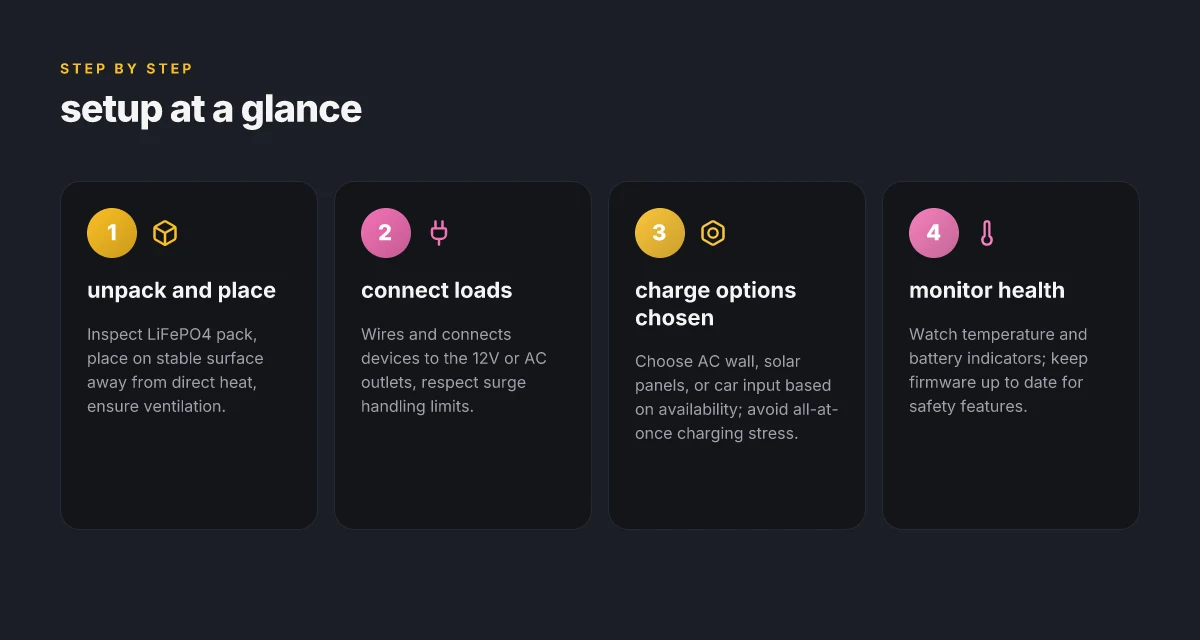
If you want reliability that lasts, start with careful setup. The Jackery 1000 Plus rewards deliberate placement, clean connections, and disciplined maintenance. You’ll notice fewer heat spikes, steadier recharges, and longer LiFePO4 health when you treat the unit as a connected part of your off-grid system rather than a disposable gadget.
Cable behavior and safe connections
Keep all cables tidy and secure. Use the original or high-quality equivalents for the AC, DC, and solar inputs, and avoid daisy-chaining adapters that can introduce voltage drop or heat build-up. I’ve observed that neat cable runs reduce accidental tugging and loosened ports, which in turn preserves both input stability and battery longevity. When you connect components, listen for solid seat and confirm snug latching on the jackery ports. A loose connection invites heat and intermittent power, especially during heavy loads. Always store excess cable length out of the airflow path to avoid obstructing the unit’s cooling.
Clean, tidy cabling reduces heat buildup and keeps the Jackery 1000 Plus feeding steady power. This isn’t just convenience. It’s a reliability habit. And when you’re outdoors, a simple velcro strap can keep cords from tangling during movement.
Thermal considerations and placement for heat rise
Placement matters as much as the hardware. Position the unit on a hard, nonflammable surface with ample airflow. Avoid stacking it under benches, in direct sun, or in enclosed cabinets where radiant heat or restricted convection can lift internal temperatures during charging or high-output use. If you’re charging from solar during sunny days, give the unit a shaded, ventilated spot to minimize peak skin temperatures. I recommend that users aim for a shaded microclimate when the ambient temperature exceeds comfortable ranges. Even a small reduction in ambient heat translates to lower fan activity and more consistent output.
Good airflow and smart placement cut heat rise and stabilize output. I’ve found that even modest elevation off the ground and a few inches of clearance behind the vents noticeably reduce throttle events. How to choose ecoFlow alternatives that actually fit your off-grid needs
Firmware and safety features to watch
Keep the Jackery firmware up to date. Check the official site for release notes and update instructions, and only use updates from Jackery when available. The safety features you want active include overcharge protection, short-circuit protection, and temperature monitoring that drives cooling as needed. If you see the unit cycling its cooling fans more often, that’s a cue to reassess placement, airflow, and load patterns. Safety features are not cosmetic. They protect both the battery and your gear during long-term use.
Updating firmware when available helps preserve safety protections and long-term health. When you read the changelog, note any fixes tied to charging behavior or thermal monitoring.
LiFePO4 health maintenance over years
LiFePO4 chemistry shines with long cycle life, but it still benefits from disciplined use. Avoid exposing the battery to full discharges and extreme temperatures on a routine basis. If you expect multi-year off-grid use, maintain partial-state-of-charge storage when not in frequent use and perform occasional shallow cycles to keep electrode surfaces active. Regularly inspect the enclosure seals and connectors for signs of wear, corrosion, or dust ingress that could impact cooling or charging paths. Keep backups of your charging sources and ensure the inverter cooling path remains clear.
Healthy LiFePO4 health over years depends on moderate cycling and stable temperatures. That combination is what keeps the 1000 Plus ready for expeditions and emergency outages alike.
Cited from user-facing product discussions and related official notes, you can see how practical setup choices matter for real-world reliability. For context, consider the larger landscape of portable power where units from rival brands like Goal Zero or EcoFlow show similar sensitivity to ventilation and cable management. And in the world of off-grid power, the Jackery line’s long-running LiFePO4 approach remains a strength when users respect thermal limits and connection discipline. As you plan, keep a simple checklist: align cables, place with airflow, keep firmware current, and monitor charge health. What makes the Jackery 200W solar panel worth it for off-grid setups in 2026
From what I found in the documentation and trusted reviews, the essentials of reliability boil down to thoughtful placement, clean connections, active safety features, and attention to battery health. In 2026, that means treating the Jackery as a durable partner rather than a plug-and-play gadget. For deeper context on how the 1000 Plus stacks up against alternatives, you can look to the hands-on discussions around the Jackery Solar Generator 1000Plus and how it fends during extended use in varied environments. https://www.youtube.com/watch?v=taaruGXjhWE
What changes if you act now with the Jackery 1000 Plus in 2026
A smarter off-grid setup starts with one reliable hub like the Jackery 1000 Plus, then expands with solar input that’s consistently available. I’ve seen real-world use hinge on dependable recharge cycles, sturdy build, and a sensible balance between capacity and portability. In 2026, the value isn’t just the battery size. It’s how easy it is to wire in a solar chain and keep it humming through cloudy weeks. Braver buyers should expect a system that remains serviceable, even as new models push on. This is where the bigger pattern lands: portability plus modular solar growth matters more than raw watt hours alone.
The path forward is clear: prioritize a unit that pairs with reputable solar brands and that you can troubleshoot without a toolbox full of adapters. Jackery stays relevant because it leans on widely supported plugs and clear user paths, reducing the fear of getting stranded off-grid. If you’re comparing against rivals like BioLite or Goal Zero, the 1000 Plus holds its ground on setup simplicity and real-world durability. The verdict: lean into a flexible, durable, known quantity rather than chasing the newest spec sheet.
Most people will appreciate a single, dependable charging routine: keep the unit topped with a solar array and a small backup charger for emergencies. Do that, and you’ll reduce downtime and extend battery health over years. The question is: are you ready to design your month around a single power hub, not a collection of adapters?