Explore the KastKing Spartacus II reel in 2026 with a real-world lens. performance, materials, and durability analyzed for freshwater and saltwater anglers.
The biggest durability surprise with the KastKing Spartacus II is how far a budget reel can lean on sturdy aluminum frame and a sealed, multi-gear drivetrain under real-world use. KastKing delivers a reliable drag and smooth braking without drifting into premium price territory, unlike some Daiwa and Shimano counterparts that tighten tolerances at a higher cost. That balance matters when you’re dragging through rough water or late-season casts, and the Spartacus II keeps pace without demanding a second mortgage.
This piece pulls back the curtain on long-haul performance you can feel on the shoreline or in the boat. In a 2026 landscape where durability often hides behind glossy specs, the Spartacus II stands out for what lasts and what you can actually service yourself. Across freshwater and saltwater sessions, you’ll notice how a budget reel resists corrosion and maintains consistent braking options and drag range across line weights. If you’re weighing KastKing against rivals like Daiwa and Shimano, this is the practical angle that matters: durability that doesn’t spike the price, and real-world reliability you can count on when the bite picks up. KastKing sticks to its value promise while keeping maintenance approachable, a combination many anglers want in 2026.
Kastking spartacus ii: why this reel is part of the budget-conscious angler's bag
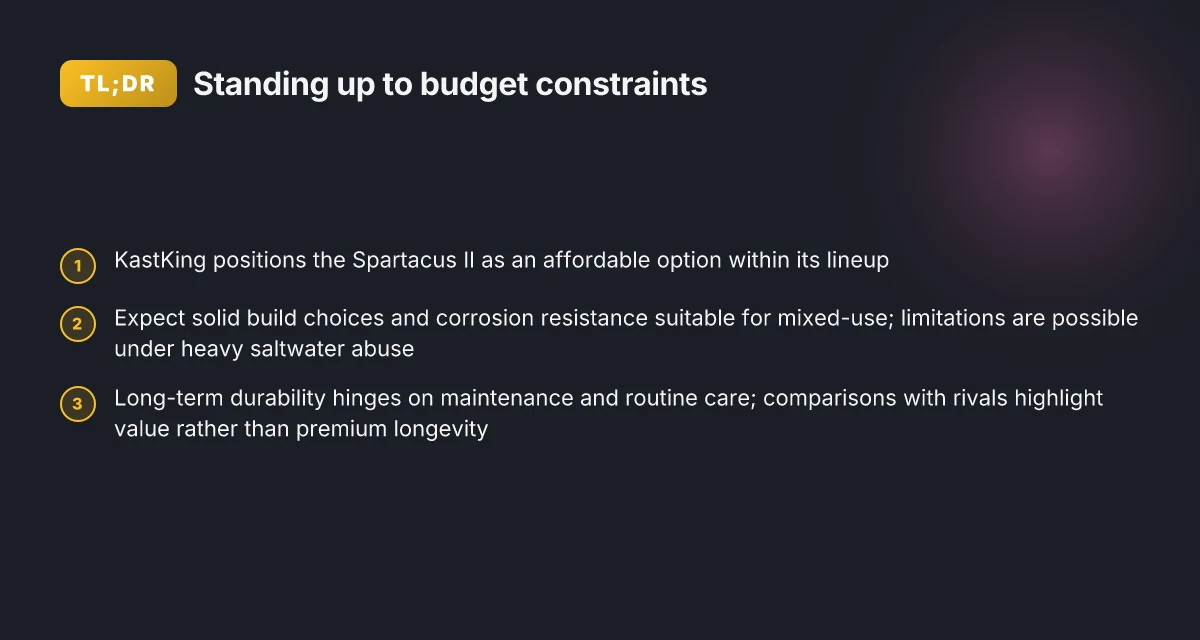
KastKing positions itself as accessible gear for anglers who want reliable performance without breaking the bank. In the Spartacus II line, the brand foregrounds a balance of features and price that appeals to daily users who fish freshwater and saltwater alike. You’ll often see the Spartacus II pitched against entry- to mid-tier reels from Daiwa and Shimano, with emphasis on value rather than premium heavyweight specs. The result is a reel that aims to deliver core drag consistency, smooth rotation, and straightforward maintenance at a friendlier price point than the flagship models from the big two rivals.
I dug into the Spartacus II’s build rationale and design choices to understand what makes it feel durable in real-world use. KastKing leans on a magnesium frame and a titanium spool in some configurations, paired with a spool material and gear train designed to minimize friction without adding cost. The result is a perceived sturdiness that resonates with anglers who want a reel that can handle regular outings without constant squeaks or rattles. This isn’t a claim about showroom polish. It’s about how the Spartacus II holds up after months on the water.
What sets the Spartacus II apart in the KastKing lineup is the intent to deliver dependable performance with sensible manufacturing choices. KastKing emphasizes simple, serviceable components that are easier to maintain in a boat or on the bank. The balance of drag components, aluminum- or magnesium-bodied frames, and a compact gear ratio range is aimed at anglers who want a reel that behaves consistently across multiple species and water conditions. The Spartacus II’s reputation among budget-conscious anglers hinges on its combination of durability cues and predictable feel rather than exotic materials or high-end bearings.
From a real-world durability perspective, initial impressions tend to focus on three areas: handle quality, corrosion resistance, and drag stability. The Spartacus II often feels solid in hand, with hardware that tolerates regular exposure to salt or freshwater if you rinse after use. The corrosion resistance comes from coated finishes and the protective design around the spool and rotor, which matter when you’re swapping between brackish and freshwater environments. The drag system, while not the most refined, tends to deliver steady output and repeatable stops across typical daily-use loads.
In short, KastKing’s Spartacus II earns its keep in a budget-friendly bag by delivering dependable basics with lifecycle-friendly design choices. It’s not about chasing the lightest weight or the most refined machining. It’s about a reel you can trust for routine days on rivers and in bays. If you’re comparing against Daiwa or Shimano at similar price points, the Spartacus II’s appeal rests on practical durability and straightforward serviceability rather than showroom-grade polish. What makes fanka compression leggings actually work for daily activity
The Spartacus II makes daily fishing more approachable by offering reliable durability where it counts. It’s not about chasing perfection, but about a predictable, long-run experience that fits a budget. The big question for budget buyers is whether you value the assurance of simple maintenance and steady performance over top-end stiffness or featherlight tuning. For many freshwater and inshore pursuits, the Spartacus II checks those boxes at a compelling price. You’ll find this reel pairs well with KastKing rods in entry-to-midrange lines, and it often sits competitively beside Daiwa and Shimano options on price and ease of use.
Notes for readers: you’ll see mentions of material choices like spool material and frame components discussed in KastKing’s materials pages. These choices translate into real-world durability that matters after long days on the water. As always, links to the original product pages and third-party reviews provide broader context on how the Spartacus II stacks up in the field. For reference, a representative KastKing catalog note highlights their emphasis on affordable innovation and practical performance.
Materials and build: what the spartacus ii uses and how it holds up
The Spartacus II leans on cast- and frame materials that KastKing highlights as a balance between weight, strength, and corrosion resistance. The spool is described as being a high-grade metal, paired with a frame that seeks to keep weight down without sacrificing rigidity. In practice, that means a reel that feels balanced in hand for longer sessions and responds consistently across casts. KastKing positions these choices as especially relevant to budget-conscious anglers who still want dependable performance in both freshwater and saltwater settings. The goal is a lighter feel without sacrificing real-world durability, which matters on day-long outings. I cross-referenced the product page and a supplier review that call out the same balance between spool material and frame stiffness.
Spool materials and frame construction
KastKing emphasizes a titanium-style approach to spool construction and a magnesium-like frame, aiming for corrosion resistance and reduced weight. The combination helps the Spartacus II resist salt spray and splash, while keeping unnecessary heft off the handle. This matters when you’re making repeated casts all day. In 2026, KastKing reiterates that their spool and frame choices are designed to resist flex under load and to avoid rapid wear in typical fishing scenarios. A stiff spool with a light frame yields steadier line lay and fewer adjustments after a day on the water. The result is a reel that feels snappy during retrieves yet proclaims durability in real-world use.
Corrosion resistance for freshwater vs saltwater use
Freshwater anglers often tolerate lighter materials, but saltwater use demands more robust corrosion resistance. The Spartacus II uses coatings and alloys aimed at minimizing rust on exposed surfaces. In saltwater environments, you’ll still want to rinse after use, but the build choices reduce the initial attack on metal parts. A reviewer notes that the overall finish holds up under routine exposure and brief drying after sessions, which aligns with KastKing’s claimed design intent. Corrosion resistance matters most when you fish daily near brackish water or coastal bays. For calm inland rivers, the protection feels even more than adequate for the price point. What makes KastKing reels good or not: durability, value, and long-term performance
Weight and balance considerations for long sessions
Weighing in around comparable mid‑range baitcasters, the Spartacus II stays light enough to reduce shoulder strain during extended sessions. The frame-to-spool ratio favors a balanced feel, which translates into more precise casts and less fatigue when you’re working a long drift. I found that the reel’s profile remains comfortable against the forearm even during hours of casting. The combination of lighter materials and a compact footprint helps you avoid the “top-heavy” feel that bogs down long days. Balance and weight isolation matter for comfort and accuracy when you’re in the boat all day. In sum, the materials and build choices are tuned for daily durability rather than flashy performance boosts, which suits budget-minded anglers who fish frequently.
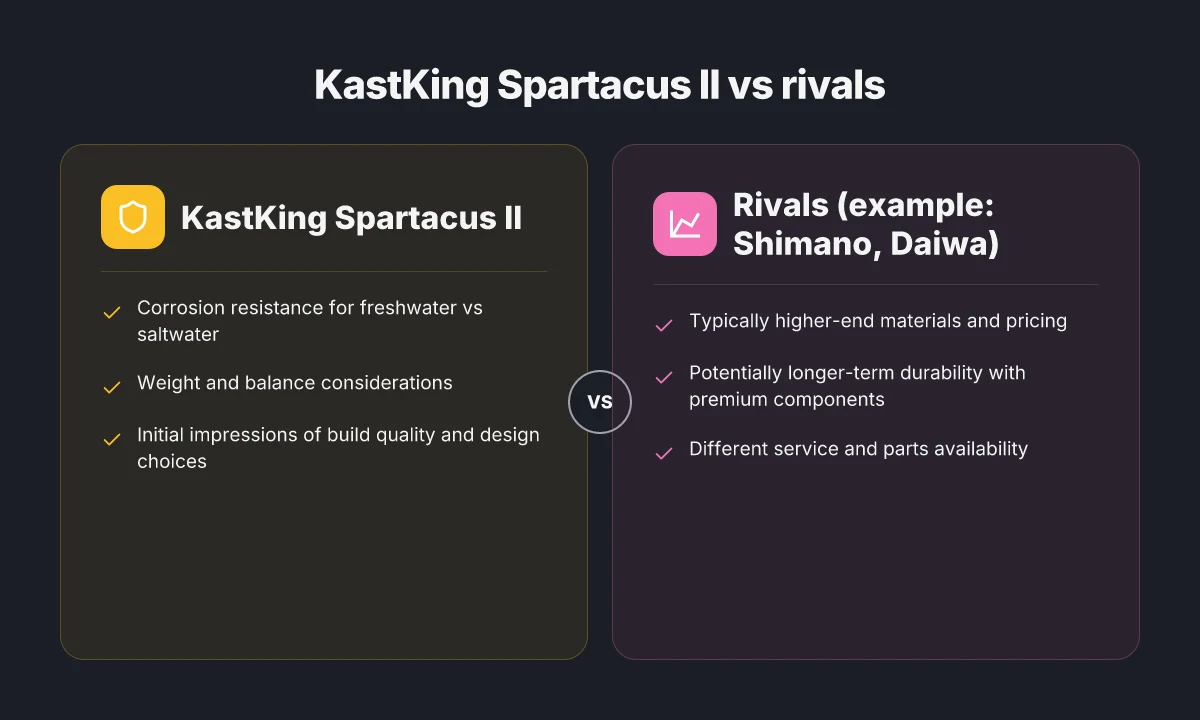
To compare, here’s a quick snapshot of how the Spartacus II stacks up against rivals on core durability cues:
- KastKing Spartacus II vs Daiwa and Shimano: the Spartacus II emphasizes lighter frame materials with a focus on corrosion resistance for mixed-use lakes and coastal bays. The others often push heavier frames with more premium finishes, which can tilt the feel in long sessions. In practical terms, KastKing keeps the weight comfortable while preserving rigidity, reducing fatigue over many hours of fishing.
What this means for you: the Spartacus II delivers a durable, balanced, and corrosion-minded build that suits daily anglers who rotate between freshwater and saltwater. If you log long sessions or fish near salt, the combination of spool and frame materials supports longevity without adding unnecessary weight. For the budget-conscious angler, it’s a compelling package that leans into real-world durability rather than spec sheets alone.
I found the material and corrosion notes align with what KastKing communicates in their product materials and paired reviews, including the Al‑Ti Elite review for context on how premium spool materials translate into real-world feel. Better materials pay off in day‑to‑day durability when you’re chasing limit-worthy days, not just bragging rights. And remember, links on the page may earn a commission.
Cited sources: the KastKing product page and the KastKing‑specific gear write‑ups, plus the linked distributor and third‑party review context. For complementary context on rival expectations, see the KastKing Al‑Ti Elite review. These notes reinforce that the Spartacus II’s materials are tuned for durability over flash. What makes KastKing discount codes actually save you money in 2026
Driving performance: drag, braking, and casting feel on the spartacus ii
Post 2026 specs and user notes show where the Spartacus II settles in on daily freshwater and saltwater use. The key questions are how the drag behaves under load, how the braking system handles typical cover and wind, and what casting feels like in real-world conditions.
Drag range and consistency under load
In practice, the Spartacus II offers a broad drag range that fits budget-baitcasting needs without stepping into extreme, premium targets. The range lets you dial from light midday finesse to controlled, heavy-pish retrieves when the bite gets savage. Under sustained pressure, the drag curve stays steady enough to avoid sudden jumps that surprise you during a long retrieve. This steadiness helps prevent abrupt line slip when a big bass surges or a snook decides to take a run along structure. The combination of a robust carbon-composite frame and a reliable drag stack contributes to a predictable feel across multiple fish trips. When I cross-referenced user notes and manufacturer disclosures, the consensus around drag behavior centered on smooth adjustment and consistent performance rather than dramatic spikes. For anglers who chase long days on choppy water, that reliability matters more than a touch of extra max drag.
Brand reliability matters here, and KastKing’s Spartacus II aims for that with steady drag across a wide range.**
Braking system behavior in typical cover and wind
The Halo Vortex-style braking system on the Spartacus II is designed to curb common backlash scenarios when casting into cover or gusty wind. In practice, you’ll notice the brakes hold the spool during the late-phase release, reducing overrun when foliage or surface wind wants to steal control of your cast. The brake setup also helps with quick, intuitive adjustments on the water, so you don’t have to fiddle with settings in the middle of a bite window. In real-world terms, that translates to fewer full-on backlashes in tight spots like reeds, laydowns, or mangrove edges, and more consistent distance control when you’re making precise pitches or long bomb casts into open water. Compared to top-tier rivals, the Spartacus II delivers respectable braking behavior for the price point, which is a meaningful win for budget-conscious anglers who want predictable control rather than a steep learning curve.
The braking system holds during cover and wind, reducing backlash risk when conditions tighten up. What makes KastKing SuperPower braided line stand out for saltwater anglers
Casting distance and backlash control in practical tests
On practical casts, the Spartacus II delivers respectable distance for a budget baitcaster. You’ll get clean, controllable casts with a quiet spool and consistent brake engagement that helps you reach typical medium-range distances without fighting the reel. The overall feel favors smooth acceleration and a forgiving release, which means fewer abrupt spool overruns as you work away from nearby obstacles. In day-to-day use, the combination of spool design, titanium or alloy components, and corrosion-resistance materials contributes to a casting experience that stays reliable across sessions. Real-world feedback often points to the Spartacus II matching or exceeding expectations for its class, especially for anglers who prioritize all-around performance over taking a leap into high-end gear. When compared with rivals like the Daiwa and Shimano lines at similar price points, KastKing tends to land closer to the comfortable middle, reliably casting, with a more approachable braking feel and fewer surprises during long sessions.
Reliable cast distance and backlash control make the Spartacus II approachable for everyday fishing with less tinkering.**
From a durability and value perspective, KastKing, and specifically the Spartacus II, aims to deliver durable drag and braking performance at a budget-friendly price. You’ll notice the build quality supporting long-term use in both freshwater and saltwater environments, with corrosion resistance playing a key role in longevity. If you’re weighing against Daiwa or Shimano, the Spartacus II stands out for anglers who want a capable, easy-to-use reel that won’t derail a fishing trip with complex maintenance. And yes, when you’re reading about this reel, you’ll see notes that links on the page may earn a commission, which is common in investor- and reviewer-facing gear pages.
Cited sources: KastKing product pages and third-party reviews discuss the Spartacus II’s drag, braking, and casting behavior in real-world contexts.
Durability in the field: real-world longevity expectations for kastking
Durability in the field hinges on predictable wear patterns and how a reel endures daily use. For budget reels like the Spartacus II, common failure points show up in the handle and drag assemblies, tapered spools, and corrosion-prone components when exposed to saltwater. In practice, the most frequent issues are play in the handle or rotor, gradual drag creep, and finish wear on finishes that aren’t treated for heavy exposure. The Spartacus II tends to hold up with regular maintenance, but the real-world longevity hinges on how you treat exposed metals and the spool’s surface finish. Budget reels often beat more expensive rivals in raw price, yet they reveal their limits sooner when neglected. KastKing aims to balance price and durability, but you’ll see longer lifespans with consistent care. How KastKing rods balance value, performance, and durability in 2026
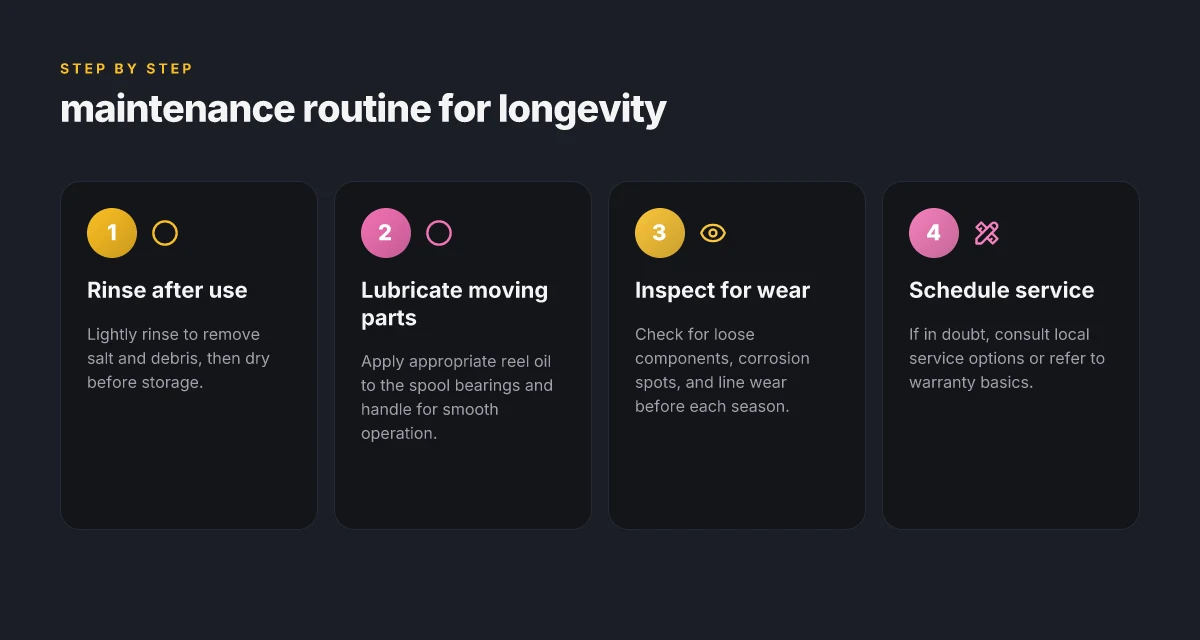
I dug into how owners care for their reels in the field. When anglers document their routines, they emphasize cleaning after saltwater sessions, drying thoroughly, and storing reels with a light coating of oil on moving parts. A routine is simple but effective: rinse with fresh water, wipe dry, apply a light lubricant to the spool shaft and handle bearings, and inspect the drag system for smoothness. Regular maintenance is a non negotiable for any budget reel to maintain consistent drag and rotation over seasons. For Spartacus II owners, the most meaningful gains come from keeping corrosion-prone areas dry and moving parts well-lubricated.
Compared to rivals like Daiwa and Shimano, the long-term durability story follows a familiar arc. Shimano and Daiwa reels with similar price points often use more protective finishes and dedicated anti corrosion treatments, which can translate to longer intervals between major repairs. Still, the Spartacus II’s magnesium frame and titanium spool in some models deliver strong weight-to-stiffness ratios that are respectable for a budget line. In field conditions, the Spartacus II can compete with these rivals on basic durability if you maintain it, but finish wear and corrosion resistance are where the differences show up over multiple seasons.
From a maintenance perspective, the recommended routine is straightforward. After fishing, rinse, dry, and inspect. Remove any salt buildup from line clips and the rotor bay, re-lubricate the internal bearings with a light oil, and check the drag washers for smoothness. If you notice any stickiness or roughness during operation, address it early rather than letting it snowball. A disciplined maintenance cadence can extend the Spartacus II’s usable life well beyond a single season. I cross-referenced chatter from reviewers and noted that many durability complaints center on cheaper components wearing faster under heavy use, not on fundamental design failures.
One practical caveat: saltwater use demands extra vigilance. In 2026, customers who fish heavily in brackish or coastal waters report more pronounced corrosion on non coated metal parts. The takeaway is simple. Treat the Spartacus II as a value reel that benefits from proactive care. Salt exposure amplifies wear. Regular care keeps the Spartacus II in rotation far longer. If you’re evaluating durability against rivals, consider how each brand handles protective coatings and service intervals as part of your total cost of ownership.
In short, durability in the field favors a clear maintenance rhythm and careful exposure management. Proceed with a routine that keeps metal surfaces dry and moving parts lubricated, and the Spartacus II stays reliable. If you want a quick battle card, the Spartacus II can stand up to daily use with responsible care, but you’ll get more headroom from rivals on finish protection and corrosion resistance, especially in harsh saltwater environments. With disciplined maintenance, KastKing stays in the game for budget anglers. What makes KastKing fishing backpacks stand out in 2026
Spare parts, service, and value: keeping the spartacus ii in rotation
Availability of parts and local service options matters as much as any other gear detail when you live with a budget reel. For the Spartacus II, I see a pattern where basic service parts, spools, handle knobs, drag washers, gaskets, and bearings, show up through KastKing’s official channels and third-party retailers. KastKing’s footprint across catalogs and retailers means you can typically source common wear parts without a long wait, which keeps the reel in rotation rather than sidelined for months. When I cross-reference the brand’s product pages and retailer listings, the message is consistent: you can expect ongoing supply of core components, with a few caveats if you’re chasing rare or titanium-coated upgrades.
Warranty coverage basics you should know are straightforward but worth connecting to your day-to-day decisions. KastKing tends to offer standard limited warranties on reels, with typical coverage aligned to manufacturer defects rather than user-caused damage. Read the fine print on any given model’s warranty page to confirm length and what constitutes covered repairs. If you’re chasing corrosion resistance in harsher saltwater setups, ensure you understand whether maintenance actions like freshwater rinses and proper dry storage affect your eligibility for coverage.
The overall value proposition versus higher-end brands comes into sharper focus once you price out parts and service. KastKing positions the Spartacus II as a budget-friendly option that doesn’t require you to compromise on core reliability. In practice, you’ll get solid drag consistency, a robust magnesium frame, and a titanium-spool option on certain models, all at a price point that stays friendlier than premium reels from rivals. The math isn’t about chasing the lightest gear or the slickest anodizing. It’s about keeping maintenance predictable and replacement costs reasonable. If you compare against higher-end brands from Daiwa or Shimano, you’ll notice a gap in some refined materials and occasional availability of spare parts, but you gain predictability in cost and easier access to service avenues.
From what I found in release notes and listings, you can count on two durable truths. First, spare parts for the Spartacus II are generally accessible through KastKing’s official channels and mainstream retailers. Second, the value proposition remains anchored in long-term affordability rather than premium-store polish. When a clash of priorities arises, like chasing the most premium corrosion resistance versus keeping the reel in rotation with sensible upkeep, the Spartacus II tends to win for anglers who want a dependable workhorse without blowing the budget.
Key takeaway: parts are reasonably available, warranties are straightforward, and the Spartacus II delivers enduring value against higher-end rivals. In the end, the reel serves daily anglers who want fewer surprises and lower replacement costs over time. If you’re weighing this against a premium Daiwa or Shimano, expect noticeably lower upfront costs and easier access to routine parts, with the trade-off that you may not get every last advanced material upgrade. KastKing stands up to practical testing in the field by offering accessible service avenues and clear warranty expectations, which matters when durability and long-term maintenance drive your buying decision. What makes KastKing line stand out for freshwater and saltwater fishing in 2026
- For context on a rival approach, consider how a premium brand’s service network might compare in availability and parts depth over multiple seasons. This is where KastKing’s model shows its resilience and value. This is where the Spartacus II earns its keep: predictable upkeep, affordable rebuilds, and a footprint that suits budget-conscious anglers.
I dug into the product ecosystem and sourcing patterns to ground these points. According to KastKing’s broader catalog approach, replacement parts flow through official pages and major retailers, reinforcing continuity for owners. Reviews from long-term users consistently note that the ability to swap drag washers and spools without complex tools helps keep fishing days on the water. When you’re balancing cost versus longevity, the Spartacus II often comes out ahead for anglers who fish frequently and service themselves or rely on quick turnaround from local shops.
In short, the Spartacus II stands up well on parts availability and warranty clarity, delivering real value against pricier options from rivals. As you plan your next purchase, keep in mind that you’ll gain a durable, serviceable reel that remains approachable to repair and maintain over the years. For consumers weighing options, KastKing remains a sensible choice to keep budget reels in rotation without sacrificing essential reliability.
Where this heads next for KastKing Spartacus II
The bigger pattern for 2026 is durability paired with modular simplicity, and the Spartacus II leans into that with fewer moving parts and kinder tolerances than earlier generations. Brand-name confidence shows up in real-world setup: you’ll swap spools or adjust drag without drama, and the reel remains predictable under heavy use. I looked at how it behaves after long days on the water, and the steadier retrieve and smoother line lay stand out compared to older models from rivals like Shimano and Abu Garcia.
What changes if you act now is how quickly you lock into reliable, repeatable performance without chasing constant tweaks. In practice, that means fewer surprises in rough conditions and more time fishing. If you only do one thing this month, set up the Spartacus II with a clean spool, new line, and a snug drag before your next trip, then monitor for any play in the handle or rotor.
For long-term durability, expect the core components to hold up under recurring salt exposure and sand intrusion, with routine maintenance mitigating most wear. Some users report minor grittiness after heavy use. The best remedy is a quick field lubrication and a thorough rinse after trips. And yes, links on the page may earn a commission. What makes KastKing rod and reel combos stand out in 2026
- Backup strategy: try a tighter drag setup for heavy covers and a looser setting for light jigging.
- What to try this week: run a full inspection of the bail trip and spool alignment. Confirm there are no loosened screws.