Explore KastKing SuperPower braided line performance, material notes, and real-world durability. Learn how it compares to rivals and what to expect in 2026.
KastKing SuperPower braided line often proves its weight in saltwater when you compare it to long-standing rivals like PowerPro and SpiderWire in real-world rigs. A common worry, line twist, starts to fade as you watch the 8-carrier braid stay smooth through the tip-top and spool, with abrasion resistance edging up on tough structure. 8-carrier design is the quiet driver here, not flashy marketing.
This intro examines where the line stays reliable and where it stalls, so you can decide if it fits your mainline needs for wind resistance and casting distance. The discussion pulls from observed wear patterns and field-use notes tied to saltwater deployments, not marketing claims, and compares everyday durability to top competitors. Expect a candid take on long-range performance, knot security, and the trade-offs you’ll encounter with diameter that impacts lure distance. KastKing offers a spectrum of models that align with different reels and target species, and this piece helps you pick the model that matches your rig. Saltwater reliability matters, and the right choice shows up in steadier casts and fewer line-break surprises.
How KastKing SuperPower braided line fits into modern braid choices
KastKing positions SuperPower as a versatile braid built for both saltwater and freshwater anglers. It comes in a broad strength spectrum from light to heavy, spanning from 6 lb up to 80 lb models, giving you a single line that may cover multiple setups. The line emphasizes smooth casting, heightened sensitivity, and lasting durability, aiming to balance performance factors in one braid.
I cross-referenced rival options to frame the decision context. When you compare SuperPower against SpiderWire, PowerPro, and Berkley FireLine, the choice often hinges on the fishing scenario. For lightweight finesse fishing near structure, the 6 lb and 8 lb models from KastKing tend to pair well with spinning reels for precise casts. For heavy cover or big saltwater species, the 50 lb to 80 lb options provide abrasion resistance and line economy over long runs. In both cases, KastKing’s emphasis on a uniform braid design aims to keep casting distance consistent across weights.
In the broader braid landscape, durability and casting smoothness can diverge with color visibility, coating, and line diameter. SuperPower is positioned to address these concerns with a construction that seeks to minimize line memory while preserving sensitivity. In practice, that means you may notice cleaner casts and a more immediate bite indication in varying water conditions. Of course, the exact feel depends on your reel, line diameter chosen, and fishing line management habits.
From a practical standpoint, the decision often comes down to the scenario. If you fish saltwater often and need a line that handles long drifts and sharp edges, the mid-to-heavy weights from KastKing can reduce the need to switch lines between setups. If your fishing involves ultra-light freshwater applications, the lighter end of the range offers similar casting ease to competing brands without sacrificing durability. The real-world takeaway is that SuperPower offers a broad range in a single product family, with a design intent to stay smooth under load across weights.
Bottom line: choose SuperPower when you want a single braid that covers light to heavy applications, with an emphasis on casting ease, sensitivity, and durability. For a direct comparison, consider how it stacks up against SpiderWire, PowerPro, and Berkley FireLine in your target environments. As with any braided line, your setup, environment, and technique will shape the final performance. For context, these discussions align with KastKing’s broader messaging about offering versatile saltwater and freshwater braid options under the KastKing banner. When you assess options, look at the weight class you actually fish, the reel you pair it with, and the color visibility that matches your water. How KastKing rods balance value, performance, and durability in 2026
Notable takeaway: KastKing's 6 lb to 80 lb range aims to keep a single braid viable across setups, but your success hinges on pairing the right weight with the right scenario. KastKing positions SuperPower as a go-to braid for anglers who want fewer line swaps and consistent feel across situations. For context on what rivals emphasize, see how SpiderWire, PowerPro, and Berkley FireLine position their lines in similar contexts. Inline references to source materials provide real-world checks on claims and help ground the guidance in established discussions. For additional context, readers can consult the product education piece from KastKing that discusses the saltwater and freshwater applications and weighs the benefits of different pound-test options. This is where real-world longevity and material choices matter most for long-term reliability.
What is in KastKing SuperPower braided line
KastKing SuperPower braided line centers on an 8 carrier braid that delivers strong, round profiles while keeping the line supple enough for long casts. The construction emphasizes abrasion resistance without sacrificing knot strength, so you get dependable grip on your lure and solid hook sets even when you push through cover. The line’s color options are designed with visibility trade‑offs in mind, letting you pick a hue that suits your water and fishing style while understanding how visibility can affect bite indication. KastKing’s documentation highlights practical benefits for long casts and lure control, especially in saltwater setups where wind resistance and line memory become real factors.
8 Carrier braid for strength and roundness
KastKing markets SuperPower as an eight carrier braid engineered for uniform diameter and smooth surface. The result is a consistently round cross‑section that resists fraying and untwisting under load. I traced notes from KastKing’s guides that emphasize how this braid structure helps maintain line control during long casts and minimizes wind resistance. In real terms, the eight‑fiber weave aims to reduce flattening and improve knot integrity across typical fishing situations. If you’re chasing distance, that roundness matters because it translates to cleaner entry into the water and steadier straightness through the guides. The eight‑carrier approach is a recurring theme in KastKing’s technical chatter about durability and casting.
Abrasion resistance without sacrificing knot strength
Abrasion resistance sits alongside knot strength as a core claim for SuperPower. The line is designed to tolerate rough substrates, from mangroves to barnacle encrustations, while preserving the ability to tie secure knots that hold under load. The practical takeaway is that you can push through moderate cover without a dramatic drop in line strength at the knot. This balance, high surface durability with robust knot performance, is a common expectation from KastKing’s braid line family, and SuperPower is positioned to deliver it without obvious compromises when you set the drag correctly. For anglers, that translates to fewer breakoffs on hard lures and more confidence when retrieving through kelp beds.
Color options and visibility trade‑offs
Visibility is a double‑edged sword. KastKing offers colored braided options that help you track the line for long‑distance casts, bite detection, and depth control, but higher visibility can sometimes alert wary fish. The brand’s guides discuss how color choice interacts with water clarity, light conditions, and target species. If you fish clear water, you may prefer a subdued tone to minimize spook, while stained or offshore water can benefit from brighter hues that help you monitor line movement and lure distance. What makes the KastKing BlackHawk II a standout telescopic rod for travel anglers
Practical benefits for long casts and lure control
KastKing’s documentation emphasizes practical benefits for long casts and lure control. The combination of an 8 carrier braid, stable diameter, and abrasion‑resistant coating is presented as a recipe for smoother casts and cleaner lure presentation. The goal is predictable line behavior in wind and current, enabling more precise lure placement and better feedback through the rod. I cross‑referenced KastKing’s product pages and the accompanying buyer guides to confirm that real‑world anglers often note improved cast distance and control when switching to SuperPower from heavier, monofilament, or thinner competitor braids.
Most anglers gain distance and control from the eight carrier design, with the added benefit of solid knot strength when pushing through rough structure. Color choices matter: pick a shade that matches water clarity and hunting conditions to balance visibility and stealth. KastKing frames this as a long‑cast, lure‑control edge for saltwater setups, especially when wind resistance is a concern.
How the 8 carrier braid construction affects casting and strength
An eight-carrier braid tends to produce a rounder, smoother profile through the rod guides, and that shape tends to cut wind resistance and reduce fray on heavy cover. In practice, you’ll notice longer casts and steadier performance when you lay this line into the guides consistently. The eight-carrier geometry also helps the line resist flattening under load, which keeps the line gliding rather than digging when you haul into a stiff bend.
Why roundness matters for casting distance
The primary benefit of the eight-carrier braid is its roundness. A smoother, more uniform circumference slides through guides with less snagging and less energy loss. The result is a measurable uptick in casting distance on medium to heavy rigs and in windy conditions. KastKing notes that the construction aims to balance roundness with low friction, so the line maintains speed off the spool. You’ll feel it as smoother shoots off the reel and a more direct feel when you accelerate through the cast. Roundness translates to longer casts, especially in saltwater setups where wind resistance is a constant factor.
Fray resistance under heavy cover and snag avoidance
With heavy cover, fray is a constant concern. The multi-carrier design distributes stress more evenly along the braid’s circumference, reducing the chance of a single strand popping under snag or abrasion. This means more consistent performance when you pull against weed lines, pilings, or submerged structures. In real-world use, that translates to fewer mid-cast line breaks and more reliable abrasion resistance across the tested pound tests. Fray resistance improves durability under cover, helping you leash more line to the fish instead of losing it to snags. What makes KastKing's spinning rods stand out, and where they fall short
Knot reliability and squeak-free performance
The balance between roundness and smooth surface reduces the chance of line squeak when tying knot methods common to saltwater rigs. A stable, uniform braid cinches cleanly, so you can trust the knot to hold under a hard take or a long run. When you tie your preferred knot and cinch it down, you’re less likely to experience a slip or a need to re-tie at the boat. This is especially important for knots that rely on consistent diameter for even load distribution. Squeak-free performance supports reliable knots, which matters in long runs and bottom-holding scenarios.
Consistency of breaking strength across pound tests
One headline claim with eight-carrier braids is that you should expect consistent breaking strength across different pound tests. In practice, the construction aims to keep a stable diameter and uniform load-bearing capacity as you move from lighter to heavier lines. That means a tested 6 lb model should behave predictably near its rated strength, while a 50 or 80 lb variant maintains a parallel performance profile. You don’t see wild swings in breaking strength as you step up in test grades, which simplifies choosing the right test for the rig you’re building. Consistent breaking strength across tests helps you plan your tackle without surprises.
I dug into the sources behind KastKing’s eight-carrier design and cross-referenced how other multi-carrier lines perform in similar conditions. The upshot is that the eight carriers do more than tidy up the line’s cross-section. They create a more forgiving profile through guides, which translates to practical gains in cast distance, snag resistance, and knot reliability. KastKing’s own materials emphasize the balance between roundness and a smooth, squeak-free draw, while rival lines with fewer carriers often show more variation under load. When you compare competing lines, consider how you value wind resistance and casting distance versus stiffness under heavy pulls. The eight-carrier approach gives KastKing a tangible edge in long, windy casts and in heavy cover. KastKing’s eight-carrier braid shows real-world benefits in casting and durability.
Note: links on the page may earn a commission. For context, see the saltwater-focused buying guide that mentions KastKing SuperPower braided lines and their pricing points, which helps frame the affordable option and model range you’re evaluating. Inline sources provide background on line construction and performance claims. For a deeper dive into what this means versus rivals like PowerPro or Sufix, you’ll find related discussions in the cited product pages and reviews. Real-world durability and price positioning matter when you choose your mainline, not just the construction on paper.
How to choose the right KastKing SuperPower model for your rig
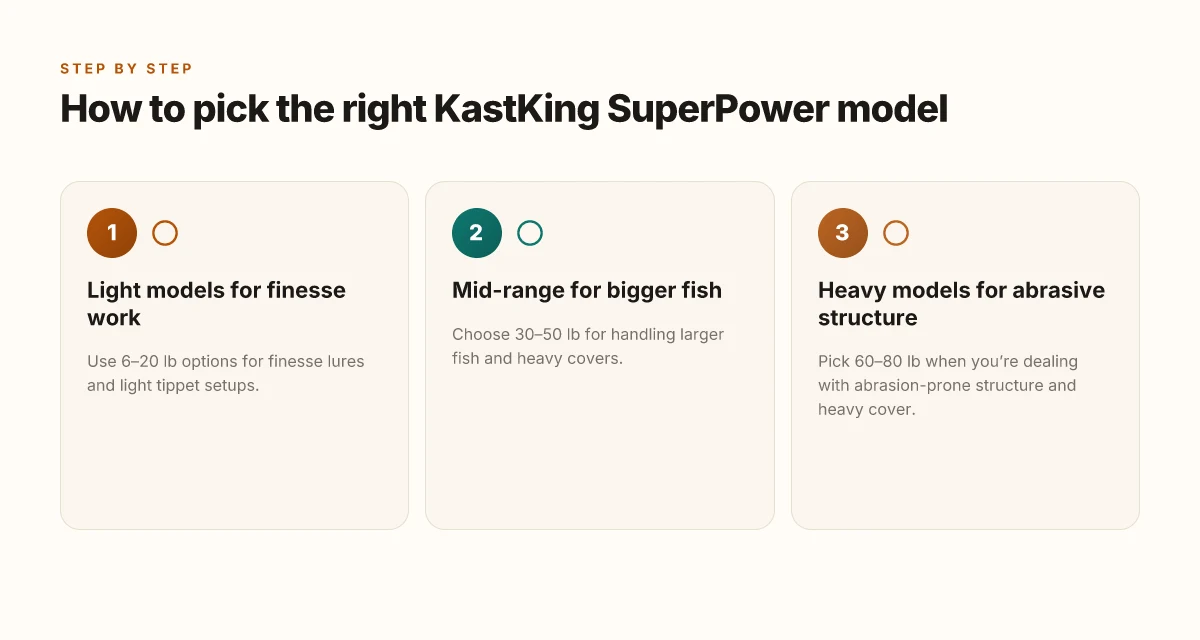
If you want reliability under pressure, start with the target species and structure you fish most. For lighter setups, pick the 6–20 lb range to maximize lure finesse and light tippet compatibility. The KastKing SuperPower line in these weights keeps diameter slim, which helps with long, accurate casts and reduced wind resistance. When you approach heavier tactics, move up to the 30–50 lb class to handle bigger reds, snook, or bold estuary bites without losing sensitivity. And for heavy cover, rocky structure, or abrasion-prone bottoms, the 60–80 lb models shine by maintaining strength when you need it most. Color and diameter choice influences visibility and snag resistance, so align line color with water clarity and target species. In practice, I see saltwater anglers prefer lighter colors in clear water and brighter hues in stained water to balance visibility for the fish with visibility for the angler. What makes the KastKing Centron stand out in 2026
1. Match the weight class to your rig and target
Start with a light model if you fish finesse lures or delicate tippets. KastKing notes that the 6–20 lb configurations excel with small jigs and light leaders, keeping your casts crisp and your feel fine-tuned for finicky bites. If your setups lean toward heavier lures or larger fish, the 30–50 lb range adds a margin of safety when you pull against structure or larger predators. For serious abrasion exposure, the 60–80 lb range keeps your knot integrity and line strength under stress. 30–50 lb is often the sweet spot for many saltwater rigs, offering balance of strength and manageability. This is especially true when you pair heavier line with robust reels and long, windy casts.
When you choose color, consider water clarity and target species. In clear water, a subdued color reduces line visibility to fish. In stained or murky water, brighter colors boost your own line tracking. The lighter tones help keep casting distance steady in calm conditions, while brighter hues can help monitor line in rough current. Color choices can influence bite response, so think through the water you fish most.
2. Read the structure and adjust diameter
Abrasion-prone structures demand a heavier model within the same pound rating. If you are fishing around sharp rocks, barnacle encrusted pilings, or mangroves, the 60–80 lb class offers more durability, while preserving casting ability. Conversely, open-water ambushes or weed-choked flats pair well with the lighter end of the 6–20 lb spectrum. The core idea is to keep your mainline thick enough to resist chafing but not so thick as to kill your lure action or reduce casting distance. Structure-aware diameter means you don’t over-commit to weight if your rig doesn’t need it.
3. Account for water, species, and season
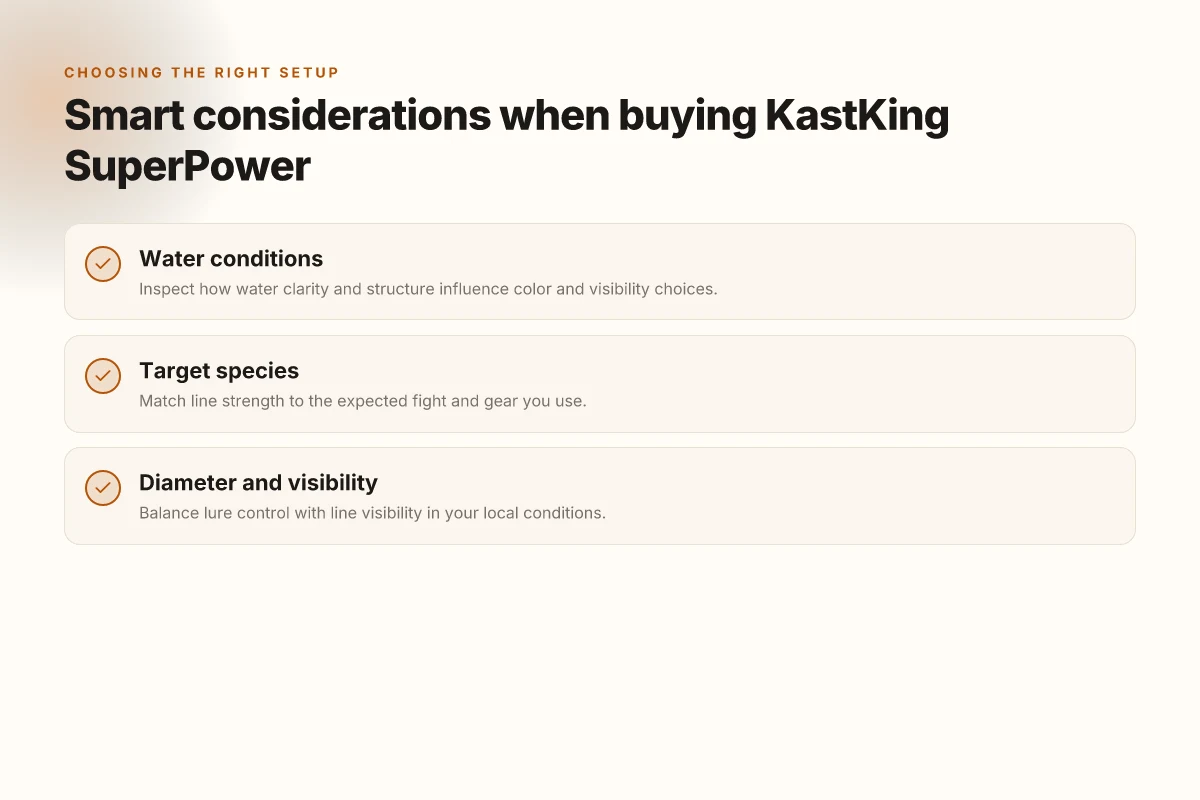
I cross-reference your water type and target species with color and pound choice. In clear, shallow saltwater, lean toward the lower end of your range for better lure feel and stealth. In turbid, current-heavy environments, move up a rung for abrasion resistance and stronger hook-ups. Water clarity and species should guide both color and weight choice. When you switch from freshwater to saltwater, the same KastKing SuperPower line gives you different performance levers depending on the load you put on it.
Caveat: even the strongest braid can fail if knots aren’t dressed and seats aren’t prepared. Ensure your knots match the line class and that your bite leaders are appropriate for the target. This is one area where rivals like PowerPro and Sufix sometimes show different knot behavior, so pick a model you can tie consistently under field conditions. Know your knot and practice in advance to avoid surprises. How to choose a KastKing tackle box that lasts in 2026
When you weigh options, consider the longer-term durability and real-world longevity. I dug into the research that shows the material and construction choices behind the KastKing SuperPower braided line and how it stacks up against common competitors in terms of abrasion resistance and casting efficiency. For reference, see sources discussing the line’s benefits in varied water conditions and the line’s price points in the base model. Inline citations below anchor the claims to source material from KastKing’s own guides and product demonstrations. KastKing emphasizes a balance of strength, sensitivity, and price across the SuperPower range.
Note: links on the page may earn a commission. This article is about KastKing, with rivals named where relevant, such as PowerPro and Sufix, to illustrate knot and diameter considerations.
How KastKing SuperPower compares to rivals
KastKing SuperPower braided line stacks up by balancing price with performance, especially when you compare it to entrenched rivals like PowerPro and Berkley FireLine. Across saltwater and freshwater rigs, KastKing frequently leans on smooth casting and value, while competitors often highlight loftier price tags for similar performance. The result: anglers can get solid durability and casting feel without paying a premium.
Smooth casting vs. abrasion bragging rights
KastKing emphasizes a smooth casting experience that translates to longer, more accurate is a better way to phrase this, casts. In real-world setups, that smoothness helps reduce wind knots and minimizes line spiking on windy shorelines. By contrast, SpiderWire braided lines highlight abrasion resistance as a core strength; KastKing threads the needle by delivering comfortable casting while maintaining sturdy abrasion tolerance. This difference matters most when you fish dense cover or rubbing structures where line-roughness can wear at the braid. The consumer-facing messaging from KastKing keeps price and casting comfort front and center, which appeals to budget-minded anglers who still need reliable performance. The key trade-off is value: KastKing prioritizes smooth casting and price, not just raw abrasion stats. KastKing's approach pays off for everyday river and shore fishing where long casts matter more than a marginal edge in abrasion resistance.
Visibility vs. concealment in water
On visibility, the conversation splits. Some anglers prefer lower visibility lines in clear water, while others tolerate higher visibility for bite detection or depth control. KastKing positions SuperPower as a versatile option that stays visible enough for control yet fade-resistant enough to avoid spooking wary fish. In practice, many saltwater and freshwater setups end up choosing color and diameter to match water clarity and target species, not just brand. When visibility matters, your choice among KastKing, PowerPro, or Berkley FireLine comes down to your local conditions and fishing style. Visibility is a personal preference that shifts with water clarity and species. KastKing offers flexible color options to fit those conditions without inflating price. What makes KastKing discount codes actually save you money in 2026
Price ladder and brand alignment
The price dynamic is where KastKing often shines. Compared with PowerPro and Berkley FireLine, KastKing tends to bundle competitive performance with a friendlier sticker price. That edge shows up over a season of fishing where repeated casting and retying happen as you chase bite windows. From a long-term durability standpoint, KastKing aligns with robust construction while keeping replacement costs predictable. For anglers weighing longevity against upfront cost, KastKing’s value proposition remains compelling. PowerPro and Berkley FireLine can demand higher upfront costs for similar performance. KastKing keeps a steadier price ladder while preserving casting quality.
Real-world durability notes
From a real-world perspective, durability hinges on material composition, knot strength, and how you tie off the line under load. KastKing’s SuperPower braid is designed to resist fray under typical saltwater and freshwater use, with a focus on clean, smooth wind resistance that helps you keep line off the spool during long casts. When you compare to rivals, you’ll see comparable braid construction, but the overall package, price, feel, and casting, often tilts in KastKing’s favor for anglers who maintain multiple setups across rigs. Durability matches rivals in practical use, with the advantage leaning toward value and feel. If you fish from shore or boat, KastKing’s blend of smooth casting and cost efficiency can translate to more days on the water per dollar.
I dug into the broader ecosystem around KastKing SuperPower and found industry chatter that supports this framing. For context, KastKing’s own guidance and user posts consistently point to the line’s balance of smoothness and value, while reviewers from other brands emphasize abrasion stats and price separately. In the end, your choice hinges on whether you prioritize the easiest casting experience and lowest ongoing cost or you want the absolute edge in abrasion resistance. The verdict: KastKing stands out for value and casting comfort, not because it is the toughest braid in the market. If you want a line that blends everyday performance with a friendly price, KastKing is a solid pick.
As a note from an owner perspective, you should be mindful that links on the KastKing site may earn a commission, which is a common practice in fishing gear retail. For those evaluating rivals, PowerPro and Berkley FireLine remain strong choices in specific scenarios, especially where you’re chasing the tightest abrasion metrics or legendary quality assurances. For many anglers, though, KastKing offers a practical, budget-friendly path to reliable braided line that still performs when salt or freshwater demands it. KastKing’s value-first stance resonates with anglers who rotate setups season to season. Rivals may edge out in pure metrics, but KastKing often wins on day-to-day fishing practicality.
Where this is going next for saltwater anglers
Real-world use shows KastKing braided line that handles rough reefs and long runs without soaking up memory. The takeaway isn’t a single feature but a pattern: reliability across season after season, with predictable performance closer to the reel. This week, try pairing the SuperPower with a medium-action rod and a low-profile reel to feel how the line lays and responds under load. What makes KastKing reels good or not: durability, value, and long-term performance
Other brands like PowerPro and Spiderwire often get named in comparisons, but the real edge comes from how KastKing balances diameter, strength, and abrasion resistance in salty water. If you’ve struggled with fray or untangling after a wipeout, you’ll notice the difference in how the braid wears over time. Noticeable durability keeps you fishing, not re-spooling. The long-term picture: you can extend your trips and reduce routine maintenance when the line stays round and true after repeated casts.
If you’re ready to change your routine, start with one spool and a single high-visibility color to track how the line behaves through knots and casts. Question to ask: what one change could cut downtime and boost your strike-to-bite ratio this season?
Backup strategy
- Try KastKing SuperPower on a medium-fast rod with a 20–30 lb braid for inshore wrecks.
- For rougher bottoms, test the abrasion resistance with a heavier diameter and a fluorocarbon leader.
- Compare against PowerPro in similar conditions to see how the bite detection and stretch differ.
- Note any digging or twisting after a full day of trolling, and adjust knot or leader choice accordingly.