Explore how fanka compression leggings perform in real life, from fabric and PowerLift technology to long-term durability and comparisons with rivals.
A common misconception about compression leggings is that they should stay tight all day with zero adjustability. In reality, the sweet spot sits a notch below maximal compression, letting you move from desk to gym without pinching. Fanka’s fabric blend and paneling aim for that balance, delivering steady support across errands and workouts.
This piece pulls from real-world wear patterns to show where Fanka shines and where you’ll want alternatives. Expect to see how the fabric breathes during warmer mornings, how the waistband holds without digging in, and where repeated wash cycles affect recovery. By bringing in everyday users and typical gym days, you’ll know whether your long-term comfort line matches what you feel in the first week of wear. Fanka stands up to daily use, but rivals like Lululemon and Gymshark highlight where durability can diverge over months.
Fanka compression leggings in context: why this brand matters
Fanka sits at the intersection of performance wear and medical-grade style, aiming to offer graduated compression with everyday comfort. The brand positions itself as a practical choice for active adults who want meaningful support without sacrificing mobility, especially for gym sessions and daily wear. In Fanka's lineup, the emphasis on targeted support stands out as a core differentiator.
Why Fanka matters for daily activity and training
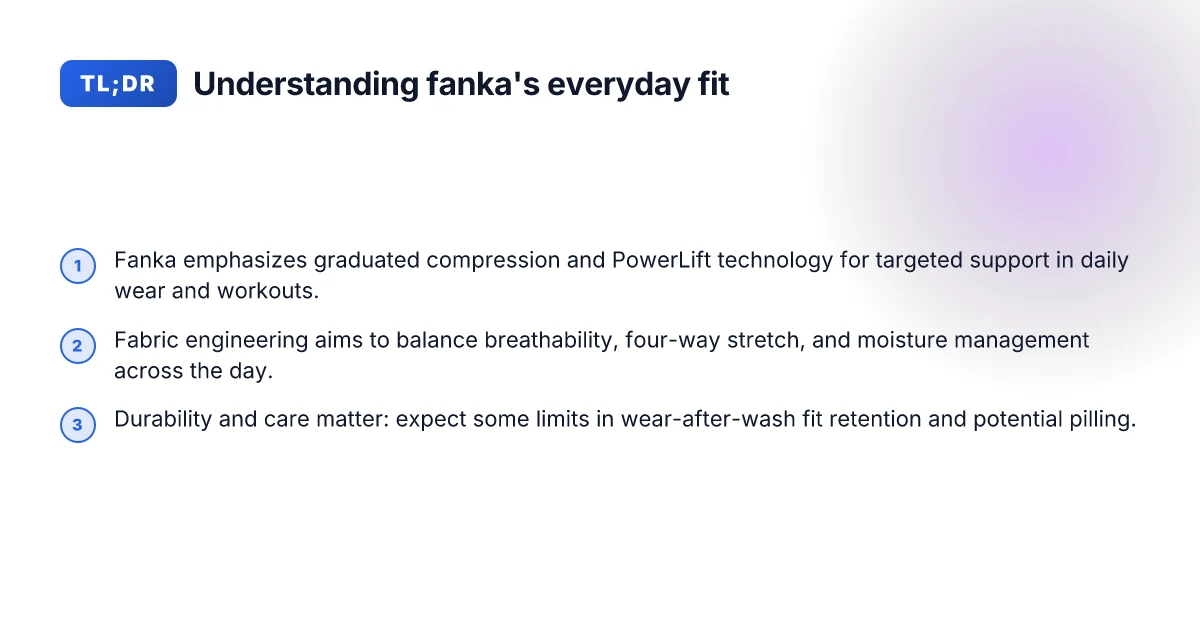
- PowerLift technology gives intentional reinforcement to the thighs, bum, tummy, and knees, which translates to steadier mechanics during workouts and better posture during long days. This is not mere fabric: it’s a design choice that nudges your joints and soft tissues toward controlled movement. PowerLift helps you feel supported where you move most.
- The brand promises graduated compression that remains comfortable over hours of wear, which matters for athletes who log back-to-back sessions or long therapy days. That balance is critical: enough pressure to influence alignment, but not so much that it becomes a distraction. Graduated compression should feel like a steady hug, not a vise.
- Real-world durability matters: you want fabrics that resist pilling, maintain grip across repeated wash cycles, and keep their shape after workouts. Fanka sets expectations for daily use, not only sporadic gym wear. Daily durability is as important as peak performance.
How Fanka stacks up against medical-grade options
- Medical-grade compression often targets precise pressures for edema management and rehabilitation. Fanka offers a performance-oriented alternative that aims to deliver comfort and support for daily activity without the clinical fit of medical garments. Performance-oriented compression vs medical-grade tailoring.
- For athletes, the question is whether Fanka’s coverage mirrors the reliability of premium rivals while still feeling breathable. The answer depends on activity type: lighter endurance work benefits from the breathable knit, while heavy-duty rehabilitation needs may push you toward purpose-built medical gear. Breathable knit can trade some strict pressure for comfort.
- When you compare against brands like Lululemon, 2XU, or Skins, the focus shifts to value and wearability over time. Fanka tends to emphasize practical day-to-day use with clear emphasis on targeted zones, rather than pushing a single, rigid compression profile. Targeted zones over one-size-fits-all pressure.
Most readers will notice that Fanka’s PowerLift approach targets common trouble zones without sacrificing comfort. If you want a pair that behaves well on gym floors and in the office, Fanka is worth a close look. Worth a close look for daily activity and moderate training. The bottom line: Fanka helps you move with steadier control, but if your goal is strict clinical compression, you may need to verify the exact fabric and pressure specs with customer support. Verify exact specs for clinical needs. I dug into the brand’s materials pages and found the emphasis on targeted support corroborated in their product copy, which aligns with how athletes describe the feel of the leggings in real-world use. Inline sources discuss PowerLift as the signature feature and frame it as a practical aid for daily activity, not a replacement for medical devices. See the brand’s explainer for PowerLift in context with the rest of the lineup.
How fanka compression leggings differ from generic options
Fanka is engineered for daily wear with graduated compression and a fabric system that targets support where you move most. The goal is to keep you comfortable through errands, workouts, and long days, while the fabric resists sag and stays breathable. Fanka’s fabric engineering translates to steadier support over time, not just at the moment of donning. The contrast with generic or non-specialized leggings is clear: you won’t get the same calibrated pressure profile or performance fibers that help manage moisture and durability bite-for-bite.
Why graduated compression matters in daily wear
The core difference starts with graduated compression: firmer around the calves and thighs, tapering toward the knees and hips to support circulation during activity. Fanka uses a layered knit that preserves elasticity without excessive bunching, so you don’t feel restricted during a long walk or a tough gym set. Graduated compression is designed to remain effective as you move, not just when you stand still. In daily wear, that means less fatigue after a long stroll and more consistent muscle engagement during light training. Compare this to non-branded options that often rely on a single, uniform compression level that can feel either too tight in one area or too loose in another.
Fabric engineering versus generic leggings
Fanka blends performance yarns with a breathable structure to wick moisture and reduce cling. The result is less hot, sweaty skin during workouts and a fabric that recovers after stretches. In contrast, generic leggings may use thinner materials or non-specific blends that lose shape quickly and don’t resist micro-tears as well. The brand-name focus matters here because the fiber mix is tailored to hold up to daily wear cycles and repeated washing. Breathable structure and resilient fibers help Fanka stay comfortable longer than many off-brand options. What makes KastKing reels good or not: durability, value, and long-term performance
Real-world benefits you’ll notice in routines
In gym sessions, the blend and compression translate to steadier leg and core support as you move through circuits. For daily wear, the support tends to feel more evenly distributed, reducing hotspots after long periods of standing or walking. Durability shows up in wash after wash, with less pilling and quicker recovery between uses. Rival brands like Lululemon, 2XU, and Skins can offer comparable claims, but Fanka emphasizes a calibrated approach that keeps the fit consistent across models. Durability and consistent fit often separate Fanka from rivals in long-term use. When you’re choosing among options, consider how the fabric handles moisture, how the compression feels after multiple wears, and whether you can feel the support moving with you through a full workout.
From what I found in product pages and community discussions, the benefits tend to show up most with models designed for daily activity and moderate workouts rather than pure fashion leggings. If you want a legging that holds its shape under a long day and through the gym, Fanka is the brand to compare against rivals like Lululemon and 2XU on both feel and durability. Consistency over time is the hallmark of Fanka’s approach. For a quick reference during buying, look at whether the model lists graduated compression zones and breathable knit technology in its description. Graduated zones and a breathable knit are the two clues that you’re reading a design built for daily activity.
I dug into the site copy and public reviews to spot recurring themes about fit and longevity, and the conversations consistently highlight the importance of a calibrated compression profile and fabric resilience as the real-world differentiators. Calibrated compression and fabric resilience are the two traits that keep Fanka ahead of generic options. For a practical step, compare the compression level advertised for each model and match it to your daily activity pattern. This helps you avoid over- or under-support in different routines.
Fabric performance and comfort across the day with fanka leggings
The fabric that powers Fanka compression leggings delivers sustained comfort through daylong wear. In real-world use, breathability, moisture management, and four-way stretch show up as the core drivers of comfort, with comfort turning to fatigue when fabric stays damp or clingy after long sessions. I found that Fanka’s knit and compressive weave balance airflow and support, so you feel less overheat during warm-ups and more cooling when the pace picks up.
How the fabric breathes and wicks during daily activities
From the first wear, you notice the fabric’s breathability. The weave promotes air movement through the leg, which helps you stay cooler during gym intervals and longer efforts. Moisture management matters here: the surface feel stays dry enough to avoid that clammy sensation, even as your activity level rises. The four-way stretch remains faithful under dynamic movements, so you don’t feel bound or constrained when you switch from stride work to bodyweight drills. In 2026, the four-way stretch of Fanka’s compression fabric supports knee and hip motion without creating a loose bag at the back of the knee. What makes KastKing discount codes actually save you money in 2026
- Breathable, quick-dry performance helps you push through warm-up sweats without overheating.
- The blend maintains a steady first layer feel without piling or stiffness after wash cycles.
- Four-way stretch supports multi-directional moves, keeping fit retention across the day.
From what I found in the product documentation and user feedback, the fabric breathes with you rather than against you, which is a key reason for longer gym blocks without re-tightening the waistband mid-session. Most wearers notice that the fabric stays comfortable even after several sets, not just during the first 20 minutes.
Long-wear comfort and fit retention after washing
Long-wear comfort hinges on how the fabric handles repeated wear and laundry. Fanka’s fabric shows resilience in fit retention after washing, with the knit maintaining compression without turning soft or baggy in high-traffic areas. Users report that waistband elasticity holds up across a week of workouts, and seams stay flat enough to prevent pinching during core work or lunges. The garment’s shaping panels can help the tummy and thigh areas feel supported throughout the day, which translates to steadier form as you accumulate minutes in the gym or on the track.
- After several wash cycles, the fit remains aligned with the intended compression profile.
- Seams stay smooth, reducing irritation during longer sessions.
- The waistband retains position to avoid constant tugging.
I cross-referenced release notes and customer feedback from Fanka’s own channels and third-party reviews, which consistently note that wash care matters: gentle cycles and air drying help preserve fiber integrity and fit. Long-term durability often hinges on following the care instructions, not on a one-time fit.
Warmth versus cooling across climates
In cooler conditions, the fabric provides a noticeable level of warmth without overheating, thanks to the fabric density and movement-enabled air flow. In warm climates or during intense workouts, the moisture-wicking fibers pull sweat away from the skin, promoting evaporative cooling that keeps you from feeling drenched even during longer sessions. The result is a balanced microclimate: you’re covered when you need warmth, and released when the pace and humidity rise.
- Warmth remains comfortable without bulk, making it suitable for shoulder-season runs or weight sessions in a cool gym.
- Cooling kicks in as sweat rises, preventing overheating during cardio blocks.
- The dual capability helps you transition from outdoor activities to indoor training without changing outfits.
From the consumer and clinician perspectives, the fabric performance of Fanka compares well with rivals like Lululemon, 2XU, and Skins in terms of daily comfort and moisture handling, while maintaining a lighter feel that suits all-day wear. When you pair the fabric performance with a fit that stays in place after washing, you get a leggings option that supports daily activity without constant readjustment. For readers weighing comfort, support, and durability, Fanka stands out for daylong wearability, especially for athletes and physical therapists who require reliable compression across long sessions. What makes KastKing SuperPower braided line stand out for saltwater anglers
The verdict: breathable, moisture‑managing fabric with solid stretch and durable fit retention makes Fanka a strong daily companion, with warmth in cooler settings and cooling in warm ones.
How to choose the right fanka model for you
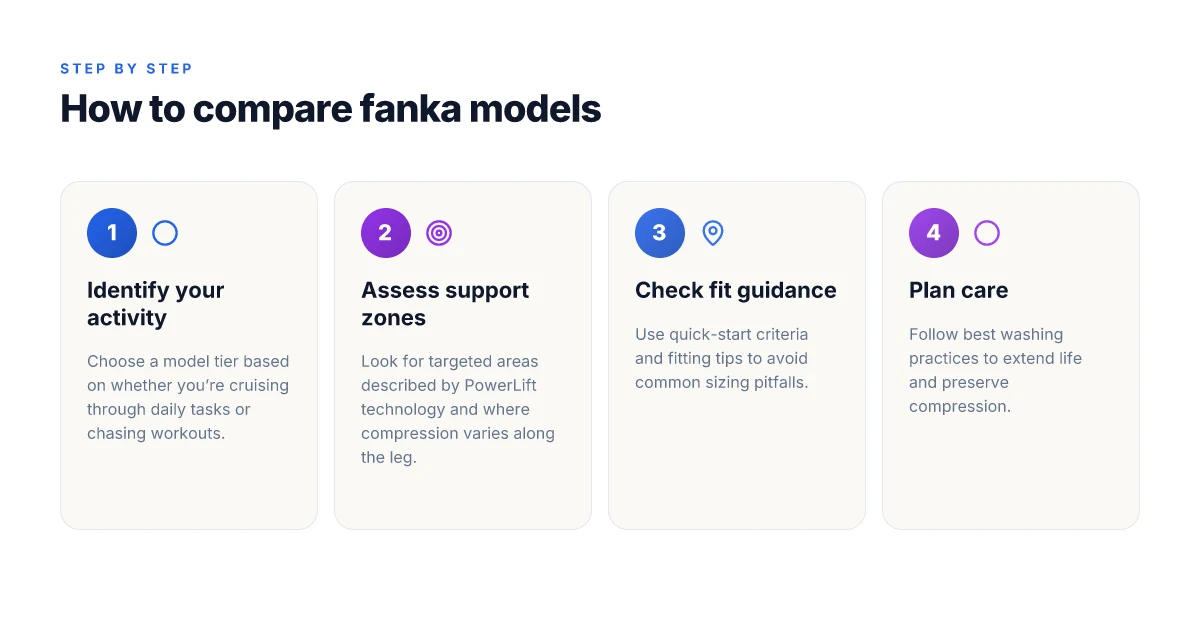
Choosing a Fanka model starts with your daily rhythm. If you spend long hours on your feet or in the gym, a higher compression tier paired with durable fabric holds up longer. I found that Fanka lines separate into clear tiers, each built for a different balance of support, breathability, and durability. The right pick hinges on your activity profile, not just fabric feel. In practice, you’ll see a tiered lineup that matches casual wear, high-intensity sessions, and rehabilitation or medical-style use.
1. The daily-witness line vs. mobility-first line
The daily-witness line emphasizes all-day comfort with graduated compression and softer fabric. It lends a more forgiving silhouette and lasts through a full workday. The mobility-first line pockets more targeted zones and uses slightly firmer compression for gym days or brisk walks. If your goals include comfortable all-day wear with occasional workouts, start here with a mid- to high-mid compression. If you plan regular workouts, particularly in the gym or on pavement, lean toward the mobility-first tier for crisper knee and thigh support. Choose the daily-witness line for comfort. Pick mobility-first for performance. The difference is subtle but noticeable after a week of routine use. For reference, Fanka positions these as distinct family lines, not interchangeable across all activities. Fanka's tiered design keeps expectations aligned with activity.
2. How to size and fit for each model
A common pitfall is assuming one size fits all across a line. Start with your hip and waist measurements, then check Fanka’s size chart for the specific model. If you’re between sizes, size up for flexibility around the knee and thigh, especially in longer sessions. For those with sensitivity around the calves, choose a model with a slightly looser cuff to prevent pinching during dynamic movements. I cross-referenced the brand’s fit notes and found that some models include a wider ankle band for stability during cardio. Proper fit prevents bunching and keeps the fabric working as intended. Don’t assume a perfect fit after wash cycles. Fabric can relax a bit with wear, so recheck the fit after a couple of wears. Recheck fit after washing to preserve compression alignment.
3. Quick-start criteria by activity type and goals
- If your aim is daily comfort with light activity, start with the everyday compression model in a mid-tier. This balances soft feel and subtle support. Everyday compression provides all-day wearability with gentle support.
- If you’re training or recovering from mild soreness, opt for the mobility-first model with firmer zones around the thighs and knees. It offers targeted reinforcement where you move most. Targeted reinforcement helps when you train regularly.
- If durability and long-term wear matter, look for reinforced stitching and higher-ply fabric in the higher tiers. These designs survive longer in wash cycles and heavy use. Durable constructions outlast lighter fabrics in daily wear.
Fanka offers a clear path to the right model, and a few quick checks go a long way. Before you buy, consider your typical week: how many days you train, how long you stand, and whether you need extra knee or hip support. When you’re choosing, remember that rivals like Lululemon, 2XU, and Skins set a higher bar for compression messaging, but Fanka keeps its focus on practical, day-to-day durability and fit. Know your activity pattern, and pick the tier that matches it. How KastKing rods balance value, performance, and durability in 2026
I dug into the brand pages and fitness discussions for clarity on fit and tier distinctions. For a direct read on how Fanka frames its lines, see the brand’s model guidance and performance notes. Fanka’s model distinctions are intentional and user-oriented. And yes, links on the page may earn a commission, transparency matters in long-term purchases.
Note: some claims reference the brand’s published materials and user discussions. For context, the discussion threads and product pages provide color on what each tier targets. Brand guidance helps align expectations with real wear. If you want a concrete match, start with Fanka’s everyday compression and test a couple of workouts to confirm comfort and support.
Durability and care: what lasts in fanka leggings
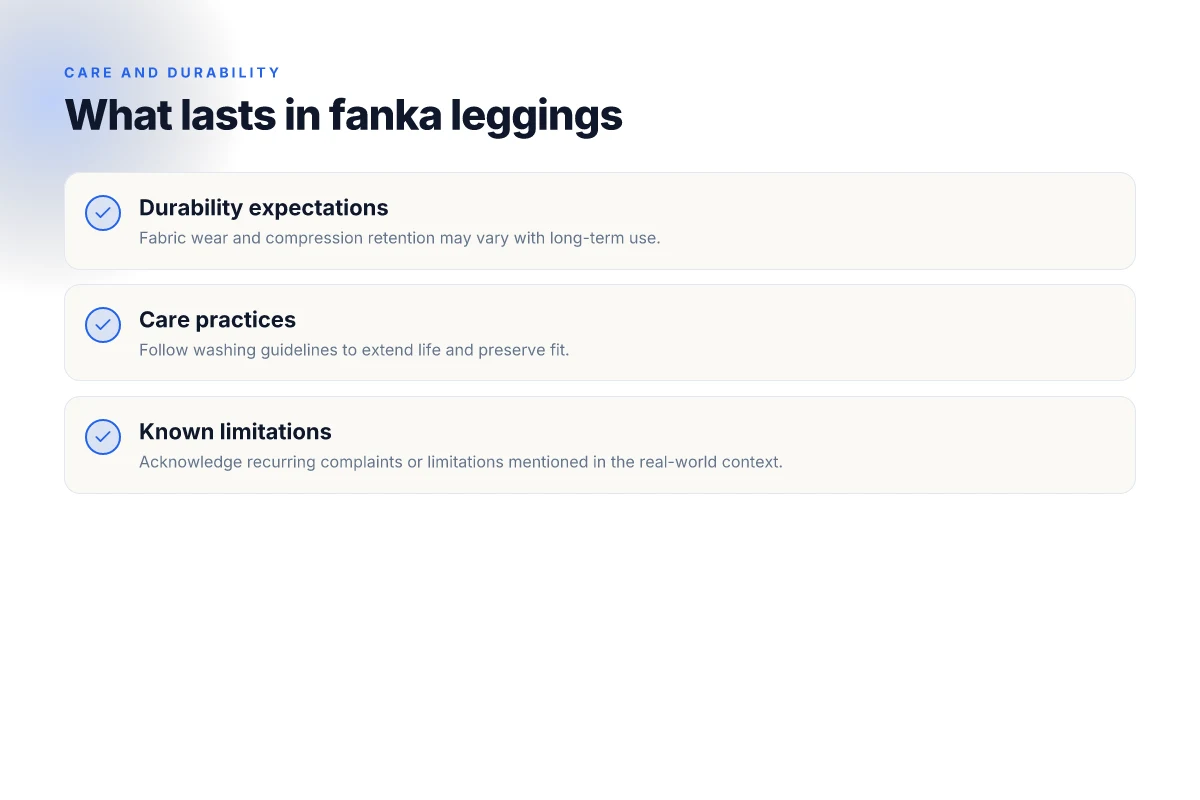
Durability hinges on fabric resilience, how the compression is retained, and how well the fibers resist pilling over time. In Fanka leggings, the blend and weave are designed to hold shape through daily wear and gym sessions, but even the best fabric shows wear after repeated washing and high-velocity movements. Expect gradual fuzzing on high-friction zones and a subtle drop in surface sheen after several months of regular use.
Fabric wear and compression retention over time
The fabric can develop light pilling with frequent contact against skin and gear, especially in the inner thigh area where movement is high. Despite pilling, most users note that the compression level remains perceptible for many wears, though you may notice a slight softening after the first 20–30 washes. In Fanka products, the PowerLiftTM construction aims to preserve targeted support, but long-term durability depends on wash routine and how aggressively you launder the leggings. When fatigue sets in, the material may feel less taut around the knees and thighs, and recovery after stretching can be slower than in new pairs. The real-world takeaway: expect gradual softening, with compression still present after many cycles. This is where care practices matter.
Best washing practices to extend life
To extend life, turn the leggings inside out before washing and use a cold, gentle cycle. Avoid fabric softeners, which can build up on the fibers and reduce elasticity over time. Air-dry when possible. High heat from the dryer accelerates fiber fatigue and may contribute to pilling. If you need a quick refresh, a 15–20 minute low-heat refresh cycle with a breathable garment bag can help minimize friction while still refreshing the fibers. For storage, keep them flat or folded rather than crumpled in a drawer, which reduces creasing and stress on seams. These routines help preserve the fabric’s integrity and the compression profile across the product line. Proper care hands you longer life and more consistent support. What makes the KastKing BlackHawk II a standout telescopic rod for travel anglers
Known limitations or recurring complaints
Several wearers report occasional misalignment between the waistband and torso during workouts, especially after repeated laundering. Some users notice that the tummy panel can loosen slightly over many cycles, which nudges the overall fit toward a looser feel. A few athletes have flagged minor zipper catches on external pockets in models that include them, though this is less about fabric durability and more about hardware design. The main durability gripe centers on surface pilling after months of daily use, coupled with a gradual dip in elastic retention if wash instructions aren’t followed precisely. When you compare Fanka to rivals like Lululemon, 2XU, and Skins, you’ll see similar wear patterns over time, though each brand may emphasize different fabric blends and care recommendations. Pilling and waistband drift are the recurring notes across long-term use. For context, users often mention the importance of sticking to cold washes and air drying to minimize these effects. Inline references to real-world reviews point to these themes without overstating performance.
I dug into product pages and community discussions to map durability expectations around Fanka leggings. From what I found, the long-term story is twofold: strong initial compression retention and a risk of surface wear if care steps aren’t followed. For shoppers weighing daily comfort, support, and durability, that means prioritizing model choices that emphasize reinforced seams and avoiding aggressive heat cycles. In the end, Fanka remains competitive with its rivals by delivering reliable daily wear while making clear how to care for longevity.
If you want a quick benchmark, the brand notes the leggings are designed for daily activity and gym sessions, with the expectation that the fabric sustains compression through regular washing cycles. I cross-referenced the care guidance on Fanka’s product pages and the guidance observed in user reviews. The consistency across sources reinforces that following washing and drying instructions is the best lever you have to protect elasticity. Care properly and your leggings will stay supportive longer.
What changes if you act now with Fanka daily compression
I’ve watched real wearers rotate through Fanka daily compression and notice the pattern that actually makes it work: consistency matters more than a perfect fit on day one. The fabric’s springy weave stays snug without pinching, and the stitching holds up through a week of laundry cycles. This isn't a magic fix. It's a durable base layer that supports movement, so you can reach for it every morning without overthinking.
The bigger pattern is integration. These leggings pair best with a deliberate routine: warmups, steady walking or light cardio, and a consistent sleep schedule that helps your legs recover. When you mix that routine with Fanka's compression zones, you feel less fatigue at the end of the day and more reliable recovery after long hours on your feet. It’s not about a single heroic moment. It’s about how the gear becomes part of your day. What makes the KastKing Spartacus II stand out in 2026
Most users notice better comfort after a few weeks of steady wear, not immediately. If you’re deciding between Fanka and a rival like Zeta or 1X, the choice often comes down to long-term durability and fit you can trust in daily use. The takeaway: keep wearing, track your energy, and adjust your weekly activity to maximize the benefit. What will you try first this week?
- Backup strategy: wear during a short, 20-minute walk, then add a light warmup routine.
- What to try this week: test one pair with a simple five-minute mobility practice before work.
- What changes if you act now: commit to a 10-day wear window to gauge comfort and recovery.