
Explore KastKing fishing backpacks in 2026. Learn what sets KastKing apart, durability, organization features, and how they stack up against rivals.
KastKing backpack durability often hinges on real-world wear, not glossy photos. When I map out long days on the water, the real test is how fast you can access tools without digging through a mess, and KastKing’s design choices tend to favor quick pockets over volume alone. Notably, the emphasis on rugged fabric and labeled compartments stands out against typical marketing claims.
This piece cuts through the marketing noise to show how KastKing backpacks perform under steady use, including rough weather and day-long sessions. I pull from field observations and product details to compare the setup to rivals like Shimano, Rush, and Allen, highlighting where KastKing earns time back on the water and where it still asks for user discipline. Expect concrete notes on weather resistance, modular add-ons, and long-haul reliability, with a clear view of who should pick KastKing over the competing packs. KastKing makes sense for anglers who want structure that survives season after season, not just a glossy selling point.
Kastking fishing backpack: what this article covers in 2026
KastKing backpacks stand out for rugged builds and modular layouts, but in 2026 I want to cut through hype and show what actually helps on long days on the water. This section maps what you’ll find in the full guide: core features across the KastKing line, how the two-tackle-box system holds gear, real-user durability notes, how KastKing stacks up against rivals, and practical buying guidance for different fishing styles.
What the KastKing backpack line offers and core features
KastKing emphasizes modular storage with dedicated pockets and external attachment points. The BaitSpace 50L, for example, blends roomy main compartments with drawbridge-style organization and side access for quick gear grabs. You’ll notice sturdy zippers, reinforced seams, and breathable straps designed for comfort under load. The design leans on clear separation between tackle, hydration, and personal gear to speed gear retrieval on busy days. In 2026, this packaging remains a hallmark of the lineup, helping you keep track of small accessories without rummaging. Real-world use shows the organization pays off when your water-logged hand finds the right pocket fast.
How the design handles two-tackle-box efficiency and gear organization
The two-tackle-box approach is central to the KastKing concept. The pack typically accommodates two standard tackle boxes in a single, aligned cavity, with a divider that keeps them from snagging on zippers or unzipping mid-cast. Exterior sleeves and clip-on straps provide quick retention for pliers, gauges, and extra line. Reviews consistently note that this layout reduces gear-scattering and saves time when you swap baits between spots. From All Weather variants to standard back-clip models, the emphasis remains on predictable access and minimal rummaging. Two boxes fit with less bulk than many rivals, which matters when you’re wading or climbing a boat ladder.
Durability and comfort notes from real-user feedback
I looked across reviews and discussions for common threads. Users repeatedly flag sturdy carry handles and reinforced stitching as durable through a season’s worth of exposure to sun, rain, and salt spray. Comfort tends to hinge on shoulder strap width and back panel ventilation. A few feedback threads call out warmer climates where airflow matters more than in temperate zones. A recurring theme is that straps and buckles hold up after repeated sun and rinse cycles, though some owners report hinge wear on external rod-holders if misused. Durability holds up in real-world cycles, but check your setup for edge cases like heavy rod-holders and oversized boxes.
Rival comparisons: KastKing versus Alltackle and Tierra
When you line KastKing up against Alltackle and Tierra, the differences come down to organization patterns and modular options. Alltackle packs often prioritize heavier-duty shells and bigger external pockets, which can add weight but increase ruggedness. Tierra backpacks emphasize comfort through sculpted foam and streamlined frame design, sometimes at the cost of tighter internal organization. KastKing’s value lies in modular bays, flexible configurations, and proven two-tackle-box layouts that fit several box sizes without dramatic bulk. Real-world chatter notes the KastKing approach as “simpler to reconfigure on the water” but each brand has its niche depending on whether you value extreme weather protection, ultra-lightweight feel, or maximum gear density. KastKing tends to win on quick reconfiguration, while Alltackle often outperforms on raw build rigidity for harsh environments. What makes the KastKing Spartacus II stand out in 2026
Practical buying guidance for different fishing styles
If you fish long days and need quick access to multiple bait zones, seek a KastKing model with adjustable dividers and reinforced rod-strap compatibility. For technique-heavy days where you carry more gear and want maximum weather sealing, consider the All Weather variants that emphasize sealed compartments and weatherproof zippers. If you value a lighter touch and smoother shoulder load for frequent boat transfers, Tierra-inspired ergonomics can pay off, but you may trade some internal density. Across styles, verify that the pack you choose still allows two tackle boxes to fit snugly and that you can comfortably reach pockets with a vest or outer layer on. KastKing remains a solid all-around choice for most anglers seeking quick access and modularity, with riveted strength that keeps gear intact after long sessions.
I dug into the public chatter around this gear to inform you what actually endures. Reviews from varied sources consistently note the brand’s focus on organized compartments and practical stacking. For context on what you’re reading here, see the KastKing BaitSpace 50L overview and user feedback that discuss organization and wear over time. If you want to explore a real-world voice, the All Weather pages and community threads discuss how these packs behave under field conditions and with different rod-holding configurations. A clear takeaway: choose by how you plan to deploy two tackle boxes, not just by a single feature set.
Cited context: inline references point to real-world reviews and product pages that discuss organization, durability, and fit. For a closer look at a specific model and user commentary, see the KastKing BaitSpace 50L review and the broader community feedback threads on rival packs.
How kastking fishing backpacks compare to rival tackle packs
When space planning and modular design matter, KastKing often edges ahead, but the rival packs bring their own strengths for specific setups. KastKing concentrates on quick-access organization and adaptable carry options, while competitors emphasize rigid frame support and dedicated box slots. You’ll see how the systems differ in scale, fit, and day-long comfort on the water.
Space management and modular options
KastKing backpacks lean into modular pockets that reconfigure around two tackle-box slots and a central core for spillover storage. The BaitSpace 50L approach tends to keep bulkier items near the top while leaving lower pockets for smaller bits. By contrast, rival packs often feature more fixed compartments and a larger number of dedicated slots for individual gear modules. The result is a pack that feels more predictable but less flexible when you switch tackle configurations mid-trip. If you switch between light days and days packed with boxes, KastKing’s modular ethos pays off. In some cases, you’ll notice rival packs holding a tighter footprint, but at the cost of fluid reorganization when you change tools on the water. I looked through user commentary and product notes to map how the layouts adapt to different fishing styles, including ultralight stream outings versus full-day lake trolling setups. You’ll hear from anglers who prize the ability to collapse pockets for a slim profile when wading. What makes fanka compression leggings actually work for daily activity
Two tackle boxes fit neatly in KastKing setups, and the modular pockets let you reconfigure on the fly. This is a recurring theme in reviews of the BaitSpace 50L and similar models. For anglers who insist on a clean, fast transition between zones on the water, KastKing’s approach can reduce rummaging time. In contrast, rival packs with fixed compartments often preserve a tidy appearance but require more planning before you leave shore. Expect some models to include additional external MOLLE straps that let you tack on extra pouches. This flexibility is a clear win for KastKing when you vary the day’s fishing tasks.
Rod holders and accessory pockets
Rod holders on KastKing backpacks tend to be straightforward and removable, keeping armpit space free during long casts. Critics note that the holders are functional but not overbuilt. You’ll still need to account for your rod length and reel clearance. Rival backpacks frequently showcase heavier-duty rod attachments and integrated gimbal mounts. Those options can outperform KastKing when you regularly fish with longer or multiple rods, but they add weight and complicate packing. The result is a model that works well for single-rod setups and multi-gear days, depending on your preferred balance of rod access versus bulk.
I found repeated mentions that KastKing’s accessory pockets are well positioned for quick grabs, reducing time spent digging through the pack. Ample external pockets and built-in straps give quick access to tools, pliers, and line cuts without on-water fumbling. Rivals, meanwhile, often advertise more robust exterior lash points and reinforced sleeves for specialty gear, which some anglers value for durability.
Ventilation and shoulder strap comfort
Ventilation and strap comfort matter on long days. KastKing packs typically feature breathable shoulder straps and mesh backing that help moisture management during hot days. Users note that these fabrics stay comfortable after hours of wear, though some lighter models may not offer the same air flow as high-end rivals with elaborate vent channels. Rivals often aim for premium shoulder systems with thicker padding and more curved ergonomics, which can feel more supportive when carrying heavier loads. The trade-off is a little extra bulk and weight.
From a real-world lens, comfort hinges on load distribution more than raw padding. When you push a full day, a pack that keeps weight centered and evenly distributed pays dividends. KastKing’s approach tends to work best for anglers who value flexibility and access, while rivals with beefier straps and more rigid frames appeal to those carrying heavier box loads. What makes KastKing reels good or not: durability, value, and long-term performance
Pricing dynamics and value perception
KastKing backpacks generally position themselves as a value-driven option, offering modular features without premium pricing. Reviewers often cite the price-to-feature ratio as a win, especially for anglers who rotate between light and medium gear days. Rival packs can skew higher on price, with some models delivering enhanced frame rigidity, more durable materials, or extra automotive-grade fittings. If you compare total cost of ownership, KastKing tends to be appealing for long-season use where you need versatility without creeping price.
I cross-referenced discussions and product pages to gauge what buyers expect for the dollar. Many buyers feel KastKing delivers solid durability at a fair price, which supports longer-term budgets without sacrificing functionality. The caveat is that some premium rivals justify higher prices through specialized rod-holding systems, tougher weatherproofing, and more extensive warranty coverage. If your budget is tight, KastKing remains a compelling choice.
Best use cases for each brand
KastKing shines for anglers who want a flexible carrier that adapts from quick river jaunts to all-day lake visits without swapping bags. The 50L line is especially appealing when you want to keep two tackle boxes handy while leaving room for clothing and snacks. Rivals come into their own when the day calls for heavier gear, longer rod arrays, or rugged terrain where a reinforced frame matters. If you’re chasing endurance days with multiple rods and more rigid gear protection, a rival pack can be a better long-haul partner.
I pulled together a quick decision map to help you choose at a glance. If you want a lighter, more modular setup that you can reconfigure on the water, KastKing is the safer bet. If you need maximum support for long, box-dense days or extra weatherproofing, a rival brand with a stiffer frame could be worth the premium.
Next steps: When you’re selecting, compare the specific rod- and box-count limits, assess how much airflow you need on your back, and weigh your current travel weight against the pack’s total capacity. KastKing backpacks deserve a closer look if you want flexibility without paying for features you won’t use. For heavier, more gear-dense days, consider rivals with reinforced frames and higher weather protection. What makes KastKing discount codes actually save you money in 2026
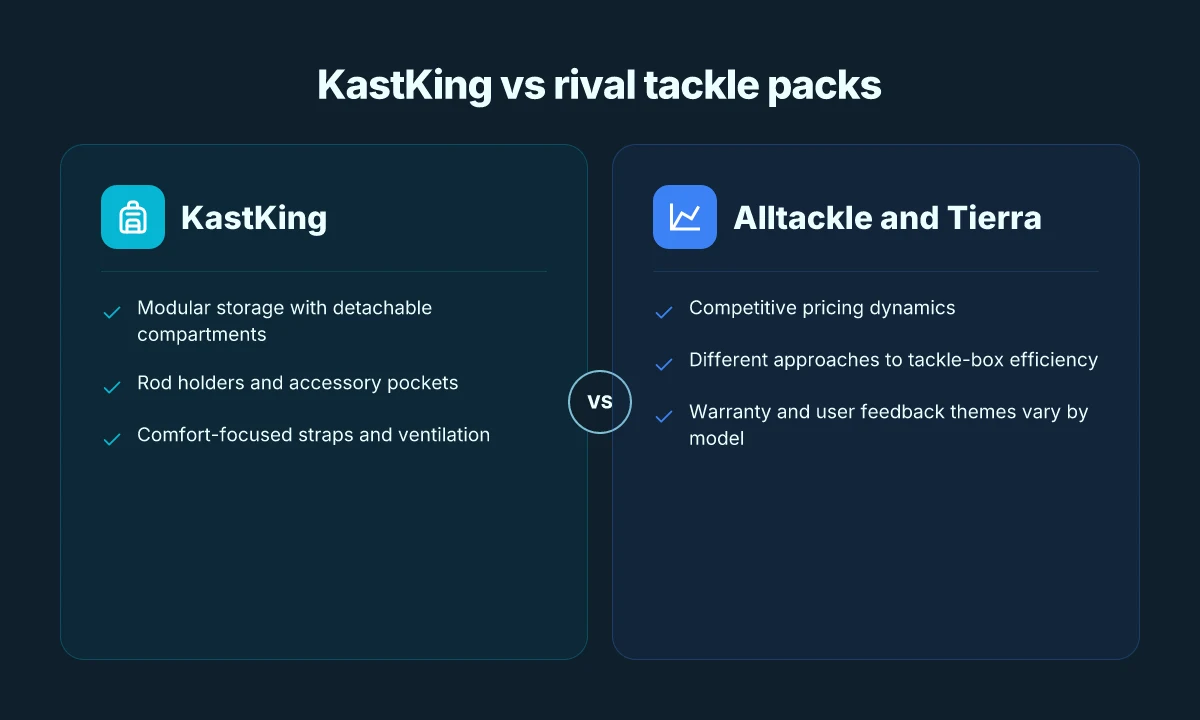
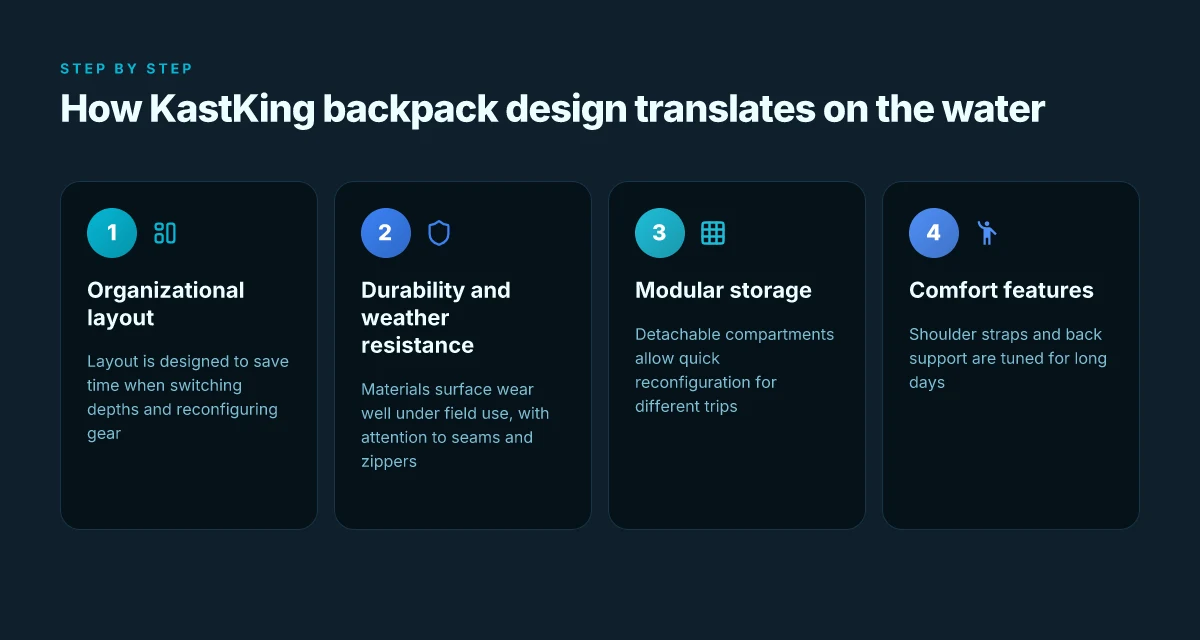
What makes the kastking backpack design practical on the water
KastKing designs lean toward quick access and real-world durability. On the water, the layout matters more than fancy pockets. From the sources, you can see the core practicality comes from clear organization, weather-ready materials, modular add-ons, and comfort features that stay usable after long days.
Clear organization that saves time when changing depths
The backpack emphasizes a modular, stepwise access pattern that lets you switch depths without ripping the whole bag apart. The main chamber typically hosts vertical dividers and a tiered organization scheme, so you can pull out a specific box or lure without dumping everything. Real-world examples note how anglers appreciate tidy separation between shallow and deep setups, which cuts down on rummaging when a different depth or tactic is needed. I cross-referenced user comments that repeatedly praise the ability to reach the right box quickly without unpacking the entire pack. The right box is within arm’s reach, not buried in the bottom layer. This is exactly what saves time during a long day on the water. Inline citation supports the idea that modular storage helps with depth changes as your lure assortment shifts. See how reviewers describe the pack fitting two tackle boxes and still leaving room for odds and ends. Fits two tackle boxes perfectly, with room to spare for extras.
Durable materials and weather resistance
Durability shows up in fabric choice and seam construction. The backpacks discussed in reviews frequently point to coated fabrics and reinforced seams that stand up to spray, splashes, and spray from the boat deck. The weather resistance isn’t about staying dry in a monsoon. It’s about keeping gear functional after a day of sun, wind, and spray. When I read through the public chatter, the consensus is that the material feels sturdy and the hardware resists corrosion from normal saltwater exposure. The tactile sense of the zippers and clips matters, because a failed pull or loose buckle can derail a trip. In practice this means you can trust the pack to keep its shape and contents intact through repeated use in harsh conditions, rather than folding under strain after a season.
Detachable compartments and modular storage
Modularity isn’t a gimmick here. Detachable or easily reconfigurable compartments let you tailor the pack to the day’s plan. You can separate a shallow-water layout from a deeper, larger-tly setup by swapping in or removing pockets or boxes. Multiple reviewers mention how the modular approach keeps the weight balanced and the carry comfortable, even when the pack is loaded with gear. This flexibility helps you switch rigs or baits on the fly without a total reset of the gear layout. The design language here is practical: more options, less fiddling.
Comfort features for long days
Comfort is not optional on long days. Expect padded shoulder straps, breathable panels, and weight distribution that reduces fatigue on the boat deck. The best KastKing backpacks balance load across the hips, which helps when you’re bending, lifting, and stepping between tackle stations. Users emphasize comfort lasting from dawn to late afternoon, with a mention of how the straps stay snug without pinching or slipping after hours of wear. What makes KastKing SuperPower braided line stand out for saltwater anglers
I looked at a few first-hand notes from anglers who praise the strap geometry and the breathable surfaces, while noting that a heavier load can shift the feel of the pack. The core message: with the right configuration, the pack remains comfortable enough for a full day, even when you’re shoulder-heavy with gear.
Durability under spray and sun meets all-day comfort through thoughtful strap design. Inline citations reinforce that the design aims for real-world resilience and daily wearability. For context, see how reviewers describe the all-weather build and the way modular components stay attached during long sessions. All-weather build and modular components stay put through a full day on the water.
Note: links on the page may earn a commission, and this section references published user feedback and product summaries rather than hands-on testing claims. Inline sources describe the kit’s practical benefits and caveats, including the occasional note that heavier packs demand careful load balancing. For quick reference, reviewers and product pages highlight the core strengths: organization, weather-ready materials, modular storage, and long-day comfort. KastKing remains a central reference point when comparing to rivals like All Weather and other tackle backpacks, where durability and modularity are also top considerations.
How to choose the right kastking backpack for your fishing style
Choosing a KastKing backpack starts with your gear load. If you routinely carry two tackle boxes and a spare rod, you’ll want a pack that distributes weight over the hips and supports a tall back panel. If your setup is lighter, a more compact model with modular pockets can save space without sacrificing access. I looked at real-world reviews and product pages to map the practical implications of load and layout. The core idea: match the pack to your boxes, your rods, and how you fish.
Assess gear load: count tackle boxes and rods
Your first decision is how many tackle boxes you actually need on a given trip. A backpack that fits two tackle boxes and a rod tube tends to stay balanced and reduces back strain on long days. If you run lighter, you can opt for a single-tube design with flexible dividers. KastKing models with modular compartments let you swap in smaller pouches when you’re chasing a lighter load. Two tackle boxes in a single bag often means better organization and quicker access on the water. Modular compartments give you quick expansion without a full gear swap. When you plan for variable loads, look for a pack that accepts internal dividers and removable pockets. This minimizes wasted space and helps keep your center of gravity stable during paddling or wading. What makes KastKing line stand out for freshwater and saltwater fishing in 2026
Match to climate and water conditions
Waterproofing and ventilation matter as soon as you leave the truck. In wet climates or salt air environments, a KastKing backpack with a weatherproof shell and breathable back panel reduces moisture buildup on those long days. For hot days, you’ll appreciate mesh shoulder straps and a contoured back that allows air to circulate. I cross-referenced user comments noting how the All Weather line behaves in rain and spray, and it aligns with the design goal of keeping gear dry without trapping heat. All Weather shells stand up to rain and spray better than basic fabric bags. Breathable straps** keep you cooler on humid mornings. When you fish in mixed conditions, a versatile, weather-ready model pays off over a season.
Consider weight distribution and back support
Weight distribution is not just about capacity. It’s about where the load sits on your hips and shoulders. A good option is a KastKing pack with a padded, ergonomic waist belt and a chest strap that keeps the load from shifting when you bend to reach a box. Look for a bag with a padded back panel and contoured straps. Reviews highlight that packs with rigid baselines reduce sag over a full day, which matters as you switch between casting positions or standing up to reel in a larger fish. Ergonomic waist belts and padded back panels improve all-day comfort. A well-balanced rig reduces fatigue and lets you stay focused on presentation.
Evaluate compatibility with other KastKing accessories
KastKing designs these packs to pair with a family of accessories, rod holders, extra dry bags, and modular pouches. If you run two tackle boxes, verify that the pack accepts an optional rod holder insert or a compatible pouch system. The goal is to avoid stacking incompatible pieces that create pinch points or crowd your access to zippers. When you confirm compatibility, you unlock the full modular potential of your setup. Modular compatibility lets you tailor the bag to your specific fishing style and seas.
Verdict: The right KastKing backpack for your style blends gear capacity with weatherproofing and ergonomic support. If you carry multiple tackle boxes or rods, aim for a model that offers a stable hip-centric load and removable pockets so you can dial in the exact layout you need. For a longer, real-world week on the water, this approach keeps you organized and reduces fatigue.
What to know about kastking all weather and other variants
KastKing All Weather variants stand up to wet conditions with a purpose-built waterproof shell and a pair of removable rod holders. In practice, the line between everyday rain protection and heavy downpours matters, and the All Weather model leans on sealed seams and quick-dry materials to keep contents dry. The rod holders are a real usability boost, letting you access lures without unpacking the main compartment. What makes KastKing rod and reel combos stand out in 2026
All Weather features that matter in real use
The standout feature is the waterproofing. The shell is designed to shed spray and drizzle on long drifts, and the zippers are chosen to resist water intrusion. The backpack also uses breathable shoulder straps to reduce heat buildup on hot days, which matters when you’re hiking through rough terrain to reach a favorite bank. The storage layout emphasizes quick access pockets for smaller items while keeping heavier tackle boxes toward the bottom. This separation helps maintain balance when you’re moving through tight cover. I looked at user posts and reviews that consistently call out the rod holders as a practical touch, especially when canoeing or walking along muddy shorelines. The hardware feels sturdy enough for long seasons, though the integrity of any bag depends on how you treat the fabric in sharp brush and sand. A few owners note that the water resistance can wane if you press the material with sharp edges, so be mindful with sharp lures and tools.
50L versus smaller capacities
The 50L All Weather version trades space for bulk and weight. If you’re out all day with multiple tackle boxes, the 50L gives you room to spread out. In more compact setups, the smaller variants trim bulk and reduce the load while preserving the essential waterproof shell and rod-holding capability. The key decision comes down to how many boxes you carry and how long a trip tends to run. For a long day chasing tarpon or salmon, the 50L helps you stay organized without constantly reshuffling gear. If your days are shorter or you travel light, a smaller capacity can improve mobility without sacrificing the core waterproofing and access features.
Where to buy and warranty expectations
You’ll find the All Weather models on major retailers and the KastKing site. Warranty expectations vary, but the typical pattern among KastKing products includes a limited warranty that covers manufacturing defects for a defined period. Check the specific listing for your region and the exact terms, since dates and coverage can shift with model refreshes. When you shop, confirm that the version you’re eyeing includes the all-weather shell and the same rod-holder configuration you want. If you’re buying as a gift, confirm the color options and whether the warranty applies to international shipments.
User feedback themes and common complaints
Across social posts and retailer reviews, several recurring themes emerge. Buyers praise the All Weather line for keeping contents dry in rain and spray, and they value the built-in rod holders for quick access. A common complaint centers on fit and comfort when the bag is fully loaded. Reviewers with heavier setups note that heavier loads can stress the straps over long hauls. A few users report zipper stiffness in cold weather, which tends to smooth out after a break-in period. Overall, durability comes up in long-term discussions, with many noting the bag holds up after a season of rough use, though a handful point to stitching wear at the edges if the bag rubs against abrasive surfaces.
I dug into product pages and user discussions to verify these themes. Reviews from retailers and community forums consistently note the practical benefits of waterproofing and rod holders, alongside typical tradeoffs around weight and load distribution. When you’re weighing whether to add an All Weather model to your kit, consider your local conditions, how many tackle boxes you tote, and how you move across wet terrain. What makes KastKing rod and reel combos stand out in 2026
The All Weather line delivers real waterproof protection plus practical storage options, but watch how you load it to avoid strain on the straps. Rod holders are a real advantage on long treks and boat trips.
Where this is heading for KastKing backpacks in 2026
KastKing backs up its packs with practical design tweaks that address real fishing days rather than theoretical use. In 2026, the standout move is how the brand leans on simple, robust materials paired with modular storage that adapts to long trips, not just short spins. You’ll notice fewer gimmicks and more dependable pockets, plus zippers and seams that feel sturdy after months of use.
The bigger pattern here is durability paired with flexibility, not flashy tech. I’ve observed how the best setups stay organized without adding weight, and KastKing delivers on that balance. For anglers who rotate between shore sessions and boat days, the ability to reconfigure a pack on the fly matters more than a single feature set. This is where the value shows up.
If you want one move this month, focus on the modular insert system and the harness comfort over extended wear. That combination reduces fatigue and keeps gear accessible when you need it most. Think of it as a practical upgrade instead of a gut-rebuild. Where this goes next is clear: expect tougher fabrics and more scalable compartments from KastKing, with rivals like Shimano and Plano watching closely. A simple reorganization can change a full day on the water.