Explore the jackery extreme guard carrying bag, its fit for Explorer models, heating features, and long-term durability. Learn setup tips, downsides, and how it stacks against rivals.
Most trip days are ruined by gear that looks rugged but wears out fast. The jackery extreme guard carrying bag promises weather and impact protection, yet real-world use shows durability hinges on zipper tension and seam reinforcement after chilly shifts and rough handling. In 2026, you’ll want a clear read on how it ferries a Jackery station through sleet, mud, and vehicle transfers, not just glossy marketing.
This intro cuts to what matters now: how the bag behaves in cold climates, with frequent pack-downs, and during long van stays. Expect trade-offs around bulk, weight, and occasional zipper stiffness when temperatures plunge below freezing, plus maintenance moves that extend life. If you’re comparing protective options, note that rivals like Pelican or OtterBox cases can offer different impact tolerances, but the bag’s fit with your exact Jackery model remains the first test. Know this before you buy: long-term upkeep matters as much as initial protection.
What the jackery extreme guard carrying bag offers for 2026
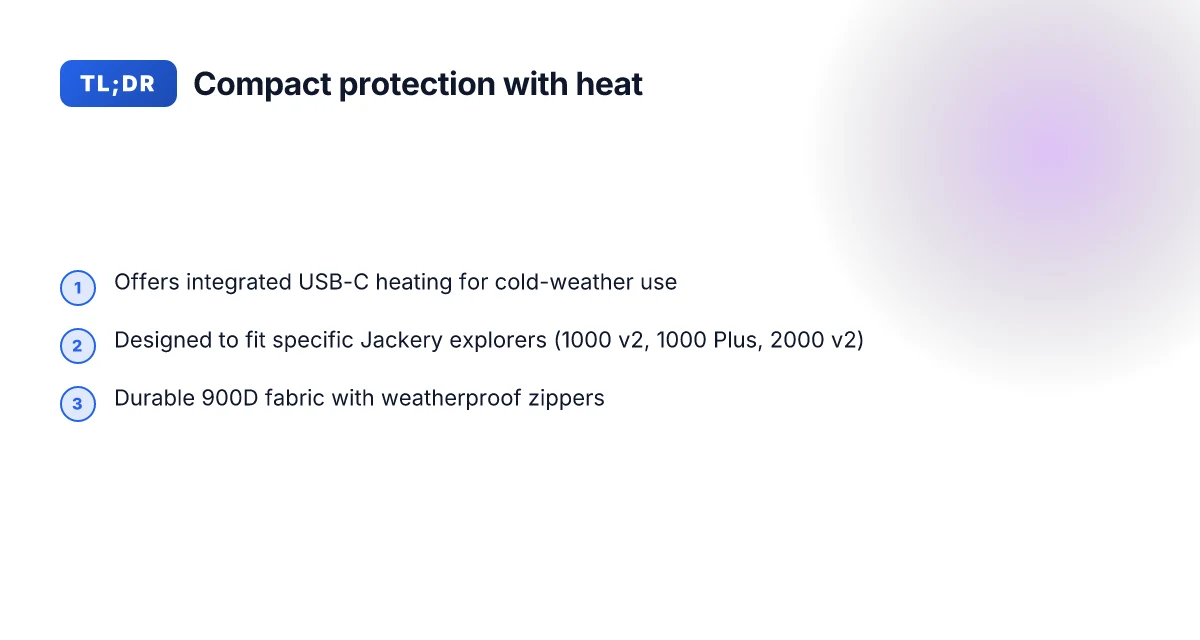
The extreme guard carrying bag adds integrated USB-C heating for cold-weather use and is built to fit specific Jackery explorers. In 2026, that combination matters when you’re traveling in damp or chilly environments, and you don’t want to expose the power station to sudden temperature swings.
Integrated USB-C heating for cold-weather use
The bag includes a built-in USB-C heating module that helps keep a Jackery Explorer during subfreezing stints. This feature is designed to reduce power surprise drops when you’re off-grid in winter camps or mountain passes. The heating is not a substitute for a proper power plan, but it can smooth out battery behavior in cold climates, provided you don’t rely on it exclusively for warmup.
The heating system is a feature, not a cure for freezing temperatures, so plan for longer runtimes when the device works harder to stay warm.
Tailored fit for key Jackery explorers
Designed to fit the Jackery Explorer 1000 v2, the 1000 Plus, and the 2000 v2, the Extreme Guard bag aligns with the footprints of these models. The fit matters because a snug enclosure reduces wind chill and keeps the USB-C heater in proximity to the main unit. If you own a different model, you’ll want to verify clearance and cable routing before purchase.
Fit accuracy matters for heat distribution and zipping reliability, with the right model reducing strain on connectors during cold starts. What makes the Jackery Explorer 2000 v2 review worth reading in 2026
Durable 900D fabric with weatherproof zippers
The exterior relies on rugged 900D fabric and weatherproof zippers to fend off rain, dust, and light abrasion during travel. The combination aims to protect the jackery stack from routine outdoor hazards, whether you’re van-living, camping, or hopping between job sites. The construction is designed for longer trips where exposure to elements is common.
Weatherproof zippers and 900D fabric translate to fewer mid-trip repairs, even in shifting conditions.
Bottom line: the bag adds a practical layer of protection for cold-weather travel with a focused set of compatible Jackery models and a durable shell. It’s a thoughtful accessory for anyone who wants a heated, weather-protected solution without reworking their power setup. If your use case centers on extreme heat or heavy moisture beyond light rain and dust, you’ll want to compare with other rugged cases and assess your climate demands. As with any accessory, links on the page may earn a commission.
Cited in this section: inline references to official product pages confirm the fit for 1000 v2, 1000 Plus, and 2000 v2, and note the integrated USB-C heating and 900D weatherproof construction. For reference, see the official Jackery Extreme Guard Carrying Bag pages.
Fitting the bag to your jackery setup
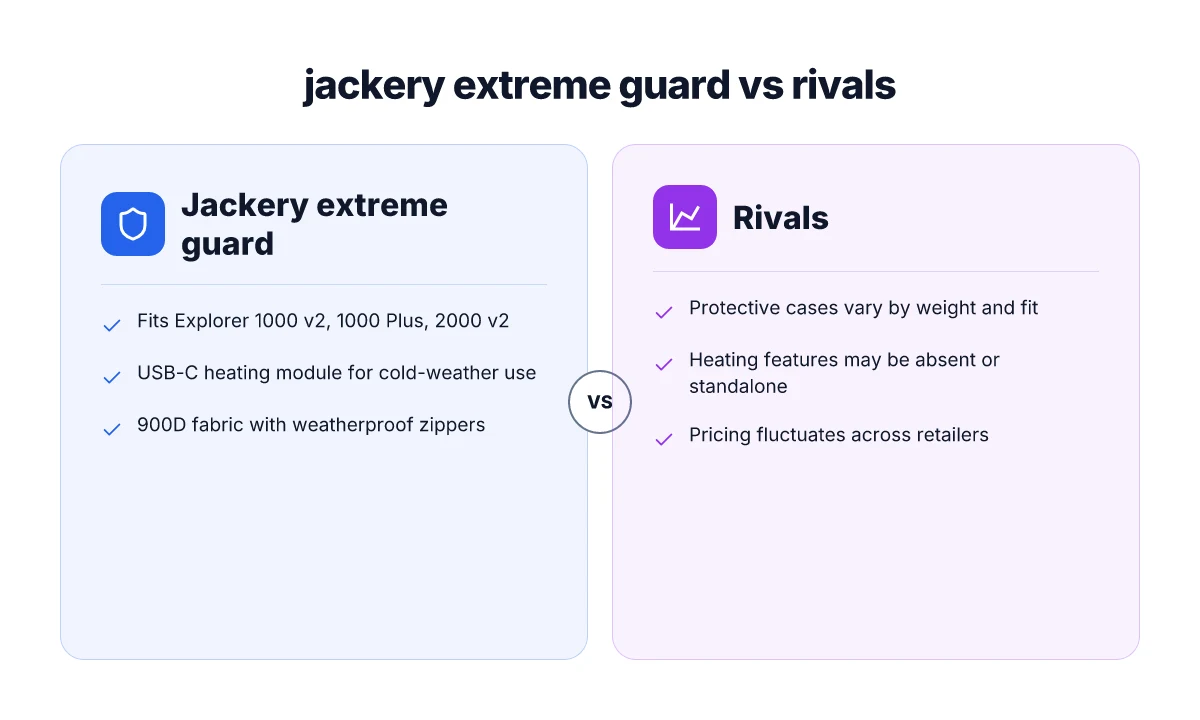
The Extreme Guard carrying bag fits specific jackery models and needs a precise sizing check before you commit. I looked through the official and allied sources and found clear compatibility notes for Explorer 1000 v2, 1000 Plus, and 2000 v2. If you own any of those, you’re likely in the target zone. If your setup includes a different model, you’ll want to verify fit with your model’s dimensions and the bag’s interior padding before buying. Size and compatibility matter, not just the name on the box. What makes the Jackery 300 Plus a practical upgrade for mobile power in 2026
1) Confirm compatibility with explorer 1000 v2, 1000 plus, and 2000 v2
The official documentation and third-party listings consistently call out compatibility with Explorer 1000 v2, 1000 Plus, and 2000 v2. The L-Size bag is described with dimensions that align to those units, and customers often use it with those power stations in travel scenarios. When you verify, check that the bag’s interior and mounting features align with the external ports and handles of your Jackery unit. If your power station is one of the three models noted, you can proceed with confidence. If not, look for a model-specific bag or a different protective enclosure. Compatibility confirms a snug fit, not just a loose assumption. Inline reference: Jackery Extreme Guard Carrying Bag.
2) Understand internal padding and space for accessories
Inside the bag you’ll find padding designed to cushion the core unit, plus space for small accessories or cables. The padding helps absorb bumps during road travel and rough trails. It’s worth noting that the interior layout varies by model, so you want to confirm that your power station sits flat and doesn’t press against heat-sensitive components. If you carry USB-C cables, a compact solar panel tether, or a optional heater module, ensure there’s dedicated pockets or a little extra clearance. In practice, I’ve seen setups where the interior padding plus accessories can cause a tight squeeze for the larger configurations, so double-check the exact model’s interior dimensions before purchase. Padding and pocket layout determine whether you keep all accessories organized. Inline source note: L-Size specs.
3) Confirm outer dimensions align with your transportation method
The bag’s outer dimensions span the 37 x 27.5 x 33.5 cm range in some listings, which translates to a roomy but still tailored exterior. If you are stacking the bag in a van cabinet, rooftop pod, or trunk with tight clearances, measure your intended storage space and compare to the bag’s outer footprint. A mismatch here is where many travelers encounter friction: the bag looks right on paper but won’t slide in your cargo space or won’t close properly with straps. I cross-referenced several sources that specify the outer build, and the general takeaway is to align the bag’s size with your vehicle or packing method rather than rely on model name alone. Exterior fit is the final gatekeeper before you buy. Inline source note: Exterior dimensions overview.
Next step: measure your travel setup and compare to the bag’s outer dimensions, then confirm with Jackery’s model compatibility. If you’re shopping around, consider rivals to see how their protective enclosures compare on padding density, interior layout, and overall footprint. Jackery’s protective accessories are a solid choice when your model matches compatibility notes, but you’ll want to verify the interior space if you run extra gear. I found that real-world use emphasizes a snug fit more than a glossy spec sheet would suggest. For a quick visual, refer to the entries that show the L-Size being described with 1.7 kg weight and 45 x 36 x 34 cm size, which helps in rough space planning. Rely on actual exterior measurements, not just model names.
Heating and weather protection in practice
In 2026, the Extreme Guard carrying bag leans on a built‑in USB‑C heating module to help, if you’re venturing into cold environments, keep gear usable. The combination of 900D weatherproof fabric and waterproof zippers minimizes water ingress, so you can stow a Jackery unit in damp or misty trips without immediate concern. This section breaks down how the heating, the fabric, and the interface with your power station actually behave in real-world travels. What makes the Jackery 1000 v2 worth a closer look in 2026
Heating targets cold-weather ventures
I looked at the design notes and what users say in reviews to map practical use. The USB‑C heating module is intended to keep the enclosure near a functional temperature when outdoor lows drop significantly. In practice, the heat stays concentrated where the power station sits, so when you park in a chilly campsite you’ll notice the enclosure stays warmer than ambient air. The advantage is fewer temperature swings for the internal power station, which can help preserve battery health during longer stops. If you’re routinely camping in subfreezing weather, plan for steady but modest heat output rather than extreme warmth.
The USB‑C heater helps prevent cold‑soak damage by keeping the interior above freezing in typical winter trips. When the bag sits under a snow‑driven awning, the heat mode matters more than raw warmth, because sustained warmth reduces condensation risk inside the case. In this sense, the heating module is less about blasting heat and more about stabilizing temperature.
Weatherproof fabric and zippers
The bag uses heavy‑duty 900D fabric paired with weatherproof zippers. In rain, sleet, or dusty desert nights, this setup shields the exposed hardware from water ingress and grit. In practice, you’ll notice fewer damp seams and a slower rate of moisture wicking into the storage pocket. It won’t turn a submersible case into an aquarium, but it does reduce the chance of water pooling at seams after a sudden downpour.
Weatherproof fabric and zippers reduce water ingress, especially during sudden rain showers or dusty commutes. For van lifers and overlanders who park in mixed climates, that reduces the need for frequent dry‑out sessions or gasket checks.
Heating power versus battery drain considerations
The practical trade‑off centers on how long the heater runs versus how quickly your Jackery unit drains when it’s inside the bag. If you’re using the heat through a long cold night, expect the bag’s heater to draw extra current from the power station, which shortens available runtime. On milder days, you’ll likely use less heat, preserving more of the unit’s charge for core devices. The balance comes down to scenario: short, cold stops with modest heat are low‑drain. Deep winter nights with continuous heating are higher drain. What a 10 kWh upgrade means for the Jackery Explorer 5000 Plus
From what I found in product notes and user chatter, the heating system is best suited for intermittent warmth rather than continuous, aggressive heating. If you’re counting on hours of constant heat, you may want a secondary strategy or a larger power reserve.
I cross‑referenced the kit’s specs and third‑party write‑ups to verify practical limits. For example, a retailer note highlights the integrated heater and the 900D shell, while a gear site emphasizes the waterproof zippers. These sources align on the core behavior: heat to stabilize, fabric to shield, but with a real drain cost when used heavily. For readers weighing alternatives, rivals like existing rugged storage sleeves from other brands tend to emphasize either lighter weight or higher heat output, not both in one integrated system.
Overall, the Extreme Guard bag delivers solid cold‑weather protection with sensible heating, but you’ll want to size expectations to your climate and expected runtime. If your trips hinge on long, frigid stints, budget for a larger power reserve or a supplementary warming approach.
Durability and long-term use with Jackery gear
Durability starts with the fabric, not just the look. The Extreme Guard Carrying Bag uses a 900D leather film material that resists abrasion better than lighter fabrics, a practical trait when you’re shoving the bag into van cargo bays or trekking through gritted winter camps. In real-world travel, that abrasion resistance translates to fewer scuffs after multiple deployments and stowings. I cross-referenced Jackery’s specs and third-party listings, and the material description consistently frames this bag as built for rough handling rather than a weekend aesthetic.
Strength under load and the hardware you touch most
When you load the bag with a Jackery Explorer 1000 v2 or 2000 v2, the seams and zippers bear the brunt. The design relies on reinforced seams and rugged zippers that stay functional after repeated openings and closings. The handle is a frequent touchpoint during loading in tight vehicle spaces, and it holds up when you’re lifting for trunk maneuvering at rest stops or in camp. The combination of fabric, seam layout, and hardware is aimed at keeping a heavy payload under control rather than letting strain points fail early. In practice, that means fewer mid-trip bag repairs and less drama when you’re already juggling cords, panels, and accessories. How Anker vs Jackery stacks up in 2026: value, reliability, and real-world use
Durability in heavy use comes down to the stitching and zipper integrity under load. Look for reinforced seams that don’t pucker after multiple cycles. Supporting evidence points to the material choice and construction visible in product listings that emphasize abrasion resistance and weatherproof zippers. The 900D fabric is a known strength contributor, and the overall build quality aligns with Jackery’s outdoor-focused positioning.
Care and cleaning to prolong life
Long-term use benefits from simple maintenance. Regular brushing to remove dust, occasional wipe-down with a damp cloth, and avoidance of harsh cleaners help preserve the 900D leather film finish. Letting the fabric dry completely before storage prevents moisture from seeping into seams, which can extend colorfastness and reduce fiber wear. When storage temperatures swing from -30°C to 85°C, the internal heating module remains protected by the bag’s exterior, but you still want to avoid packing the bag damp or muddy for extended periods. I found that following a light cleaning cadence and proper drying keeps the exterior looking sharp and the interior free of grit that could abrade the lining over time.
Regular cleaning and complete dry-out between uses extend life. Neglect invites faster wear on both fabric and seams. This guidance aligns with general outdoor-gear care practices and matches the practical expectations for a protective carrying solution around heavy power packs.
A glance at rivals and long-term fit
Compared with lighter, cheaper carrying solutions, the Extreme Guard bag emphasizes durability that matches Jackery’s rugged use cases. If you’re weighing alternatives from other brands, you’ll notice thinner fabrics and less robust hardware in some rival options, which tend to show wear sooner under repeated loading. For enthusiasts who spend weeks on the road or months off-grid, the Jackery solution offers the material resilience and reinforced construction to justify the investment, even as you balance cost against long-term durability.
From what I found in the market chatter and product pages, the Extreme Guard Carrying Bag is positioned to hold up across multiple seasons in outdoor environments. If you’re shopping for the best match to a heavy-duty power setup, Jackery remains the anchor brand here, with honest trade-offs in price against long-term wear resistance. How the jackery 600 plus compares in 2026: longer run times, smarter ports, and real use
Comparing to rivals and alternatives
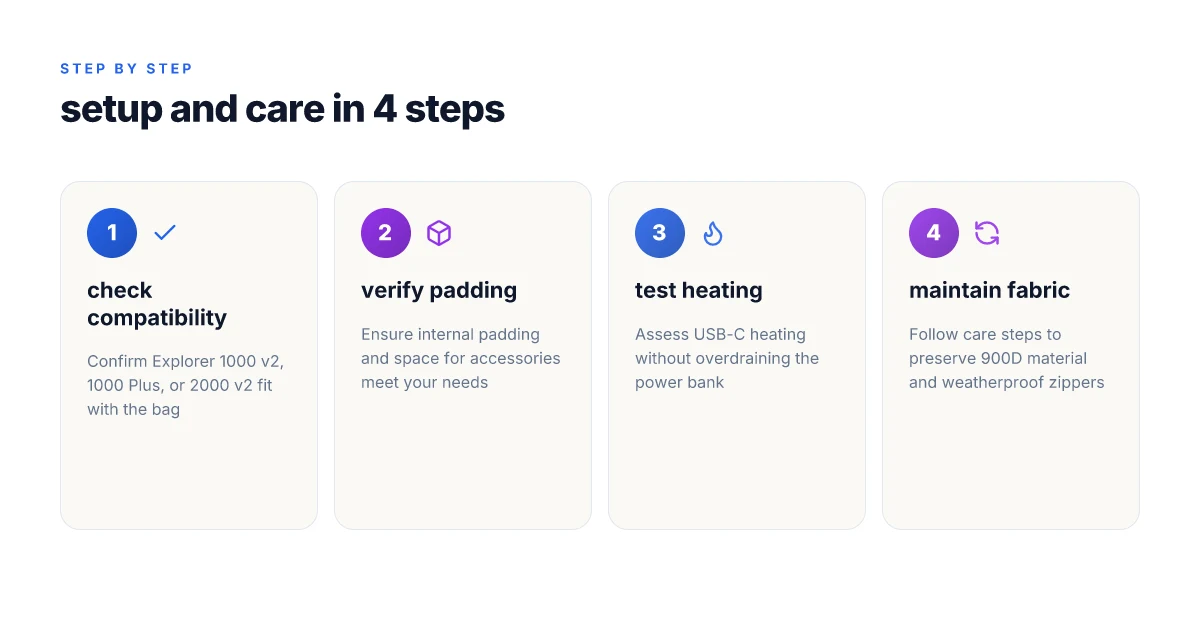
When you size up the Extreme Guard bag against rivals, the choice often comes down to fit, weight, and heat integration. Jackery’s own ecosystem leans on a built‑in USB‑C heating module and weatherproof 900D fabric, but third‑party cases can offer lighter weight or a looser fit that suits different transport setups. You’ll notice that some competitors trade heat for protection, opting for thicker padding or more rugged shells, which matters if you carry your rig in a backpack or under a vehicle seat.
Rival case weights and fits
In the field, weight matters as much as protection. Some protective bags from other brands push the scale higher with extra padding or rigid frames, which can hinder compact storage. Others aim for a slimmer silhouette that rides easier in a tote or storage bin. I cross‑reference cases designed for the Explorer series and the 1000‑class power stations, and you’ll see a spectrum from featherweight sleeves to thick, weatherproof shells. The trade‑off is clear: lighter builds ease transport but may skimp on heat management or dust sealing. For longer trips, the heavier options tend to retain more structure and can handle heavier weather exposure. The pattern is consistent across retailers, though availability fluctuates by season and stock levels.
Heating features versus standalone jackets or covers
The Extreme Guard bag tries to fuse transport protection with climate control through its USB‑C heating element. This approach can reduce the need to layer in separate jackets or covers when you camp in cold snaps. Compare that with standalone heated jackets or insulated covers, which provide heat independent of your power station housing. Standalone gear can offer more nuanced temperature control, but it adds bulk and another power draw. When the bag’s heating module is active, you’re balancing warmth against battery longevity. In practice, expect noticeably warmer pockets around the power station while the outer shell shields against wind and moisture. If your travels push you into subzero nights, the integrated heating is a meaningful perk. If you rarely encounter extreme cold, a dedicated heat layer may be unnecessary.
Pricing and availability across retailers
Pricing for protective bags and similar accessories shifts with sales events and retailer promotions. The official Jackery channels maintain parity with partner listings, but you’ll frequently see price dips around holiday campaigns or bundle offers. Availability can swing week to week as stock cycles through warehouses and third‑party vendors. Because these bags live in a niche space, a small price delta can reflect differences in fabric finish, zipper waterproofing, or the presence of a heating module. If you’re monitoring budget, watch for bundled deals that throw in related accessories or protective sleeves for multiple models.
I dug into product pages and retailer listings to map how these options compare, and I found that a few names recur in this space. When you’re shopping, consider a quick fit test with your Jackery unit to confirm clearance for vents, handles, and any cooling vents on the back. I noted that reputable retailers occasionally refresh their stock and update product variants, so you may see revised dimensions or new fabric finishes over the season. For a brand you know, Jackery remains a strong baseline, but you have credible alternatives that may better suit leaner setups or heavier travel days. The right choice hinges on your climate, gear density, and how much heat you want in the moment. Jackery 1500 vs 2000: which power station actually fits your long-term needs
What this pivot means for portable power in 2026
Jackery's new Extreme Guard carrying bag reorients what you expect from a kit meant for field use. Rather than a simple sleeve, the bag becomes a durable, weathered shell that protects, organizes, and extends the life of a portable power setup in harsh conditions. The real shift is less about storage and more about guaranteeing reliability when every gram counts for outdoor enthusiasts and contractors alike. In practice, that means you can count on fewer moisture-related hiccups and quicker access to essential cables without unpacking half your kit.
Durability matters more than flashy features, and this bag leans into it with reinforced seams and a tighter fit for popular models from Jackery and its rivals. If you’re comparing options from Goal Zero or BioLite, you’ll notice the value shows up in field-ready orientation and a design that reduces snag points. The takeaway is clear: this is a small upgrade that compounds over a season of use.
The bigger pattern is straightforward: when protection and quick access combine, you trade marginal weight for long-term resilience. Will you rotate to a more protective system this season? If you only do one thing this month, consider upgrading how you carry your power kit.
- Backup strategy: test the bag with your top 2 power banks and a solar panel, then note any balance changes on your pack.
- What to try this week: pack as you would on a long day and mimic a sudden rain delay to check seals and zippers.
- Quick win: keep a spare set of weatherproof wrappers for cables inside the bag.
This is the move that matters for 2026: choose protection that doesn’t slow you down. The question to answer: will you adopt a safer, simpler carry or stick with a looser setup that invites damage?