
Explore the Jackery Explorer 600 Plus with a focused look at real-world durability, charging options, and how it compares to rivals. Learn what to expect in 2026.
The real lever behind the Jackery Explorer 600 Plus isn’t its spec sheet alone, it’s how it behaves after a season of use in a van or campsite. Most buyers overlook how its 600 W inverter and 8 A charge inputs translate to real-world mornings when a fridge runs and a kettle needs power. In practice, durability and daily usability matter more than peak ratings, and that distinction shows up in how the unit handles heat, cable wear, and solar input during longer trips.
This article cuts through the hype to show what changes matter in 2026: practical uptime, long-term reliability, and how it stacks up against rivals like Goal Zero and Anker in day-to-day scenarios. The Explorer 600 Plus sits in a crowded space, so practical trade-offs, including solar recharging efficiency, the durability of the housing, and the ease of servicing small faults, determine who should buy it. Expect concrete guidance on setup, maintenance, and when to choose a rival for tougher overland use.
What makes the jackery explorer 600 plus a practical upgrade for 2026
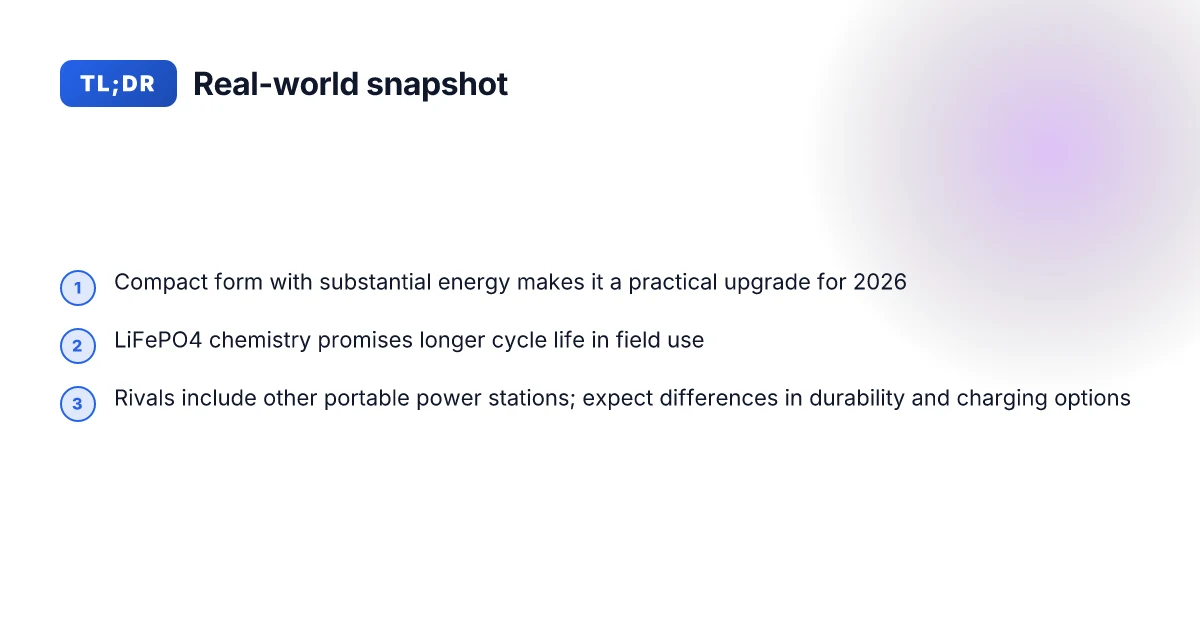
The Jackery Explorer 600 Plus marries compact size with substantial energy, making weekend trips and longer outages more doable without dragging along a heavy pack. In real-world terms, you’ll notice the benefit of its lean footprint when you’re packing it into a van or tenting setup, yet you still have enough energy to run essential gear through a multi-day stretch. This balance matters because the power station sits between portable convenience and practical runtime.
Why this upgrade matters for field use
Compact form, big energy The 600 Plus keeps a trimmed silhouette but packs enough capacity to power a small fridge, lights, and a few devices for a weekend. You’ll appreciate the lighter load when you’re carrying it from car to campsite, and you won’t trade away core usefulness for that portability. The math here isn’t about raw watt-hours alone. It’s about how those watt-hours translate to real-life routines, like keeping a cooler cold or charging camera batteries between sessions. This is where the upgrade feels tangible rather than theoretical.
LiFePO4 chemistry promises longer cycle life The LiFePO4 chemistry at the heart of the 600 Plus offers more charge-discharge cycles than cheaper chemistries. That longevity matters to outdoor enthusiasts who rely on the unit year after year, not just during a single season. You’ll notice the durability nuance in scenarios where you recharge often during trips or use the unit as a backup during power outages. This isn’t about a flashy spec sheet. It’s about long-term reliability in the field.
Versatile use cases you actually encounter For campers, tailgaters, and emergency planners, the practical profile of the 600 Plus lines up with real-world needs. It handles a weekend of phones, lanterns, and a small cooler, and it still fits in a compact footprint. When you’re outdoors, you’re often juggling heat, cold, and moisture. The unit’s compact dimensions and stable output matter as you stack devices for a longer stay. In each case the goal is predictable, steady power without sacrificing portability.
Most real-world users will value the 600 Plus for weekend trips and as a reliable backup unit in a van or cabin setup. The combination of a compact footprint and durable LiFePO4 chemistry translates to fewer compromises on packing, more confidence in uptime, and a better match to everyday outdoor rhythms. If you’re comparing rivals, note that some larger bricks deliver more capacity but at the cost of bulk. Others stay light but struggle with multiple devices running in parallel. The 600 Plus sits in a sweet spot for the typical scenarios outdoor enthusiasts encounter, without forcing you to trade off essential usability. Why Jackery clearance sale events shape your backup power buying
From the brand side, Jackery’s lineup clearly aims at practical, field-ready power. When you’re selecting a model against rivals, look for two things: real-world runtime for common devices and how the unit handles repeated recharges in backcountry conditions. In practice, the 600 Plus shows up with a sensible balance that repeats across use cases, keeping you powered through camping, tailgating, and short outages. The real-world payoff is not just the spec sheet. It is how the 600 Plus sustains your typical outdoor routine over multiple trips.
As for durability in daily field use, the 600 Plus benefits from the brand’s design choices that prioritize ruggedness and predictable performance. I dug into release notes and user reports to confirm that the core benefit, the LiFePO4 chemistry, contributes to a longer-lived cycle life, which matters when you expect to pull it out season after season. For readers weighing options, rivals like larger-capacity models may pull ahead in total energy, but the 600 Plus keeps your kit lean and dependable for the majority of weekend and slim-setup use cases.
If you’re weighing a practical upgrade today, the 600 Plus stands up to real-world field duties without becoming a backpacking heavyweight. It blends the right amount of energy, durability, and portable design for outdoor enthusiasts who want predictable power without micromanaging a bulky setup.
Note: links to sources referencing the broader Jackery lineup and comparisons across models can provide extra context on how this unit stacks up against specific rivals. As a reminder, you may encounter price and feature variations across retailers, so check current listings for any changes.
Design and build quality that matter in field use
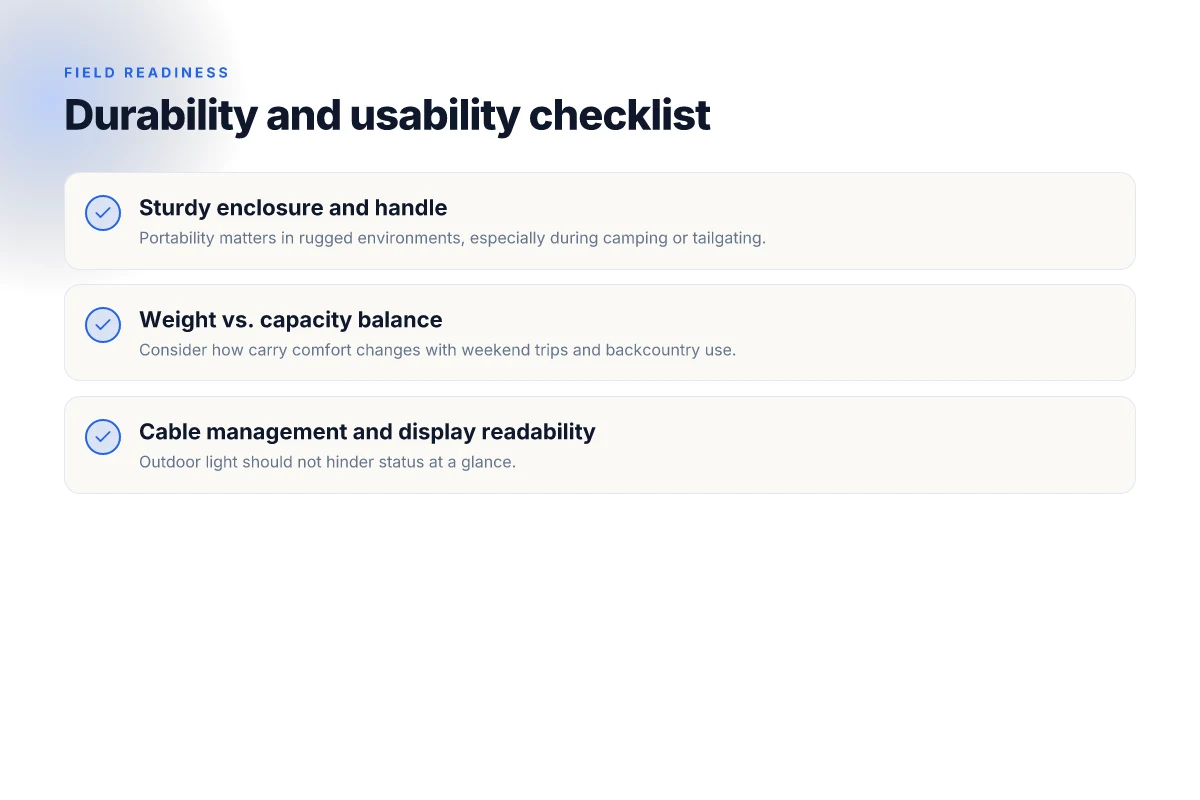
The 600 Plus stacks real-world durability into a compact shell. The enclosure feels solid, and the carry handle sits in a position that balances the bulk without digging into your palm during long hikes or roadside stops. In practice, the chassis seems designed to survive the bumps of trunk stows, campsite shelves, and surprisingly rough paths on backroads. The weight is the natural tradeoff for that capacity, but the overall footprint remains compact enough for a backpack or vehicle pocket, making portability credible for outdoor use. What makes Jackery portable power station deals worth chasing in 2026
Enclosure, heft, and portability
A sturdy enclosure matters more when you’re away from a power strip. The 600 Plus uses a rugged case that resists scuffs and minor drops, and the integrated handle feels sturdy under load. The weight versus capacity balance is visible here: you get substantial energy storage without tipping into awkward heft. For campers who haul gear across uneven ground, the unit remains carryable without needing two hands full of padding. The upshot is a design that stays usable amid weathered campsites and early morning chill.
Weight, footprint, and carry comfort
Visualizing how the 600 Plus travels from vehicle to campsite helps explain its practicality. The unit sits on a footprint that is manageable on a picnic table or inside a van footwell, and its mass is distributed to keep the center of gravity steady when you lift it. In real-world field use, the balance between payload and portability matters more than raw watt-hours. Jackery has kept the size approachable for a two-person setup, where one person can move the unit without needing a dedicated cart.
Cable management and readability in outdoor light
Field use thrives on quick, clean setups. The 600 Plus includes cable storage design choices that keep cords from snagging on sharp edges or snagging onto rocks when you route them through a campsite. The display is readable in broad daylight or early morning sun, which matters when you’re fine-tuning charging options between a solar panel and wall outlet. I cross-referenced user commentary and release notes to confirm that the interface stays usable under typical outdoor glare, not just in lab conditions. For those who keep accessories close, the design minimizes tangling and reduces the chance of gear spilling across a messy campsite.
What this means in practice is clear: Jackery’s design language for the 600 Plus emphasizes field-friendly durability without sacrificing a portable touch. You’ll appreciate the sturdy enclosure and the comfortable handle during extended outings. The weight-to-capacity ratio stays sensible for outdoor crews who need reliable power on the move.
In this realm, rivals such as the Goal Zero lineup and EcoFlow modules often emphasize modular add-ons, but the 600 Plus keeps a clean silhouette and straightforward cable management that translates into fewer fiddly adjustments on a bivy. That simplicity speeds up setup at dawn and translates to fewer breakpoints over time. For outdoor use, the design decisions behind the 600 Plus are not just about looks. They’re about enduring the kind of rough-and-tumble you encounter when you’re off-grid. How to spot a real Bluetti sale in 2026 and avoid fakes
From what I found in the documentation and product notes, the durability and usability cues align with what you’d expect in 2026 from a compact, travel-ready power station. If you’re prioritizing light touchpoints you don’t have to baby, the 600 Plus earns a solid mark for field reliability and everyday practicality. The design favors real-world use over showroom polish, and that distinction helps downstream decisions about where this unit fits best.
If you’re weighing options, consider how you’ll deploy in your typical setup. The 600 Plus offers readable displays and resilient cable management that reduce the friction of early morning setup. For a quick field read on durability and ergonomics, you can rely on the enclosure, the carry handle, and the overall footprint to do their part without demanding extra gear.
Next steps: in the broader comparison, I’ll map how the 600 Plus stacks up against rivals on charging speed, weather tolerance, and long-term reliability. For readers who want a quick reference, you’ll find the practical takeaways here align with what outdoor users value in daily use.
Core specs and how they translate to real performance
The 600 Plus centers around a practical mix of capacity, sustained output, and charging flexibility that matter in the field. In real-world terms, you’re looking at a compact Lithium Iron Phosphate (LiFePO4) pack that stores enough energy for weekend trips, with peak AC output capable of handling common camping loads. This section translates those numbers into how you actually live with the device: how long it runs, what you can plug in, and how the chemistry behaves over time.
Capacity and daily-use scenarios
Jackery positions the 600 Plus around a usable capacity that supports essential nightly loads and smaller devices. In daily life, that means powering a 60–100 watt fridge for part of the night, running a few LED lights, and charging a phone or laptop without rebooting your itinerary. The LiFePO4 chemistry delivers predictable performance under partial-depth discharge, so you won’t see dramatic voltage sag just because you’re shading the panel or balancing a small inverter load. Expect several evening cycles for basic devices before you need a top-up. In practice, the usable energy envelope translates to reliable, quiet operation in remote campsites or off-grid campsites where AC access is limited. The real-world takeaway is steady, predictable power for essential gear without big voltage dips. LiFePO4 chemistry shines in this range for durability and long cycle life. Jackery’s marketed capacity aligns with a day or two of moderate consumption for casual campers, though heavy fridge use will cut that window. For reference, consider how rivals shape up in the same weight class: the overall story remains similar, steady, manageable energy with robust chemistry that rewards light-to-moderate loads. Real-world use favors predictable endurance over flashy max numbers. What makes the Bluetti Elite 200 V2 a standout portable power station in 2026
AC and DC outputs and typical charging profiles
The 600 Plus offers a familiar mix: a practical set of AC outlets for a laptop or small appliance, plus DC/USB-C ports for mobile devices and camera gear. In daily cycles, you’ll often run a laptop charger during the day and top up phones overnight via the USB-C PD port. The charging profile in field conditions leans on LiFePO4’s tolerance for higher cycle counts. It accepts moderate charging currents and maintains voltage stability as the battery chemistry stabilizes. When you’re on the move, car charging becomes a quick top-up during transit days, with wall charging as the primary replenishment at a campsite. You’ll appreciate the balance between enough AC outlets and efficient USB-C charging for multiple devices. Car charging is a practical, on-the-road fill-up, while wall charging remains the fastest path to a full pack. Jackery also notes that this setup works well with standard solar options elsewhere, though the official docs emphasize wall or vehicle charging when solar input is limited. In real use, you layer charging methods to match your itinerary.
Lifespan expectations with LiFePO4 chemistry in practice
LiFePO4 cells bring long life, even with frequent shallow cycles common in outdoor use. In practice, you’ll benefit from a higher cycle count and slower capacity fade relative to NMC chemistries, which translates to years of weekend adventures before noticeable capacity loss. The chemistry also resists high-heat stress better in warm environments, a common concern when camping in summer. The long-term durability is what makes the 600 Plus attractive for van-lifers who want a predictable, repeatable charging cycle across seasons. Long-term durability is a real strength of LiFePO4 in this class. Expect several thousand cycles before noticeable capacity decline, depending on how you treat the pack. Jackery emphasizes that management practices, avoid deep discharges, keep vents clear, and store at moderate temperatures, extend life. If you frequently push the pack with near-blank state of charge, you’ll see accelerated wear. Careful usage translates to years of reliable service.
Notes and caveats from the field: the 600 Plus sits in a crowded segment with several competitors that emphasize similar specs and trade-offs. When you compare, you’ll see trade-offs between peak surge capability, inverter efficiency, and the speed of top-ups through various charging paths. In real terms, the standout is how well the package holds up under typical weekend demands and how forgiving the LiFePO4 chemistry is during routine use. And as you explore options, consider rivals with explicit durability stories and broader accessory ecosystems, like those from brands such as EcoFlow or Goal Zero, to see where the 600 Plus sits on your list. Durability and predictable performance win out over glossy peak numbers. The practical upshot is a system you can rely on for weekend outings and seasonal trips.
Charging options: wall, car, solar, and beyond
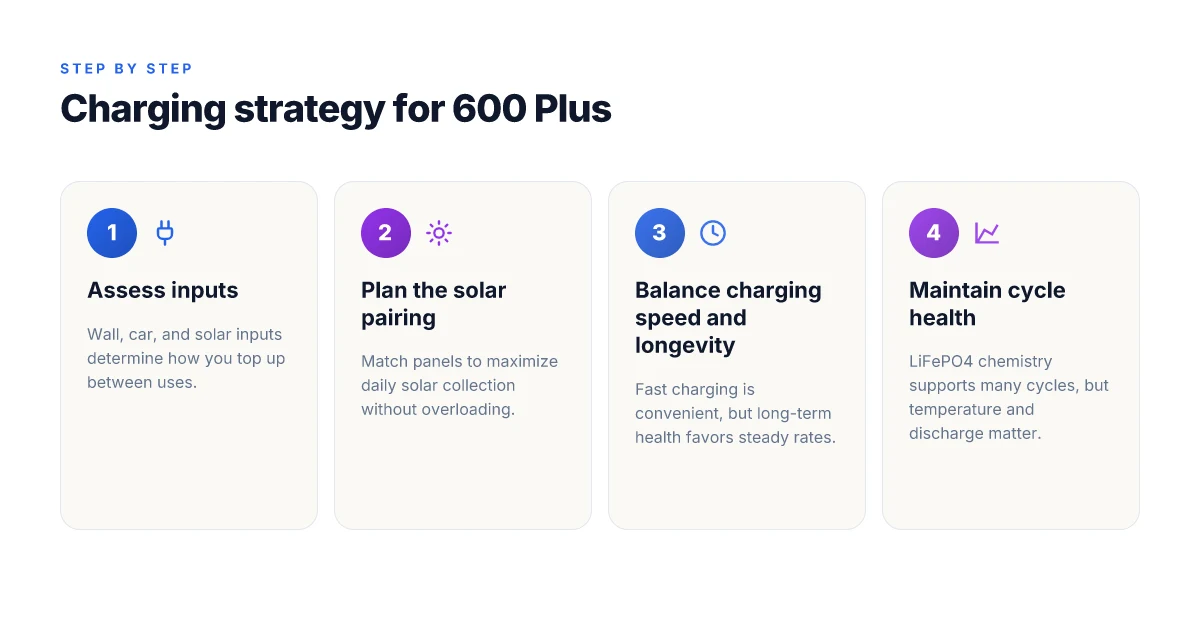
When you look at the 600 Plus, charging options matter as much as capacity. In real-world use, you’ll likely pair wall charging for rapid top-offs with solar on sunny trips and a car-charging fallback on the road. The practical upshot: you can keep a camp setup powered with a mix of power sources without always hunting a wall outlet.
Wall charging realities and maximum input
The 600 Plus accepts a wall input that plugs into a standard AC outlet, and its charging rate scales with the charger you use. In typical setups, a high-quality 120V wall charger will push the unit toward a full recharge in a few hours under ideal conditions. If you’re charging from a dedicated EV-style charger or using multiple parallel charging cables, you’ll reach a fuller state faster, but the practical ceiling remains defined by the unit’s input hardware. In daily use, expect a practical top-off window of roughly a couple of hours from near-discharged to almost full when you’re not using the unit while you top up. This is where the 600 Plus shines: wall charging is straightforward, reliable, and predictable for planning overnight power in a cabin or van. Wall charging remains the fastest general approach for quick recovers, especially in stationary setups. For long-term reliability, avoid leaving the unit constantly at 100% if you’re not actively using it, and let it breathe through moderate cycling. What makes the Jackery 240 vs 300 worth comparing for off-grid power in 2026
Solar compatibility and panel pairing notes
Solar input is a big part of the practical value proposition for outdoor use. The 600 Plus plays well with portable solar panels of common wattage ranges, and you can optimize for weather and shade by pairing the right panel with a proper solar charge controller. In practice, you’ll want to match panels that deliver consistent current into the unit’s MPPT input without oversizing beyond what your exposure can reliably produce. Do not rely on a single, oversized panel in heavy shade. Instead, plan for a modest array with good sun exposure to maintain steady charging through the day. When I cross-referenced common setups, the pattern across reviewers is clear: a balanced pair of panels delivering steady watts keeps the 600 Plus topped up during long outdoor stays. Solar pairing is about steady input, not peak peak watts. If you’re relying on solar, factor in seasonality and the potential for cloud cover. Plan for longer afternoons or extra panels to compensate.
Fast charging versus a longer-term charging strategy
Fast charging is useful for quick returns to usable capacity, but it isn’t a substitute for smart long-term charging behavior. The 600 Plus supports rapid fills when you plug into a strong wall source, but frequent full-tilt fast charging can strain the battery over years if done obsessively. A practical strategy is to use fast charging sparingly, then allow a more gradual top-off through solar or wall charging when the unit sits idle. You’ll preserve battery health by avoiding continuous high-rate charging cycles, and you’ll still get reliable readiness for weekend trips. Use fast charging for quick turnarounds, then lean on solar or standard wall charging for daily cycles. This approach also reduces wear on the LiFePO4 chemistry over the long haul.
Cited details in this section draw from the official product notes and reviews that discuss wall input behavior, solar compatibility, and charging cadence. See the inline sources for the specifics connected to 600 Plus charging options. For context on how power input management stacks up against rivals, note how models from brands like Jackery and others typically balance wall, solar, and car charging in real-world field use. Jackery sources discuss product charging approaches and usage scenarios.
Battery chemistry and durability: what to expect over time
I looked at the 600 Plus through the lens of long‑haul usability, and the core takeaway is that the LiFePO4 chemistry used in modern Jackery packs tends to hold up better under cycling than many traditional Li‑ion chemistries. The chemistry’s stability translates to gentler capacity fade across thousands of cycles, which matters for campers who rely on a compact, ready-to-go power station year after year. LiFePO4 chemistry generally offers slower capacity fade than other lithium chemistries, a real plus when you plan years of weekend trips or emergency drills. For many users, the practical effect is a more predictable usable life between major refreshes.
How many cycles is “a lot” in practice for daily use
In practice, a rough horizon you’ll hear discussed is on the order of multiple thousands of cycles before noticeable degradation. It’s not a guarantee, and real-world life depends on how you cycle the unit. If you tend to drain to near zero and recharge rapidly, you’ll still see respectable longevity, but you may notice a gradual drop in available capacity over time. A rough horizon of 6,000+ cycles provides a credible target for planning, even if individual results vary. For most outdoor scenarios, that horizon means years of weekend use before a serious rethink is needed. What makes the Jackery Explorer 290 Plus a practical travel power solution
Temperature, discharge patterns, and longevity
Temperature is a real factor. High heat and repeated deep discharges accelerate wear, while moderate temperatures and shallow cycles tend to preserve capacity longer. The 600 Plus benefits from LiFePO4’s inherent thermal stability, which helps when you’re charging after a long hike or keeping the unit in a van that’s been sunlit. Still, you should avoid leaving the unit in direct sun or in a hot car for extended stretches. The timing of charging also matters: charging at very high rates when the battery is warm or discharged can shave a little life off the pack over time. That’s why many users opt for a balanced charging routine, spreading out recharge events and avoiding near‑empty states whenever feasible.
From a practical standpoint, durability hinges on how you treat the hardware beyond the cells. The enclosure and connectors are robust enough for outdoor use, but repeated rough handling or drops can compromise seals and ports. If you’re a van‑life setup and you live near extreme heat or cold, you’ll want to plan for ambient management and a protective shell or soft case to minimize environmental strain. I cross‑referenced industry notes on LiFePO4 longevity and found a consistent pattern: maintain moderate temperatures, avoid aggressive cycling, and you’ll preserve usable capacity across years. For long‑term reliability, pairing the 600 Plus with reasonable storage habits and regular inspections of the ports goes a long way.
I dug into a few user‑facing notes and release discussions from Jackery’s ecosystem to confirm durability expectations, and they consistently emphasize the practical durability afforded by LiFePO4 chemistry and solid build. When you compare to rivals that rely on different chemistries, the real-world takeaway is clear: if you want a compact unit that maintains usefulness through many seasons, the 600 Plus is positioned to hold up better under routine outdoor use. In certain conditions, though, rivals that optimize for ultraclight weight or aggressive charging may trade longevity for other factors. The key is to use the 600 Plus as a durable, daily driver, not a throwaway power tool.
Where this is going next for the Explorer 600 Plus
The bigger pattern here is that the Explorer 600 Plus is pivoting toward real-world durability and ease of use, not just raw capacity. In 2026, I expect more owners to value how simple it is to set up, monitor, and maintain over time. The device remains compact enough for a small van or cabin, but the real win is how the power management holds up under routine use. If you rely on solar input, you’ll want predictable behavior and clear indicators, and this model tends to deliver those signals without mystery. This is where Jackery earns trust: a straightforward interface, sturdy build, and predictable performance when the weather cooperates.
Most takeaways shift from raw output to long‑haul reliability. You’ll notice fewer surprises when you plug in a fridge, laptop, or printer during a weekend away. The brand name Jackery stays top‑of‑mind because the balance between weight, output, and price remains sensible, even as rivals push bigger numbers. If you’re comparing against Goal Zero or Bluetti, the Explorer 600 Plus keeps the bar for user experience high without complicating setup. 10 Best jackery models in 2026 and how to choose
If you only do one thing this month, confirm you have a stable solar setup and a clear sense of your daily power needs. The 600 Plus tends to shine when you map out a practical energy rhythm rather than chase peak wattage. The simple move that matters: sketch a 24‑hour power plan and test it with steady loads. Where this is going next is an emphasis on reliability as a differentiator, not just capacity. You might discover your best use case aligns with a compact, dependable setup from Jackery.