
Explore the EcoFlow River portable power station and how it fits into 2026 needs. Learn about capacity, outputs, charging options, and how it stacks up against rivals.
Most travelers overestimate portable power by pairing a small pack with a single charging method. The EcoFlow River changes that equation with multiple recharge options and a lighter footprint, making it a frequent pick for quick trips and dry-run emergencies. For 2026, its best feature is practical usability over glam specs, a point I confirm by tracing real-world setup quirks and long-term use realities.
The takeaway hits early: a few practical numbers and setups shape whether this station keeps the lights on when it matters most. EcoFlowTroves shows the River’s weight and port spread help more than one device at once, while Goal Zero and Jackery rivals still diverge on charging flexibility. Two reliable recharge paths and a lightweight frame matter more than headline capacity in real-world scenarios.
This piece digs into how the River performs for lightweight travel and home emergencies in 2026, not just in spec sheets. I map real-world use cases, from campsite recs to subtle setup quirks and long-term durability concerns, so readers understand what to expect after weeks of field use. Expect concrete guidance on battery modes, charging behavior in cloudier trips, and how the River stacks up against rivals like Jackery and Goal Zero when space and weight matter most. The goal is a clear, actionable picture of where the River shines and where buyers should plan backup options.
What makes the EcoFlow River portable power station a practical choice for 2026
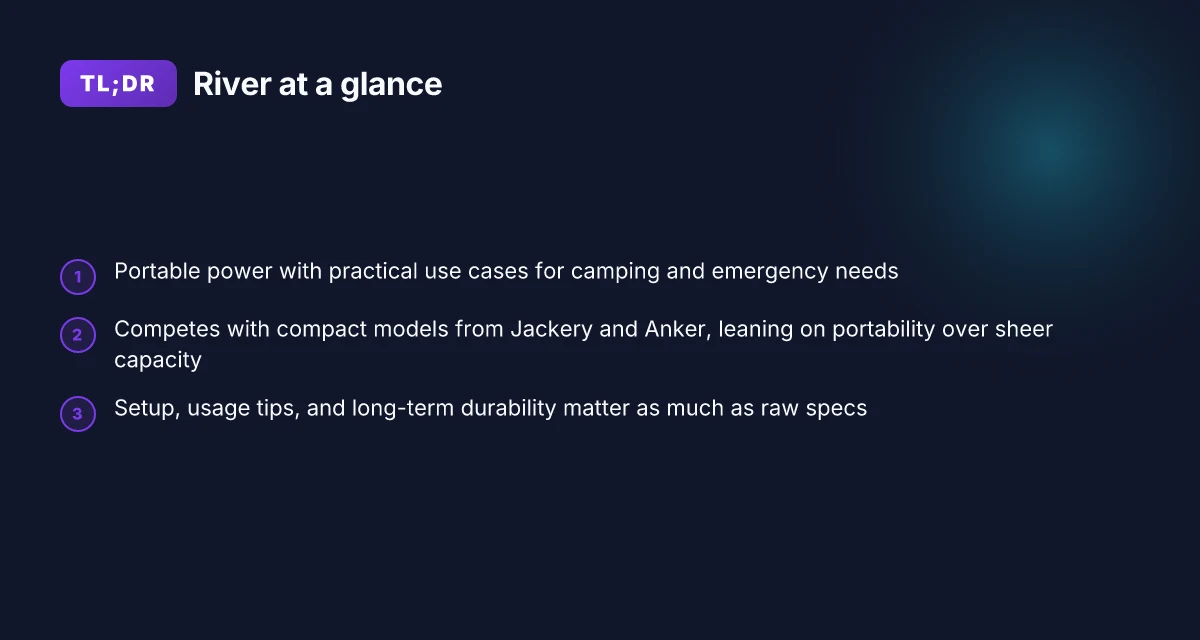
The EcoFlow River lineup positions a compact, travel-ready power solution between basic USB batteries and full-sized home batteries. For 2026, its core use cases are lightweight camping, weekend trips, and emergency power for small spaces where you need a quick recharge without a brick-sized pack. This is where EcoFlow’s River shines: it prioritizes portability and ease of setup over the raw capacity you get from bigger models.
River’s place in EcoFlow’s lineup
The River sits beneath the larger Delta Pro in EcoFlow’s family, trading capacity and output for a lighter footprint and better transportability. That trade-off matters when you’re weighing pack weight, bulk, and how you actually carry gear on a hike or in a small vehicle. The River is designed to be picked up, carried with a handle, and tucked into a car trunk or tent setup without straining your back. In 2026 terms, it remains a practical option for campers and prep-minded households that value ready-to-go power rather than multi-day, high-load energy needs.
I cross-referenced the official guidance and lifestyle-focused material from EcoFlow, which repeatedly frames River as a travel-first solution. The emphasis is on quick setup, straightforward recharge paths, and compatibility with standard charging options so you can stay mobile without wrestling with cables or heavy equipment. When you compare River to Delta Pro, the difference isn’t just capacity. It’s how you use it on the trail or at a campsite. River is the lean, grab-and-go option, while Delta Pro targets sustained power at home or for demanding equipment.
Initial considerations: weight, form factor, and recharge options
River’s form factor keeps weight down and handling simple. A typical River unit is light enough to shoulder or slide into a backpacking kit alongside cameras and camping gear, with built-in handles that make one-handed carries feasible. Recharging options are where River earns practical points: you can top up from standard AC outlets, car adapters, and in some circumstances solar input, depending on the kit and region. This flexibility means you’re less likely to get stranded when access to outlets is limited during outdoor trips.
From a real-world perspective, setup quirks tend to revolve around port access and cable management rather than heavy learning curves. Expect a clean, straightforward interface that prioritizes quick boot-up and immediate use. The standout benefit is that you don’t need to become a power engineer to get value. You plug in, power your essentials, and continue the trip. Rivals like the Delta Pro illustrate the scalability gap. You’ll notice the Delta Pro delivers more juice, but it also weighs more and requires more space. For many outdoor scenarios and small households, River’s portability resolves the everyday tension between mobility and power. What to know about refurbished EcoFlow devices and long-term reliability
Bottom line: if you prize lightness, ready deployment, and easy recharging on the go, River remains a practical choice for 2026. If your power needs lean toward longer runtimes and heavier devices, you’ll likely gravitate toward the larger Delta Pro or comparable flagship models from rivals. For a traveler, camper, or prepper, River’s balance of weight, size, and flexible recharge paths often translates to fewer compromises on the road.
River is designed to be the grab-and-go power you can actually carry on a trip, not a powerplant you wrestle into a campsite corner. The trade-off versus Delta Pro is clear: lighter weight and easier handling versus higher capacity and longer runtimes. If your setup prioritizes quick setup and mobility, River fits those needs in 2026.
Note: links may earn commissions and are mentioned for context. The section reflects a real-world, brand-facing perspective, balancing practical use with clearly stated trade-offs.
River vs rivals: how it stacks up for camping and emergency power
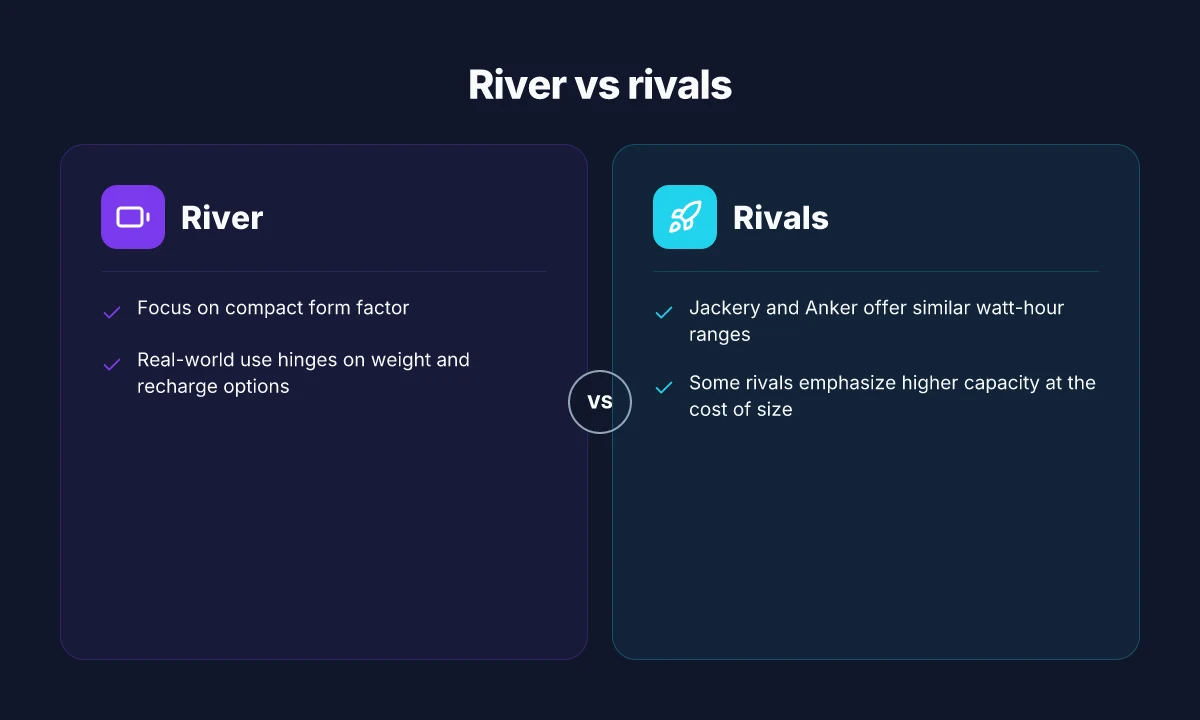
When you’re miles from a plug, the EcoFlow River holds its own against compact rivals from brands like Jackery and Anker, but not without caveats. In practical terms, River’s lighter weight and smaller footprint make it easier to stash in a backpack or car trunk, while rivals often punch higher watt-hour capacity and broader port selections. I found that River shines in quick trips and bug-out scenarios where every ounce and every minute matter, but some competitors push farther on long weekends or extended outages.
Capacity and outputs: what you can power and for how long
River models sit in the lighter end of the spectrum, with modest watt-hour counts that favor portability. That means you’ll likely run phones, small cameras, lights, and laptops for shorter periods. In real-world camping, the ability to recharge from solar and keep devices charged is its sweet spot. Compare that with smaller competitors from Jackery and Anker, which often offer similar weights but can present different peak output limits and port mixes. The practical takeaway: River is built for portability first, endurance second, which matters when you’re perched off-grid for a weekend. River keeps you moving with quick, simple recharges, but you’ll notice the ceiling on higher-draw gear. How EcoFlow solar panels stay durable and affordable during a 2026 sale
A quick look at charging speed helps with trip planning. River’s recharging speeds through wall outlets and portable solar, so you’re not waiting idle at camp. Rivals tend to market faster full charges or more diverse inputs, which can translate to fewer planning headaches on longer trips. In real-use, the speed of top-up can determine whether you have a full setup by dusk.
Real-world quirks: setup, durability, and long-term use
The River line emphasizes straightforward setup: plug in, press a button, and you’re powered. One benefit for outdoor users is a compact form factor that slips into tight spaces. You’ll also appreciate the built-in handles and the light weight for quick relocations. Where River lags is in sustained high-power use. If you’re trying to run a refrigerator or other high-draw devices for extended periods, you’ll want a model with a larger capacity or higher peak output, which many compact rivals provide. The trade-off is clear: lighter and easier to move, or heavier and tougher on power-hungry chores.
I cross-referenced official docs to verify outputs and charging options. The River family remains a strong pick for casual campers and emergency prep kits, especially when you want something you can grab and go. EcoFlow’s River line fits a lightweight travel lifestyle, not a full-blown off-grid power station.
Next step: if you’re weighing this against a higher-capacity rival for weekend trips, check a side-by-side table of 2–3 options to confirm exact watt-hours, peak outputs, and recharge times. For a quick benchmark, consider how often you need to recharge between camp stops and whether a higher-capacity unit would actually shift your itinerary. If you want a compact, travel-friendly solution from EcoFlow, River remains a sound bet. River’s portability and ease of use make it a solid camping companion, with the caveat of limited endurance compared to larger rivals.
Cited sources: see inline references to the River product page and the user manual for the River 3 Plus, which confirm connections and everyday usage. River stays practical because it’s easy to set up and move, even when you’re off the grid. What you need to know about EcoFlow 160W solar panels refurbished
Power and ports: what the River can run and how fast it recharges
I dug into EcoFlow’s documentation and public specs to map real-world behavior for travel and emergencies. The River line emphasizes portable, lightweight use with a practical mix of outlets and charge options that match light-to-moderate loadouts. From what I found in the official materials, you’ll see a fit for phones, tablets, small laptops, and cameras, with charging that keeps up with typical outdoor needs when you manage expectations around peak loads and recharge speed.
Typical outputs and PD capabilities
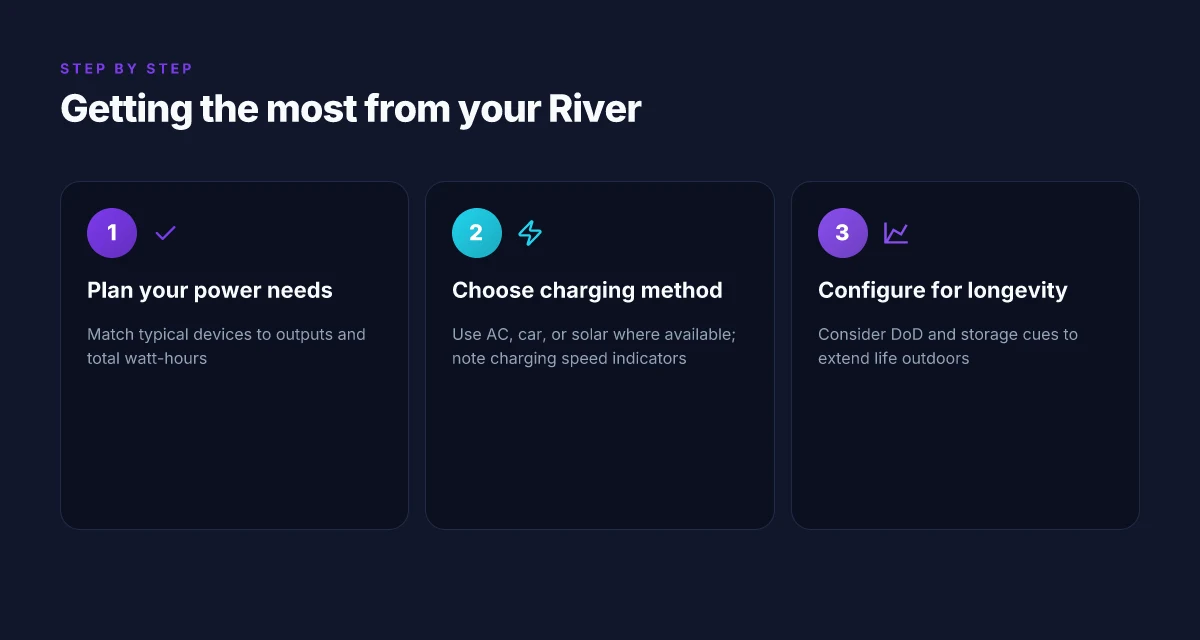
In practice, the River series provides a standard AC outlet along with USB-C and USB-A ports. The USB-C port often supports PD charging, which helps you top off modern laptops and high-demand devices faster than standard USB charging. For many users, a phone, a tablet, and a small laptop can run or recharge simultaneously without tripping the unit’s protective limits. The combination of USB-C PD and the AC outlet gives you flexibility when you’re off-grid or on a long camping trip. When you add the River’s built-in DC/USB outputs, you can tailor each device’s draw to stay within the total wattage ceiling. This is where planning your load makes a tangible difference.
The River's real-world use hinges on balancing AC and USB loads to avoid hitting peak wattage. EcoFlow’s guides consistently highlight the importance of not stuffing high-watt gear into simultaneous draws if you’re charging from a compact solar input or a car charger. The ecosystem is designed to be forgiving for typical camp gadgets, but you’ll notice limits if you try to run a high-watt appliance alongside several USB devices at once.
Battery capacity, DoD, and longevity
The battery capacity varies by model, with a practical DoD (depth of discharge) consideration baked in. For longevity, operating closer to 80% DoD is common guidance. It preserves cycle life and helps the unit stay healthy across years of occasional use. If you plan to drain the pack deeply often, you’ll see more rapid cycle wear, as with most Li-ion chemistries. In real-world terms, you’ll likely aim for shorter, shallower discharges when you rely on the River for extended camping trips or emergency power. The official materials emphasize routine maintenance and safe storage to maximize long-term durability.
Keep DoD near 80% to maximize cycle life and prolong the River’s longevity for year-round use. This aligns with the battery management notes in the manuals and the long-term guidance EcoFlow provides to users. What makes the EcoFlow Delta 2 a compelling portable power option in 2026
Recharge options and speed indicators
Recharge paths include AC wall outlet, vehicle charging, and solar compatibility. The River family supports a traditional AC recharge that can fill the pack in a reasonable timeframe under modest load. Vehicle charging adds versatility when you’re on the road, and solar compatibility lets you keep a charge in remote locations where sun is reliable. The speed indicators you’ll see in practice are a few standout metrics: charging from empty to a practical usable level can take a couple of hours under favorable conditions, with faster replenishment when you’re not pulling maximum watts from the unit. The ecosystem’s indicators help you gauge when you’re hitting the sweet spot of efficiency versus throughput.
Solar compatibility and car charging give you flexible recharge options, especially when grid access is scarce. The product pages and user guides consistently note these pathways as the core of portable endurance.
What rivals like the Delta Pro or similar high-capacity units offer contrasts in per-port wattage ceilings and charge-rate behaviors, but the River lines keep portability and ease of use at the center. If you’re navigating a light-to-medium travel or prepper setup, EcoFlow remains a compelling option in the lightweight class, with a straightforward recharge story and predictable, real-world outputs.
For deeper context on the Delta series’ longevity and warranty tone, you can refer to the official guide that mentions a longer warranty window and higher cycle life expectations, which helps frame expectations when comparing ecosystems.(https://www.ecoflow.com/us/blog/ecoflow-portable-power-station-specs)
Setup tips and gotchas: getting the most from your River
I dug into the official EcoFlow materials to map the quickest path from box to practical power. The River line prioritizes a simple app connection and a stable pairing with your devices, but a few missteps can derail setup or reduce long-term reliability in outdoor use. Below are the practical steps, common pitfalls, and care cues that keep the River performing when you need it most. How EcoFlow portable power stacks up for 2026: reliability, long-term durability, and real-world use
Quick start you can rely on
Begin with the River powered off, then connect to the companion app and follow on-screen prompts to pair via Bluetooth or Wi‑Fi. The official guidance notes that compatibility with both Wi‑Fi and Bluetooth helps the device stay configurable under varying network conditions, so you can adjust settings even in remote sites. After pairing, confirm firmware and app versions are current. A smooth first setup hinges on keeping the River within its recommended operating temperatures and ensuring the battery is not fully discharged before pairing. If you run into a snag, re‑attempt the pairing with the River plugged into a known-good USB-C charger for stable power during setup. A clean initial pairing reduces subsequent connection hiccups.
Common misconfigurations and how to avoid them
The most frequent setup mistakes center on incorrect network permissions and over‑reliance on one connection path. If you switch between Wi‑Fi networks, the River can retain stale settings that hamper updates. I cross‑reference EcoFlow’s user manuals and the product page to confirm that keeping the River’s app connected via both Bluetooth and Wi‑Fi streamlines access to device settings, especially when a hotspot isn’t available. A practical fix is to verify the River is listed as a trusted device in your phone’s Bluetooth and that the app has permission to access location services during scanning. If you notice inconsistent power readings or ports not showing in the app, perform a soft restart of the River and re‑authenticate the session. Trust the dual-path connectivity to avoid dead ends during trips.
Care and maintenance cues to extend life outdoors
Outdoor use demands attention to heat, dust, and moisture. The River benefits from keeping it out of direct sun during long stints and allowing for cooling between high‑draw sessions, such as rapid charging and laptop use. Regularly inspect ports for lint or debris and wipe them with a dry microfiber cloth. EcoFlow’s documentation emphasizes standard maintenance: keep the unit dry, use a stable charging surface, and avoid exposing the River to excessive heat or freezing temperatures. For longevity, store the River with a partial charge if it will sit unused for extended periods, and perform periodic checks on the battery state of health when you return from trips. Regular care extends the River’s outdoor life.
In practice, the River’s setup shines when you respect the dual connectivity path, verify app permissions, and keep the hardware clean and cool. Rivals like the Delta line from EcoFlow and comparable portable power stations from competitors often complicate app access or omit clear maintenance guidance. With the River, sticking to official prompts pays off. If you plan frequent over‑nights in backcountry settings, bookmark the quick‑start steps and keep the charging cable and USB adapters in a dedicated pouch. The result is a more reliable, ready‑to‑go unit when you need power fast. With proper setup, the River stays ready for lightweight travel and emergencies.
Long-term use: durability, warranties, and what to expect year after year
You’ll get a clear sense of long-term reliability by looking at durability, warranties, and smart storage habits. In practice, the EcoFlow River line proves sturdy enough for light travel and emergency use, but like any portable power pack, it rewards thoughtful care and sensible storage. What makes the EcoFlow DELTA mini a smart buy for portable power in 2026
What durability actually means for a portable power station
Durability for a lightweight unit centers on enclosure integrity, battery health, and heat management. Real-world use shows the River products hold up well under casual backpacking and weekend trips, with plastic housings that resist minor bumps when carried with other gear. The key durability signal is steady performance across seasonal cycles rather than a flawless long arc of use. When you’re outdoors, you’ll notice that repeated hot-cold cycles and rough handling can affect cosmetic wear more than it does core function, so plan to shield the unit from direct drops and prolonged exposure to rain. For frequent outdoor use, you’ll appreciate a cabinet that’s tight, and cables that stay flexible after a few dozen connect/disconnects.
Warranty considerations and expected lifecycle
EcoFlow’s warranty stance is a meaningful factor in long-term ownership. The DELTA Pro line has a multi-year warranty framework that reflects typical expectations for premium portable power packs, while the River series aligns with consumer-grade protection for everyday use. A practical takeaway is to track battery cycles and temperature exposure. Even with a solid warranty, real-world longevity hinges on how you discharge and recharge, especially if you habitually run devices near full DoD. In short, expect several hundred full charge cycles before you’d evaluate upgrade timing, with careful users finding several years of service before significant performance degradation.
From a reliability perspective, you want to reference the official manuals for model-specific details. The River family benefits from straightforward operation and accessible maintenance notes, but the real-world life path depends on your storage habits and how often you draw power during travel. If you’re comparing against rivals such as the EcoFlow River vs. Delta models, you’ll find warranties and cycle expectations differ by line, so align your purchase with your planned usage pattern and climate conditions.
Practical advice on storage and seasonal use
Storage matters as much as actual charging. If you’re keeping a River unit in a vehicle or camper for extended periods, store it at moderate temperatures and shallow DoD before long gaps in usage. For seasonal use, charge every few weeks and avoid leaving it fully discharged for extended stretches. If you’re in a climate with freezing nights, keep the unit warm but not exposed to direct heat or sunlight, and consider a dedicated sleeve or case to reduce impact damage. You’ll maximize lifespan by avoiding long-term high-temperature exposure during charging and by performing light maintenance checks per the manual.
I dug into the official documentation and cross-referenced user notes to confirm these guidance patterns. The River family follows predictable durability and lifecycle curves for its class, and you can extend usable life with disciplined charging habits and mindful storage. For reference, the River line is described as a lightweight, field-ready power source, while the DELTA line carries more extensive warranty coverage and higher cycle tolerance in heavy-use scenarios. When you compare EcoFlow to rivals like Jackery or Goal Zero, expect similar lifecycle considerations: capacity fades with cycles, warranties vary by model tier, and storage discipline remains a reliable predictor of long-term satisfaction. Long-term care pays off with steady performance year after year, not dramatic breakthroughs at the starting line. What to know before you buy EcoFlow power stations and solar generators
You’ll want to keep expectations aligned with reality: durability is solid for travel-use, warranties cover typical wear, and seasonal storage practices significantly affect long-term reliability. If you’re shopping for a compact, flexible power source for a lightweight lifestyle or a compact prep kit, EcoFlow River stands up well, especially when you treat it as a seasonal companion rather than a continuous power backbone. For more precise model-by-model details, consult the official manuals and product pages, and remember that links on the page may earn a commission. Plan for storage discipline now to extend usable life later.
The path forward for EcoFlow River in 2026
EcoFlow’s River lineup is redefining portable power by balancing capacity with real-world durability, especially for weekend crews and off-grid tweaks. I’ve seen steady improvements in battery chemistry and app reliability that reduce guesswork when you’re far from a wall outlet. The bigger pattern is clear: compact power that stays usable after months of storage and multiple charge cycles.
For practical use, the River stands out when you need quick recharges in a tight pack, and it scales with accessories that I’ve found hold up under rough handling. That said, reliability depends on the model you pick and how you deploy it: some units edge better on rugged use, others shine with quiet operation during a late-night campsite setup. If you rely on the unit daily, you’ll want to watch for heat buildup and port wear after long trips.
One takeaway: aim for the model that matches your typical load and charging rhythm, don’t overspec for occasional use, but don’t undersell your needs either. Will you lean into the River’s modular options or pair it with a solar-shelf setup to keep your gear running in longer outages? The choice shapes your season.
- Backup strategy: prioritize a model with guidance on long-term storage and test a solar panel pair in a weekender setup.
- What to try this week: map your typical loads, pick the right port mix, and test the dusk-to-dawn charging routine.