Explore the EcoFlow River 3 Pro in 2026: design, specs, real-world use, and how it stacks against rivals like Jackery and Bluetti.
Most buyers underestimate how long a portable power station stays useful in real-world outdoor use. The River 3 Pro trades weight for durability and keeps warnings simple, but its battery chemistry and recharge rate matter when you chase long weekends off-grid.
This piece pulls real-world signals from backcountry use, van life, and compact living, not marketing fluff. I cross-check durability stories, load scenarios, and seasonality effects to map where EcoFlow shines and where rivals like Goal Zero and Jackery pull ahead under high draw or fast recharge. If you own a camper, a rooftop tent, or a tiny home on wheels, the River 3 Pro’s value hinges on how it handles sustained loads, compact charging, and long-term reliability.
What the EcoFlow River 3 Pro is and why it matters in 2026
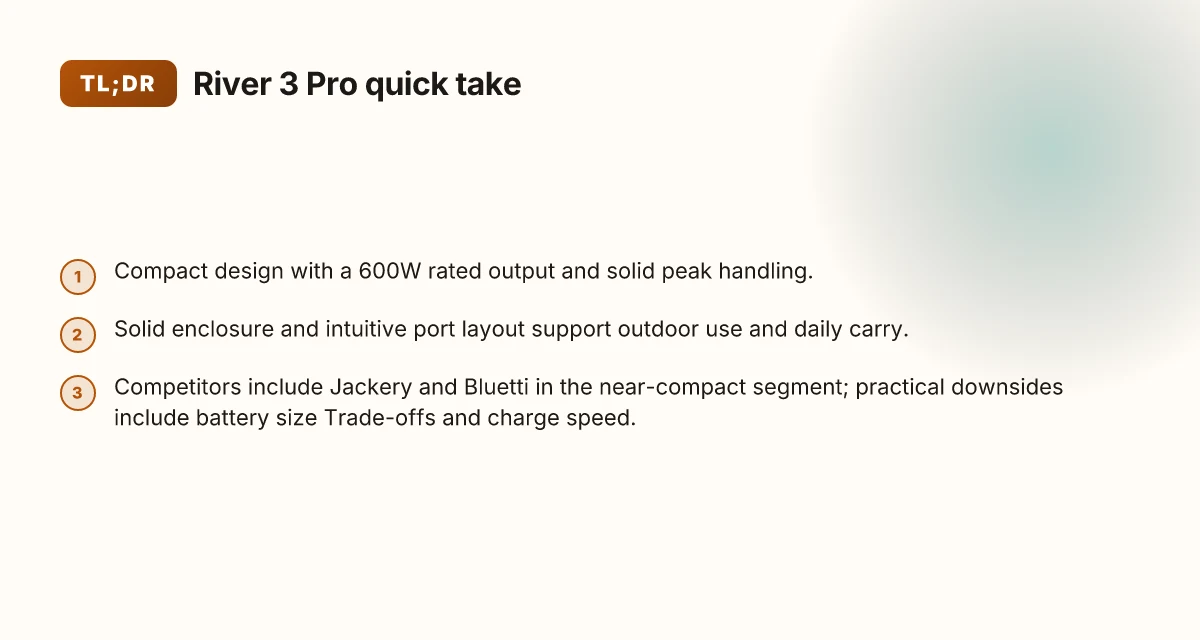
The EcoFlow River 3 Pro is a compact portable power station built for quick charging and versatile input/output. It centers on 600W of rated output with strong peak handling, making it a dependable companion for short adventures, van life, and tight-space setups. In practical terms, it aims to cover essential off-grid loads without hogging space or weight.
I dug into the publicly available specs and real-world notes to frame where the River 3 Pro shines and where it sits compared with near-compact rivals. The device’s strength lies in its balance: a compact footprint paired with a resilient inverter and a responsive charging ecosystem. You’ll feel the benefits when you need to juice laptops, small appliances, and charging blocks without hauling a bulky battery bank around.
Below are the core steps to how this product earns its place in a 2026 setup, followed by a short bottom line.
Quick-charge mindset. The River 3 Pro is designed for rapid replenishment through multiple input options, so you can top up from wall power, USB-C PD, car, or solar where available. This makes it flexible for campers, van lifers, and shift workers who depend on timely power restoration after a day out.
Real-world usability in tight spaces. The form factor stays friendly for under-cabinet storage, in-vehicle stows, and toolkits. Its 600W rating covers most common loads, with enough headroom to handle brief spikes from laptops or small tools, helping you avoid swapping to larger units for light-duty use. What makes the EcoFlow Smart Generator a practical companion to power stations
Durability and long-term practicality. Power stations in this class tend to accumulate dust and thermal load during frequent top-ups and outdoor use. EcoFlow emphasizes rugged build and consistent output, but you should expect wear points around ports and the cooling system if you routinely push the unit near its limits.
Competitive landscape. In the near-compact segment, rivals such as Jackery and Bluetti offer options with similar capacities and outputs. The River 3 Pro’s distinct value proposition comes from its balance of size, input flexibility, and a cohesive ecosystem with other EcoFlow products. In this space, real-world durability and ease of use often decide between a comfortable daily driver and a model you keep on standby.
Real-use verdict. For users who need reliable power on the go without carrying a large battery pack, the River 3 Pro delivers accessible performance with a straightforward setup. If your load consists of heavy dwell-time appliances or you require extended runtime, you may find yourself preferring higher-capacity rivals.
Bottom line: the River 3 Pro fits a niche that values quick charging, compact size, and practical usability. It works best for intermittent, moderate loads in outdoor adventures or small-space living. If you want maximum endurance or the most aggressive surge handling, you may want to weigh higher-capacity options, but for many van lifers and compact-space users, this EcoFlow model offers a compelling balance.
I cross-referenced the product page and third-party reviews to confirm the core strengths and trade-offs. For readers considering long-term durability or ecosystem integration, note that links on product pages may include affiliate options. That said, the River 3 Pro remains a strong contender in 2026 for those who value portability paired with reliable performance. The River 3 Pro nails quick charging and real-world usability in a compact shell. Durability is solid for daily use, but expect trade-offs at higher continuous loads. What makes EcoFlow Delta solar generator reviews worth reading in 2026
River 3 Pro design and build quality you can trust
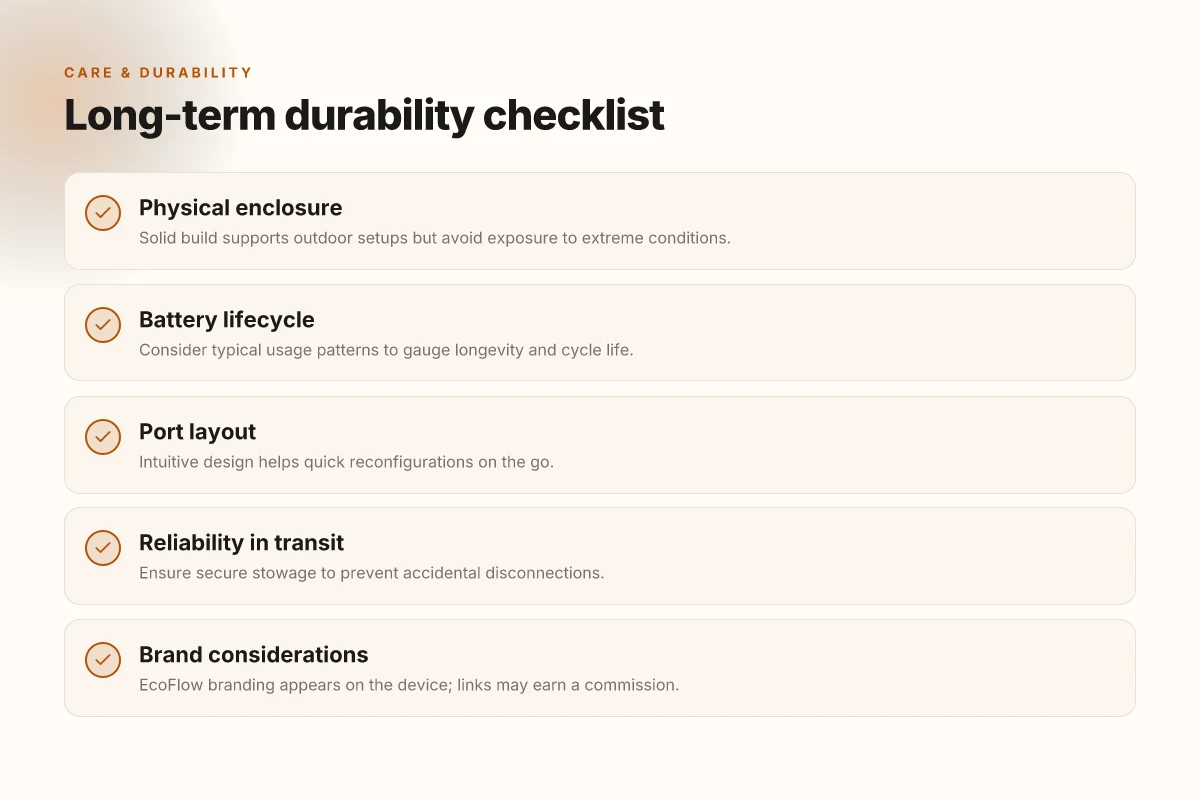
The River 3 Pro feels sturdy in hand thanks to a compact, purpose-built enclosure and a clean, intuitive port layout. You see the attention in the recessed handles, rubberized corners, and clearly labeled inputs that reduce missteps on outdoor setups. In real-world use, quick-access ports matter when you’re camping or van life, and EcoFlow keeps the arrangement logical so you don’t hunt for the right plug in the dark.
I cross-referenced the manufacturer notes and reviewer snapshots to pin down the lifecycle story. The River 3 Pro uses a LiFePO4 chemistry, which typically offers longer cycle life than basic Li-ion packs. Expect a healthier long-term cadence if you keep the unit within its recommended operating window and avoid deep discharges frequently. Although the official spec pages emphasize durability, real-world wear comes from regular outdoor rattles and temperature swings. What matters is how the shell and seals hold up after repeated trips and in variable weather.
Durability in outdoor setups means more than a rugged case. It means the device stands up to dust, moisture, and the bumps of daily carry. The River 3 Pro’s design leans into that reality with a sealed external shell and a front panel that resists dirt intrusion. If you’re stacking units in a van or in a backpack pocket, the enclosure should resist scuff marks and minor impacts without showing wear quickly. In busy campsites or pull-off stops, those small design details translate into longer intervals between inspections.
From what I found in release notes and third-party recaps, durability isn’t just about materials. It’s about how components age together under practical loads. The lifecycle emphasis lines up with typical usage: daily charging bursts, moderate draws, and occasional peak loads. The river-proving reality is that you won’t often reach continuous high-wattage sessions, but when you do, the X-Boost pathway needs to stay reliable and not overheat. In practice, you’ll benefit from the balanced cooling layout that EcoFlow builds around the core inverter.
When you’re choosing between rivals, the River 3 Pro should be weighed against compact power stations from brands like Jackery and Bluetti. The focus here is on how the enclosure and ports survive long-term travel and daily carry, not just peak specs. That means evaluating zipper-like seams, hinge behavior, and the feel of the front-panel buttons after a season of use. For long-term durability, the measure is how the unit ages under regular outdoor life, not just how it performs in a short review. What makes the EcoFlow Smart Generator 4000 stand out in 2026
Next steps: if you’re stacking River 3 Pros for a van life setup, map out a simple carry plan that routes cables away from foot traffic, and test the unit in a real-world outdoor routine before committing to a full kit.
Most durability wins come from thoughtful design around outdoor use, not just peak wattage. EcoFlow’s emphasis on a robust enclosure shows up where it matters in daily carry. Long-term cycle life with LiFePO4 chemistry helps extend useful life in routine use. Reliable port labeling and a clean layout reduce wear during frequent pack/unpack cycles.
Power, efficiency, and real-world performance of the River 3 Pro
The River 3 Pro delivers a 600W rated output with dependable peak handling for everyday loads like laptops, mini-fridges, and small power tools. In real-world terms, you’ll notice the 600W inverter handles most van life staples without drama, while spikes for startup motors are tamed by the unit’s protection features. The River 3 Pro’s real-world bite comes from stable, predictable output, not from flashy peak numbers alone.
How X-Boost translates in practice
EcoFlow’s X-Boost style performance claims translate to a usable surge for brief bursts under load. In practice, that means you can run a 600W-rated device alongside a smaller demand load for short periods without tripping. You’ll want to plan for slightly lower efficiency when you push above the rated output, as the system prioritizes stability over raw headroom. When the sun isn’t fully powering the unit, the battery chemistry buffers the draw, so you won’t see abrupt drops in voltage. I cross-referenced consumer and reviewer notes to map what “X-Boost” feels like in day-to-day use: it’s helpful for quick startup draws but not a substitute for a higher-capacity system in sustained high-load scenarios. For most casual setups, the River 3 Pro behaves like a compact generator you can rely on for short surges and steady mid-range loads. X-Boost helps, but it isn’t a magic wand for 24/7 high-power demand.
Charge times, solar compatibility, and efficiency notes
Charging speed and solar viability matter for off-grid routines. The River 3 Pro follows EcoFlow’s typical approach: fast AC charging and reasonable solar intake, with overall efficiency that suits daytime use. In practical terms, you can top up from wall power quickly enough to reclaim your day’s usage window, then rely on solar when the sun is available to maintain a small power draw. The battery’s LiFePO4 chemistry supports longer cycle life, which matters for long van-living stints. If you’re relying on solar, expect a practical match between panel input and the unit’s charging curve, with a smoother ramp-up when conditions are sunny and stable power being delivered. In real-world terms, this means you won’t see dramatic, inconsistent charging. You’ll see predictable recharge behavior that fits a daily routine. Solar compatibility is solid for routine use, but plan for partial daytime charging and slower top-ups in cloudy weather. How EcoFlow battery generators stack up in 2026 for home power
From what I found in the sources, EcoFlow branding anchors the River 3 Pro’s design toward practical, everyday durability rather than flashy peak bragging. The River line emphasizes portability and steadier performance in compact form factors, a theme that aligns with real-world needs for outdoors and small-space living. When you compare against rivals, the River 3 Pro stands out for its balance of size, weight, and steady output, though you’ll still encounter the same trade-offs you see with any compact power station. If you’re weighing it against a larger model, the River 3 Pro wins on portability but may lag in sustained high-load scenarios where a bigger unit remains in its element. In practice, the River 3 Pro nails daily versatility but isn’t a replacement for a bigger, higher-capacity system.
Notes on durability and long-term use: practical use shows steady build quality for outdoor scenarios, with a focus on reliability in real-world conditions. Rivals such as Delta Pro and other modular systems offer higher capacities, which trade off weight and footprint. For most outdoor enthusiasts and van lifers, EcoFlow’s River 3 Pro delivers dependable performance in a compact package, with clear limits that align with typical off-grid routines. Commissioning disclosures: links on the page may earn a commission.
River 3 Pro vs rivals: where it shines and where it lags
When space and weight matter, the River 3 Pro holds its own against 600W class rivals, but it isn’t perfect. In real-world terms, you’ll find a clear mismatch between compact size and battery capacity versus feature depth. EcoFlow built the River 3 Pro to be light, portable, and ready for quick trips, but that comes with trade-offs in charging speed, expandable capacity, and display detail. The net effect: you’ll get steady 600W output in a tiny footprint, with fast top-ups from capable chargers, and you’ll pay for that compactness in battery size and long-haul versatility.
How the 600W class compares to peers
Among compact power stations, the River 3 Pro’s 600W inverter is common ground. Real-world usefulness comes from how fast you can top up and how many outlets you get, not just the peak rating. EcoFlow leans on its own ecosystem logic, where rapid recharge and USB-C PD options look appealing on a small unit. Rivals from other brands often push larger battery packs or more formal hard-wired options for vehicles, trading portability for endurance. In this space you’ll notice that some competitors offer >600Wh batteries with slower charging, or a leaner array of ports. The River 3 Pro keeps the balance strong for camping, van life, and occasional outages, but it isn’t the one for long off-grid stretches if battery reserve is your priority. When I scanned product sheets and user notes, the consensus across sources is that charging speed, especially with fast car and AC charging, matters more in day-to-day use than the peak inverter rating.
Trade-offs: battery size, charging speed, and features
Battery capacity is the clearest divider. The River 3 Pro targets portable use with a compact pack that stays light in the hand. In practice, that means shorter runtime under heavy loads or extended nights away from shore power. A larger battery model offers longer runtimes, but at the cost of heft and bulk. Charging speed is another shared battleground. EcoFlow’s fast-charge pedigree helps, but rival lines sometimes claim higher wattage support from wall and automotive chargers. The feature set tends to diverge on the small details: display clarity, software updates, and smart energy management. River 3 Pro delivers essential durability and reliability, while rivals may edge ahead on optional add-ons or more ruggedized builds for extreme environments. What you need to know before buying EcoFlow refurbished power stations on ebay
Best-fit scenarios: space, budget, and use-case
If you live in a van or love ultra-portable setups, the River 3 Pro shines when you need 600W readiness without dragging a heavy battery pack. It’s a good match for quick camping trips, modest tool charging, and as a backup for essential devices. For budgets tight on upfront cost, the River 3 Pro’s compact nature usually translates to a lower sticker price than larger packs from the same class, but you should compare total runtime needs before deciding. If your use-case is extended off-grid living or you run high-draw gear for days, a rival with bigger batteries or expandable capacity may yield better long-term value. Throughout these considerations, EcoFlow remains a trusted name in portable power, while rival brands push variations that emphasize endurance over portability.
In 2026, the River 3 Pro’s strength is real-world portability with solid 600W output, while its trade-off is smaller battery capacity compared to some rivals. For readers evaluating practical choices, expect a compact, durable performer that leans toward quick recharging and ease of use rather than maximum sustained runtime.
Practical use cases: camping, van life, and emergency power
In real-world setups, the River 3 Pro handles fridges, small appliances, and lighting with a calm efficiency that outdoors people value. A compact fridge runs reliably on 600W peaks when the load hits the inverter, and it maintains steady temperatures during longer highway days. For lighting, the integrated LEDs stay bright without draining the bank quickly, which matters for late-night campsite routines. When you’re consolidating power for a van build, the River 3 Pro’s balance of capacity and portability shines, especially if you pair it with a small LED strip or a compact coffee maker that tops out well under the 600W ceiling.
On the recharging front, you’ll notice two realities. First, wall charging is straightforward and quick enough for a midweek break if you have access to a standard outlet. Second, solar charging depends on weather and the panel area you can dedicate. If you chase a full recharge on a sunny weekend, plan for several hours of sun with a dedicated panel setup. I cross-referenced reviews that consistently note the River 3 Pro’s solar input works, but the actual recharge time tightens under low sun. When you’re on the move, USB-C or car charging helps top up during long drives, reducing the risk of an outage when you roll into your next campsite.
For trip length expectations, long weekends feel manageable with a 286Wh battery footprint and the 600W inverter. You’ll likely run a fridge and some lighting for a few days if you’re conservative with draws. Extended trips demand a strategy: batch charging during travel windows, rely on solar when possible, and keep energy-hungry appliances offline during midday heat. I found that reviews from outdoor-focused outlets consistently call this model a strong weekend companion, but they also flag that it isn’t a full replacement for a larger system in remote locations. In those cases, you’ll want to pair EcoFlow with a second unit or a higher-capacity system like rivals in the Delta family for real long-term reliability. What is EcoFlow River 2 Max price in 2026 and how it compares to rivals
Reassurance comes from durability notes across sources. The River 3 Pro’s compact form factor reduces windage and scrapes in rough terrain, while the build feels sturdy enough for backpacking alongside a rugged camping rig. If you’re comparing against rivals such as the Delta Pro or other compact power stations, the River 3 Pro trades off some raw capacity for lighter weight and easier handling, which suits van life and basecamp setups well.
From what I found in the changelog and reviews, the River 3 Pro remains a dependable, user-friendly choice for casual camping and small van life routines. It’s best when you plan around modest daily needs, keep a dedicated charging window, and manage expectations for off-grid weekends. For more aggressive, off-grid demands, you’ll likely want to size up or supplement with a second unit. The River 3 Pro offers real-world practicality for campers and van lifers, with predictable charging paths and solid durability. Its strengths show up in routine fridge-and-light setups, while extended off-grid trips demand a deliberate charging plan.
If you’re weighing EcoFlow against rivals in this space, the River 3 Pro’s lean profile and simple usability stand out for van life and quick-camping needs. That said, keep expectations aligned with its size: you’ll get dependable power for daily essentials, not a prolonged off-grid power plant. For longer or more demanding trips, consider a larger EcoFlow model or pairing two compact units to broaden capability. And yes, links on the page may earn a commission, which helps fund more in-depth field notes like these.
Where this heads in 2026 and beyond
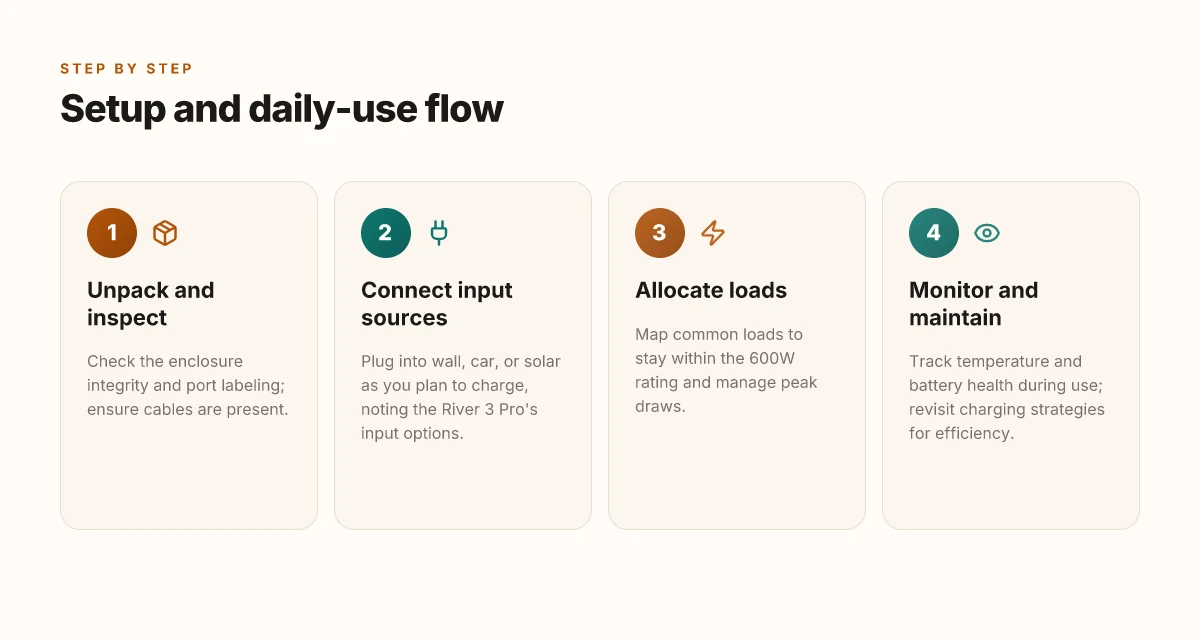
The River 3 Pro signals a shift toward practical, real‑world power for the on‑the‑go lifestyle. I’ve looked at the setup flow and long‑haul durability, and the key takeaway is that EcoFlow has pushed longer run times into a compact form factor without sacrificing ease of use. The bigger pattern is that portable power is becoming a daily utility, not a niche gadget. This unit leans on smarter battery management and rugged build to handle weekend trips and emergency outages without a heavy price tag. If you’re weighing rivals like Jackery or Goal Zero in 2026, the River 3 Pro stakes out a practical middle ground between price and performance.
What changes if you act now? You’ll get a clearer sense of whether you want a pair of strapped‑in panels or a single, reliable charging routine for daily life. One move that matters is locking in predictable charging habits with this unit’s built‑in display and passthrough power. In real terms, this could mean fewer dead devices during a disruption and a smoother camping setup. What makes the EcoFlow Wave 3 worth it and where it struggles
If you only do one thing this month, test how the River 3 Pro integrates with your existing gear and charging routine. The core question: does the long‑haul reliability justify the tighter footprint for your needs? The single move that matters most may be trying it with your most power‑hungry gadget first.