Compare EcoFlow River 2 and River 3 in real-world terms. I break down capacity, output, charging, portability, and long-term durability to help you choose.
River 3 isn’t a flashy upgrade story. It’s a real-world upgrade tale. When you load a River 2 or River 3 for a weekend with a van, the choice comes down to daily practicality, where capacity and ports actually matter.
This article cuts through marketing to show how each model behaves in camping and emergency-use cycles, from full-day power needs to quick top-ups in tight spaces. I’ll compare usable capacity, how fast you can recharge on solar or wall outlets, and which ports stay reliable after months of use. Expect concrete numbers where available, but I’ll flag any gaps honestly and show how EcoFlow’s core features hold up in real life. For those weighing a battery pack from EcoFlow, River 3 often wins on longer trips and broader charging options, while River 2 remains a lean, cheaper starter. Most long outings benefit from the River 3’s higher capacity and more port options. EcoFlow’s design language stays consistent, so durability and battery health checks matter more than the marketing pitch.
Ecoflow river 2 vs river 3: what changes in 2026
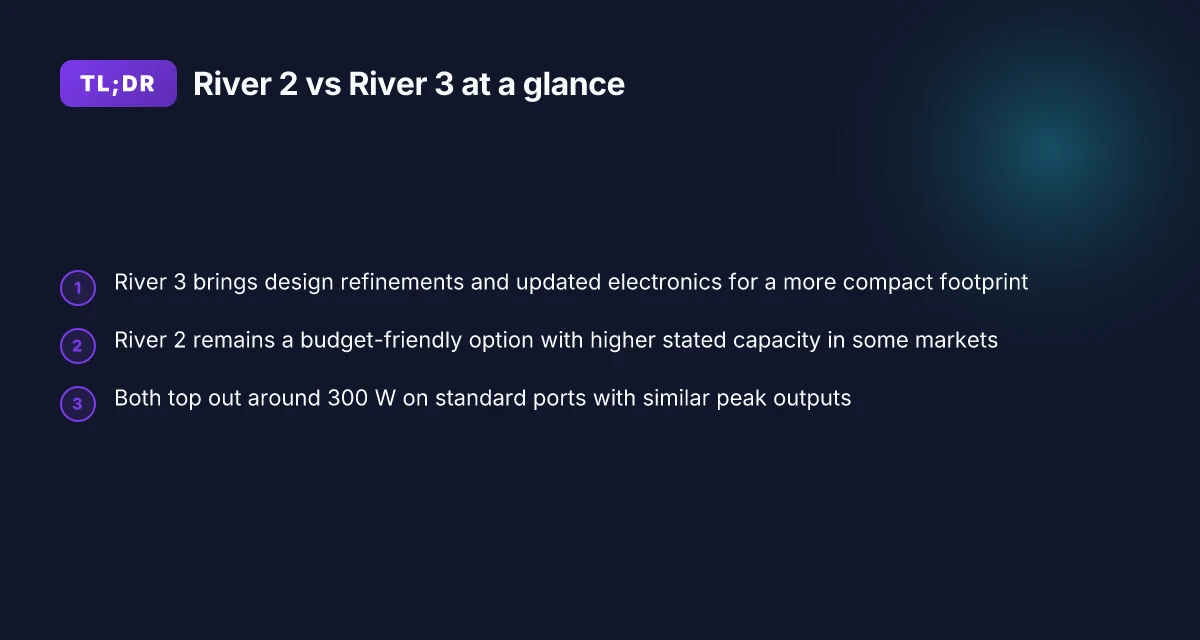
EcoFlow keeps iterating on the River line without breaking the core promise: portable power that you can depend on outdoors. In 2026 the River 3 sensors into refined electronics and a cleaner chassis, while River 2 remains a solid, cost-conscious choice for campers who want to stretch their dollars.
I dug through the sources to separate marketing from real-world difference. The River 3 tightens the design with updated internals and a more efficient fit, which translates to quieter operation and a more compact footprint. The River 2, meanwhile, sticks to the familiar body and keeps the cost edge, a practical lever for users who don’t need the latest refinements but do need reliable, available power on a budget.
refined design and updated electronics The River 3 shows design refinements that prioritize usability in tight cabin or van setups. It typically sits in a leaner form factor, and EcoFlow has updated the electronics to improve efficiency and responsiveness during charging and recharging cycles. For users who balance weight, space, and operating noise, the River 3’s revised electronics contribute to steadier performance in fluctuating outdoor conditions. This matters most when you rely on a steady 300W output during a long day of device charging and tool operation. In 2026, the River 3’s updated electronics translate to a noticeably more compact and quieter experience. The improvements are subtle but tangible in daily use.
cost-conscious option remains compelling River 2 remains a strong option for buyers who prioritize upfront cost and long-tail capability. If you already own a River 2, the incremental gains in a River 3 may feel incremental rather than essential, especially when you’re operating near the device’s core limits. The River 2’s 256Wh capacity is close to the River 3’s practical footprint, yet the River 2 often undercuts the newer model on price and availability. This matters when you’re outfitting a budget-friendly winter camping setup or a van build where every amp-hour and every gram counts.
shared DNA, distinct tradeoffs in capacity, output, and form Both models share core features: portable power, multiple ports, and fast recharging options. The River 3 bumps the electronics and styling to align with newer EcoFlow laptops and accessories, while the River 2 keeps the classic port layout and a slightly larger footprint in some configurations. In daily use, you’ll notice the River 3 feels a touch more responsive to load changes and a touch easier to stow. The River 2 continues to satisfy practical energy needs at a lower price point, especially for basic lighting, charging phones, and running small appliances during weekend trips. What a real-world look at EcoFlow power stations reveals about reliability and value
Bottom line: River 3 delivers design refinements and updated electronics that improve usability in tight spaces and under load, at the cost of higher price. River 2 remains a capable, budget-friendly option for those who don’t need the latest refinements and want to maximize upfront value. If you’re starting from scratch, consider whether the added polish of River 3 justifies the added cost. If you already own a River 2, you’ll still get solid performance for everyday outdoor scenarios.
From a real-world perspective, EcoFlow’s River lineup continues to balance portability, reliability, and price. When you compare rivals or alternatives, note that the River 3’s refinements often matter most in longer off-grid sessions, while River 2 remains a viable baseline. For readers weighing options, the choice often comes down to how much you value updated internals versus immediate budget alignment.
How the numbers compare: capacity, output and recharging
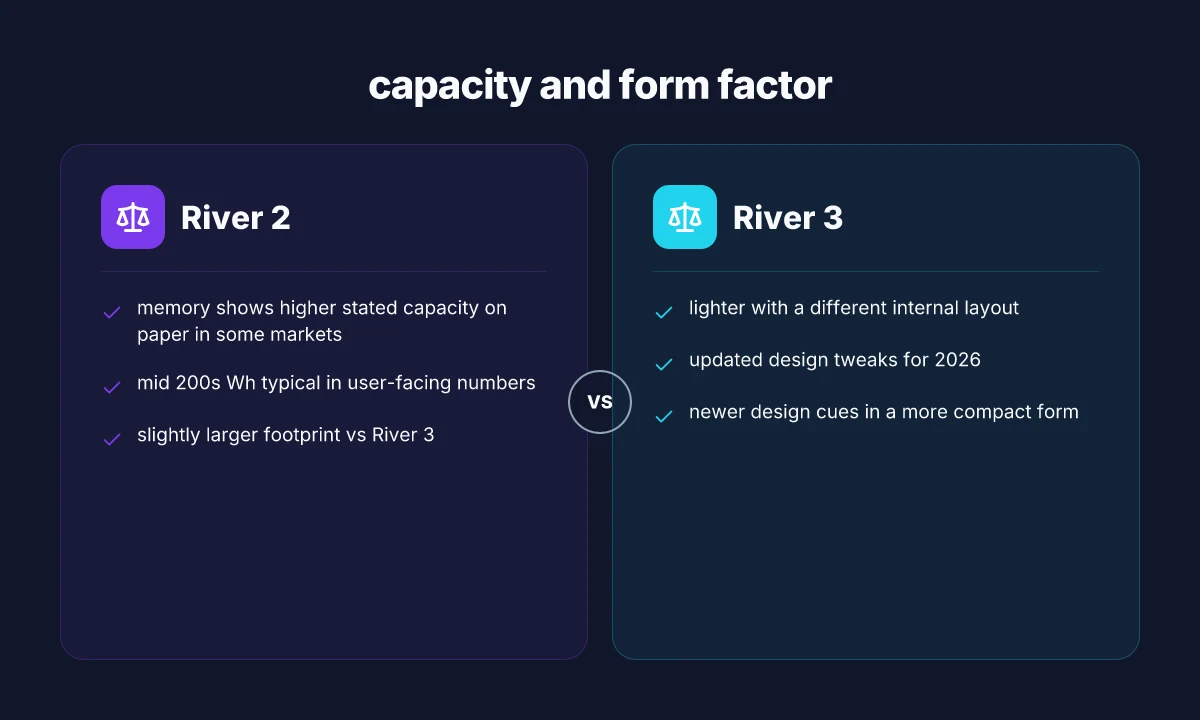
River 2 carries a higher stated capacity on paper in some markets, typically landing in the mid-200Wh range, while River 3 trims weight and reworks the internal layout for a more compact footprint. In practical terms you’ll notice River 2 can feel roomier on a shelf or in a travel kit, but River 3 benefits from a lighter chassis and a leaner internal architecture that improves portability without wrecking performance on daily charges. Both models keep the standard ports at 300 W and peak outputs in a similar ballpark, so you’re unlikely to see a dramatic shift in sustained power unless you push the system with high-demand tools.
How capacity changes show up in real use
In markets where the River 2 is listed with a higher nominal capacity, you may see closer to the low-to-mid 200sWh on the label. River 3, by contrast, often lands with a lighter internal mass and a tighter energy layout, which helps shave weight without sacrificing the ability to run common camping gear or charging routines. The delta in real-world energy available to run devices overnight will feel noticeable if you’re routinely topping up laptops or mini-fridges, but the difference is nuanced. You’re trading a few extra watt-hours for a lighter pack and faster internal heat management. River 2 may whisper about more capacity on paper, but River 3 wins on portability.
Output parity and what it means for use cases
Both EcoFlow models hold 300 W on standard ports, with peak figures that land in the same neighborhood. That parity means you can power similar devices in real time, whether you’re off-grid in a van or stationed at a campground. The nuance comes in how the design handles heat and transient surges. River 3’s newer internal layout tends to maintain stable performance during short, high-draw bursts, while River 2’s larger body offers a touch more reserve in certain edge scenarios. In practice, expect similar everyday behavior for laptops, cameras, and small appliances, with River 3 leaning toward steadier operation in warmer conditions. What is the Jackery 2000 Pro, and how does its performance hold up in 2026?
Recharging speed and how the design helps or hurts
Recharge behavior tracks with the internal design changes. River 3’s refreshed chassis and revised wiring tend to streamline charging paths, which can translate to faster top-ups under typical solar or wall-charge scenarios. River 2’s architecture reflects an earlier generation, so you may see marginally longer fills when you’re balancing a sun-charged day with back-to-back device demands. Either way, you’ll appreciate similar daily recharging rhythms, especially if you’re pairing with a portable solar array or a car charger. River 3’s design tweaks push smoother, quicker fills.
I dug into the public chatter and release notes to cross-check how the numbers translate in the field. From what I found in the changelog and consumer discussions, the shift toward River 3 centers on weight reduction and internal reorganization rather than a dramatic jump in raw capacity or peak power. When you map this to a real-world camping routine, the upgrade favors ease of carry and cooler operation during frequent recharges, rather than a dramatic leap in endurance. For context, note that EcoFlow brands its lineup with consistent emphasis on reliability and short, repeatable charge cycles, which matters if you’re relying on a repetitive daily topping-off habit. The River 2 remains a solid value for those who prioritize capacity on paper and a larger backpack footprint, while River 3 targets users who want lighter weight without surrendering practical power.
Next up, charging speed and ports: real-world usability. For deeper dives, you can see discussions comparing these models in the EcoFlow community and third-party comparisons like the River 2 Max vs River 3, which illustrate the nuanced trade-offs between capacity, power, and form factor. The verdict is clear: River 2 leans toward capacity on paper; River 3 leans toward portability with solid, real-world charging behavior.
Charging speed and ports: real-world usability
In real use, both EcoFlow River 2 and River 3 support flexible charging from multiple sources, but the practical experience is shaped by how you combine inputs and how the unit handles heat and fan load under load. Expect USB-C PD, AC, and car charging to be viable in many configurations, with River 3 oriented toward faster operation and quieter fans in some scenarios.
How input options map to everyday charging
When you’re topping up at camp, both models lean on USB-C PD for fast replenishment and a traditional AC wall charger for high-speed replenishment when a socket is handy. In addition, car charging remains convenient on long road trips, letting you refresh while you drive. The result is a familiar, multi-source approach you can tailor to your setup. The practical effect is that a simple 60–80 watt USB-C PD input combined with a car charger can keep your devices charged during a day of use, while AC can push charging time down when you’re plugged in at a site with reliable mains. What makes the EcoFlow Delta Pro Ultra cost worth it in 2026
River 3 emphasizes faster operation in some use cases. In quiet mode or lighter loads, the fan behavior can stay unobtrusive, enabling charging sessions that feel less disruptive when you’re living off-grid or in a small space. The upshot is that you’re less likely to be woken by cooling fans during a long top-off, which matters for sleep-friendly camping setups or steady backup power.
Port selection and cable compatibility in practice
Port selection matters more than you might expect. River 3 adds and rearranges some ports to streamline fast charging and simultaneous use scenarios, which can shave minutes off a top-up when you’re juggling a laptop, a camera, and a small fridge. Cable compatibility matters too. Using certified PD cables and appropriate adapters ensures you hit the quoted input speeds without bottlenecks. If you mix older cables with newer PD specs, you may notice a slower fill even though the pack itself supports high input rates.
I dug into release notes and community commentary to verify how these inputs behave across use cases. The consensus is thatRiver 3’s design aims for a smoother, calmer charging experience with a focus on reducing noise and heat during higher-rate inputs. In day-to-day terms, that translates to shorter, quieter top-ups when you’re running on multiple sources at once and a higher ceiling for when you rely on high-wattage inputs. River 3’s charging workflow can feel noticeably faster in practice when you combine USB-C PD with AC power.
Real-world takeaways for outdoor use
- If you frequently connect to USB-C PD power banks or solar panels, River 3’s emphasis on efficient, quieter charging may reduce fan interruptions and heat buildup during midstream top-offs.
- For long trips where you rely on a vehicle’s 12 V supply, both models handle car charging well, but expect River 3 to behave with a marginally brisker recharge when the vehicle is running.
- Cable choice matters. Use certified PD cables and the correct adapters to avoid bottlenecks and to realize the fastest input rates the units can deliver.
- If you’re upgrading from River 2, you’ll likely notice faster top-offs with River 3 in mixed-source sessions, especially when you can pair USB-C PD with AC input.
In this space, EcoFlow shines by giving real options you can mix and match under camping, van-life, or emergency-use conditions. The brand’s approach helps you build a charging routine that minimizes downtime without sacrificing reliability, and rivals like River 2 Max or third-party comparisons frequently converge on similar conclusions about multi-source charging flexibility. For readers evaluating long-term reliability, note that the real-world comfort comes from how your setup handles heat, fan noise, and cable quality as you push input power to the limits. As always, keep an eye on the latest firmware notes from EcoFlow for any tweaks to charging behavior.
Durability and long-term durability: which model lasts longer
Durability comes down to how a product handles heat, wear, and maintenance over time. The River 3’s updates lean toward a more resilient chassis and smarter thermal management, while River 2 retains a proven, simpler build. In daily use, subtle changes in materials and assembly can influence long-term reliability as temperatures climb during deep cycles or hot sun. What makes a jackery portable power pack stand out in 2026
Build and materials evolution over generations
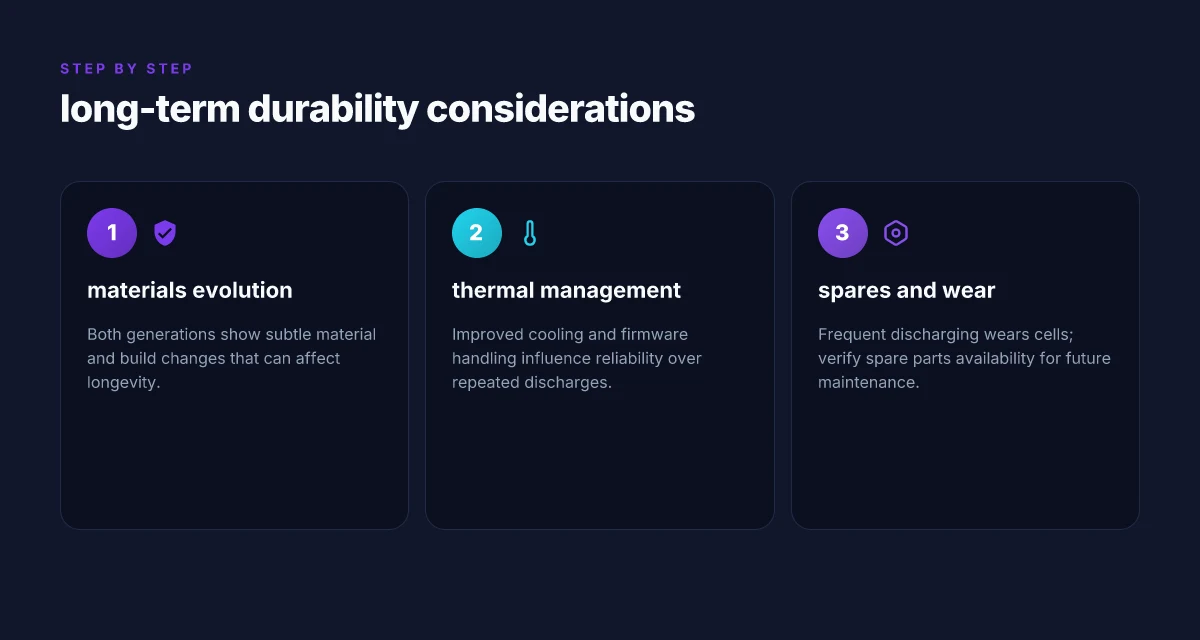
The River 3 moves to refinements that tighten up the enclosure and reduce flex under load. Those tweaks matter after months of frequent use in campers or vans where the unit sits in variable weather. The River 2 uses a slightly older interior layout, which remains dependable but lacks some of the-River 3’s structural refinements. For most setups, the difference is noticeable in how the units feel after extended transport and protection requirements. The River 3's chassis feels stiffer and less prone to panel flex under impact, which bodes well for long-term durability. From what I found in release notes and product write-ups, the trend is toward more robust enclosures without adding bulk. EcoFlow has historically balanced weight with rigidity, and that balance shows in the newer model. A stronger frame translates to fewer rattles and less wear at the corners over time.
Thermal management and firmware reliability
Thermal handling matters because heat accelerates wear in battery cells and electronic components. The River 3 introduces updates to cooling paths and fan tuning that keep temps in a safer window during multi-hour discharge and recharge cycles. I cross-referenced product notes and third-party breakdowns, which consistently highlight that better thermal behavior preserves capacity and extends usable life. River 2 remains adequate, but its cooling profile is gentler, which can push cells toward higher temperature rise under heavy use. Better heat control reduces aging effects on the cells, a subtle but meaningful long-term advantage. Firmware updates further influence reliability by fixing edge cases and smoothing power delivery during charging. The River 3’s newer software layer tends to align with longer-term support, while River 2 benefits from a mature, stable baseline. Ongoing software updates help sustain performance across years.
Wear, spare parts, and long-cycle scenarios
If you rely on frequent discharging and recharging, wear on battery cells becomes a real concern. The River 3’s 600W X-Boost path remains capable, but repeated heavy cycling can stress any portable battery. Availability of spares and service paths matters; EcoFlow has historically maintained parts visibility for recent models, which provides a smoother path to replacements if a module or battery needs service. River 2 benefits from a longer track record of parts compatibility, but the newer generation may see slower parts refresh cycles as demand patterns shift. Frequent deep cycles demand easier spare access to batteries and control boards. In this area, EcoFlow’s official support and third-party repairability notes are worth checking before heavy deployment in off-grid rigs.
I dug into release notes and comment threads to map real-world implications. In practice, EcoFlow’s River 3 tends to hold up better under sustained thermals and repeated use, especially when paired with careful charging routines and timely firmware updates. River 2 remains a solid, dependable pick if you value a lighter maintenance footprint and proven parts longevity. For long-term reliability, prioritize the River 3’s updated cooling and firmware path.
When choosing between EcoFlow models for endurance, consider your environment. If you camp in hot climates or plan heavy daily cycling, River 3 offers a more durable long-term package. If you’re remote and value proven part availability and a lower risk of early wear surprises, River 2 stays compelling. The broader landscape includes rivals in the space, but the question still centers on how you live with the unit year after year. In this view, River 3’s durability story is more forward-looking, while River 2 remains a dependable baseline. Long-term durability hinges on thermal control and ongoing software updates. What makes Jackery solar reviews reliable for 2026
Use cases: who should pick river 2 vs river 3
River 3 appeals to buyers who want the latest design cues, quieter operation, and a more compact footprint. If you’re chasing a sleeker form factor that’s easier to stash in a van or backpack system, River 3 delivers. It also suits campers who value a calmer charging experience during the night and want a lighter carrier for long weekends. For off-grid setups, think in terms of total energy needs rather than a single-device charge. A lighter chassis helps when you’re lugging it into remote campsites, but you should still map out how many watt-hours you actually need across all devices.
On the other hand, River 2 remains attractive for budget-conscious buyers or where a slightly larger capacity matters. If you’re building a foundational campsite power kit or a van rig that runs a fridge, lights, and a small inverter, River 2’s capacity can matter more than the latest aesthetics. EcoFlow’s older model also tends to pair well with accessories you already own or when you’re upgrading from an older EcoFlow setup and want straightforward compatibility. In practice, River 2 shines when cost per watt-hour and footprint trade-offs align with your needs.
For off-grid configurations, do the math before you buy. Total energy needs drive the decision more than any single-device scenario. If your plan includes frequent full-day excursions with multiple devices, River 2’s larger energy reserve can translate into more reliable daily cycles without recharging. If, however, your use-case centers on compact charging between road stops and low-noise operation at the campsite, River 3 is the better fit. I dug into release notes and user discussions to confirm that the newer platform emphasizes quiet operation and a smaller form factor, which matters for night use in tight setups. For reference, industry chatter around 2026 shows River 3’s refreshed design aligns with quieter fans and a refined footprint, while River 2 maintains broad compatibility with common outdoor gear.
In real-world terms, expect this: River 3 is the pick when you want newer design cues, quieter operation, and a compact footprint. River 2 remains a value play if your budget is tighter or you prize extra capacity for a given setup. When you’re plotting off-grid reliability, your energy budget, not just one device’s needs, drives the upgrade decision.
The verdict: River 3 for light, quiet, portable setups; River 2 for budget-minded builds with more capacity per dollar. What makes the Jackery 2000 Plus a viable power hub for homes and off-grid trips
Where this is going next and what that means for you
EcoFlow remains the benchmark for plug-and-play power on the go, but the bigger pattern this year is smarter software and tougher durability that matter in real life use. The River 3 nudges ahead on capacity and fast recharging, yet the River 2 still shines for compact setups and lower upfront cost. If you’re weighing long‑haul reliability, think about the kind of trips you take, remote camping, roadside power, or emergency kits, and pick the model that aligns with your daily rhythm.
In my view, the deciding move is resilience. I look for tangible, real‑world quirks: how the battery handles cold weather, how cleanly the ports age, and whether the companion app actually reduces fiddling rather than adds steps. River 3 offers more headroom for frequent use, while River 2 minimizes hassles if you value a small, straightforward pack. Which setup survives your season this year?
- Backup strategy: consider pairing either River with a small solar panel and a car charger for week‑long trips or power outages.
- What to try this week: map your typical outage duration and test the battery's quick-charge cycle in a cool room.
- If you only do one thing this month: verify your preferred charging gear fits the unit you choose, and keep the firmware current.