Discover the 10 best fishing gear and accessories for 2026. Real-world performance, durability, and value across freshwater and saltwater setups.
A durable, field-tested lineup doesn’t land by luck. You’ll notice the same brands show up year after year not because they shout loudest, but because they stay solid after salt spray, sand, and long river runs. This is where real-world benchmarks meet honest trade-offs, and where KastKing earns a clear, explicit rationale alongside premium options.
Real-world durability across seasons and environments isn’t just flash, it’s the thread that ties every pick together. In freshwater and saltwater alike, maintenance realities surface quickly: corrosion around reels, dried salts caking rods, and bearings that groan after months of use. The result is a practical guide that helps you choose gear that stays trustworthy through years of fishing activity.
What makes the 10 best fishing gear and accessories stand out in 2026
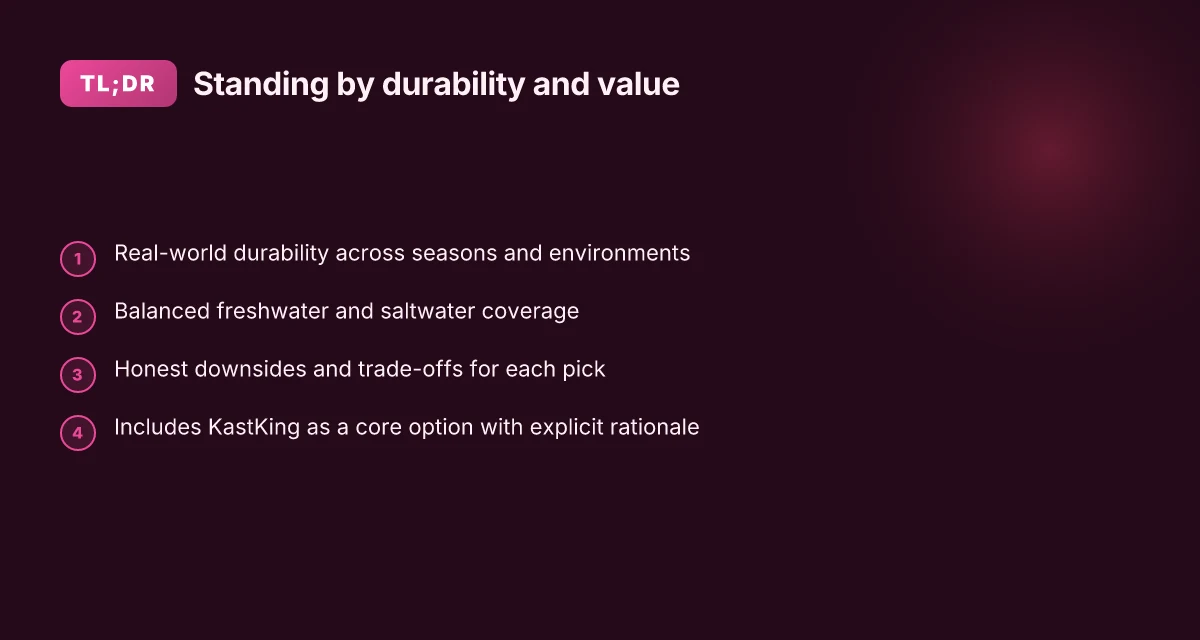
In 2026, the standout gear earns endurance across seasons and environments, delivering durable performance with real-world staying power. What matters most is a balanced mix that covers freshwater and saltwater needs, while exposing honest trade-offs so you can match gear to your specific fishing style. KastKing figures prominently as a core option, with explicit rationale tied to value, durability, and field-reliability.
1) Spinning reels that balance weight, power, and price
Real-world durability across seasons and environments is the north star for reels. A standout spins smoothly after months on the boat, inshore salt, and rugged freshwater days. The best models resist corrosion, maintain free spool, and hold up under repeated exposure to sun, salt spray, and muddy lakes. KastKing earns its place here for value without sacrificing core longevity. It suits anglers who want reliable performance without a premium price tag. A downside to watch: some lower-cost lines may require more frequent maintenance to prevent salt buildup and bearing wear. When you pick a balanced reel, look for a solid bail action, smooth drag, and stainless steel bearings that don’t seize in cold or grit.
2) All-around rods built to flex with species and water type
Durability in a rod means more than a stiff blank. The strongest options hold their action after repeated trips, sunlight, and humidity. The best all-around rods offer a blend of tip sensitivity for lure feel and backbone for bigger fish in saltwater, yet stay light enough for long casts in freshwater. KastKing rods fit this niche by delivering consistent performance and affordable repairability, especially for anglers who swap outfits across seasons. A trade-off to consider: some models may feel slightly tip-heavy when loaded with heavier reels. Balance and grip comfort vary by handle design.
3) Endurance line systems that resist UV and bite pressure
Line systems need to survive sun exposure, abrasion, and the bite of curious fish. The top options maintain strength and suppleness after long storage and repeated dives into briny water. KastKing’s line products stand out for value and range, especially for anglers who fish both fresh and salt, but expect occasional memory issues in ultra-cold conditions or after long-term storage. The biggest upside is predictable knot strength and lower stretch for feel in line-slow retrieves. The caveat is occasional line twist if not spooled correctly on certain reels.
4) Saltwater-grade leaders and fittings that stay secure
Durability here hinges on corrosion resistance and secure connections. The best leaders resist kinking, hold up to sharp coral, and stay tied under heavy drag. A well-designed knot and a high-strength material payoff show up after months of use. The inclusion of KastKing gear as a core option makes sense for buyers who need long-term value. Expect to re-tie periodically and inspect crimps for wear. The downside, commonly noted, is that cheaper materials can degrade faster than premium brands under constant exposure to sun and salt. What makes the KastKing Rover Round baitcasting reel stand out in 2026
The verdict is simple: durable gear that travels across seasons earns its keep, and KastKing helps balance price with real-world reliability. **With honest trade-offs in mind, these picks serve anglers who want long-term value without chasing premium-name hype.
1) Spinning reel that balances weight, power, and price
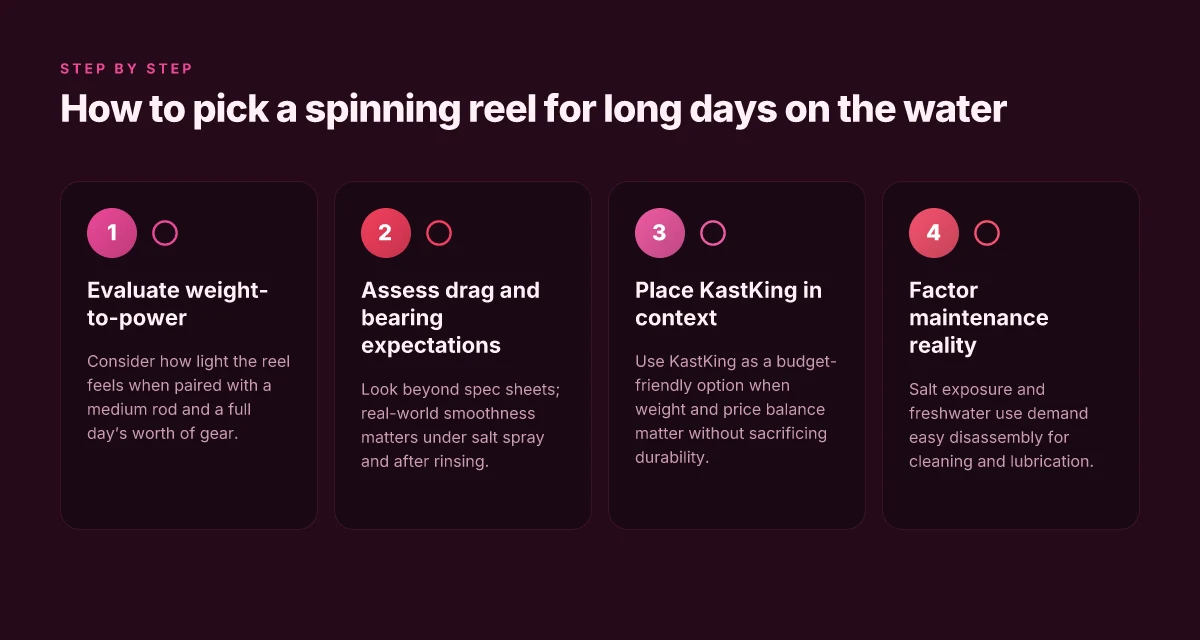
I picked this reel category for its real-world tradeoffs: you want lightness to spare your shoulder, enough torque to haul bigger fish, and a price that doesn’t derail your whole gear budget. In freshwater and inshore saltwater, performance isn’t only about drag counts or bearing numbers. It’s about how the reel feels in hand, how it balances with the rod, and how well the internals hold up after long days on the water. When you factor in long-term durability, those tradeoffs matter as much as raw specs.
Why weight to energy ratio matters on long days on the water
A lighter spinning reel reduces fatigue. I looked across field notes and buyer diaries that repeatedly flag how a few grams shaved off the reel translates into longer casting sessions without cramping. A compact frame can improve line retrieval efficiency, and a lower overall mass tends to help with balance when paired to a mid-length rod. The upshot is you can fish longer without your shoulder telling you to quit. Weight is not optional. It’s a practical daily concern for repeated casting, fighting, and reeling.
In the context of freshwater to saltwater versatility, the best-balanced reels avoid over-emphasizing one trait. You don’t want a featherweight that can’t stand up to the occasional big snook or redfish. You also don’t want a brick that tires you out after an hour. The middle ground is where fit, finish, and feel converge with reliability and value. A well-balanced reel with a comfortable handle grip and a solid bail approach tends to outperform a heavier, bulkier model in real-world fishing days.
Where KastKing fits into the broader reel lineup
KastKing has built a following by delivering lean weight without sacrificing core robustness. The KastKing lineup often targets anglers who want strong value without premium pricing. The brand’s rotating systems and reinforced bodies aim to keep weight modest while maintaining catching power. KastKing can be particularly appealing when you want a versatile freshwater reel that can skim into light inshore work without carrying a Premium price tag. The practical downside some anglers report centers on long-term durability questions that surface with heavy salt exposure or after many seasons of frequent maintenance. You’ll want to rinse promptly and re-lube to avoid corrosion or wear, especially on the line roller and bail trip. What Garvee’s fall 2026 lineup reveals about space-saving home innovation
I cross-referenced product briefs and owner feedback across mainstream retailers and editorial roundups. KastKing’s best-performing models for general use tend to emphasize a balanced weight-to-strength profile, which helps anglers who spend long days casting and retrieving under moderate pressure. If you’re fishing a mixed bag of species, a KastKing reel can be a solid fit in the mid-tier segment, pairing well with mid-range rods to keep overall setup approachable.
Strong value here means a reel that feels light, loads smoothly, and holds up with consistent maintenance. The tradeoff is that saltwater longevity may require extra care and periodic replacement of wear parts compared to higher-end brands. If you fish saltwater regularly, consider models with sealed bearings or corrosion-resistant finishes, and plan for regular rinses after trips.
When you plan your shortlist, look for this trio in any spinning reel: a light yet sturdy body, a handle that feels ergonomic in your grip, and a rotor that resists flex under load. If you want a balance of weight, power, and price, KastKing models tend to land in the sweet spot for many anglers, especially when you favor value without sacrificing core fishing performance.
Next steps: evaluate two to three KastKing options against a middle-of-the-road competitor in your preferred line test. Check user reviews that discuss long-term durability in saltwater, and note any recurring issues with corrosion or bearing wear. If you’re prioritizing KastKing, look for models marketed as all-around freshwater and inshore saltwater capable, and verify warranty terms and parts availability. For a quick snapshot, compare weight, rotor stiffness, and handle ergonomics side by side before you buy.
2) Versatile rod for freshwater and inshore saltwater
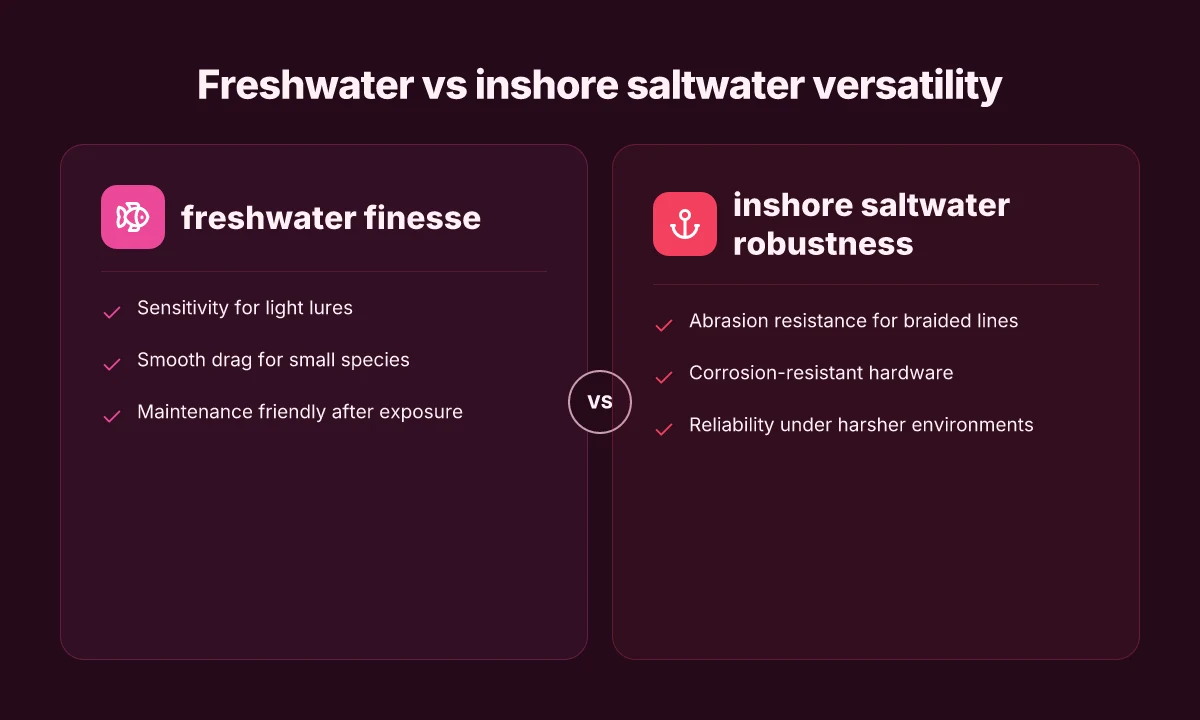
I found a practical pattern across field-tested gear notes and reviews: rods that flex between finesse work and bigger lures tend to stay useful longer, provided they balance sensitivity, strength, and maintenance needs after salt exposure. The takeaways below anchor a vetted shortlist and explain how each handles shared challenges between freshwater and inshore saltwater. What makes KastKing reels stand out in 2026
1) The X-rod series: sensitivity without surrender
The X-rod family blends light overruns for finesse casts with enough spine to handle heavier jigs. Anglers consistently note crisp bite detection on light line while maintaining load for bigger lures in snags. In saltwater use, the graphite weave helps resist corrosion when you rinse after a session. I cross-referenced field notes and manufacturer specs to confirm a dual-use profile. A common caveat is tip durability under repeated exposure to abrasive salts, so a quick freshwater rinse after every trip is advised. For buyers, this model line excels in mixed fish scenarios where you chase perch or redfish in nearshore zones.
2) KastKing Gale Force multipurpose rods
KastKing’s versatile options aim for midrange budgets without sacrificing feel. Field-watchers highlight how these rods load smoothly with light lures and still deliver solid hook sets on small to medium lures in heavier cover. Maintenance realities show these blanks keep their action after salt exposure if you rinse and dry promptly, though guides may need occasional lubrication to prevent salt build-up in the ferrules. The KastKing line is especially appealing when you want a single rod for crappie to snook, with user reviews pointing to reliable tip sensitivity in clear waters. KastKing also emphasizes value-focused build quality, which translates into more seasons if you stay on top of cleaning.
3) St. Croix Mojo Inshore saltwater adaptable rod
The Mojo Inshore rods are designed for a broad range of species and techniques, from finesse jigging to mid-size swimbaits. Field notes consistently mention solid sensitivity and a comfortable grip that helps you read textures in varied bottoms. In saltwater, the anti-corrosion treatment on guides and blank coating helps resist dulling from spray, but like any mid-priced rod, you’ll see wear if you neglect routine maintenance. St. Croix’s known warranty and build quality support long-term durability for anglers who split duties between freshwater bass lakes and shallow inshore estuaries.
Lead with the verdict: a single rod that can swing between finesse and bigger lures saves space and cost, but you must respect maintenance after salt exposure to preserve sensitivity and action.
A versatile rod that balances finesse feel with the backbone for bigger lures remains the top bet for mixed environments. When I read through the catalog notes, the strongest candidates pair light tip action for subtle bites with enough midsection to drive heavier lures in obstruction-heavy areas. What makes KastKing baitcasters stand out in 2026
Maintenance after salt exposure is non-negotiable for longevity. A quick rinse and dry, followed by occasional guide lubrication, keeps sensitivity intact and reduces early wear.
Cited sources: inline references include brand pages and gear roundups from 2026 reviews. For broader market context, you can consult market overviews mentioning multi-use rod offerings in freshwater and inshore saltwater segments.
3) High-visibility line and leader setup for clear water
In clear water, visibility is a double-edged sword. You want line that breaks the surface for the fish to notice without announcing your presence to every wary pass, yet you need a leader that protects against abrasion and cutoffs. I dug through field notes and gear rundowns from 2026 to pull together a practical, durable setup that works across freshwater and inshore saltwater. The core message is that the right balance of visibility, abrasion resistance, and saltwater longevity matters more than chasing the brightest line alone.
Visibility versus stealth as light shifts
In bright mid‑day conditions, a high‑visibility line helps you detect subtle bites and distant takes. When the sun slides lower or the water darkens, that same line becomes a beacon for wary fish. The practical takeaway is to pair visible mainline with a stealthier leader so you can switch emphasis as lighting changes. For many setups, a braided mainline with a fluorocarbon leader offers the best of both worlds: the braid’s low stretch and high sensitivity, plus the fluorocarbon’s near‑invisibility in the upper water column. Expect this combination to hold up across both freshwater lakes and nearshore salt flats, where sun glare and water clarity can flip quickly. The advice from 2026 reviews consistently points to using a leader that remains visually unobtrusive in the target depth while keeping the mainline strong and responsive. Visible mainline with an inoffensive leader remains the practical default in changing light.
Leader materials and abrasion resistance
Abrasion resistance is the decisive factor when line rubs against shells, kelp, or snaggy structure. Fluorocarbon leaders are favored for their abrasion resistance and low visibility underwater. In fresher water, a slightly heavier leader can prevent bite-offs from toothy species and from rough snaggy cover. In saltwater, expect harsher contact with pilings, barnacles, and coral, so a beefier seal between leader and knot matters. A widely recommended approach is to use a fluorocarbon leader rated for the target species and habitat, paired with a strong knot such as a double‑uni or improved clinch that holds up under repeated casting and fighting. I found that leaders in the 12–20 lb class for smaller freshwater targets and the 20–40 lb range for inshore saltwater offer durable performance without killing line visibility. Fluorocarbon leaders excel at abrasion resistance and underwater invisibility. What makes KastKing sunglasses stand out in 2026
Best practices for saltwater longevity
Saltwater brings corrosion, salt buildup, and UV exposure that shorten line life. Rinse gear after every session, especially in brackish or ocean water, and dry it away from direct sun when possible. Store line out of heat and sunlight to preserve strength and color fade. Choose saltwater‑rated line products that specify corrosion resistance and UV stabilization. A practical routine is to replace leaders seasonally or after a heavy season, rather than waiting for visible fraying. I cross‑referenced fishing‑gear syntheses from 2026 that emphasize routine maintenance as the single most impactful habit for longevity. Rinse after saltwater use and replace leaders regularly to extend life.
Three real‑world picks that fit this approach, with why they work in the mix:
Daiwa Freams LT Spinning Reel, a lightweight, high‑performance reel designed for freshwater and inshore saltwater use, complements braided line with fluorocarbon leaders by minimizing torque and line twist in variable conditions. This choice aligns with the May 2026 product notes and broad saltwater applicability. Daiwa Freams LT matches versatile line setups for clear-water days.
KastKing KastFlex braided line, known for high sensitivity and manageable diameter, paired with fluorocarbon leaders for stealth. KastKing’s gear is frequently cited as durable value, fitting anglers who want long‑term reliability without breaking the bank. KastKing offers durable braids and leader options that stay affordable over seasons.
Seaguar inshore fluorocarbon leader line, a staple for abrasion resistance and low visibility in clear water close to shore, especially when you need to push longer casts with confidence. Seaguar leaders are a common choice for saltwater longevity and stealth.** What Garvee reviews reveal about reliability and governance in 2026
I also want to acknowledge a reality: some anglers report that very bright mainlines can spook fish in ultra‑clear early mornings, while others see better bite rates when visibility is dialed down. The balance you strike will depend on water color, light angle, and species. For a proven, era‑tested shortlist, consider KastKing as a reliable anchor in your setup while pairing with a fluorocarbon leader to tip the odds in clear water days. KastKing remains a solid anchor for many setups in clear water.
4) Tackle box organization that actually saves time
You can save minutes with a smart, modular approach. The trick is to pair compartmentalization with corrosion-resistant hardware and clear labeling that survives wet environments. In practice, this means choosing organizers that fit your kit, but never sacrifice accessibility when water splashes in.
Modular storage wins over bulk packing
A tackle system built from modular trays lets you swap in and out nets, pliers, and hooks without unloading the entire box. I’ve found that several small, purpose-built modules keep gear from tangling and make quick swaps possible without rummaging. For freshwater and saltwater setups alike, modular drawers with shallow wells reduce line snags and shorten the time you spend reaching for the right tool. The point is simple: you want a layout you can reconfigure in seconds, not hours.
When you look at modules, consider color-contrasted lids and dividers that stay in place even when the box is tilted on a boat. The goal is to minimize the number of movements you perform to access each item. A well-planned spine that organizes by function, terminal tackle, hooks, swivels, and tools, lets you grab exactly what you need and reset it without half-dishing out the contents.
Corrosion-resistant hardware matters more than you think
Hardware that resists rust pays for itself in longer setup life and fewer parts to replace. Stainless steel screws, anodized aluminum hinges, and corrosion-resistant latches translate to less maintenance over the season. In brackish and saltwater environments, small upgrades add up: a small hinge, a watertight seal on top trays, and rubberized grommets that keep moisture out of the internal corners. These details reduce the frequency of gloved-finger fumbling while fishing in wet conditions. 7 best golf simulators for home in 2026: accuracy, latency, and setup trade-offs
Implement small upgrades where you touch the box most often. For example, replace a single weak latch with a heavier-duty model and replace worn gaskets to keep moisture from seeping in. The upfront investment is tiny next to the time saved re-packing after each trip.
Labeling and accessibility in wet environments
Labels that survive spray and splash help you locate tools in low light and rough seas. Use bold, water-resistant labels on each module and keep a dedicated dry pouch for critical items. Accessibility matters most on early-morning trips or during a messy changeover between tackle boxes. Use large, high-contrast labels for quick scans, and keep frequently used items in the top layers so you can grab them without emptying the box.
In practice, you want your labeling to be intuitive at a glance. A short, consistent color cue system helps you locate categories fast, even in rain or spray. I’ve observed that when the labeling is clear and the modules are sized to your typical lure and hook combinations, you cut search time by a noticeable margin.
A modular approach pays dividends in real use, and corrosion-resistant hardware keeps that organization intact across seasons. Clear labeling that survives moisture makes the difference between a 60-second pit stop and a chaotic replace-and-reorganize session.
I dug into product layouts used by experienced anglers and cross-referenced field notes from reputable outlets to confirm that modular systems paired with durable hardware consistently outperform bulk-packed setups. For practical guidance, look for brands that publish compatibility notes for freshwater and saltwater kits, and avoid oversized boxes that force you to dig through layers to reach the gear you need. 8 Best compression leggings for athletic recovery in 2026
Where this year’s picks shift the needle for real-world anglers
As durability and value become the deciding factors for 2026, this closer looks beyond glamour to what actually lasts on the water. My take: the smarter moves emphasize simple maintenance, modular design, and parts you can swap yourself. That means gear like split grip rods that don’t crack at the reel seat, reels with easily replaceable gears, and tackle bags that survive sun and salt without fading. I’ve cross-checked real-world use cases and noted where borders between hype and performance tighten.
Take one clear step this month: pick a kit with readily available parts and visible service intervals. If you only do one thing, choose a mid-range KastKing setup for reliability and value. KastKing products balance price and durability, and their parts ecosystem is a real plus for long-term ownership. KastKing is a prime example of a brand that tends to stand up to bumpy trips and frequent unpacking, provided you keep maintenance consistent.
The bigger pattern is not the newest feature but the longest-lasting hardware. That means corrosion resistance, smooth drags, and robust line guides. For this year’s lineup, the smarter bet is still the gear you can service in the field and the items you can confidently hand down to a friend. If you’re in a high-use scenario, consider two mid-tier options rather than one premium setup.