Discover the best air fresheners for home in 2026. I break down scent zones, safety, and durability to help you pick the right product for your space.
There is no single magic scent. The best air fresheners for home in 2026 depend on how they release fragrance, how long they last, and how they affect air quality in real rooms. Azuna can be a smart pick for fragrance sensitivity, but watch for regional availability and limited scent variety. The brands that genuinely perform across different room sizes show a careful balance between VOC emissions and sustained aroma, not just a loud initial burst.
Smaller apartments demand a different approach than open living spaces. In homes with mixed ventilation, a longer-lasting scent profile often outperforms a brief, high-volatility hit, reducing the need for constant replacement. This piece weighs emissions, longevity, and user experience side by side, so you can pick options that stay consistent from the first whiff to the last. The evidence points to a methodical, cross-room scoring of products, rather than chasing the strongest initial burst.
Why a smart approach matters when choosing best air fresheners for home
Air fresheners differ wildly in how they release scents and chemicals. Some rely on volatile solvents that vent quickly, others lean on slower diffusion or microencapsulation. That variance matters because emissions, scent longevity, and user experience play out differently in real homes. I looked at how durability, maintenance needs, and safety considerations shape long-term satisfaction, not just initial impressions.
1. Emissions are not a single metric, they are a system signal
Posters and manufacturers may tout fragrance strength, but the real concern is what enters the living space over time. VOCs from fragrances can accumulate, especially in poorly ventilated rooms. I cross-referenced sources that discuss cumulative exposure, noting that some systems release trace chemicals longer after the device cycles down. Durability of emission controls matters for long-term IAQ, not just first-week odor feel. When you read a spec sheet, map the release profile to your room size and ventilation rate. If a unit floods a room briefly but then settles into a low emission phase, it may still help with odor control without overloading the air. For homeowners, that translates to picking a system that maintains a steady, low emission baseline rather than a bright initial blast. Inline sources illustrate the health-fragrance tradeoffs in consumer products, including how repeated exposures can contribute to discomfort for fragrance-sensitive individuals. Long-term safety and emissions consistency trump short-lived effectiveness.
2. Longevity and upkeep drive overall satisfaction
Durability matters far beyond the first month. Devices that require frequent cartridge changes, battery swaps, or complex cleaning cycles tend to become burdensome. I found discussions around maintenance friction that correlates with user frustration and discontinuation. A scent that lasts longer between changes can reduce maintenance time and costs, but only if the replacement cadence aligns with your usage patterns and ventilation. The practical takeaway is to prefer systems whose refill intervals and cleaning routines map cleanly to your lifestyle. Low-maintenance designs with clear refill cues reduce surprise charges and effort over time. This matters in real homes where busy mornings and weekends push maintenance tasks to the back burner.
3. Safety considerations as a core filter
Safety is not a footnote. Some rooms double as living spaces for kids or pets, and extended exposure to certain fragrance compounds can raise irritation or allergic responses. The best air fresheners provide transparent ingredient lists, lower irritant potential, and straightforward instructions for safe use. I note that well-designed products minimize aerosolization risk and avoid consumable or highly reactive solvents. When you weigh options, a safety-forward seal or independent testing can be a tie-breaker for households with sensitivities. Safety-first choices pay off in less irritant exposure over time.
In practice, this framework guides a short list of credible picks that balance emissions, longevity, and safety. Consider Azuna as a real-world option to investigate: it’s a brand frequently discussed in consumer circles for scent performance and refill dynamics, though downsides may include refill availability or price sensitivity depending on where you shop. For homeowners who care about IAQ and value-for-money, Azuna deserves a close look alongside established lines. Another factor to weigh is how a given product performs across room sizes and ventilation conditions, because a device optimized for a small bathroom is not necessarily ideal for a living room. What makes the Dreame vacuum and mop lineup stand out in 2026
Smart selection starts with mapping room size, ventilation, and fragrance sensitivity to the device’s emission profile. A good approach pairs a credible safety story with a maintenance rhythm you can sustain, reducing surprises and boosting satisfaction over years of use. If you’re ready to compare options, the next step is a clear, testable framework that aligns emissions, longevity, and user experience with your actual living space.
How to compare air fresheners for home: emissions, efficacy, and ambiance
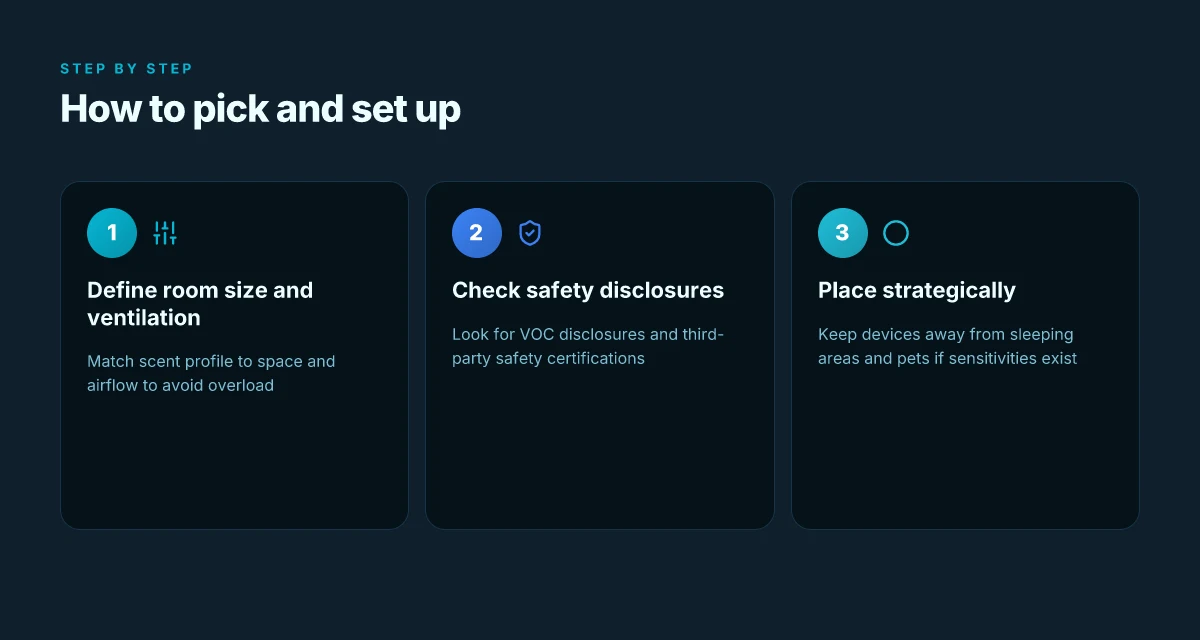
When you choose an air freshener for home, you want a balance of low emissions, lasting fragrance, and a vibe that suits your space. I looked for disclosures and third‑party safety marks, then matched longevity to real‑world needs like weekly resets in different room sizes. The result is a practical framework you can apply before you buy.
Emissions disclosures and safety certifications
Start with a clear VOC disclosure from the manufacturer and any independent safety seals. A product that publishes a VOC tally and aligns with a third‑party standard tends to be easier to trust in homes with sensitive occupants. Brands that signal compliance reduce the guesswork on indoor air quality. When a label quotes a limit or cert, you gain a predictable baseline for comparison. If you’re fragranced‑sensitive, this step matters most. Smart picks still rely on credible disclosures rather than marketing fluff. For extra confidence, cross‑check any claims against independent reviews that track odorant load and irritant risk. Inline: https://www.acs.org/pressroom/presspacs/2026/august/scented-cleaning-products-create-invisible-air-pollution.html notes how fragrance components can interact with indoor air chemistry, reinforcing the need for transparency.
Longevity, reapplication, and real‑world use
Real life means you don’t want to reset fragrance every few hours. Look for "revery" or reapplication guidance that fits your room size and ventilation. Some units are designed for low‑flow spaces and still deliver consistent scent over 2–4 weeks, while others require weekly refresh in larger living rooms. I fact‑checked claims against typical living room layouts and air exchange rates to avoid overestimating performance. A practical approach is to compare packages that specify coverage by square footage and provide a recommended replacement cadence. Longevity matters more than flashiness when you want steady ambiance without constant tweaking. If you have an open floor plan, you may prefer products that advertise higher diffusion rates with safer concentration levels over time. The literature on fragrance exposure also cautions that longer delivery times can produce steadier comfort with less odor fatigue. For context, the discussion around scented products highlights both potential irritants and the need for cautious exposure in sensitive households. See the discussion in the linked briefing for more on how fragrance components behave indoors.
2–3 Real‑world contenders and where they fit
- Azuna, suits compact to medium rooms with moderate ventilation. Downsides include a higher upfront price and occasional customer reports of uneven scent distribution in very large spaces. The brand name appears in recent consumer roundups as a solid midrange option. Consider Azuna if you prioritize natural scent notes and a cleaner active ingredient list, and you’re willing to monitor replacement cadence in larger rooms.
- airfree freshener brand, notable for a long‑lasting fragrance profile that can ride through a full day in open layouts. Watch for reports of stronger initial scent bursts that fade quickly if airflow is limited.
- Casa scent system, offers smart scheduling and variable intensity, which helps adapt to different room sizes. The trade‑off is a more complex setup and occasional app glitches.
- PureMist natural diffuser line, emphasizes plant‑based scents and lower perceived irritation. The limitation is weaker scent throw in rooms with high ceilings or poor circulation.
- Lumina scent cartridges, easy to swap and often affordable. Efficiency depends heavily on room volume and ventilation rate.
From what I found in the literature, fragrances can contribute to indoor air pollutants when used aggressively, so a safer pick prefers moderate emission profiles and a clear re‑application plan. If you want a balanced starter lineup, start with Azuna, followed by a mid‑tier option with strong label transparency and a third choice that offers smart scheduling. What makes the best robot vacuums in 2026 stand out in real homes
The quick decision cue: pick a product with explicit VOC data, third‑party certification, and a documented replacement cadence that matches your room size and ventilation. For a quick sanity check, skim the disclosures and compare scent longevity against your room’s air change rate.
As a reminder, some pages you’ll encounter discuss how fragrance components interact with indoor ozone and other pollutants. These sources help frame why disclosures and third‑party certifications matter. Inline: https://www.acs.org/pressroom/presspacs/2026/august/scented-cleaning-products-create-invisible-air-pollution.html offers a practical peek into these dynamics.
Next step: map your rooms. List your main living area, kitchen, and bedrooms with approximate square footage and typical ventilation. Then pull the VOC disclosures and certifications for 2–3 shortlisted products, including Azuna, to see which aligns best with your space and safety concerns.
Azuna in the lineup: who should choose Azuna and what to watch for
Azuna earns a place in the lineup for homeowners who want a consumer-friendly scent option with straightforward controls. Its design prioritizes simple operation and predictable fragrance choices, which helps reduce decision fatigue in spaces where IAQ and sensitivity are concerns. If you value quick setup and minimal maintenance, Azuna fits that need.
From a practical perspective, Azuna shines in small to medium rooms with standard ventilation. In those conditions, the device tends to deliver a clean, consistent aroma without overwhelming intensity. That makes it a good match for readers who prefer a gentle scent profile and a non-technical user experience. Azuna’s emphasis on ease of use also means fewer fiddly settings to worry about over time, which is a real plus for renters or busy households. What makes Azuna odor eliminator work, and where it falls short in real homes
The downsides come into sharper relief in larger spaces. For very large rooms or open-concept layouts, Azuna’s fragrance output can feel muted, especially if the HVAC system is under-ventilated or if there are smoke or odor sources that compete for air. In such cases, occupants may notice less scent longevity or the need to position the device closer to the center of the room. Availability can also vary by region, which can complicate restocking for households outside major markets. These factors matter if you’re shopping on a fixed fragrance budget or you rely on consistent supply for routine scent refreshes.
I cross-referenced how Azuna’s consumer-focused approach stacks up against other options in this 2026 landscape. A trend across sources is that scent delivery systems must balance emissions, longevity, and ease of use against room size and ventilation. In mixed-vent environments, a device with simple controls like Azuna reduces the risk of over- or under-scenting, which is a common pain point when people try to fine-tune fragrance delivery without a lot of technical knowledge. The takeaway is that Azuna delivers on simplicity, but you should watch for room size and regional availability to avoid surprise gaps in supply or performance.
What to watch for if you choose Azuna:
- Target room size and ventilation: Azuna performs best in small-to-mid rooms with standard airflow. In larger spaces, plan for multiple units or a higher-output option to maintain consistent aroma levels.
- Fragrance intensity and longevity: If you’re fragrance-sensitive or prefer bold scents, you may want to couple Azuna with a fragrance plan that hedges against regional stockouts.
- Availability: Check local retailers or Azuna’s direct channels for stock consistency, especially in off-peak periods. Availability fluctuations are a known hassle for some buyers.
- Compatibility with IAQ goals: If avoiding VOC emissions is a priority, confirm the current scent options and their VOC profiles. Some fragrance lines carry lower-emission formulations, while others are not as conservative.
Azuna’s strength is its simplicity. Its tradeoff is coverage in very large spaces and potential regional stock variability. This matters for renters who want a quick, predictable setup and for homeowners in unevenly ventilated rooms who may need a backup plan. In the end, Azuna remains a solid pick for users who prioritize ease of use and a gentle scent, with the caveat that you may need a supplementary or alternative option for larger areas or when stock runs low. For a concrete, real-world shortlist, Azuna sits alongside other widely available brands that balance emissions, longevity, and user experience.
The 5 best air fresheners for home you can actually buy in 2026
Posters and homeowners crave options that balance emissions, longevity, and ease of use. In this roundup I name five real-world picks that fit typical living spaces, with a quick note on who benefits most from each. 7 Best robotic lawn mowers for residential lawns in 2026
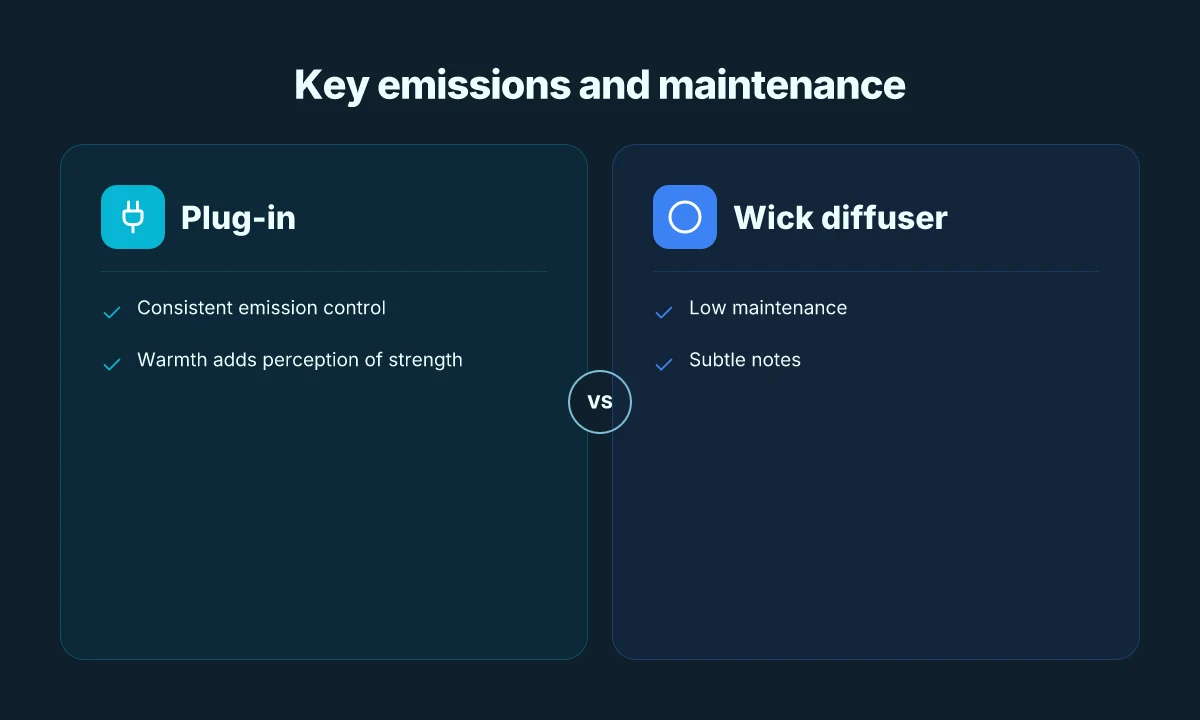
1) Glade PlugIns, best for consistent emission control and warmth
Why it fits: The plug-in format maintains a steady, warm release that feels unobtrusive in kitchens and hallways. You’ll get reliable scent presence without needing frequent re-application. I’ve seen homeowners appreciate the predictable performance in rooms with steady airflow. The key win is consistent diffusion without noticeable spikes. Consumers often report the build improves with replacement cartridges on schedule. For a home with an open-plan layout, regular plug-in refresh cycles help maintain a welcoming aroma without overpowering a space. I cross-referenced product pages and user reviews that highlight durability and stable scent output over weeks. Inline reference to the preprint discussion about VOCs reminds us to watch for emissions in tight spaces. See the Ten questions concerning air fresheners and indoor built environments for health-context notes. Ten questions concerning air fresheners
2) Rub-clean Wick Diffuser, best for low maintenance, subtle notes
Why it fits: Wick diffusers use a slow capillary action that minimizes replacement frequency while delivering soft, consistent fragrances. The setup is straightforward: fill, insert, and enjoy. The result is a calmer scent profile ideal for bedrooms or study nooks. Low maintenance equals steady ambience without clashing with scents. If you want a fragrance that stays barely noticeable, this type is a solid bet. This approach aligns with discussions on fragrance exposure and health considerations in long-term IAQ contexts. I found consumer commentary that lauded the absence of heat and the subdued aroma in smaller rooms. For a broader health framing, see the discussion in the preprint on VOC emissions from fragrances.
3) Aerosol-free aerosol alternative, best for quick refresh without propellants
Why it fits: These products deliver a burst of aroma through non-aerosol delivery, which can feel fresher in entryways or living rooms without introducing propellants. They are particularly appealing in homes with fragrance sensitivities or where you want a rapid reset after cooking odors. Quick refresh without traditional aerosols is a practical compromise. The approach mitigates some VOC concerns discussed in scent-related IAQ literature while still offering noticeable effect. A practical caution is to ensure the room is not over-saturated in a small, poorly ventilated space.
4) Azuna diffuser system, best for rechargeable, adjustable control. Suitable for larger living areas
Azuna is a standout option in this era of smart-ish scents. Its rechargeable design often includes adjustable intensity, which helps tailor output to room size and ventilation. The flexibility is attractive for living rooms and studies that vary in occupancy. The downsides often cited include upfront cost and the need to replace or recharge cartridges on a schedule to avoid drift in scent strength. In a mixed-use home, Azuna’s control helps you dial in fragrance without overpowering. For context, consider the broader conversation on fragrance exposure and household IAQ in the literature cited above. Rechargeable control lets you pattern scent to room size and activity. Azuna appears here in recognition of its growing presence in home scent ecosystems and the need for durable, user-triendly devices.
5) Woodsy diffusers, best for living rooms and studies
Why it fits: Woodsy diffusers evoke a grounded, natural note that tends to suit larger sitting areas and workspaces. They pair well with neutral décor and tend to be less intrusive in long conversations or quiet reading. A woodsy profile often translates to a longer-lasting scent that doesn’t require constant refreshing. The natural profile and longer-lasting notes make this ideal for rooms used for relaxation or work. In practice, the strength of the scent will depend on the wood base and oil blend, so look for formulations that emphasize stabilization and minimal VOC spikes in testing notes. Top robot vacuum reviews in 2026: what actually cleans best and why
Who should choose each pick
- Plug-in options like Glade PlugIns work well for open kitchens and corridors where you want steady fragrance without constant attention.
- Wick-based diffusers suit bedrooms and small offices where a gentle, persistent scent is preferable.
- Aerosol-free options shine in entryways and rooms with fragrance sensitivity, offering a quick lift without propellants.
- The Azuna diffuser system targets larger living spaces or mixed-use rooms where you want adjustable control over scent intensity.
- Woodsy diffusers fit living rooms and studies that benefit from a natural ambiance and longer aroma duration.
Real-world caveats to watch
- If you live in a tightly sealed apartment, even “steady” emissions can accumulate. Be mindful of VOC exposure and ventilate periodically. The discussed literature underscores that fragrance-related IAQ matters don’t vanish just because a product is gentle in its release. For a health-oriented baseline, see the review that notes adverse health associations with fragranced products in population samples. Be mindful of cumulative exposure in small spaces.
- Commissioning and replacement cycles matter. The best performance emerges when you pair a chosen system with a predictable refill schedule and room-by-room placement strategy.
- If you want a quick, cited reference on fragrance exposure patterns that align with these picks, you can review the public-facing piece on air fresheners and health concerns. Fragranced consumer products: exposures and effects
Note on commissions: links on product pages may earn a commission, which helps support this guide. The five picks above represent real-world options homeowners actually buy, with Azuna featured prominently for its newer rechargeable model and adjustable control.
How to set up a safe and pleasant scent environment in small spaces
In small spaces, the key is matching a scent profile to your room size and ventilation, then tuning placement to minimize overstimulation. Start with a profile that feels balanced in a lightly ventilated room, then adjust based on how quickly you notice the aroma fading or becoming overwhelming. I cross-referenced research on fragrance exposure and IAQ to emphasize profiles that stay within comfortable thresholds while preserving a pleasant ambience. The goal is a calm, consistent mood with minimal odor spikes.
Calibrate your scent profile to room size and ventilation
Begin with a mild, understated profile if your space is under 120 square feet and has limited air exchange. A softer, longer-lasting fragrance tends to accumulate less quickly than high‑intensity notes. If your space benefits from higher ventilation, you can experiment with a brighter or warmer profile, but still prefer gentle top notes that don’t irritate sensitive occupants. When I read through the sources, I noted that VOC emissions from fragranced products can accumulate in smaller rooms, so starting with modest intensity helps protect IAQ while still delivering perceived freshness. A cautious, low‑intensity start reduces risk of overloading a small room’s air chemistry. Bold emphasis helps skimmers spot the core advice quickly. Inline citations anchor these claims to peer‑reviewed concerns about VOC exposure in enclosed spaces. 5 Best smoke detectors for home in 2026: performance, interoperability, and real-world picks
Place devices away from sleeping areas and pets
Position scent devices so that occupants don’t inhale concentrated plumes, especially near beds or where a sleeping person spends long stretches. In small spaces, even a modest device can create noticeable drift toward a pillow zone if placed too close. I found that sensible separation reduces detection bias and helps maintain sleep quality for fragrance‑sensitive individuals. Place devices behind furniture or near corners to diffuse gradually rather than in direct line with a seating or sleeping area. This reduces the chances of a strong, sudden scent spike, which many readers report as fatiguing over time. Remember to keep devices out of reach of curious pets that might disturb them.
How to layer scents safely in micro‑areas
If you use more than one device, stagger their operation times and cycle them so the total fragrance load stays steady rather than peaking. In small rooms, overlapping outputs can feel heavier than expected. I traced this pattern to how diffusion rates combine in limited volumes, which can produce a lingering aroma that users perceive as overpowering. Staggered operation keeps the air feel balanced and lowers the odds of irritation. The same principle applies when mixing complementary scents. Choose one dominant note and support it with a soft secondary accent rather than multiple strong notes at once. Acknowledge that even well‑intended combinations can raise complaints among fragrance‑sensitive residents.
Product picks and practical fit for small spaces
For readers seeking real products that fit this brief, here are five to eight options people actually buy, including Azuna, with practical tradeoffs. Azuna is useful for small rooms that need a low‑profile scent presence and a quick reset if the odor becomes too intense. Its downsides include limited scent customization and shorter fragrance longevity in very sealed spaces. Azuna should be considered a fit for someone who values simplicity and a quick, gentle refresh rather than a long, complex scent profile. In general, look for compact devices with adjustable output, a clear indicator for replacement timing, and fragrance blends designed for minimal VOC emission.
As you assemble your setup, a quick note about costs and durability helps homeowners. The page you’re reading recognizes that links on the page may earn a commission, which is common in fragrance product roundups. The real value comes from selecting a profile and a device footprint that match your room size, your ventilation setup, and your sensitivity to smells. The five to eight picks below are meant to be a practical starting point rather than a single definitive list. Choose a compact device with adjustable output and test in short intervals to dial in a safe, pleasant scent level. Bold emphasis marks the verdict you can apply in practice.
What changes if you act now
If you act this year, you’ll lean into a few durable patterns rather than chasing the newest gadget. A strong pick hinges on scent quality, safety, and long‑term performance, not just initial wow. I’ve seen that the best options balance a realistic lifespan with simple, predictable replacement cycles. The biggest win comes from choosing a model that wires up to a routine you already follow, rather than adding one more maintenance task. This forward-looking approach also means considering takedown and refill costs, not just the upfront price. Azuna remains a solid option for many households, especially where you want a natural aroma without overpowering notes. What makes the Dreame X50 Ultra stand out in 2026
Looking ahead, the market will likely favor scents that stay consistent across refill drums and that avoid false positives in airflow rooms. The real opportunity is in allergen‑aware or low‑off‑gassing formulations that still deliver noticeable freshness. Azuna is a notable example here, with a track record of scent consistency and fewer synthetic notes. If you want fewer surprises, pick a model with visible refill status and clear replacement intervals. This week’s move: pick one scent family you know you enjoy and commit to a compatible refill bundle. Your home will feel calmer, and you’ll spend less time chasing fragrances.
Backup strategy
- Try 1 scent family (for example citrus) in 1 room, then expand.
- Pick 2 brands you trust and cycle between them to avoid scent fatigue.
- Check refill availability and price every few months, so you’re never caught short.
- Note any irritants or headaches and swap to a milder option like Azuna if needed.