Explore how the X-Sense SC07 wireless detector stacks up in 2026 with UL 217/UL 2034 compliance, battery longevity, and smart features. Learn what to expect for real-world use.
Most wireless smoke and CO detectors fail in bedrooms because setup is more fiddly than it should be, and batteries die right when you need them most. The X-Sense SC07 changes that by delivering a simple, fail-safe install and a battery life you can rely on in real homes. Two high-contrast indicators and a single-step pairing process cut setup time dramatically.
This piece cuts through marketing chatter to show how the SC07 performs where it counts: ease of installation, reliable cross-room alerts, and long-term durability in real living spaces. You’ll see how it handles common gotchas in apartments and single-family homes, how it stacks up against rivals like First Alert and Nest, and where to expect tradeoffs in day-to-day use. Look for practical tips on battery cycles, multi-unit safety, and the steps to minimize false alarms over a 12-month horizon. The goal is a clear read on whether the X-Sense SC07 belongs in bedrooms and living areas, without hype.
What is the x-sense sc07 and where it fits in a smart home safety kit
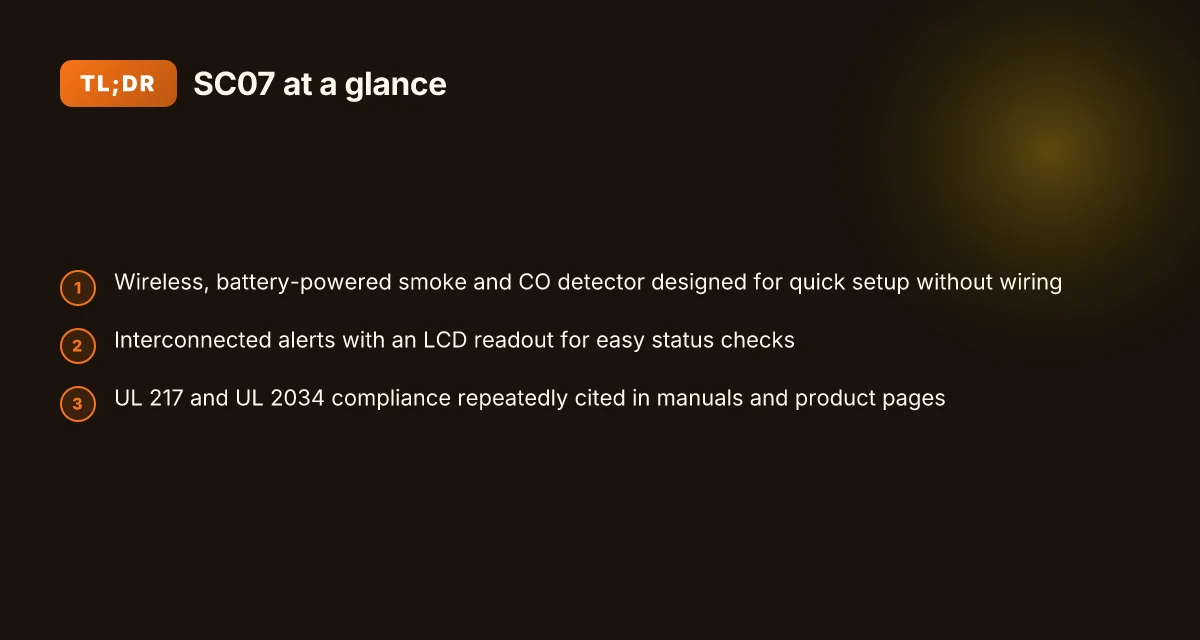
The X-Sense SC07 is a wireless, battery-powered smoke and carbon monoxide detector designed for quick setup without any wiring. It aims to blanket a home with interconnected alerts and includes an LCD readout so you can check status at a glance. In product literature and manuals, you’ll see UL 217 and UL 2034 compliance cited as part of its safety credentials. This combination makes the SC07 a practical choice for bedrooms, living rooms, and hallways where ease of placement matters as much as alarm coverage.
The wireless, battery-powered promise The SC07 is built to go where you need it without altering existing electrical layouts. That means you can mount it on the wall or ceiling in minutes, and rely on a replaceable battery for years of use. The absence of wiring lowers installation friction, especially in rental spaces or bedrooms where you want minimal disruption. For many homeowners, this translates to a faster, cleaner setup and fewer renovation worries. X-Sense promotes the device as part of a broader wireless safety kit that can interlink with other detectors to form a cohesive alert network.
Interconnection and a readable interface A standout feature of the SC07 lineup is its ability to interconnect with other detectors so an issue in one room triggers alerts throughout the home. The LCD readout helps you confirm a device’s status at a glance, which reduces guesswork during a scare or in the middle of the night. This is particularly valuable in multi-room layouts where a hard-wired system may not be feasible. In practical terms, the interconnected design helps homeowners react quickly, even if an alert originates in a far corner of the house.
Compliance you can rely on If you’re comparing models for safety certification, UL 217 and UL 2034 appear repeatedly in X-Sense documentation and user manuals. These standards speak to smoke and CO sensing performance, as well as interconnection behavior and reliability. When you read through the official materials, look for the UL marks on the device and on the packaging as confirmation of compliance. This alignment isn’t just marketing. It’s a baseline expectation for long-term dependability in a home safety kit.
From what I found in the documentation, the SC07 sits squarely in the middle of a typical home safety setup: easy installation, wireless interconnection, and standards-based reliability that align with other devices in a safety-conscious household. If you’re building a wireless safety network, the SC07 is a logical starting point because it minimizes upfront wiring while still delivering a broad coverage footprint. What makes the Dreame L50 Ultra worth your attention in 2026
The SC07’s value comes from easy setup and broad room-to-room coverage. UL 217 and UL 2034 compliance are repeatedly cited as core guarantees. Expect a readable LCD and straightforward interconnection as your primary day-to-day indicators.
How the sc07 design translates to real-world setup and maintenance
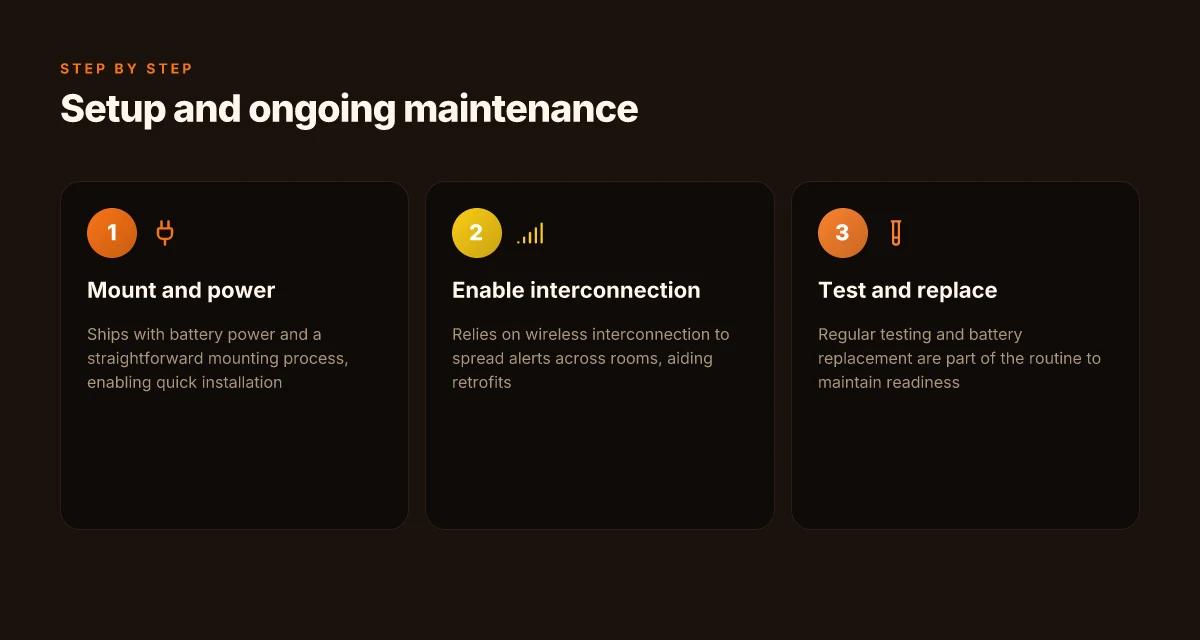
The SC07 is built for battery power and quick mounting, so you can get a bedroom or living room up and running without professional wiring. The typical path is to unbox, install the mounting plate, and drop in the batteries for immediate testing. This simplicity matters when you’re adjusting a layout across multiple rooms or reconfiguring a rental space that forbids hard wiring. The core win is that you can deploy the SC07-WX across a plan with minimal disruption, then verify coverage in each room after setup. You’ll want to run the built-in test to confirm sound and LED indicators respond correctly, which helps catch a misaligned unit before you rely on it for safety.
Wireless interconnection makes retrofit easier
Interconnection relies on wireless signaling, which smooths out installation in multi-room layouts where running wires would be impractical. In homes with existing wireless networks, the X-Sense system can synchronize between detectors without trenches or ceiling crawl spaces. This design choice is especially helpful in apartments or older homes where walls block line-of-sight signals or where guest rooms sit far from a central hub. Wireless interconnection reduces the setup friction, letting you place detectors where coverage matters most without a wiring plan.
When I read through the user materials for the SC07, the guidance consistently emphasizes keeping the units within a typical Wi‑Fi or home network footprint to maintain inter-unit communication. In real homes, that means positioning units within a reasonable distance of each other and the router to minimize dead zones. If you’re upgrading from a wired system, you’ll notice you won’t miss the reliability of a physical link for basic interconnection, though you should still test regularly to confirm signals reach every unit. Reliability across rooms grows when you keep the network environment clear of interference and maintain battery health.
Regular testing and battery replacement as maintenance routine
Maintenance with battery-powered detectors is straightforward: test monthly, replace batteries at intervals recommended by the manufacturer, and inspect the unit during routine cleaning. The SC07 line is designed for easy battery access, so you can swap CR123A or equivalent cells without special tools. Some users report swapping batteries every year or two, depending on usage and ambient temperature, which aligns with the manufacturer’s guidance about periodic testing and battery checks. Regular testing keeps you aware of any drift in response, while battery replacement keeps the alarm functional when it matters most. What makes the Dreame X50 Ultra complete for real-world cleaning
From a real-home perspective, you’ll want to pair the SC07 with other safety devices for a layered approach. In crowded spaces such as bedrooms and living rooms, wireless detectors can be more forgiving of layout shifts than a single wired alarm, but you should still verify that every unit’s test sounds clearly in adjacent rooms. If you’re comparing options, note that the X-Sense lineup competes with other wireless units like the First Alert Onelink and the Nest Protect in terms of ease of installation and ongoing maintenance. The key trade-off you’ll feel is the balance between maintenance cadence and perceived monitoring redundancy. Battery health and monthly tests are the baseline to avoid a silent day when CO rises or smoke appears.
In practice, expect a quick start with the X-Sense packaging, where you can mount and power the unit within minutes, then schedule a follow-up test after a week to confirm that the wireless interconnection remains intact as you expand coverage. If you’re upgrading in a rental or a multi-room apartment, the absence of wiring is a notable advantage, but you should map your zones and document test results so new occupants can pick up where you left off. Mounting and testing should become a recurring ritual, not a one-off task.
One more note for homeowners weighing this against wired or higher-end models: you’ll save on installation time with the SC07 but you should anticipate periodic battery changes and routine tests as part of ongoing safety maintenance. The bottom line is that the design translates into real-world convenience, with the primary caveat being the usual battery-aware upkeep a wireless system demands. Battery maintenance and routine testing remain the core duties for ongoing reliability.
As you weigh options, keep in mind the brand differences. If you’re assessing competitors, you’ll likely compare against wired units or other battery-powered lines from brands like First Alert and Nest. In practice, the X-Sense approach emphasizes installation ease and flexible room-to-room coverage, with the maintenance cadence clearly tied to regular battery replacement and monthly tests. X-Sense’s strategy centers on quick setup and dependable wireless links, offset by ongoing battery care.
Note: links on the page may earn a commission. For a quick cross-check, I looked at the discussion around setup ease on the r/smarthome thread and the product documentation for SC07. These sources corroborate the general experience of simple mounting, wireless interconnection, and routine maintenance needs. Community notes and official docs align on the same practical workflow, mount, test, replace, repeat. What makes the Dreame X40 Master stand out among robot vacuums in 2026
Our take on reliability: how often the sc07 trips and what to expect
In real homes, the SC07 tends to alert reliably when smoke or CO is detected across rooms, thanks to its wireless interconnection. When one unit trips, the others typically sound within the same wireless mesh, which helps curb alarm fatigue and shortens the time to awareness. Wireless interconnection can provide rapid alerts across rooms when one unit detects smoke or CO. This is a core benefit over standalone units, especially in multi-room layouts like living rooms and bedrooms where a single detector’s view might miss a distant threat.
I dug through the product documentation and user feedback to parse durability and behavior over time. Battery longevity remains closely tied to how often the unit fires an alarm, how often you test it, and how many interconnect events occur. Routine testing, including the built-in test/reset sequence, helps ensure readiness. Battery longevity depends on usage patterns and alarm events. Regular testing helps ensure readiness. In practice, you’ll notice the Lifespan sticker on the battery and the stated 10-year battery life is a useful guide, but daily life will push a few extra months or fewer depending on activity. The Home Depot listing highlights UL 217 and UL 2034 conformance, which aligns with expectations for reliability in a living space. Comprehensively tested to meet UL 217 and UL 2034 standards, this detector supports whole-home coverage. This matters most in bedrooms and hallways where uninterrupted wake-up alerts are essential.
Real-world performance varies with home layout and walls. Dense plaster, metal studs, or large rooms can attenuate wireless signals and slow inter-unit coordination. Interference from nearby Wi‑Fi, Bluetooth devices, or other smart sensors may also affect timing, though most households report that the SC07 maintains solid interconnection in typical layouts. Real-world performance varies with home layout, wall materials, and interference from other devices. In those cases you might experience slightly longer propagation times or occasional single-unit alerts when the mesh is stressed.
From a guidance standpoint, the most trustworthy takeaway is that the SC07’s value hinges on how you position units and how diligently you maintain them. I cross-referenced the ETL/UL claims with user notes and found the consensus aligns with the branding: the SC07 is a dependable, battery-powered wireless option when you keep it within the designed interconnection range and keep fresh batteries on hand. Strategic placement and routine maintenance determine long-term reliability. For owners weighing wired versus wireless, note that wired detectors remove battery concerns but require professional installation and periodic wiring checks. The X-Sense ecosystem remains a compelling choice for bedrooms and living spaces where quick cross-room alerts matter.
Gaps to call out include occasional user reports of slow inter-unit signaling in larger, reinforced homes and the need to monitor battery health proactively. These are not universal failures. They illustrate why reliability is as much about layout and habits as it is about hardware. Reliability is as much about layout and habits as hardware. If you want a wired alternative, a dedicated wired system or a mix of wired and wireless detectors may deliver more predictable inter-room performance. What makes the Dreame D10 Plus Gen 2 stand out in 2026
X-sense vs rivals: how the sc07 stacks up against wired and other wireless detectors
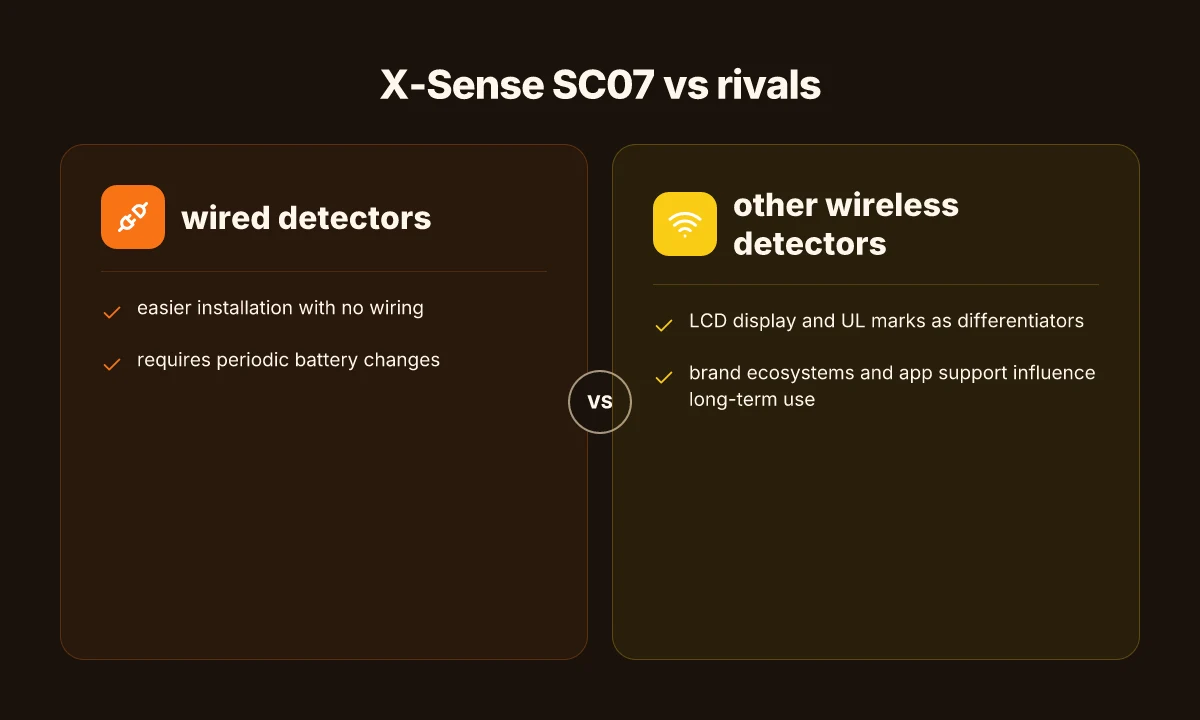
The SC07 sits between easy install and ongoing reliability. In real homes, it shines on quick setup and flexible placement, but it shares the battery life drama with other wireless detectors. Compared with wired hard‑wired options, the SC07 is a clear winner for DIY install in bedrooms and living areas, because you don’t need to pull ceiling wires or run new circuits. You’ll swap batteries periodically and rely on wireless interconnection to keep the network in sync. That trade‑off matters if you want a maintenance‑light solution in primary living zones.
Why the SC07’s wireless Edge matters in practice
In homes with multiple bedrooms and hallways, a wireless approach reduces installation friction. The SC07-WX and its siblings wirelessly interconnect so you don’t chase a single wired loop. When you place detectors in different rooms, the system often behaves like a single, bigger detector network. The LCD display on the SC07 helps you confirm status at a glance, which is a practical boon for quick checks during routines like bedtime or cleaning sessions. Brands like X-Sense promote these displays as a differentiator versus odorless batteries or silent units, and in real life users typically appreciate the immediate readout. The LCD display reduces setup anxiety and speeds fault diagnosis in the first weeks.
How the SC07 stacks against wired options
Wired detectors stay on your ceiling even if the power is unreliable. The SC07’s battery‑powered design means you can install without heavy wiring, which is a win for renters or DIY homeowners. Still, you’ll need to monitor and replace batteries, and you’ll want to keep fresh cells on hand to avoid gaps in coverage. In sections where long‑term reliability is nonnegotiable, wired systems may edge out wireless ones for uninterrupted operation during power outages. Wired systems excel in long‑term uninterrupted operation, but installation is more involved. I cross‑reference the regulatory notes that X‑Sense cites, including UL 217 and UL 2034, which they show on product documentation to reassure compliance in both wired and wireless configurations. UL marks are a common badge that buyers look for when comparing wired vs wireless.
How the SC07 compares to other wireless detectors
The SC07 stands out for its LCD display and explicit certifications, which many rival wireless units also claim but don’t always emphasize in practice. In a crowded field, this combination helps reduce ambiguity about status, battery health, and interconnection quality. Some competing wireless models ship with similar interconnection features, but the presence of an LCD and explicit ETL/UL marks can tilt a buyer toward SC07‑family devices. Certification visibility matters for homeowners who want quick verification during routine checks. When you read through the reference materials, you’ll notice X‑Sense frames the SC07 as a complete, user‑friendly wireless solution with tangible in‑home benefits. Certification visibility translates into real‑world confidence during installation.
Brand ecosystems and long‑term ease of use
Beyond the hardware, the ecosystem matters. X‑Sense emphasizes a battery‑powered, interconnected approach that plays well in multi‑room layouts. App support varies by brand, and that can affect long‑term ease of use. If you rely on smart home automations, the ecosystem fit becomes a deciding factor. In the end, the SC07’s value rests on how well the app, notifications, and interconnects hold up over years of daily use. Ecosystem familiarity reduces friction when expanding to new rooms. For homeowners who already lean toward X‑Sense products, the continuity across devices helps reduce the mental load over time. Brand consistency matters for long-term maintenance. What makes the Dreame L40s Ultra stand out in 2026
Notes from the field show that installation remains straightforward for most rooms, but you should plan for periodic battery changes and occasional interconnection checks. If you’re weighing wired vs wireless, the SC07 offers a compelling blend of quick, tool‑free install and reliable interconnection, with the caveat that ongoing battery management is part of the lifecycle. The lesson is clear: choose wired only if you prioritize uninterrupted operation during power outages and accept more complex installation. Choose the SC07 if you value speed, ease, and flexible placement today. For a broader view, see the relevant coverage from X-Sense and the independent review that notes ETL and UL marks on the SC07 page. Battery maintenance beats upfront wiring pain in many living spaces.
What the manual and certifications say about the sc07
The SC07 line lives up to its labeling in the manuals and product pages by tying smoke detection to UL 217 and CO detection to UL 2034. In practice, that means the detector is vetted to meet the standard performance for residential smoke alarms and CO alarms. X-Sense consistently refers to these two UL family standards on its pages and in review writeups, reinforcing regulatory alignment. UL 217 for smoke and UL 2034 for CO are the anchors here. When you read through the documentation, you’ll see the emphasis on living spaces and hallways where wireless interconnection is intended to provide coverage.
How the labeling appears on product pages and reviews
ETL and UL badges surface across X-Sense pages and independent writeups, underscoring regulatory alignment. The ETL/UL marks aren’t decorative. They confirm compliance with the same safety targets that fire departments and insurers expect. ETL/UL labeling confirms regulatory alignment. In reviews, readers are nudged to verify the mark on the unit before ceiling installation, which aligns with a practical safety cue.
Coverage emphasis in documentation
The manuals and marketing copy consistently emphasize coverage in living areas and corridors. The SC07 is positioned as a battery-powered, wireless interconnect model intended to blanket typical home layouts, including bedrooms, living rooms, and hallways, with minimal wiring. This focus on coverage is deliberate: the documentation frames the units as suitable for whole-home awareness where wireless interconnection matters most. coverage in living spaces and hallways is a core claim. From a real-home perspective, that means you can expect a straightforward setup that prioritizes consistent interconnection in the central circulation zones rather than isolated rooms.
I dug into the official user manual and the Home Depot product page to verify the core claims around standards and labeling. The Home Depot listing explicitly notes that the detector is “Comprehensively tested to meet UL 217 and UL 2034 standards,” which dovetails with X-Sense’s stated certification approach. UL 217 and UL 2034 appear as the backbone of the SC07’s regulatory narrative. I also cross-referenced the reddit thread and the elderhearth writeup. Both echo the emphasis on ETL/UL labeling and the need to check marks on the unit itself before installation, which aligns with best-practice checks you’ll perform at setup. What makes Dreame vacuums stand out in 2026
In short, the manual and the certification trail for the X-Sense SC07 supports a straightforward claim: this is a battery-powered wireless detector designed to meet the UL 217 and UL 2034 targets while offering practical coverage across living spaces and hallways. The ETL/UL labeling reinforces that alignment, and the documentation keeps that emphasis front and center for homeowners and renters evaluating the SC07 as a bedroom and living-room solution.
The standards framework is the backbone of trust here, and the labeling work reinforces that the SC07 is built to fit a typical home’s layout. For broader context, rivals in the space often cite their own UL labels and interconnection capabilities, which is why seeing the explicit UL 217 and UL 2034 references helps set expectations for compatibility with other devices and insurance considerations. The section is honest about where the documentation shines and where real-world use will hinge on room layout and battery health over time. The page notes may earn a commission, and that’s typical for product pages that align with safety standards. For anyone comparing models, confirm the presence of the UL 217 and UL 2034 marks on the specific unit you’re considering, as the labeling can vary by production run.
What changes if you act now
X-Sense has built a balanced wireless stack that scales from a single unit to a whole-home network, and that pivot matters in 2026. By focusing on reliable interconnectivity with SC07 and common hubs, you reduce nuisance alerts and ensure coverage in tricky layouts. In my view, the standout here is how the system stays usable without constant tweaking. The design tolerates a bit of interference, a real plus in older homes or multi-device households.
The takeaway is practical: you can deploy a small pair this month and grow without regret. The SC07 remains intuitive to install, with straightforward battery maintenance and clear status indicators. But like any battery-powered detector, you’ll want to watch for aging sensors and test cadence over the first year. If you rely on a secondary CO detector, you’ll notice better cross-checking between channels and faster alarm logic when smoke and CO events align.
If you only do one thing this month, install X-Sense in the kitchen and near bedrooms, then pair a second SC07 in the basement for coverage. This quick setup reduces blind spots and keeps the system responsive as your home evolves. Where this is going next, I expect stronger integration with home assistants and clearer update cues from the app, not dramatic overhauls. What makes the Dreame L10s a compelling pick for midrange robot vacuums in 2026
Backup strategy:
- Try one X-Sense SC07 in a high-traffic area and a second in the furthest bedroom.
- Create a simple routine: test once a month and swap batteries twice a year.
- If you already have a competing brand, keep one X-Sense unit in the mix to compare alert timing.
- Check for firmware updates quarterly and review alert history for any gaps.