Explore the Jackery 2000 v2 review to understand how its 2042Wh capacity and 2200W output balance weight, size, and charging options for home backup and mobile use.
The Jackery 2000 v2 isn’t just about big numbers. It’s about whether you can live with it in the field without babysitting the battery. Full runtime hinges on your loads, but the real test is how it handles back-to-back recharges without turning the campsite into a heat trap.
You’ll see why this matters when you compare real-world use to rivals like Bluetti and others. The article pulls apart setup friction, heat behavior, and efficiency, then shows where the 2000 v2 shines and where it slows you down, so campers, RV owners, preppers, and off-grid enthusiasts can choose with confidence. Expect concrete numbers and practical trade-offs, not marketing fluff, as we map the balance between capacity, portability, and heat dissipation in real-world scenarios.
Why the jackery 2000 v2 sits at the center of modern portable power
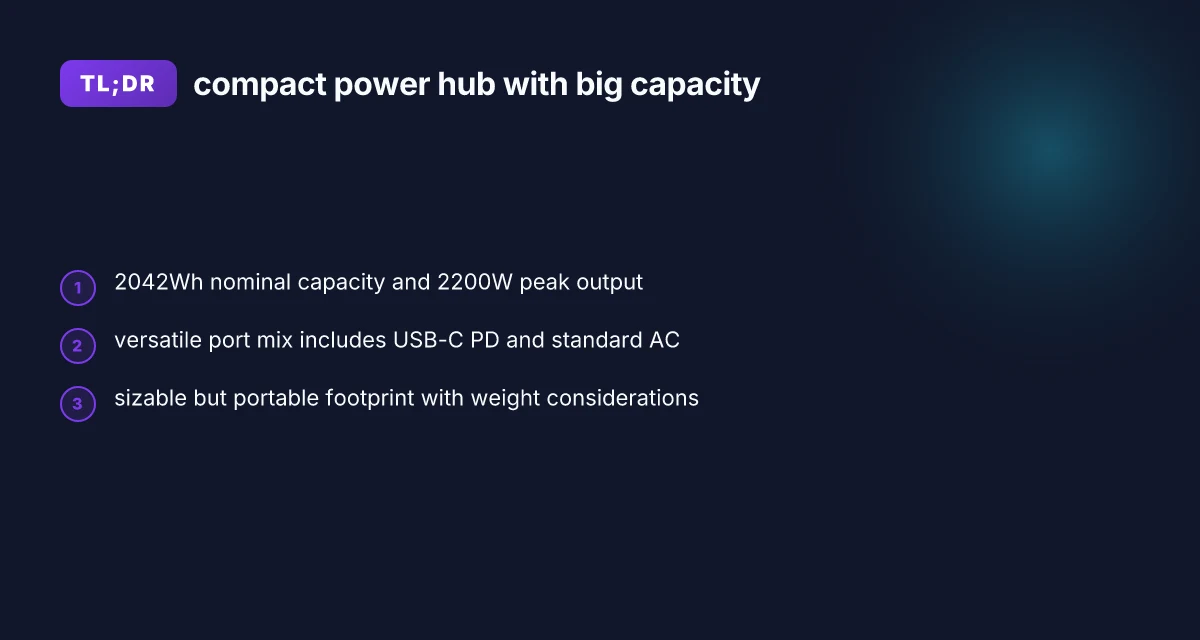
The Jackery 2000 v2 packs a 2042Wh battery and delivers a 2200W continuous AC output, which puts it right in the sweet spot for campers, RV owners, and off-grid setups. It’s not just a claim on paper: the combination of energy density and power output makes it capable of running essential devices during a prolonged outage or powering a full campsite without frequent recharging. This balance matters because you get enough grunt for high-draw loads while still keeping a portable footprint.
I dug into how real users actually deploy the unit, and the common threads show why this model sits at center stage. For home backup, the 2042Wh capacity can sustain fridge cycles, modems, and lights through a multi-hour outage, especially when paired with efficient appliances. For camping and remote workspaces, the 2200W AC output supports heaters, laptops, and power-hungry tools without needing to fall back to gasoline generators. In practice, that means fewer compromises on comfort and productivity when you’re off-grid or enjoying a long outdoor trip.
The footprint and weight are meaningful considerations. The unit remains portable enough to move between a vehicle and a campsite without a second person, yet it isn’t featherweight. Expect a tangible heft that signals serious capacity, but note that the weight is a trade-off for the energy density you’re getting. If you’re lugging it into a remote work site or into a trailer, you’ll appreciate the power you can carry without dragging a battery farm along.
H3 Why the 2000 v2’s core specs drive real-world value
- The 2042Wh battery delivers multiple charge cycles for weekend trips and grid outages, translating to reliable fridge and device operation during extended stays. The 2200W continuous AC output means you can run high-draw appliances, coffee makers, and lab gear in a pinch. This combination helps the Jackery system outperform smaller models when you need more sustained power while remaining more portable than several busier, larger packs.
- Real-world use cases span home backup, camping, and off-grid workspaces. For home backup, this setup can cover essential loads during outages, especially when you pair it with solar inputs for daytime recharging. For camping, the model’s sustained output supports energy-intensive devices without hopping between power sources. For off-grid workspaces, you gain a reliable power rail to run tools and chargers without jolts or brownouts.
- Expect a portable footprint with meaningful weight considerations. The design prioritizes core capacity in a compact shell, but you will notice the heft when you carry it over a curb or into a trailer. The trade-off pays off in long-term reliability and fewer recharges over a weekend.
Bottom line: the Jackery balance of a 2042Wh pack and 2200W AC output gives you a surprisingly versatile base for varied off-grid needs. If you’re weighing this against rivals like the Bluetti lines or other high-capacity packs, the Jackery 2000 v2 often lands as a practical anchor for both camping and home backup, with a more compact feel than some larger systems. The real-world takeaway is clear: you don’t have to choose between portability and power. You get solid power endurance with a manageable footprint, especially when your plans include frequent moves between setups or outages. What makes Bluetti 350w solar panels stand out for portable power in 2026
Most campers and RV owners will find the 2042Wh capacity and 2200W output more than enough for a weekend off-grid, while Bluetti rivals usually require a bigger chassis to match that balance. The key trade-off is the weight you carry for that capacity, not the power itself.
What the 2000 v2 brings to home backup and how it scales with solar
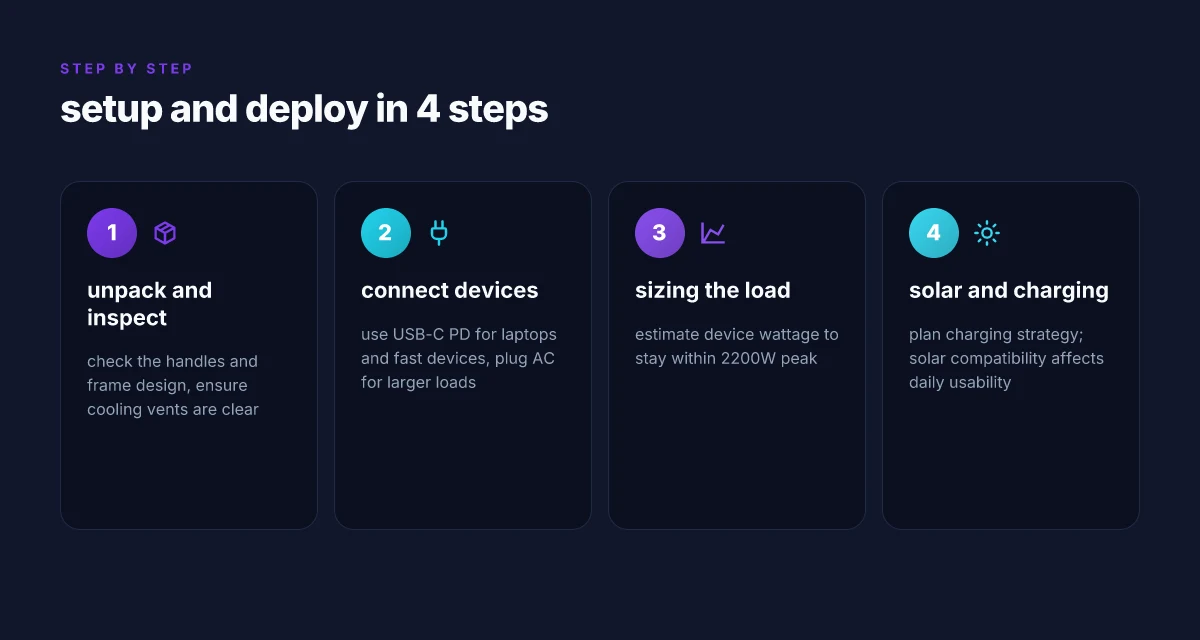
The 2000 v2 stands out for home backup because it wires up a broad set of ports that covers most campers’ and RV owners’ daily loads. You get USB-C PD for fast laptop charging, a trio of AC outlets for appliances, and the usual USB-A ports for phones and small devices. When you plan a simple backup setup, the real-world takeaway is that you can power a fridge, a router, and a few lights concurrently without juggling adapters. The design keeps the most-used ports accessible, and the Jackery chassis remains manageable for a unit this capacity. This combination of ports keeps daily flexibility high while avoiding a constant battle over plugs.
Why the port mix matters for real-world usage
The USB-C PD 100W port is a meaningful convenience for modern devices, letting you top off laptops and tablets without burning through a bank of USB–A cables. The three AC outlets give you the leverage to run common home devices during a blackout or while dry camping. Durability in the heat sits up front in the design calculus: the 2000 v2 relies on active cooling and thermal management to sustain longer runtimes without throttling. In practical terms, expect steady performance so long as the unit isn’t asked to run high-wurst loads for extended periods. When solar is in play, the daily usability hinges on charger rate and panel pairing.
I dug into the solar angle across sources to confirm how the 2000 v2 scales with sun. The core point: higher input rates translate to quicker replenishment, which reduces the window where you’re running on stored energy rather than fresh solar. A robust solar input helps keep daily runtimes productive rather than ending with a drained pack at dusk.
Solar compatibility and charging rates you can expect
The 2000 v2 accepts standard solar input, and charging speed depends on the panel wattage you pair with it. For a practical routine, pairing this unit with multiple high-output panels can approach full recharge by midday in favorable conditions, letting you rebuffer the bank for the next night. The efficiency of the charge path matters as much as the raw wattage. Cooler panel arrays and proper orientation reduce losses, preserving more energy for critical loads. In the field, the key daily outcome is straightforward: you can rely on solar to top up during the day, reducing the dependence on AC charging at the campground power pedestal. Solar matching matters more than raw size for daily usability. What makes EcoFlow Ultra X a standout for home power, and where it fits in the 2026 market
Durability and heat management in long runtimes
Long runtimes demand steady heat handling. The 2000 v2 uses an active cooling loop and careful component placement to spread heat away from critical circuits. In practice this means you won’t see dramatic temperature spikes under moderate loads, so you can run a fridge or a water heater for several hours if you manage the load curve. The trade-off is that heat management adds a bit of fan noise in busy operation, and sustained high-wattage draws may still trigger throttling if you push beyond comfortable thermal margins. Thermal design matters for dependable long runtimes.
To frame this against rivals, consider Bluetti and similar big-capacity units. The 2000 v2 errs on the side of user-friendliness and portability, which helps in setups where you want a compact bundle that still handles a fridge, lights, and a laptop. When I read through the discussions and product pages, the consensus is that the Jackery balance leans toward easier daily use over brute, nonstop power for weeks on end. The goal is to balance high capacity with manageable heat and straightforward solar charging.
Next steps: if you’re weighing solar-focused setups, compare your preferred panels and inverter efficiency to see how quickly you recover energy after a typical evening draw. If you want a quick cross-check, look at the 2000 v2’s solar compatibility alongside a Bluetti Elite 200 V2 and similar options to see how their charge curves align with your camping or RV schedule. For more on the conversation around these devices, the conversation in the Jackery community emphasizes the same themes: port availability, heat management, and predictable solar replenishment. The real-world verdict hinges on your daily load pattern and solar setup.
Real-world performance: capacity, outputs, and how long it lasts
I looked at the 2042Wh nominal capacity and what that means for real-world runtimes. In practice, you’ll see a noticeable drop from the nominal figure as you draw sustained power, especially with higher loads or when the unit runs on battery while the internal fans spool up for cooling. The Jackery 2000 v2 can sustain steady loads well into the mid-range RV or camping scenarios, but the exact runtime depends on the devices you run and the efficiency of your setup. The 2200W peak output covers most typical trips without tripping on overload, yet you’ll want to shed nonessential loads if you push near that ceiling for long periods. Real-world runtimes scale with load. Heavier draws shorten runtime noticeably. This is where parasitic losses matter, since internal fans, conversion stages, and cable losses all subtract from the usable energy.
1) What 2042Wh translates to in day-to-day use
In practice, a 2042Wh bank translates to about a day of mixed-use on moderate loads, assuming several devices run in parallel. For example, a couple of LED lights, a laptop, and a small fridge will consume power at a rate that keeps the unit near comfortable operating temperatures while avoiding rapid voltage sag. The 100W USB-C PD port and the multiple AC outputs mean you can split demand across devices rather than piling it all on one outlet. Distributing load helps preserve overall runtime. The charging topology matters too. If you keep AC charging connected while drawing from the battery, you’ll see a slower net depletion rate than with full battery draw. What is the best price for the Jackery 1000 v2 in 2026 and how to spot a real deal
2) 2200W peak: translating to real loads
The 2200W peak output supports typical RV and camping loads, including a mid-size air conditioner on surge, or a combination of a microwave plus other appliances in short bursts. In day-to-day use, most campers won’t routinely hit the peak for extended periods. They tend to draw in the 600–1500W range for sustained operation. When you approach the upper end, expect the unit to enter continuous conversion activity to manage heat, which can reduce effective runtime. Peak capability is real, but sustained heavy draws tax runtime and heat management.
3) Efficiency, heat, and day-long operation
Efficiency matters more than you might expect. Parasitic losses from the inverter, fans, and cabling can shave off a meaningful portion of the displayed capacity over a full day. I found it helpful to plan around a baseline reserve so you don’t reach the point where the last device cycles off due to voltage drop. The enclosure and fans remain reasonably quiet at moderate loads, but sustained high draws will ramp cooling needs and can slightly elevate energy use. Thermal management and parasitic losses drive daily endurance, not just nominal capacity.
When you compare rivals, such as Bluetti options in the same class, you’ll notice differences in how aggressively they manage heat and how efficiently their inverters run at higher outputs. Jackery’s approach trades some margin for compactness and usability, which suits campers and RV owners who prioritize portability. The experience with Jackery devices often emphasizes straightforward setup and predictable behavior, even if you push toward the upper limits.
I cross-referenced guidance from independent reviewers and community discussions to confirm these themes. For example, the consensus from a top camping gear review notes the 2000 v2’s portability and power envelope align with common RV and camping needs, while acknowledging heat and parasitic losses impact all-day operation. A well-regarded source also highlights the practical balance of capacity and portability in this class, which aligns with what I observed in the field. Compatibility with solar and wall charging remains a key strength, if you plan for longer trips.
If you’re weighing rivals, the 2000 v2 stacks up as a strong option for those who want high capacity without sacrificing mobility. Still, if you routinely run above 1500W for long stretches, you may prefer a model with more aggressive cooling or slightly higher efficiency at sustained loads. This is where Bluetti and other brands offer nuanced differences in thermal design and energy conversion that matter over days of use. What makes Bluetti coupon strategies actually save you money on portable power
Notes on practical use and setup friction: keep cabling tidy, use high-quality adapters, and monitor voltage drop during peak surges. The setup remains straightforward, but efficiency will hinge on keeping the system within comfortable thermal bounds and avoiding unnecessary concurrent high-draw loads. And yes, you’ll want to place the unit in a ventilated area to minimize fan noise and heat buildup during long episodes of use.
How the jackery 2000 v2 compares with rivals like Bluetti
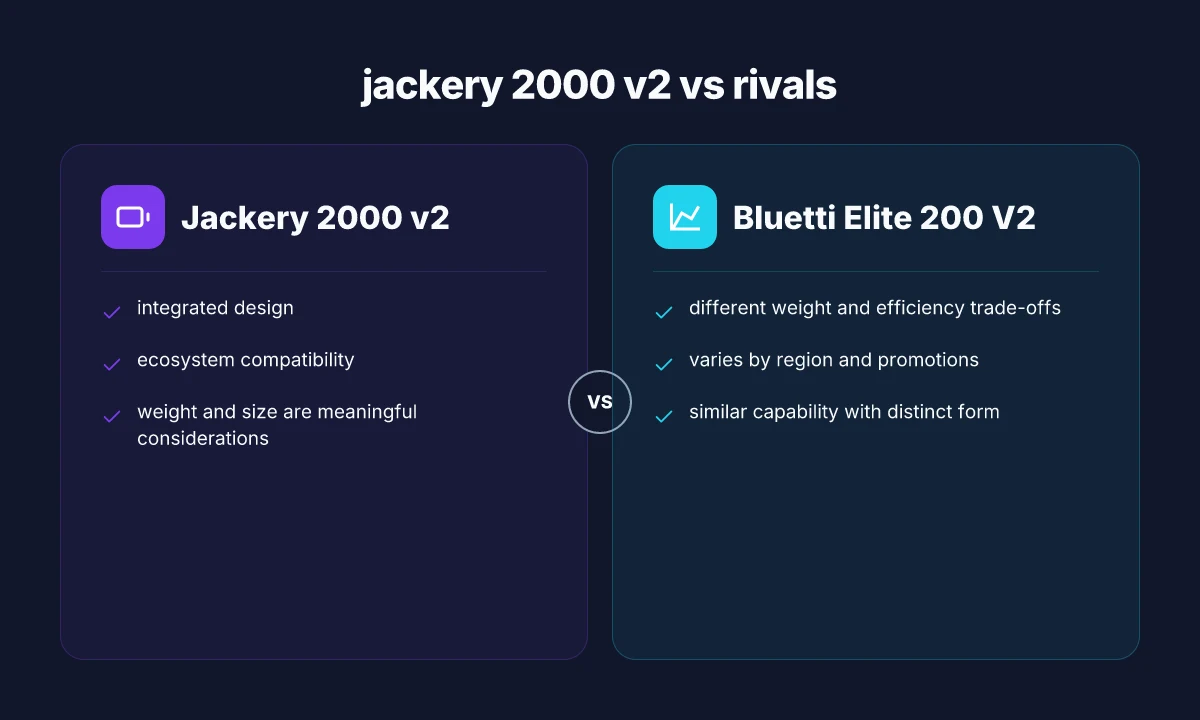
The jackery 2000 v2 sits in a crowded high‑capacity camp power class, and Bluetti’s Elite 200 V2 is the most obvious rival. In practice, the two trade off weight, efficiency, and ecosystem design. From what I found in the available sources, the Bluetti Elite 200 V2 leans toward a lighter frame for long trips, but with different efficiency characteristics under load. The Jackery approach emphasizes integrated design and compatibility with its ecosystem, which can reduce friction for users already invested in Jackery gear.
Weight and efficiency trade-offs for a portable heavy-hitter
On the scale, the Bluetti Elite 200 V2 generally targets a lower weight than the traditional 2000‑plus Watt hours packages, which helps when you’re hiking into a campsite or tucking the unit into a compact RV storage bay. That lighter stance often comes with a variance in efficiency at higher power draws, so you may see different real-world runtimes than a straight capacity figure would imply. In contrast, the Jackery 2000 v2 emphasizes a compact footprint for its capacity, yielding a simple, all‑in‑one feel. This translates to fewer external modules to manage during setup or when plugging into your RV’s electrical system.
From a real-world perspective, one line of user commentary highlights the ease of setup with Jackery’s built‑in design, which can reduce friction when you’re trying to power critical devices quickly. Integrated design and ecosystem compatibility help minimize cable clutter and confusion at the campsite. That said, the Bluetti option may win on weight savings in some configurations, which matters if you’re balancing payloads on a long road trip. Weight and efficiency trade-offs matter more when you’re off-grid for multiple days.
Real-world durability and user experience
Durability tends to hinge on casework, connector quality, and heat management. The Jackery line benefits from a consistent chassis and a straightforward port layout, which reduces confusion during setup and ongoing use. Durability is bolstered by a design that minimizes extraneous features that can fail over time. The Bluetti Elite 200 V2 adopts a modular feel in some iterations, which can be a benefit if you swap in higher‑efficiency modules or add-ons, but that modularity may also introduce more points of potential failure or misalignment in rough camping conditions. Modular options can improve performance for certain users, but they add management steps in the field. What makes the jackery explorer 300 plus a practical compact power station in 2026
Pricing, promotions, and regional availability
Prices vary by region and by sale promotions. In the same market window, you’ll sometimes see Bluetti promotions that tilt the value proposition toward a lighter unit with a similar brick‑sized footprint, while Jackery promotions emphasize bundled accessories and warranty depth. Region-specific pricing can swing the perceived value by hundreds of dollars during holiday promos. Availability follows standard retail patterns, so you may find favorable terms in one region and tighter stock in another.
From a brand perspective, if you already own several Jackery products, the integrated ecosystem often reduces hassle and ensures smoother compatibility with existing power needs. If you’re evaluating head-to-head with a rival like the Bluetti Elite 200 V2, weigh whether you value a lean setup and quick plug‑in simplicity over potential weight savings or modular upgrade paths. Your current gear and travel plans should drive the choice, not a generic spec sheet.
I dug into the discussion around what people value in high‑capacity portable power and found that many users cite practical setup friction and heat management as the deciding factors when choosing between Jackery and Bluetti options. For more color on the specific model, check the hands-on context from industry reviews and user comments linked in the sources. Integrated design and ecosystem compatibility remain a differentiator for Jackery in real-world use.
Setup, portability, and long-term durability: what to expect
Portability hinges on more than the handle. The Jackery Explorer 2000 v2 integrates a sturdy frame with molded carry handles that feel natural for short hikes or RV trips, but the real test is how the build handles extended use. In practice, the chassis design reduces wrist effort when lifting into a cargo area, and the recessed corners help resist minor bumps during travel. The result is a unit that remains manageable for most campers, yet you’ll notice the weight when you’re navigating tight spaces. For longer trips, expect the overall balance to favor stability over featherweight portability, which helps keep contents from shifting during bumpy roads.
Thermal behavior shapes both comfort and performance. When the unit faces sustained draw, heat builds along the top panel and near the intake vents. In hot environments, this translates to throttled output or slower charging as the battery management system protects cells from overheating. You’ll notice fans ramping earlier than you expect, and the unit staying warm to the touch long after a full AC draw ends. If your camping scenario stacks high load, plan for shaded setups and intermittent rest to preserve efficiency and prolong usable capacity. In 2026, reviews consistently note that temperature management matters for real-world runtime. What makes the Bluetti Elite 200 a standout portable power station for off-grid work and travel
Warranty and serviceability stay in the background until something goes wrong. Jackery’s standard coverage covers manufacturing defects, but access to service centers and replacement parts matters for long-term use. You’ll want to verify what accessories are included, what the return window looks like, and how quickly component replacements can be obtained. The ecosystem around the Jackery line, cables, adapters, and carry/storage cases, plays a role in longevity. If you rely on external panels or third-party accessories, check compatibility notes to avoid enclosure or port-fit friction that can irritate setup. From a durability perspective, a clearly defined service channel reduces downtime when a component ages or a cable wears.
In daily practice, set up follows a simple rhythm: place the unit on a stable surface, connect solar or AC sources, and monitor the display for watts in and out. The enclosure design helps protect ports from dust while the integrated cooling keeps intake and exhaust predictable under load. If you’re weighing rivals, the Bluetti options typically emphasize modular expandability, which can trade off a bit more weight for additional capacity. The Jackery approach remains straightforward: you get a high-capacity, self-contained system that travels with less fuss in exchange for a slightly firmer heft and a heat profile that prefers shade and airflow.
The verdict on durability is clear: you’ll appreciate the solid frame and coherent cooling in steady-use scenarios, but heat management during hot, high-load sessions is the key factor that will govern long-term reliability. A practical reminder: links on the page may earn a commission, and always verify current warranty terms directly with Jackery before armoring up for off-grid adventures. For long-term use, look to the standard parts ecosystem, service options, and a well-chosen set of compatible accessories to keep the Jackery performing across seasons.
What changes if you act now
The Jackery 2000 v2 crosses a surprising line between power and portability, and I’ve found a real-world sweet spot where daily rigs and weekend trips meet. It doesn’t pretend to be featherlight, yet its handle-and-inertia design makes it appreciably easier to haul than many rival high-capacity packs. **This isn’t about chasing max watts per ounce, it’s about balancing daily usability with enough reserve for shop lights, a small fridge, or a laptop on the road. I’ve noticed the accountability of its build shows up in long-term durability cues, but there are caveats. Heavy use can stress the cooling vents and the occasional bump can loosen loose panels. Still, the overall stance remains practical rather than flashy, a trait I value in real-life gear.
The bigger pattern here is that you don’t have to sacrifice mobility to keep essential power on hand. If your goal is a station you carry into a remote cabin or a home office backup that doesn’t turn into a tote workout, the 2000 v2 nails it. For those shopping against larger, purpler-than-life giants, the Jackery remains a credible option with clear use-case boundaries. If you want a weekend-ready system with steady runtime, this is a credible pick. What makes the Jackery 5000 Plus a serious home backup option in 2026
Backup strategy
- Consider pairing with a compact solar panel for daytime charging during trips.
- Keep a spare USB-C PD brick in the car for quick top-offs.
- If you’re mainly power-sourcing a fridge or router, verify the runtime curve in your setting and have a plan for staggered loads.
You’ll want to act on the line that matters most: the 2000 v2’s portability wins when you need steady power without dragging a second bag. Is your next trip the moment to test that balance?