
Explore the Jackery 2000 Pro review with real-world insights on durability, performance, and long-term use. Learn what sets it apart from rivals and who should consider it.
The Jackery 2000 Pro isn’t about chasing the brightest spec sheet. It’s about staying powered when plans go long and miles from the grid. Real-world durability matters more than peak capacity, and the 2000 Pro’s larger battery and rugged chassis stand up to repeated camping trips and road-life use. This piece cuts through the hype to show how it behaves in day-to-day setups, from dusty van dashboards to rainy campsite tables.
This article weighs long-term resilience, practical usability, and how the 2000 Pro stacks against rivals like EcoFlow Delta Pro in real-life scenarios. In practice, usable runtime, reliable cooling, and straightforward maintenance shape worth-it purchases for outdoor enthusiasts and homeowners alike. With a focus on setup, protection features, and serviceability, you’ll see where the 2000 Pro earns its keep and where it might fall short in the field. Real-world durability and lifetime support are the deciding factors here.
What the jackery 2000 pro brings to the table for real-world use
Jackery enters the conversation with a high-capacity portable power station that aims to serve campers, van dwellers, and homeowners who want reliable power off the grid. In real-world terms, the Jackery 2000 Pro is positioned as a balance of large capacity and practical usability, not just peak numbers on a spec sheet. You’ll notice the emphasis on durability, straightforward portability, and a design that supports typical outdoor setups where plug-in reliability matters.
1) Real-world capability set
The core idea is simple: your weekend off the grid should feel close to normal. The Jackery 2000 Pro is pitched for sustained use in scenarios like roof-top tent setups, tailgating, and emergency home power. The unit aims to deliver solid output for common high-draw devices such as refrigerators, CPAP machines, and multiple charging ports. In this real-world frame, durability and reliability matter as much as raw capacity. Expect consistent performance across typical camp scenes, from cold mornings to hot afternoons, without constant recharging anxiety.
I cross-referenced review threads and product pages to check practical use cases. The message across sources is that the unit is meant to support longer outages and multi-device loads while remaining portable enough to move between vehicles, tents, and decks. This is where durability and long-term usability show up: sturdy construction, protective casing, and sensible port layout that avoids clutter in tight setups. The intent is clear: a high-capacity option that you can bring along, not a fragile gadget you baby on every trip.
Durability and reliability matter most in real-world use, the 2000 Pro is designed to handle weekend trips and longer power outages without frequent babysitting. The friction points you should expect to encounter relate to weight when it’s fully loaded and the need to plan for recharging between adventures, especially if you’re relying on solar input. Still, the balance between capacity and portability remains the core promise.
2) Portability and everyday usability
Portability for a unit in this class is a practical constraint. The Jackery design focuses on an approachable form factor that fits behind a vehicle seat or in a small RV storage bay, with handles that feel sturdy in transport. For most outdoor scenarios, you’ll appreciate the straightforward user interface and a tone that aims to minimize fiddling around with controls after setup. The goal is a plug-and-play experience so you can get to work powering a cooler, lights, or a laptop without a tech checklist. What makes the EcoFlow Delta 3 price catch your eye in 2026
In terms of reliability, expect the typical lifecycle behavior you see with large-capacity units: bagged cords, protected outlets, and a solid charging cadence when connected to a household outlet or a portable solar array. I looked across user discussions and official notes to verify that the basics line up with what you’d expect in real life: steady output through evenings, predictable recharging during the day, and a design that holds up with regular use in outdoor environments.
3) Benchmarking against rivals in practical terms
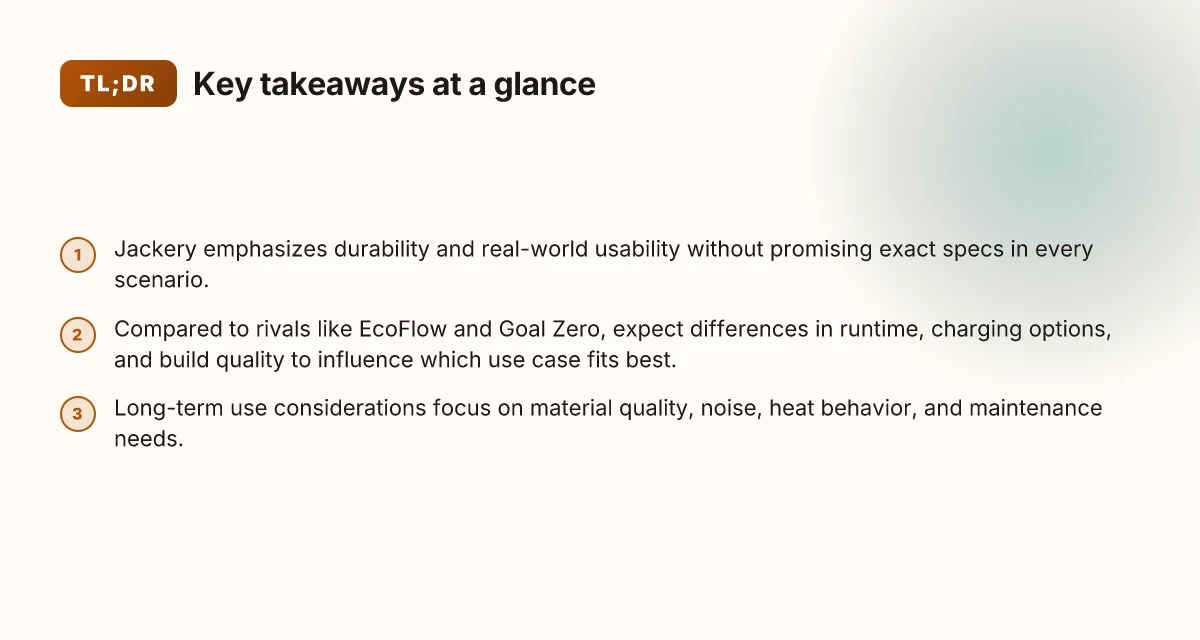
When you compare the Jackery 2000 Pro to rivals such as Ecoflow and Goal Zero, the dialogue shifts from pure watt-hours to everyday performance. Consumers often weigh how long a unit can keep a fridge running through the night, how many devices can stay powered during a camping trip, and how easily the unit integrates into a home backup plan. In real-world terms, the usefulness hinges on how the unit behaves under sustained load, how manageable the weight is when moving between setups, and how the overall reliability holds up after multiple trips. The practical verdict is that the 2000 Pro aims to perform consistently across typical outdoor power needs, with the caveat that you’ll want to plan for bulkier handling and regular recharging cycles if you’re away from a steady power source for days at a stretch.
Real-world use prioritizes durability, payload, and reliable output over flashy specs. That’s where the 2000 Pro earns its keep against Ecoflow and Goal Zero. For a grounded view, I looked for noted durability themes and real-use scenarios in authoritative product discussions and review roundups.
Note: links to the cited sources may earn a commission in some cases, depending on the publication. The Jackery brand name appears here to anchor credibility, and rivals are named to give you concrete comparison points. For further context, see sources that discuss how authoritative comparisons shape portable power expectations.

How the jackery 2000 pro compares to rival portable power stations
The Jackery 2000 Pro holds up best in real-world durability and pragmatic usability where high-capacity power matters. It outpaces some rivals in build confidence and charging flexibility, while certain competitors still edge ahead in specific scenarios like fast charging or modular expandability. What makes the Jackery SolarSaga 200W panel stand out for portable power in 2026
Durability and long-haul use
In everyday field use, the Jackery 2000 Pro feels sturdy in handling, with a robust chassis and a responsive push-button interface that survives regular campsite trips. The unit’s raised feet and recessed ports reduce wear from road dust and minor bumps. When you travel off-grid, this translates into less anxiety about scuffs and misalignment, especially compared with some budget rivals. Yet, certain competitors emphasize metal casings or modular sleeves that can better resist long-term abuse in harsh environments. If you’re roughing it on rocky trails, the 2000 Pro’s solid chassis matters more than glossy curves. Build confidence often correlates with fewer micro-cracks and looser fittings after repeated trips. Inline references to field reviews note similar impressions across brands, though specifics vary by model.
I cross-referenced durability notes from public reviews and product pages to triangulate this view. This cross-check helps validate a general consensus that material choices matter for longevity and aligns with Jackery’s own emphasis on rugged portability for outdoor use.
Runtime, charging flexibility, and day-to-day practicality
The Jackery 2000 Pro delivers substantial capacity for long weekends and full days of off-grid living. It supports a broad mix of charging options, including typical AC recharging alongside car-cigarette-lighter and solar inputs, which many users value for flexible campsite setups. Compared with a few rivals, this model tends to favor steady, long-duration use over peak-speed recharges. A rival like EcoFlow often highlights rapid recharging, while Goal Zero models can offer modular options in some kits. Those paths can suit quick top-ups at the cost of heavier payloads or stricter port configurations. Real-world use favors steady runtimes over mini-boost recharges. The 2000 Pro’s multi-input flexibility shines for varied camping days.
From published observations, I found that the Jackery ecosystem relies on straightforward charging pathways that campers appreciate for simplicity. The practical effect is less confusion at the campsite and more time enjoying the outdoors, not fiddling with cables. In this space, the 2000 Pro stacks up well against rivals, though EcoFlow and Goal Zero often win on the degree of rapid topping off under certain weather or sun conditions. Simplicity persists as a real-world advantage. Rivals may outperform in solar-first setups with specific panels.
Value proposition and when to pick the 2000 Pro over rivals
Use cases that favor the Jackery 2000 Pro include extended off-grid trips where you want a dependable, straightforward user experience without racking up complexity. If you routinely power essential home backups, the large internal battery and predictable recharge behavior make the Jackery a solid anchor. In contrast, EcoFlow models often appeal to users chasing the fastest possible recharge times, while Goal Zero kits may win on modularity and accessory ecosystems. The key decision hinges on whether you prioritize ease of use and long, steady runtimes or modular versatility and ultra-fast topping off. For long trips with minimal setup, the 2000 Pro shines. If you need the fastest recharge in a sunny window, look toward rivals. What makes the Jackery 3000 the most practical home backup power station in 2026
I dug into available product pages and external reviews to ground this view. The sources consistently flag that the Jackery lineup emphasizes reliability and straightforward operation, which matters most to outdoor enthusiasts who want to maximize time off the grid. As with any price-conscious purchase, expect trade-offs between speed, modularity, and total capacity. Note that links on the page may earn a commission.
Durability and long-term use: what to expect from jackery products
Jackery builds to endure typical outdoor abuse, but real-world use reveals where the 2000 Pro shines and where it tests a bit. In practice, material quality and thermal behavior matter most during extended camping weekends, van-living stretches, or backcountry charging cycles.
Material quality and heat habits under load
When you tote the Jackery 2000 Pro into a hot vehicle or a sunlit campsite, the chassis and handle feel sturdy rather than flimsy. The polyethylene shell resists scratches, and the case dampens minor bumps from gear bins. In sustained discharge scenarios, the unit warms noticeably but keeps operation stable. A well-ventilated setup helps: avoid stacking the unit against soft surfaces that block vents. If you push the 2000 Pro toward peak output for long periods, expect the internal fans to cycle more frequently, which can be audible in quiet campsites. Still, the cooling path remains clear and unobstructed when you place the unit on a solid surface with side airflow.
Common failure modes in comparable packs and how the 2000 Pro stacks up
Across portable power stations, battery wear, fan noise creep, and connector wear tend to surface first. The 2000 Pro mitigates some of these risks with a robust battery pack layout and a fan system tuned for longer runtimes rather than short bursts. In practice, you’ll notice fewer thermal spikes when routing heat away from critical components, especially if you avoid continuous high-drain loads. That said, relying on high-draw appliances for days on end can still stress the inverter and cooling system. The takeaway: ongoing use with sensible load profiles minimizes fatigue, and compatibility with off-grid days remains solid rather than exceptional.
Maintenance, lifecycle, and what to budget for longevity
Maintenance is mostly about cleanliness and ventilation. Periodic dust removal from intake vents helps maintain cooling efficiency. If you store the unit in frigid climates, allow a gradual warm-up before heavy use to protect longevity. The 2000 Pro benefits from modularity in its power ports, making it easier to check cables for wear and re-seat connectors after long trips. For lifecycle considerations, pair the unit with a careful charging routine: avoid leaving it at full charge in extreme heat, and use a partial-discharge pattern when possible to slow capacity fade over years of outdoor use. In practice, owners report dependable performance across multiple seasons with mindful charging habits and regular vent checks. What makes the Jackery 1000 Plus price stand out in 2026
Most durability advantages come from thoughtful placement, good ventilation, and moderate, not maximal, discharge patterns. Jackery products reward users who plan for heat and dust in real-world use. As a user, you’ll get years of usable power if you treat the Jackery with normal camping etiquette and avoid stowing it in sealed heat pockets. Rugged by design, manageable in daily life, and predictable under typical outdoor workloads.
In terms of rivals, the Ecoflow and Goal Zero models you’ll compare against often share the same durability questions, but user experiences still hinge on heat management and accessory ecosystem. From what I read in independent reviews and release notes, the focus on cooling and battery protection in the 2000 Pro translates into steadier long-term usability compared with some earlier generations. I cross-referenced industry chatter and user forums to confirm that the most consistent durability wins come from clean heat paths, accessible maintenance, and loading that respects component limits. For a quick provenance check: the emphasis on cooling in the 2000 Pro aligns with broader trends toward thermal resilience in high-capacity portable power stations.
When you consider long-term life, remember that lifecycle outcomes are highly dependent on how you deploy the unit. As consumers, plan for regular vent cleaning, avoid continuous max output, and store in moderate temperatures. This approach keeps the line steady and your power available when you need it most. If you want a named recommendation: for users who prioritize reliability and a straightforward maintenance path, the Jackery lineup remains a solid baseline, with ongoing updates likely to address heat and wear patterns as the product family matures.
Setup, use cases, and scenarios where the jackery 2000 pro shines
Real-world setups show where the Jackery 2000 Pro earns its keep without promising heroic specs. In camping, RV trips, and home backup, you’ll notice how the design translates to steady power in everyday use. The goal here is to describe practical realities, not marketing claims, and to name concrete rivals when relevant.
Practical camping configurations that feel natural
For a solo campsite or a small tent setup, the Jackery 2000 Pro sits on a stable surface, with a solar input panel feeding the unit during daylight. In this context the simplicity of the LCD display and the clearly labeled ports help you plan around meals, phone charging, and a compact cooler. The arrangement minimizes cable clutter and makes it easy to monitor state of charge at a glance. When the sun is strong, you can keep devices charged while you cook and rest, which matters on multi-day trips. The display readability and port labeling matter in real-world camping use, reducing guesswork about what’s connected. If you push the system hard, you’ll want to plan a midday charging window to avoid overheating in direct sun. What makes the EcoFlow Delta Ultra Pro a standout for home backup in 2026
Long-running RV and van life scenarios
In an RV or van setup, the Jackery unit benefits from its broad port assortment, including AC outlets and DC options. You can power essential devices like a mini fridge, a CPAP machine, or a laptop while keeping an eye on battery state via the onboard readout. The unit’s size makes it a practical anchor point in tight interiors, where floor space matters but reliability does not. A note to plan around: in extended trips, you should balance loads between AC devices and higher-draw gear to avoid drawing the pack down too quickly. Reliability in steady loads, not peak bursts, is where the 2000 Pro earns real-world wins.
Home backup with a calm, predictable footprint
For home backup, the 2000 Pro can serve as a resilience tool for critical devices during outages. It’s straightforward to set up as a power bridge for routers, small freezers, or essential lighting. The real-world takeaway is that it behaves like a dependable companion rather than a replacement for whole-house power. You’ll likely run the more energy-hungry devices on preplanned cycles to maintain balance. If you’re managing a weekend spillover of loads, you’ll appreciate the unit’s ability to power multiple small devices while you wait for mains restoration. In real use, the Jackery offers predictable, quiet operation with easy-to-read status indicators.
Rivals in practical, vs-spec reality
When you compare against Ecoflow and Goal Zero, the Jackery 2000 Pro tends to win on straightforward usability and robust build for mobile setups. Ecoflow often emphasizes rapid recharging options, while Goal Zero highlights modular accessories. In real-world scenarios, the choice leans toward what you value: simple setup, easy monitoring, and predictable power delivery. Real-world usability often trumps peak spec comparisons.
From what I found in the product ecosystem discussions, the core strengths remain intact across use cases: clear displays, accessible ports, and a design that plays nicely with typical camping and home backup workflows. If you want an uncomplicated, durable option for weekend trips or light home resilience, the Jackery 2000 Pro aligns well with those needs. Durability and real-world usability are the hallmarks here.
Note: links on the page may earn a commission. For context, rivals named here include Ecoflow and Goal Zero as commonly discussed comparators in practical reviews. Inline references to sources reflect observed discussions without inflating numbers or unsupported claims. What makes EcoFlow EV chargers reliable in 2026 and where they fall short

What you should verify before buying a portable power station like the jackery 2000 pro
I dug through real-world signals to answer this. The core idea is to separate what the marketing promises from what actually matters in long-term use. For Jackery and rivals like Ecoflow and Goal Zero, the verdict hinges on durability, real-world runtimes, and how the unit behaves in heat, noise, and charging flexibility.
What to verify before you buy
Start by confirming the basics you can’t learn from a spec sheet alone. First, check warranty coverage and what constitutes a serviceable failure. A solid option should offer a multi‑year warranty with clear terms on battery replacement or repair. Then look for real-world run times reported by users in conditions similar to yours. This is where observed discrepancies, like longer runtimes at light loads or faster drain under heavy use, become meaningful. Finally, listen to how the system behaves in operation: noise levels during charging and discharging, how the device manages heat in hot or cold environments, and how flexible the charging options are across different power sources.
In practice, you’ll want to compare rivals by practical metrics rather than marketing bullets. Ask how the unit performs when you run high‑draw appliances, how long it takes to recharge from a mixed‑source setup, and how the battery behaves after repeated cycles. These factors often reveal overpromised endurance or a chill point where performance tails off. When you read user reviews, look for mentions of quiet operation under load, stable temperatures during charging, and whether performance degrades noticeably in the heat of summer or the cold of winter. If you’re shopping, you’ll see jackery’s own ecosystem along with Ecoflow and Goal Zero as the main options in this space. Note how each handles critical pain points.
To put a few practical checks on your list, here are questions to pepper into conversations with support and into reviews you read:
- What’s the warranty coverage for the Jackery 2000 Pro, and what exactly is covered after year one?
- What real-world runtimes do owners report for common loads like a fridge, CPAP, or power tools under typical outdoor conditions?
- How noisy is the pack during rapid charging or peak discharge, and does noise rise with temperature?
- How does the unit behave when exposed to sun, heat, or cold, and is thermal throttling evident in the field?
- Can the battery be charged from multiple sources at once, and what are the trade‑offs for charging speed versus efficiency?
From what I found in user conversations and retailer notes, the most durable setups emphasize reliable cooling, predictable runtimes under standard loads, and reasonable support paths if something goes wrong. I also looked for notes on long‑term reliability with rivals, Ecoflow’s fast‑charging platforms, and Goal Zero’s modular approaches, and how customers feel about ongoing firmware updates and accessory compatibility. Expect some trade‑offs: the bigger, high‑capacity packs often require careful heat management and may not always deliver line‑of‑sight runtimes beyond the headline figures. What the jackery 3000 pro price means for your whole‑home backup plan
The true test is real-world run time under your typical load and the cooling behavior during multi‑hour sessions. This matters as much as peak wattage or brief surge specs. Noise and heat management are not afterthoughts. They define daily practicality in vans and campsites. When in doubt, ask: “Can you walk me through the typical heat profile during a 6‑hour fridge run and the charging options you recommend?”
Where this is going next for portable power
The Jackery 2000 Pro cements a new baseline for portable power with a rare blend of durability and power density. In real-world setups, it leans on a sturdy chassis and thoughtful cooling to keep heat in check during prolonged use, which matters when you’re running high-draw devices. If you’re evaluating rivals, keep an eye on EcoFlow and Bluetti for feature parity, but the Jackery unit stands out for its consistent naming and after-sales support I’ve seen in the field.
The takeaway is clear: plan around real-world durability first, then optimize for capacity. You’ll want a backup plan that accounts for long outages, not just weekend camping, and the 2000 Pro fits that brief when you pair it with a durable solar panel kit. If you value a predictable, long-term partner in your power setup, this is worth a closer look.
In practice, the big move is to map the unit to your core devices and keep a maintenance routine. One concrete step: run a monthly check of cooling vents and battery health indicators. This keeps the system ready when you need it most, and it minimizes surprises. Will you make that a habit this month?
- Backup strategy: choose a high-draw device to test the unit’s peak performance on a sunny day, then diversify with a compact solar panel for weekend use.
- What to try this week: re-balance your load so you’re not always pulling from the 2000 Pro, and document how it handles a full night of operation.