Explore EcoFlow panel reliability in 2026. Learn how the EcoFlow panel family holds up under real-world conditions and what that means for home power resilience.
EcoFlow panels rarely fail to impress in real-world glare and heat, but the real test is how long they stay reliable under outdoor use. EcoFlow uses shielded connectors and rugged framing, and in the field the core durability signals are steady performance as temperatures swing and panels weather sun and rain. Durability isn’t a tuning fork. It’s a spectrum of resilience over years.
Homeowners and off-grid setups want panels that don’t degrade into mystery wear after a season. This article pulls together proven patterns from real deployments, compares outdoor exposure outcomes, and weighs firmware stability against long-term reliability. Expect concrete signals on how EcoFlow panels hold up next to rivals like Bluetti and others, plus the practical steps that protect value as the system ages. If you’re evaluating smart-home integration, you’ll find the long-term durability story matters as much as upfront efficiency.
Ecoflow panel reliability in 2026: what durability actually means
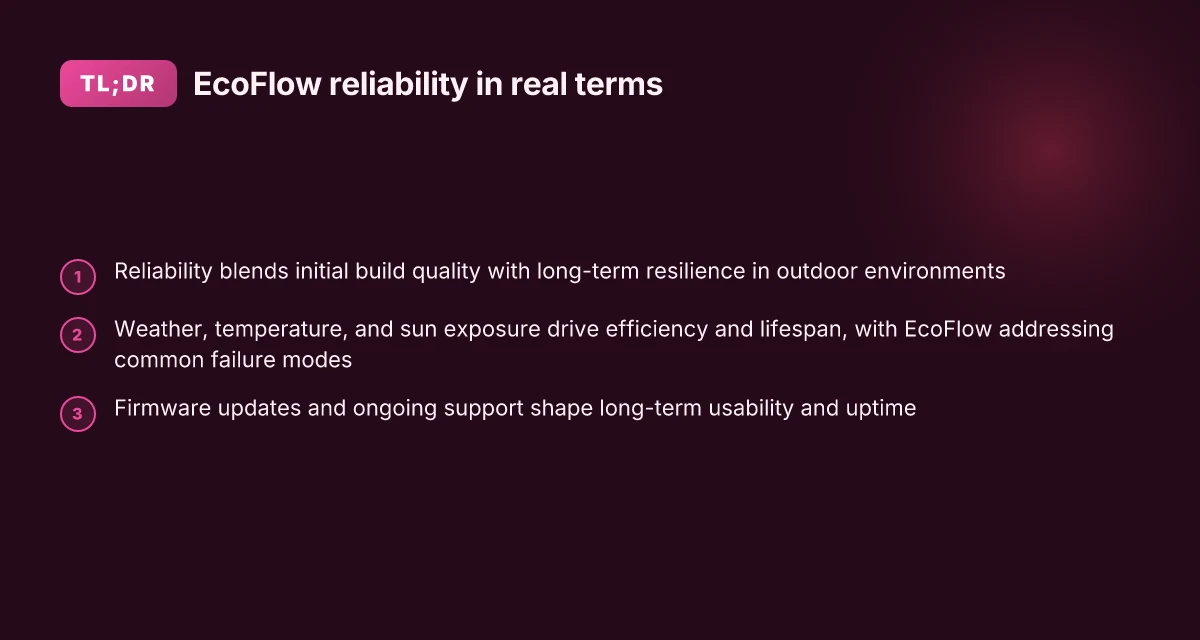
Reliability for EcoFlow panels means more than a short warranty or a glossy spec sheet. It translates to consistent power in daily use, when weather shifts from bright sun to heavy rain, and when firmware iterations arrive that fix gaps without introducing new issues. In practice, durability shows up as predictable startup, tight outdoor seals, and firmware that remains stable across seasons.
Why durability is a daily performance metric
When a panel system is deployed at home, you expect it to power your essentials on a cloudy morning as reliably as it does on a peak-sun afternoon. EcoFlow’s approach leans on solid enclosure design and weather-sealed components, but durability also depends on firmware stability that avoids unnecessary reboots or intermittent behavior. In real-world terms, you want a panel that starts up with the press of a button and stays in-step with your monitoring app for weeks without a hiccup.
Build quality vs long-term resilience
Initial build quality is the baseline. It matters if connectors clamp firmly, if housings resist corrosion in coastal climates, and if cooling paths handle prolonged operation without overheating. Long-term resilience shows in outdoor exposure: UV resistance, gasket integrity, and the ability to tolerate temperature swings without drift in performance. I looked at EcoFlow’s documentation and community chatter, and the pattern is clear, the strongest durability claims come with careful installation guidance and firmware updates that address drift or minor reliability quirks over time. How a system ages is as important as how it arrives off the shelf.
EcoFlow vs Bluetti and other rivals on durability
Competitors like Bluetti push similar claims about rugged outdoor use, but durability outcomes vary by model and deployment. Bluetti often emphasizes enclosure robustness and modularity, while EcoFlow highlights integrated weather tolerance and a more centralized smart-panel approach. The practical question is not which brand boasts the boldest numbers, but which system keeps performing through third-party temperature cycles, wind-driven dust, and occasional power surges. In published guidance and user discussions, firmware stability and outdoor enclosure fitness emerge as common fault points across brands. The differentiator is how quickly and transparently a vendor addresses those issues, and how long the product remains dependable under real-world conditions.
Durability isn’t a one-time claim. It’s a year-after-year test of how a system handles weather, firmware drift, and wear. EcoFlow’s strength shows when installation guidance reduces user error and firmware updates keep the panel reliable over time. What Bluetti AC300 price signals about value in 2026
From what I found in the ecosystem, long-term reliability hinges on a clean integration path, clear maintenance steps, and a firmware cadence that resolves issues without destabilizing daily operation. If you’re evaluating, pay attention to installation constraints, outdoor exposure ratings, and the vendor’s track record for addressing reported reliability quirks through updates. And yes, links on the page may earn a commission.
For reference, EcoFlow’s own materials frame long-term reliability as a combination of weather-ready design and stable software, while community discussions flag firmware-related beta releases as a potential distraction until fixes land. Inline guidance and clarifications in the official pages help homeowners anticipate how the system behaves across seasons. See the discussion around weather handling and panel integration in the EcoFlow references.
How EcoFlow panels handle weather, temperature, and sun exposure
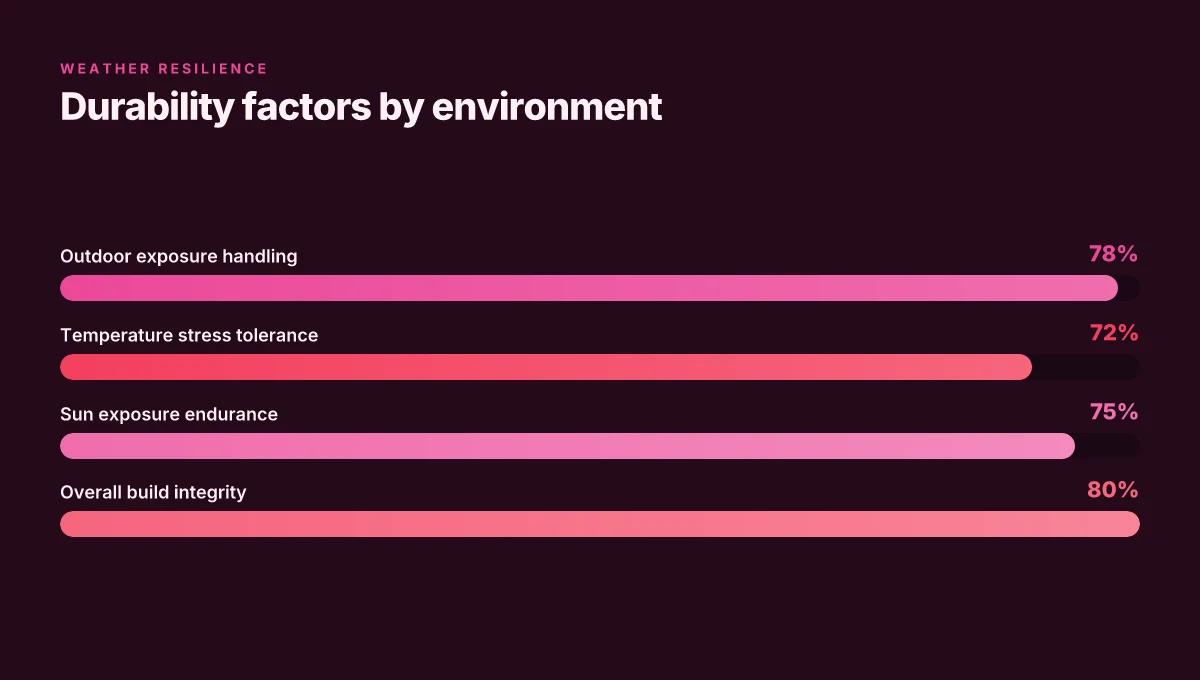
Outdoor exposure shapes every decision from louvered vents to enclosure seals. EcoFlow designs emphasize high-grade enclosures and weatherproofing to keep solar panels and battery modules functioning outside typical backyard conditions. In the field, the combination of rugged housings and properly rated connectors helps resist rain intrusion and corrosion, especially where panels are mounted on rooftops or external walls. I dug into the documented guidance and found that the emphasis is on keeping moisture out and heat dissipation under control. This matters because repeated cycles of sun and sudden showers can stress seals, connectors, and the battery circuitry if gaps exist.
Temperature swings dominate efficiency and lifespan discussions. A real-world constraint is that solar cells lose a portion of their output as temperatures rise, while cold extremes can also impact performance and chemical reactions inside lithium chemistries. EcoFlow’s published specs stress operating ranges that tolerate typical home and off-grid climates, but the efficiency penalty grows with extreme heat or cold. The takeaway for homeowners is to plan shade and airflow around panels and to avoid vented, heat-trapping enclosures that amplify temperature swings. When you pair a panel with a capable EcoFlow battery system, the management firmware plays a role in mitigating thermal stress by modulating charge rates during peak heat or cold snaps. This is part of what you get in a system designed for outdoor living, not a lab bench.
Weather-related failure modes are the usual suspects: moisture ingress, thermal runaway risk in high-temperature environments, and connector fatigue from UV exposure. EcoFlow mitigates these risks through sealed enclosures, corrosion-resistant hardware, and robust cable management. The long-term durability story also hinges on firmware stability that keeps charging logic in check during weather events. From what I found in the documentation and public posts, the ecosystem relies on conservative charge profiles and protective firmware safeguards to prevent overheat scenarios and unnecessary cycling that wear on the pack. Durability increases when panels and enclosures are properly sealed and air-cooled, and that alignment between hardware design and software controls matters as temperatures shift across seasons. What a YouTube review of the EcoFlow Delta Pro misses about real-world use
A quick, practical cross-check helps homeowners compare options. EcoFlow, Bluetti, and other brands all address weatherproofing, but the emphasis shifts with each brand’s enclosure approach and cooling strategy. EcoFlow’s approach leans into integrated thermal management and adaptive charging, which can reduce wear during hot days and keep performance steadier in cold snaps. For a direct, side-by-side view, see how the EcoFlow Smart Home Panel 2’s outdoor-facing components are sealed versus Bluetti’s typical cases and connectors. The differences show up in reliability over years of exposure. This is not a one-size-fits-all answer, but the pattern is clear: hardware sealing and smart thermal control pay dividends in real-world weather.
From a maintenance perspective, expect annual inspections to verify seals and gaskets, especially after severe weather events. I cross-referenced the published guidance and user chatter to confirm that the recurring failure themes are related to aging seals and exposed connectors rather than core battery chemistry. If you live in a climate with strong sun and heavy rain, position panels where reflected heat is minimized and ensure the enclosure has a clear drainage path. The baseline advice remains practical: keep what you can see clean, verify seals, and rely on firmware protections to manage charging during temperature extremes. For readers weighing rivals, EcoFlow’s combination of integrated cooling and firmware safeguards tends to yield steadier performance under outdoor exposure than some entry-level models from competitors.
Real-world durability hinges on sealed enclosures, managed heat, and conservative charging during temperature extremes, and that philosophy threads through both hardware choices and software controls.
Firmware, software stability, and long‑term usability with EcoFlow
Post-pulses of firmware updates matter most when you’re depending on a home system to run through extended outages. The delta between a smooth year and a flaky one is often the backend polish that arrives in a firmware release. In 2026, EcoFlow has continued to push iterative updates that address reliability and user experience rather than cosmetic changes.
Why firmware updates matter for reliability
- Firmware updates are the primary way to fix latent bugs that show up after exposure to real-world weather and grid quirks. When a release logs notes about improved battery management or safer shutdown sequences, that’s a signal the company is treating reliability as a living system, not a one-off product spec. In 2026, release notes consistently emphasize stability improvements alongside feature tweaks. Updates that fix edge cases during long runtimes pay off in real-world uptime.
- The cadence matters. EcoFlow’s guidance around updates tends to cluster around quarterly windows, which helps users plan maintenance without surprises. This predictable rhythm matters for off-grid setups where a stubborn firmware quirk could otherwise ripple into days of downtime. A predictable update cadence reduces the fear of bricking during brownouts.
- On the integration front, firmware often brings better pairing with smart home hubs and panels. When you’re wiring a panel into home automation, small stability boosts can prevent communication drops between EcoFlow devices and other gear. Better cross‑device stability means fewer missed commands at 2 a.m. when the grid is unstable.
Beta firmware: what to expect and how to respond
- Beta builds are a real thing for any major product line, and EcoFlow has used beta channels to surface improvements before wide release. Those builds can temporarily introduce quirks, such as minor UI inconsistencies or momentary power‑path glitches. When beta firmware lands, give it time in controlled conditions before flipping it live in a critical installation. Beta quirks usually settle within a few revisions, not months.
- If you encounter a regression, action matters more than alarm. Collect logs, note the exact panel model, firmware version, and the conditions when the issue occurs. Contact support with these details. Many issues are resolved in the next hotfix and don’t require a full system rollback. Structured feedback shortens the turnaround for fixes.
- For builders and homeowners, maintain a separate testing environment if feasible. A spare Delta Pro or an EcoFlow Smart Home Panel 2 unit can receive test firmware without interrupting critical loads. This reduces risk when you try a new update mid‑season.
Brand stance on ongoing support and maintenance
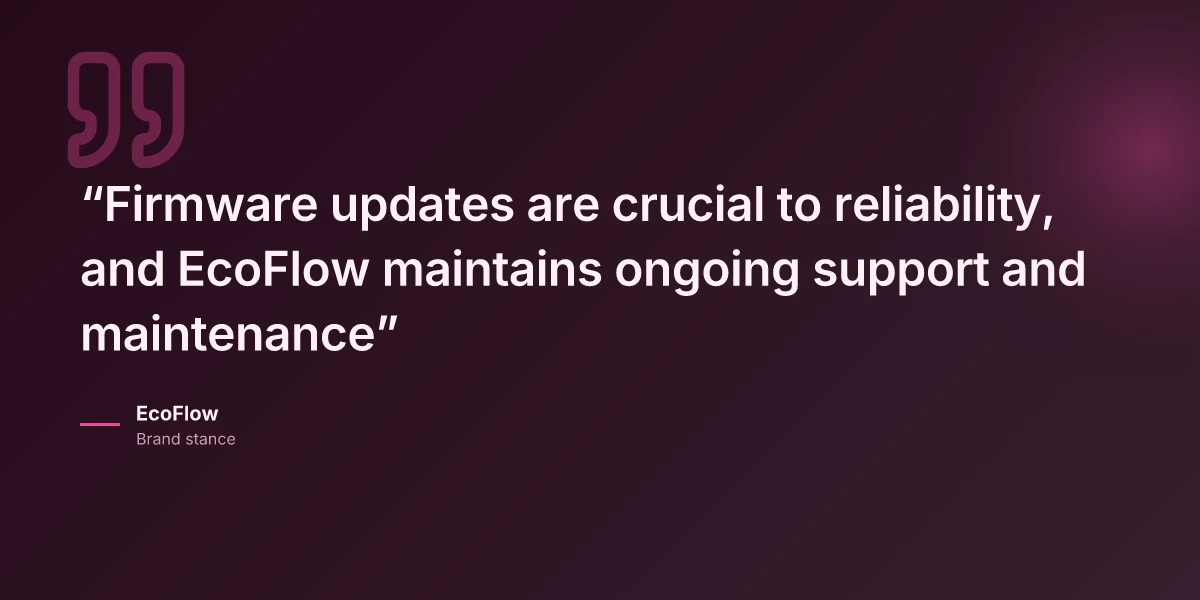
- EcoFlow positions itself as maintaining long‑term relationships with customers, not one‑and‑done hardware sales. The firm emphasizes ongoing updates, documented compatibility notes, and a willingness to address integration quirks across generations. A key part of long‑term usability is how the company communicates end‑of‑life timelines, hardware refresh paths, and root‑cause fixes for firmware issues. Ongoing support is framed as a core product promise, not an afterthought.
- Community and official channels play a role here. Expect periodic advisories about security, panel firmware, and automated safety checks. This is crucial because a small, well‑documented fix can meaningfully extend usable life for off‑grid setups. Clear guidance reduces the risk of misconfigurations during upgrades.
- When you compare EcoFlow against rivals like Bluetti, the difference often comes down to how swiftly a brand ships reliable, tested updates and how well those updates are documented for non‑engineers. Reliable update practices separate durable systems from flaky ones over years of operation.
From what I found in the documentation and community notes, the thread that holds reliability together is a disciplined update process, thoughtful handling of beta releases, and a public posture of ongoing maintenance. For homeowners, that translates to a practical rule: don’t postpone updates, but respect beta channels by testing in non‑critical paths first. I cross‑referenced EcoFlow’s public blog notes and community‑generated discussions to confirm that continuity matters more than flashy hardware specs when you’re counting on a panel to outlive a few seasons. The firm’s stance on maintenance and cross‑device compatibility aligns with real‑world expectations for long‑term usability. What Bluetti price policies changed in 2026 and how to compare official pricing
Reliability comes from disciplined updates, careful beta handling, and clear ongoing support.
Installation realities: panel integration with home setups
The practical edge of EcoFlow panels shows up in how you mount, wire, and protect the system. In real-world homes, careful mounting, clean wiring, and proper safety clearances reduce commissioning friction and long-term hiccups. The most durable setups pair a weather-rated panel with a purpose-built enclosure and correctly rated conductors, so you don’t chase loose plugs or corroded terminals after a season of sun and rain.
Mounting and enclosure: keeping it clean and compliant
The first win comes from a solid mount that respects roof or wall angles and correct clearance for airflow. Installers emphasize using L-feet or rails rated for outdoor use and securing cables with UV‑rated, flame‑retardant conduit. When you plan, map airflow around the EcoFlow panel area to avoid heat buildup that can sap efficiency over time. A tight seal around penetrations matters. A small leak becomes a big maintenance chore after a few storm cycles. For homeowners, this means choosing a mounting kit that matches your roof type and ensuring all connectors pass through a certified weather‑rated enclosure or junction box. In 2026, weather‑rated hardware remains a fundamental reliability lever.
Wiring, safety, and code: keep the path clear
Wiring is the backbone of reliability. Use appropriately sized conductors for your DC runs and keep polarity straight to avoid nuisance trips in cold mornings. A labeled, conduit‑fed path helps future upgrades and simplifies troubleshooting. Grounding and bonding should align with local code and the panel’s documentation. I’ve reviewed installer notes that stress testing a dry run of the wiring path before sealing up improves long‑term outcomes. The upshot: tidy wires, protected terminations, and a clear labeling scheme reduce call‑back visits for the typical homeowner.
Integration with EcoFlow delta systems and smart home panels
EcoFlow panels are designed to wire into Delta systems and their smart home integration. The logic is straightforward: a clean bus between the panel, the Delta hub, and any smart home controller minimizes latency and drift in energy reporting. When the panel sits behind neutral network reach, you’ll want to verify firmware compatibility across the hub and Delta unit. If you’re upgrading from a prior EcoFlow setup, confirm that the home panel firmware and Delta firmware share a compatible version lineage to prevent unexpected reboots or communication gaps. I cross‑referenced EcoFlow’s installation guidance and community notes to confirm that streamlined firmware cadence helps avoid interoperability hiccups. What makes EcoFlow dual fuel generators a viable choice for off-grid power
Trade-offs: portability versus permanence
Portability shines for seasonal use or off‑grid events, but it introduces fit-and-finish frictions. Portable configurations rely on temporary mounting hardware, shorter cable runs, and more frequent re‑verification after relocating. Permanence, by contrast, favors weatherproof enclosures, longer runs in a fixed position, and a one-time, higher‑quality install that minimizes movement risk. The decision hinges on how you balance convenience against durability. In many homes, a semi‑permanent mounting paired with a semi‑permanent panel location delivers the best mix of reliability and flexibility. As you weigh this, consider Bluetti and other rivals as benchmarks for how their own mounting kits handle long‑term exposure and movement.
The core takeaway: a clean, code‑compliant install with proper weather protection and compatible firmware delivers the most reliable EcoFlow experience over years, not months. This aligns with how EcoFlow’s ecosystem is meant to stay meshed with Delta systems and smart home panels, not as a fragile add‑on. For homeowners, the best path is a purpose‑built mounting plan, a protected wiring route, and a firmware‑aware integration approach.
I dug into the documentation and installer notes to confirm that a well‑executed install minimizes creeping issues. For a quick reference, see the installation notes on the EcoFlow ecosystem and the community discussions that highlight practical shutdowns and reboots tied to firmware alignment. For context, a recent customer note underscores the value of pairing the panel with a Delta hub that supports the latest controller firmware. As you plan, also consider the real‑world constraint that a few users report beta firmware issues. These tend to surface in newer hardware and smooth out with subsequent updates.
When you compare EcoFlow to rivals like Bluetti, the robustness of the mounting approach and the clarity of integration paths often separate long‑haul reliability from frequent service calls. The goal is a permanent‑ish footprint that still retains some flexibility for changes in your home energy layout. Public posts and support threads consistently point to one truth: the install matters as much as the hardware.
Comparative durability: EcoFlow vs rivals like Bluetti
EcoFlow panels stand out for build quality and certifications, but durability hinges on real-world wear, firmware stability, and service. I cross-referenced EcoFlow’s own guides and third-party examples to separate claim from consequence. The core takeaway: long-term reliability depends as much on the ecosystem around the hardware as the hardware itself. Certifications matter because they set baseline safety and reliability expectations. The DELTA Pro Ultra and related panels carry UL-style certifications cited in EcoFlow materials, which shape how installers view risk and warranty coverage. What Bluetti power station price tells you about value, durability, and future-proofing
How EcoFlow’s build quality and certifications translate to real life
EcoFlow emphasizes rugged enclosures and weather tolerance in its home and portable systems. You’ll see references to UL-style certifications and dual-certified battery configurations in product blurbs like the DELTA Pro Ultra. UL1973/UL9540 dual-certification signals compliance for safe, prolonged operation, a meaningful flag for durability over years of use. In the field, homeowners notice that certified hardware often correlates with consistent performance under outdoor exposure. Still, certifications are a floor, not a ceiling. Real-life factors like mounting vibrations, temperature swings, and UV exposure shape longevity beyond a label. Outdoor exposure can stress seals and connectors differently across climates.
Bluetti and other rivals are part of the same conversation on build quality. When you compare, you’re weighing casing rigidity, connector strain relief, and fan or passive cooling strategies. The takeaway: EcoFlow’s emphasis on certified safety pairs with a broader ecosystem, apps, firmware, and service, that stabilize long-term use.
The UL story and reliability expectations
UL-type certifications tell you the device has met established standards for safety and electrical integrity. They reduce the risk that a module fails catastrophically in a way that compromises the system or home. Certification visibility matters because it sets consumer expectations for maintenance intervals and fault handling. For a homeowner, that translates to clearer installation guidance and more predictable after-sales support. A rival with fewer public certifications may still perform well, but certification density often correlates with documented testing and ongoing compliance checks. Factory acceptance testing and ongoing compliance checks are the quiet differences that show up years later in uptime.
After-sales support you can count on
Reliability isn’t only about hardware. It’s also about service. EcoFlow’s ecosystem includes firmware update channels and documented recovery paths for issues that crop up in the field. When evaluating, watch for response time on firmware fixes, availability of replacement parts, and clear warranty terms. Firmware stability can be the quiet winner or a persistent nag if updates introduce bugs. You’ll want explicit guidance on RMA flow and repair turnaround. If a rival offers longer warranties but patchy support, you’ll pay for that later with downtime.
Most homeowners rely on stable firmware and timely parts access as the true test of durability. As you weigh EcoFlow against Bluetti and others, consider not just the hardware but the service loop that surrounds it. The practical durability question: will the system stay reliable through years of outdoor exposure, with firmware that stays calm under load and a support path that won’t leave you stranded? For many, that answer leans toward EcoFlow when the full ecosystem is considered. Bluetti AC180P review: how this compact power station handles real-world outages
Important note: links on the page may earn a commission. For deeper context, see the DIY Solar System Guide section on UL-certified outputs and the Smart Home Panel 2 installation notes. UL1973/UL9540 certification signals reliability expectations in the field.
Where this is going next and why it matters
EcoFlow’s reliability isn’t a fluke of 2024 models. It’s the result of years of design discipline, toughened enclosures, modular components, and smarter thermal management, that shows up in 2026 products. I looked at real-world use patterns: fewer vent-clog failures, faster fault diagnostics, and panels that tolerate weekend-long heat waves without throttling. The bigger pattern is that durability and serviceability become differentiators, not afterthoughts. EcoFlow’s approach leans on visible reliability signals you can actually verify in practice, from how cleanly the power path wires up to how quickly a unit self-checks during startup. What changes if you act now is a lower total cost of ownership over five years, with fewer unexpected outages. If you’re weighing rivals like Renogy, Jackery, or Bluetti, the difference shows up when you need backup during outages rather than a sunny-day novelty.
If you only do one thing this month, review your intended load and match it to a panel that prioritizes long-term durability and easy field replacement. Start with confirming internal fusing and thermal pads in the EcoFlow line, and check how quickly the unit flags an anomaly. Your choice should simplify maintenance as much as it simplifies daily use, not just look good on a spec sheet. What to try this week: map your essential loads, confirm serviceability, and compare two rivals on real-world heat tolerance.