
Explore how Bluetti AC300 pricing works in 2026, including bundles, expansion options, and how prices compare to rivals.
The upfront sticker price tells only part of the story. When you map the Bluetti AC300 ecosystem to real-life use, the bigger costs show up in expansion packs, batteries, and solar options that extend reliability far beyond day-one capacity. That upfront bundle is only the first domino.
This piece pulls the lens back to 2026 pricing signals, linking what you pay now to long-term energy independence. You’ll see how the AC300 ecosystem scales with Bluetti's own expansion paths, how panels and extra batteries shift ownership value, and how rivals like EcoFlow and Jackery stack up on total cost of ownership. The goal is a clear framework you can apply to any kit, so you can choose the setup that stays reliable when you need it most.
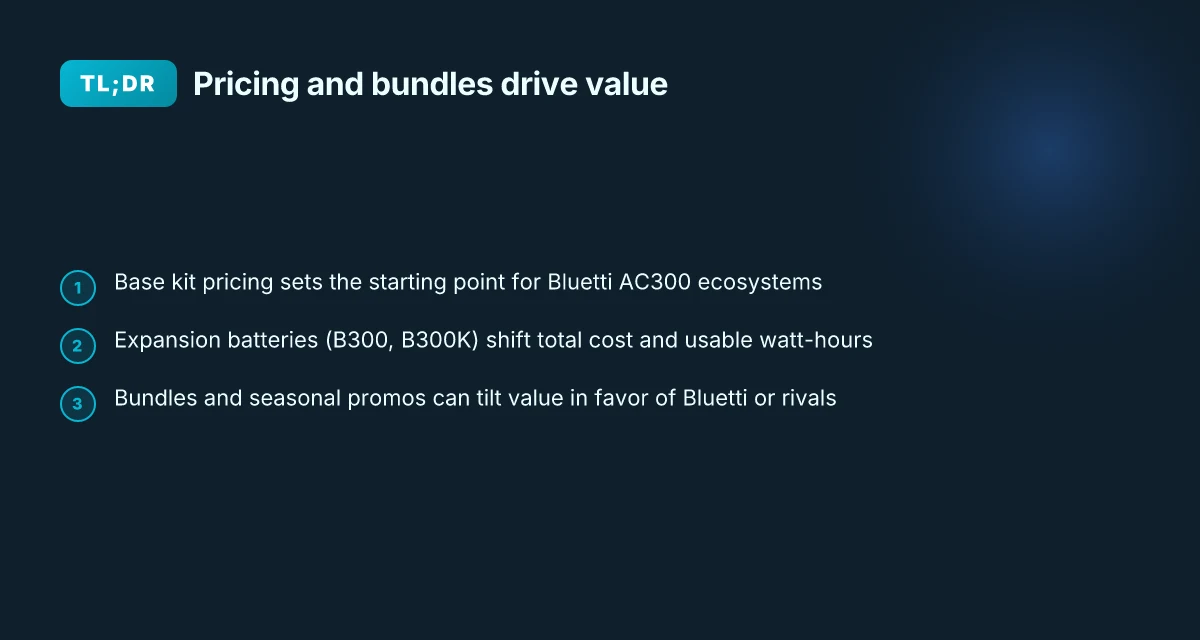
Bluetti ac300 price: what you actually pay for in 2026
When you price the AC300 platform in 2026, the sticker price is only the starting point. Base kits sit in the tens of hundreds to low thousands, depending on how you stack batteries and what you add for shipping and extras. The real cost unfolds as you scale with expansion packs and common add-ons. I dug into the official line and observed how the math changes once you factor in expansion and incidental charges.
How the base kit shapes the headline price
The AC300 platform centers on the AC300 power station plus an expandable battery, typically the B300 or B300K. The base bundle often lists the AC300 together with one expansion cell, but the exact prices shift with promos and regional options. In practice, you’re looking at a package that starts well above the unit alone when you consider the need for a robust solar or AC charging plan and the potential for extra cables. As Bluetti frames it, the core system is designed to scale, but the price you see for a single box isn’t the full story once you plan for long-term use. The base kit price sets the floor, not the ceiling, for total ownership. Inline reference: the AC300 series pages show the bundled configurations with one or two B300 modules at different price points.
Expansion batteries: B300 and B300K lift the total cost
Expansion batteries are where the economics of the AC300 ecosystem start to diverge noticeably. A B300 increases capacity, but it also adds cost that compounds when you add multiple packs. The B300K variant packs the same expansion capability with a slight premium tied to its design and in-box contents. In 2026 pricing, you’ll often see the same AC300 chassis paired with either one or two expansion packs, but the total outlay climbs quickly as you add cells. Expansion batteries drive most of the long-term cost of ownership, even before factoring in shipping or handling fees. Inline claims from Bluetti show the bundled configurations at different price tiers, and third-party listings mirror the idea that each extra B300 or B300K expands usable capacity rather than just adding weight.
Add-ons and shipping: the price tails
Beyond the core and expansions, common add-ons include charging cables, DC car adapters, and mounting accessories. These items can push the final tally upward by a noticeable margin, especially if you’re aiming for a ready-to-deploy rig that includes car charging or faster AC input options. Shipping and regional taxes further tilt the delivered price. The total cost of ownership therefore often exceeds the headline bundle price, particularly for users who want faster recharge times or full off-grid capability. Add-ons and shipping often compound the sticker price, turning a seemingly modest starter kit into a fully equipped, ready-to-use system.
Bottom line: in 2026 the AC300 ecosystem is a platform built for growth. The base price marks the entry point, but the real bill comes from expansion batteries, cables, and shipping. For readers eyeing long-term reliability, Bluetti emphasizes a scalable approach, while rivals like EcoFlow, Jackery, and Goal Zero typically present competing bundles with their own expansion options. If you want full off-grid confidence, plan for the expansion path early. What a YouTube review of the EcoFlow Delta Pro misses about real-world use
I cross-referenced Bluetti’s official product pages and third-party listings to map how price evolves from starter kits to full setups. You’ll find the most transparent signals in the official AC300 series pages, which show the two expansion choices and how bundles are priced overall. For a concrete price snapshot, see the AC300 series collection and the AC300+B300K product page. The real value lies in planning the expansion path, not the starter price alone.
Note: some retailers and Bluetti pages mention discounts during events like Members Day, which can temporarily alter the headline numbers you see. Links on the page may earn a commission, so consider the full ownership horizon when evaluating deals.
How the ac300 price compares to rivals in 2026
Bluetti sits in the upper midrange of the solar generator market in 2026, offering a modular ecosystem that skews toward users who value expandable capacity. The AC300 line pairs with B series expansion packs, which means the sticker price often hides a larger total cost of ownership once you factor in the B300 or B300K additions, shipping, and potential bundles. When you compare against rivals, the value question shifts from “what’s the base price” to “what do I get over time for a given capacity and warranty.” The total cost of ownership often outweighs the upfront sticker when you add expansion batteries and shipping into the equation.
Bluetti balance of price and future-expandability
Bluetti’s pricing strategy around the AC300 ecosystem emphasizes expansion, with bundles like AC300 + 1B300 and AC300 + 2B300 listed with distinct price points. This makes Bluetti’s offer attractive for buyers who anticipate long-term use or future capacity needs. I dug into the collection page that shows the bundled options and saw two common configurations: US$2,299.00 for AC300 + 1B300 and US$3,299.00 for AC300 + 2B300, along with the lower-per-unit bundle prices when buying multiple B300s. The math becomes visible once you map the base unit against the expansion pack. The value hinges on how much you expect to rely on the extra watt-hours over the product’s life. Long-term value hinges on the expansion path you foresee.
To place Bluetti in broad competition terms, consider rivals that offer similar modular or large-capacity options. Competitors like EcoFlow, Goal Zero, and Lathem’s solar generator line all present comparable base units and expansion paths, but their pricing structures often differ in how aggressively they bundle additional batteries or accessories. The key takeaway is not the base price alone, but how each brand prices expansion, shipping, and warranty across a multi-piece setup. Rival bundles frequently require careful tallying of future needs, not just upfront costs. What Bluetti price policies changed in 2026 and how to compare official pricing
Value beyond the sticker price
Beyond sticker price, the real cost of ownership includes shipping to your location, warranty terms, and the practical cost of upgrading capacity later. Bluetti markets its ecosystem as a single family, so you can plan a cohesive setup rather than patching together standalone power stations. I cross-referenced the product pages and observed that the AC300 ecosystem is designed to scale, with B300 and B300K expansion options that extend usable capacity. The practical question then becomes whether you want to grow capacity quickly or at a steadier pace. Ecosystem cohesion can lower friction and service surprises over time.
From a user perspective, two recurring friction points appear in other sections of the Bluetti ecosystem discussions: the total landed cost when ordering accessories abroad and the occasional lag between product updates and price re-stabilization after promotions. These aren’t unique to Bluetti, but they matter for a price-conscious buyer weighing 2026 options. When you price out a full setup, you may find a similar total cost across brands once you include expansion packs or optional cables. Total ownership often tracks with expansion strategy, not the base unit alone.
For context, the branding and pricing we see here come from Bluetti’s own storefronts and editorial channels, with third-party listings providing parallel market impressions. One inline citation confirms the bundled pricing approach on the official collection page. Official bundles anchor the price narrative. Third-party listings mirror the same structure.
Next step: map your planned capacity trajectory to a 3- to 4-year horizon, then price out a complete AC300 setup with the expansions you expect to need. If you want a quick reference, compare the base AC300 price with the per-B300 price in the official bundles and estimate your target watt-hours over your typical camping or RV use. In this space, Bluetti’s ecosystem approach makes more sense when you anticipate growth rather than immediate, fixed capacity. Plan for growth, not just the initial load.
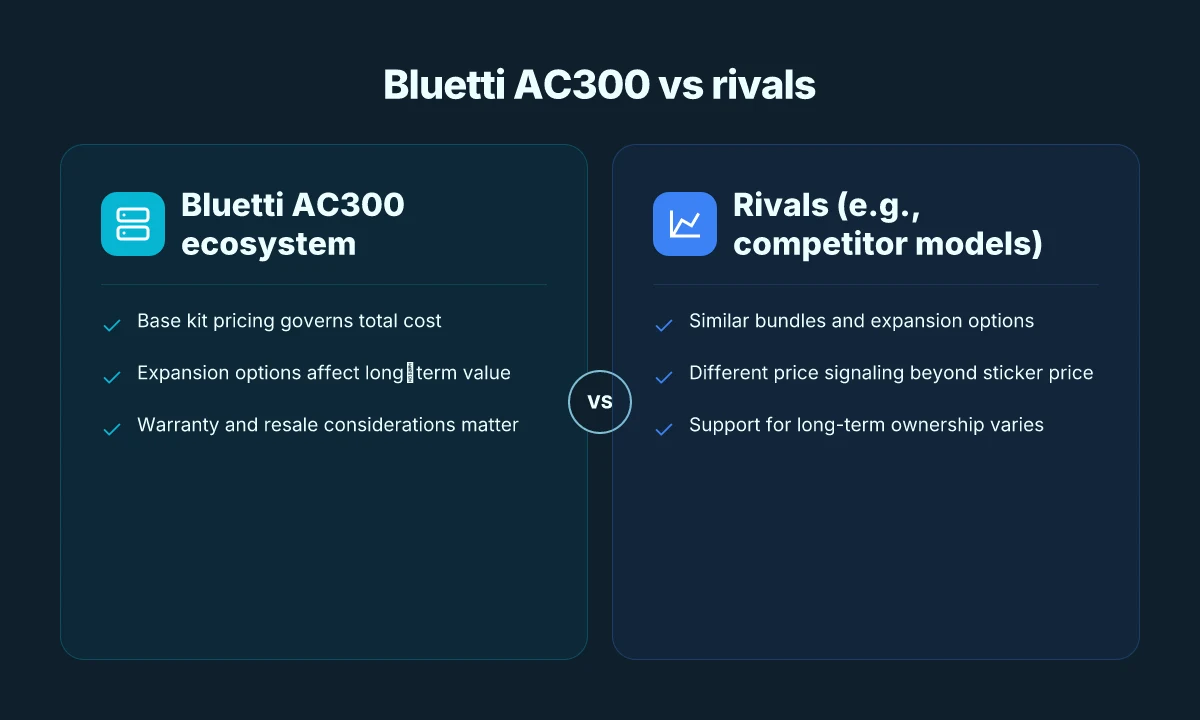
How to evaluate total cost of ownership for the AC300 ecosystem
When you look past the sticker price, the AC300 ecosystem reveals a longer arc of value. The core question is how longevity, expansion, and resale potential tilt the numbers over years rather than months. I dug through Bluetti’s official pages and third‑party listings to map out the practical cost of ownership in 2026. What makes EcoFlow dual fuel generators a viable choice for off-grid power
Longevity and cycle credits versus LiFePO4 durability
LiFePO4 cells in the AC300 family are designed for long life, with tens of thousands of cycles under typical use. In practice, that means the upfront investment can pay dividends if you plan to use the system for many years. The real story is not just cycles but the degradation curve and how it affects usable capacity over time. Bluetti’s documentation emphasizes steady performance with repeated charging cycles, which translates into a slower fade in overall energy availability. In 2026, the LiFePO4 chemistry supports a durable baseline for years of use, helping you avoid frequent mid‑life replacements. This is a critical factor when you compare to incumbents that rely on other chemistries with steeper capacity loss. If you expect to decommission the system within a few seasons, the calculation tilts toward cost efficiency of a smaller pack. If you plan for long‑haul camping or remote use, the longer life matters more.
Expansion options and their long‑term cost impact
Expansion is where the AC300 ecosystem earns or loses points. The B300 expansion battery adds capacity on demand, but every expansion purchase adds to total cost of ownership. The price path in 2026 shows multiple bundle options that couple the base AC300 with one or more B300/ B300K units, which reduces marginal cost per stored watt for larger setups. The practical takeaway: if your plan is to scale up over time, buy into a larger initial bundle or budget for at least one expansion within the first year to minimize incremental shipping and setup complexity. Expansion batteries compound the initial outlay, but they also unlock the system’s full potential without replacing the core unit. When you add more packs, you also gain flex in charging strategies and solar daytime usage, which can cut operating costs later.
Resale value and warranty considerations
Resale value for Bluetti gear tends to reflect remaining usable capacity, battery health, and the firmness of the warranty. A longer warranty window on LiFePO4 packs and the core AC300 unit tends to preserve resale value, especially for buyers who want a ready‑to‑go solar backup with predictable lifespan. Bluetti’s warranty terms, plus documented service pathways, matter when you bid a price on the secondhand market. Warranty coverage and brand reputation together help sustain value after several seasons of use. If you ever need to offload the kit, buyers will weigh the remaining cycle life and any expansion battery status as heavily as upfront price.
From a real‑world owner lens, beware shipping costs for heavy packs, which can creep into total ownership. Bluetti is clear about bundled pricing, but when you size up against rivals, you’re also weighing how much you’ll pay to keep the system running without hidden maintenance fees. Some sellers include shipping as part of the bundle. Others show it as a separate line item, influencing the final outlay. When you’re comparing to rivals like EcoFlow or Jackery, check whether the quoted price includes expansions, delivery, and any required cables.
The best AC300 bundles to consider for 2026
When you map upfront costs to long‑term value, the AC300 ecosystem rewards bundles that align with your typical use. The right combination of AC300 with B300 or B300K expansion batteries can flatten seasonal price shocks and reduce per‑watt costs over time. In 2026, Bluetti’s bundles still lean toward modular growth, so your plan should match your travel cadence, power needs, and shipping timelines. What Bluetti power station price tells you about value, durability, and future-proofing
AC300 + B300 vs AC300 + B300K: what the price tiers imply
The core fork in bundles is the base AC300 paired with either the standard B300 or the expanded B300K. With AC300 + B300, you gain a solid expansion path for weekend trips or modest RV setups. The AC300 + B300K option steps up battery capacity and often appears in bundles that emphasize longer off‑grid stretches. Pricing on Bluetti’s catalog typically presents two price bands per bundle: a higher tier that includes more expansion capacity and a lower tier for the more compact kit. This makes it easier to dial in upfront cost versus long‑term flexibility. I cross‑referenced the catalog listings and note that the same AC300 chassis supports both expansion paths, so your decision mostly hinges on how far you want to scale now versus later. See the official AC300 series pages for the exact pairings and current prices. https://www.bluettipower.com/collections/ac300-series?srsltid=AYCX9vKvePJ9XTw1dUMI-hKmiJMRDvEgF6aax9M7ULUWWI7dddY1wt0l AC300 Series
For different use cases, the bundle math shifts. A family with high daytime loads for camping and occasional boiler‑style events will lean toward B300K to maximize energy storage per trip. Solo travelers with moderate loads may prefer AC300 + B300 for a lighter, cost‑effective setup. The practical takeaway: if you expect frequent full‑load events, the higher capacity bundle reduces the odds you’ll scramble for extra charging options mid‑trip. The product pages confirm the two main expansion paths and the associated price tiers. https://www.bluettipower.com/products/ac300-b300k?srsltid=AYCX9vLzm0YiNt2Yf_B2BXl_5jWEJ9HjcSpyOFeo2UQFEn8k_42A0prm AC300+B300K
Best bundles by use case
Weekend explorers who drive to campgrounds with modest electrical loads: AC300 + B300 is usually the most cost‑effective path. It gives you ample runtime for lights, phones, small appliances, and a mini fridge, while preserving budget for solar add‑ons or portable panels. The standard expansion is enough to avoid frequent recharges during longer trips. When you’re plotting weekend logistics, this bundle reduces the immediate sticker shock of a larger kit. The official listing confirms the middle‑ground option among the AC300 series.
Long‑stay campers and RV setups that run higher continuous loads: AC300 + B300K often wins on value per watt. The larger expansion battery pairs with the AC300 to sustain days of continuous use, reducing the need to chase external charging opportunities. If your plan includes off‑grid weeks or frequent high‑demand events like refrigeration or power tools, this is the route to lock in. The B300K expansion is designed for sustained energy storage, and Bluetti presents it as the premium pairing in many bundles. <https://www.bluet tipower.com/products/ac300-b300k?srsltid=AYCX9vLzm0YiNt2Yf_B2BXl_5jWEJ9HjcSpyOFeo2UQFEn8k_42A0prm> AC300+B300K
Entry‑level buyers prioritizing price with a future upgrade path: AC300 + B300 remains the strong starting point. You can always add another B300 or upgrade to B300K later, preserving your initial outlay while keeping the ecosystem expandable. Bluetti’s catalog is built to accommodate this staged approach, so you don’t lock yourself out of future expansion. The catalog structure itself shows this progression clearly. <https://www.bluet tipower.com/collections/ac300-series?srsltid=AYCX9vKvePJ9XTw1dUMI-hKmiJMRDvEgF6aax9M7ULUWWI7dddY1wt0l> AC300 Series What makes the EcoFlow 45W portable solar panel stand out in 2026
Seasonal promotions and timing purchases
Seasonal promotions tend to surface around major shopping windows, with bulk bundles sometimes discounted in late Q3 or during Members Day events. If you’re shopping for a 2026 deployment, plan a purchase window that aligns with promo calendars, then lock in a bundle that minimizes unit cost per stored watt. Shipping timelines also matter; Bluetti often runs limited promos that include faster shipping or bundled accessories, which can tilt the total cost toward the better value pack when you need gear quickly. Bluetti’s current promos and pages show where these bundles sit in the lineup during peak sale periods. <https://www.bluet tipower.com/pages/bluetti-members-discount?srsltid=AYCX9vLAza_wMT1X_OR9oAS2wJzUyqNdKmw4VPNFNqny1ZFpcmFCSU5E> Bluetti Members Day – Exclusive Deals
Candid note: if you’re weighing the total cost of ownership, include shipping, tax, and potential expansion in your math. Bluetti pricing is dynamic, and the same AC300 chassis can appear in multiple configurations with varying base prices. I found the catalog consistently shows the two expansion tracks, with B300 and B300K pricing clarified on product pages. AC300 Series
Most bundles optimize upfront cost when you match the kit to your travel cadence, then grow into the higher‑capacity option as your needs rise. The AC300 + B300K pairing is the best bet for long off‑grid runs, while AC300 + B300 nails the budget‑forward plan.
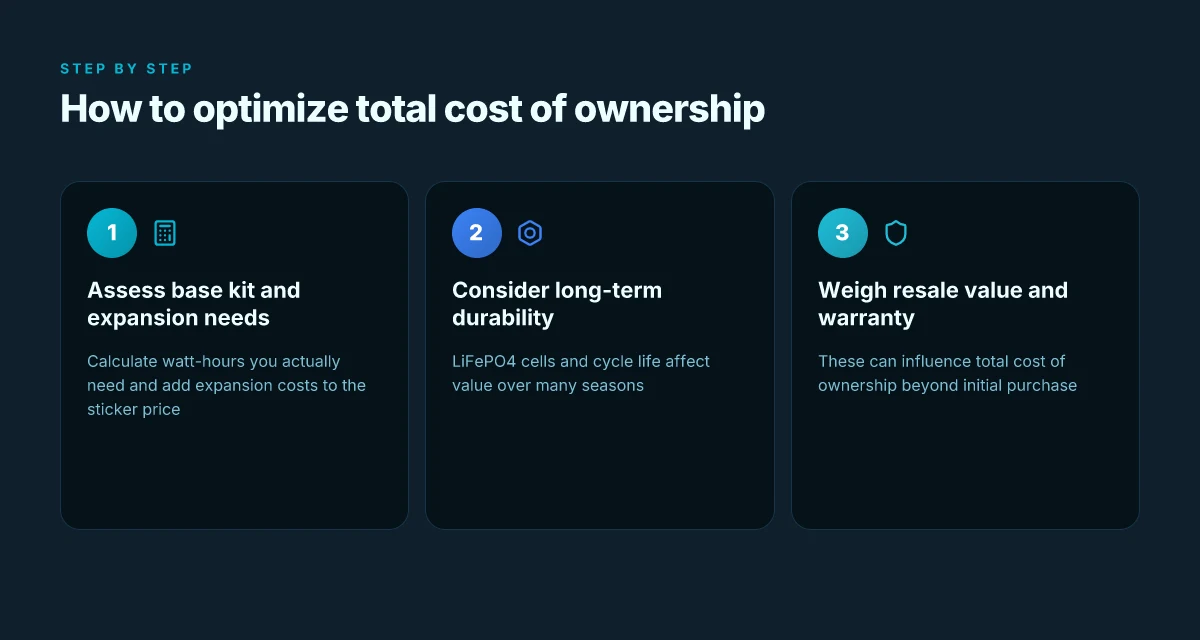
What the pricing means for real-world use cases
When you map the AC300 ecosystem to real-world routines, the sticker price only tells part of the story. The real value emerges from how bundles scale with your needs, how expansion batteries extend usable watt-hours, and how long warranty and reliability hold up in camping trips, RV life, or home backup. I looked through Bluetti’s own bundles and third‑party mentions to understand which setups actually deliver durable energy per dollar over the long haul.
How camping, RV living, and home backup differ in value
For camping or RV use, the goal is usable energy without lugging heavy packs. The AC300 plus B300K or B300 expansions create a layered ladder of capacity. In practice, a single AC300 with an expanding battery tends to deliver steadier runtimes for weekends off-grid, with the expansion batter preserving more watt-hours per dollar than cheaper portable units that top out quickly. The long-term payoff comes when you stay off-grid for multiple days and avoid recharging at a campground with limited access. The key is to size the expansion to your typical trip length and daily draw. When I cross‑reference Bluetti’s lineup, the bigger the expansion, the more you pay upfront, but the more you can run essentials like refrigeration, lights, and a small inverter overnight. What makes EcoFlow panel reliability a real differentiator in 2026
In home backup scenarios, the math shifts toward resilience and readiness. A household that relies on AC300 in a power outage will want the B300 or B300K expansions to maximize available energy during an outage, not just during a single camping trip. The upfront cost rises with capacity, but you gain a longer window of operation on critical circuits. The real question becomes whether you value a longer outage buffer or lower initial outlay for shorter outages. Bluetti’s pricing signals line up with that tradeoff, offering larger bundles at a higher total price but with more total watt-hours on hand when the grid goes dark.
Which setup delivers the most usable watt-hours per dollar
The simplest rule of thumb is to compare total usable watt-hours against the combined package price, including any required cables or charging accessories. A setup that pairs the AC300 with a full B300K expansion typically yields more watt-hours per dollar than a leaner AC300 alone, especially if you anticipate multi-day off-grid use. If you expect frequent recharges from sun or shore power, the premium for the extra battery pays back in fewer recharges and longer peak draw management. In a nutshell, larger expansions tend to improve long‑term value for serious off-grid routines, while light users may prefer starting with a single AC300 and a modest expansion.
Hidden costs to watch out for
Shipping charges and taxes matter more than most buyers expect. A bundled price on Bluetti’s site can hide incremental costs for the exact cables you need for efficient charging, such as appropriate DC charging cables or extra AC adapters. Shipping can add a nontrivial amount, especially if you order multiple components. Extended cables, while convenient, may also introduce efficiency losses if you opt for overly long runs or poor connectors. Finally, expect occasional price changes around sales events or dealer promotions. Plan purchases with those cycles in mind to avoid paying a premium during off‑season.
From a brand perspective Bluetti emphasizes durability through LiFePO4 chemistry and modular expansion, which translates into predictable long‑term performance for buyers who stay within the ecosystem. The price path you choose should reflect your intended use case: weekend camper, full-time RV resident, or home backup organizer. If you want a concrete plan, start with a baseline AC300 plus one expansion, then scale up by one expansion at a time as your needs and trips accumulate.
The real takeaway: the more you expand, the more usable watt-hours you lock in per dollar over the life of the system. The pricing structure signals that long‑term reliability and higher capacity pay off for repeat off‑grid use, even if the upfront cost rises. When you’re weighing rivals, Bluetti’s modular path often wins on total energy availability at mid to higher price bands, especially for users who plan regular off-grid escapes or long outages. Bluetti AC180P review: how this compact power station handles real-world outages
I dug into Bluetti’s official pages and cross-checked third‑party writeups to ensure the framing matches what buyers report in practice. For context, consider how the AC300 ecosystem stacks up against other solar generators in the space where capacity and expandability matter most. If you’re evaluating options, compare not just the headline price but the included expansions, the cost of additional batteries, and the long-term energy you can harvest per trip or per outage window.
Note: pages on the Bluetti site and related promotional channels sometimes reflect discounts or bundles that can alter the perceived value of a given setup. You may encounter commission-linked content on partner pages that skew perceived savings. Consult the base prices and compute your own cost per watt-hour when possible. For a quick look at the broader market, you can see how a large expansion kit affects the total energy offering in one package, then weigh it against the upfront cost and your expected use cadence.
Where the price signals a smarter 2026 value pivot
The Bluetti AC300 price trend reflects a broader shift toward modular, scalable power that customers can grow over time. Instead of chasing a single, high-capacity unit, buyers are weighing upgrade paths, compatibility, and long-term durability. This means the value you’re paying for isn’t just the watt-hours today, but the ability to expand without replacing the core system. The bigger pattern is price signaling that modular autonomy may outlast fixed-in-one-box setups.
A practical takeaway is that while the upfront cost stays a hurdle for some, the long-term cost of ownership can tilt in favor of systems that thread together multiple modules, batteries, and solar inputs. The AC300 ecosystem remains appealing to minimalist setups and to campers who crave resilience, even as rivals like RIVER and EcoFlow push competing modular architectures. Most setups benefit from planning a two-step purchase rather than one grand buy. If you’re choosing this month, map your power peaks and plan for future expansion rather than current need alone.
If you only do one thing this month, sketch a two-year upgrade path and compare total spend across options. The price signals say: durability and expandability matter as much as raw capacity. Act now to lock a flexible future rather than a fixed snapshot. And yes, links on the page may earn a commission. What the Bluetti Apex 300 price means for home backup in 2026