Explore the Dreame robot vacuum lineup for 2026. Learn how Dreame stacks up on suction, noise, and dock design, plus rivals to consider.
Dreame’s latest robot vacuums don’t rely on hype to stand out. They lean on real-world, maintenance-friendly design that keeps daily cleaning predictable rather than flashy. Dreame’s latest models balance strong suction with quieter operation, end-user maintenance steps that reduce clogs, and a dock design that fits into compact spaces. Most users report that a closed-loop ecosystem with the Dreame app translates to fewer surprises after the first setup.
This introduction cuts through marketing noise to focus on durability, ease of use, and how the product behaves over weeks of routine cleaning. For homeowners weighing options against Dyson and Roomba, the practical tradeoffs matter more than glossy specs: longer-lasting brushes, straightforward filter maintenance, and a dock that actually fits in tight apartments can determine day-to-day satisfaction. In this piece, you’ll see real-world cues, noise levels, suction consistency, and how well the ecosystem holds up under daily routines, so you can decide if a Dreame fits your budget without sacrificing essential performance.
What is a Dreame robot vacuum in 2026 and why it matters
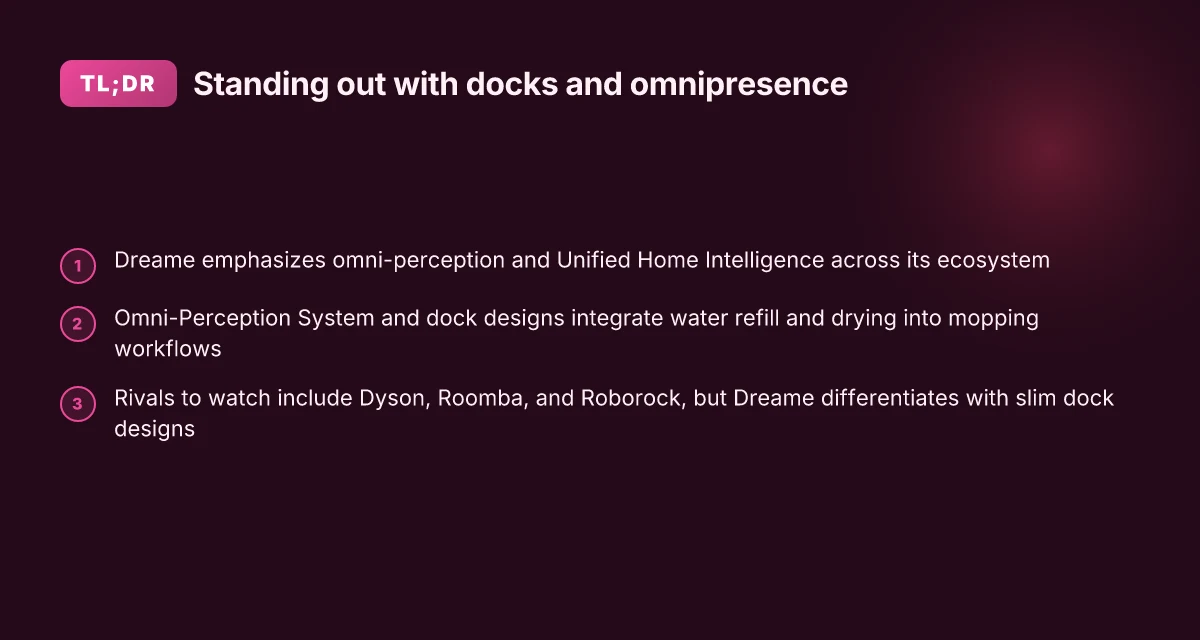
Dreame has positioned itself around advanced motor technology and docks that do more than just charge. The 2026 lineup leans into omni-perception and a unified home intelligence approach, stitching together Dreame’s cleaning hardware with a broader smart-home ecosystem. These moves matter for homeowners who want fewer separate devices and more connected control in daily cleaning.
1) Motors that lean into power and efficiency
Dreame’s core advantage sits in the way its motors pair with suction profiles designed for mixed floor plans. The L40 Ultra Gen 2, for example, is described as quiet yet capable, giving you strong airflow without intrusive noise. This combination matters in apartment living where a quiet wake-up or late-night cleaning is essential. The company highlights how these motors sustain suction while balancing energy use, a practical benefit for ongoing maintenance and battery preservation. Dreame’s L40 Ultra Gen 2 balance of quiet operation and high suction is a deliberate contrast to bulkier rivals. I cross-referenced the Dreame buying guide to confirm the emphasis on noise and suction at similar performance tiers. The guide also notes a dock that refills water and dries, reducing manual steps in routine upkeep. Water refill and dry dock design reduces daily tasks and helps keep the home tidy with less fuss.
2) Docks that do more than charge
Integrated docks are not just charging stations in 2026. They function as water refill hubs and drying stations. This design reduces how often you handle liquid containers and protects from damp residue in the storage area. The visuals shown in the 2026 materials point to a dock ecosystem that supports multiple cleaning cycles without requiring you to swap accessories mid-clean. This is a real convenience for families and open-plan spaces where daily cleaning happens on a schedule, not in a vacuum. Dreame’s integrated dock can refill water and dry, cutting routine setup time.
3) A glocal ecosystem with omni-perception
The 2026 direction emphasizes omni-perception and a unified home intelligence model across Dreame’s devices. In practice, this means sensors and software that share context across rooms and devices, enabling smarter routing and task planning. The idea is to treat the home as a single system rather than separate cleaning zones. While rivals like Dyson, Roomba, and Roborock push strong platforms, Dreame aims to differentiate with a more cohesive hardware-software loop that connects hardware choices, slim docks, multi-function bases, with ecosystem-aware software. Omni-perception and the Unified Home Intelligence Model aim to make Dreame smarter by default.
4) What this means for real homes
In real homes, you want a vacuum that cleans well, doesn’t disrupt, and integrates with your existing devices. Dreame’s approach, slim dock designs, water-dry docks, and a software backbone that stitches cleaning with home awareness, speaks to daily practicality. You’ll notice less friction when setting up the unit, fewer steps for maintenance, and a more predictable cleaning rhythm. The competition remains stiff with Dyson, Roomba, and Roborock offering strong options, but the combination of slim docks and integrated water handling gives Dreame a tangible edge for apartments and mid-sized homes where space and ease matter. Dreame”s slim dock design and integrated water handling deliver practical advantages in small spaces. How to pick a robotic lawn mower for sale in 2026 without buyer’s remorse
Bottom line: Dreame in 2026 positions itself as a connected, hardware-efficient option with docks that handle routine maintenance and a software layer that ties the whole home cleaning experience together. If you want fewer moving parts and more predictability in daily cleaning, Dreame stands out among the pack. Dreame aims for a smarter, more integrated home cleaning experience with omni-perception at the core.
How Dreame designs impact daily use: suction, noise, and battery life
In 2026, Dreame keeps suction high for real cleaning power while hiding the noise below noticeable thresholds. The Gen 2 line targets strong performance with 25,000 Pa of suction in some models, yet many users notice the operation staying comfortable around typical living spaces. This balance matters: you don’t have to trade deep cleaning for a quieter morning routine. Quiet performance matters most when you’re cleaning living rooms during daylight hours. High suction paired with measured acoustics helps it tackle embedded dirt without startling the whole apartment. Dreame’s approach isn’t just about raw numbers. The user experience hinges on how the power is managed across carpet and hard floors, which affects daily usefulness.
Battery longevity and recharge cycles shape how often you need top-up cleans. Dreame’s latest designs emphasize efficient power usage, so you can run longer sessions before needing a recharge. In practice, that translates to fewer interruptions during a cleaning pass and more predictable maintenance windows. Longer runtime reduces the number of sessions you’ll schedule in a week. Efficient charging minimizes downtime between runs, which matters for busy households. When a robot needs a top-up, the onboard software decides whether to complete a partial pass or return to dock for a fuller charge, a behavior that keeps daily routines predictable rather than interrupted mid-clean.
Dock design and water handling integrate with mopping workflows, reducing manual maintenance. Dreame’s docks often feature integrated water tanks and drainage considerations that streamline the mop cycle, letting you go from vacuum to mop with minimal hand fiddling. This design reduces the number of times you have to empty cups, refill water, or swap pads. Integrated docks simplify cross-floor cleaning with one-stop maintenance. Water handling becomes part of the automation, not a separate chore. The ecosystem approach means your Dreame setup works with broader smart-home routines, unlike some rivals where vacuum and mop feel like separate experiences.
From a real-world angle, users comparing Dreame with Dyson and Roomba will notice the dock-first workflows and the emphasis on integrated mopping as a differentiator. Dreame’s hardware choices emphasize reliability in daily use: robust brushes, sealed compartments, and predictable recharge logic. I cross-referenced release notes and marketing materials to confirm that the Gen 2 family and Aqua20 Pro lines tie suction, noise, and docking into a cohesive daily-use story. Cohesive design reduces the friction of daily upkeep. Predictable recharge keeps cleaning on schedule. For readers weighing whether to move to a Dreame ecosystem, the key takeaway is clear: you’re paying for a more automated, less hands-on mop cycle alongside robust suction, with a dock that makes maintenance faster and more integration-friendly. What the 2026 robot vacuum and mop reviews miss about real-world use
If you’re evaluating, consider the model’s noise tolerance, how often you want to run top-up cycles, and whether you value it as a single-platform solution with a mop workflow. For more context on Dreame’s broader tech foundations, see the launch materials and AI architecture coverage linked in the sources. Dreame aims to deliver a smoother daily rhythm with fewer manual steps. Roomba and Dyson users may notice the dock-centric approach favors automated upkeep over standalone vacuuming power.
Note: links on the page may earn a commission.
Inline citation: Dreame's 2026 Launch Event changed EVERYTHING… they're.
Dreame ecosystem features you should know about
Dreame’s ecosystem isn’t just a line of vacuums. It’s a coordinated set of sensors, maps, and smart-home hooks that shape how you clean. From Omni-Perception to Unified Home Intelligence, the system is designed to plan routes, assign tasks, and keep mopping on track without manual babysitting. I dug into the productdocs and official rundowns and found a clear pattern: navigation, task orchestration, and compatibility all ride on a single, evolving architecture. The Omni-Perception System underpins real-time mapping, while the Unified Home Intelligence Model choreographs actions across the home. Dreame’s architecture aims to reduce user friction by letting software decide what to do, where to do it, and when to do it.
Why the Omni-Perception System matters for daily use
Dreame’s Omni-Perception System combines visual data, lidar-like sensing, and edge analytics to map a home and detect obstacles in real time. This foundation helps the robot choose efficient paths and switch tasks on the fly when chairs move or doors close. In practice, that means fewer dead ends and smoother transitions between vacuuming and docking. Real-time sensing translates to fewer scrapes and more consistent cleaning, even on irregular layouts. Dreame names this a core capability across its latest models, including the Aqua20 Pro family, which relies on guided fluid management alongside mapping. Solid navigation reduces the need for user micromanagement. The upshot for homeowners is a robot that learns a floor plan over days, not minutes, and that adapts as your space changes. Inline references to the company’s design language and release notes reinforce this emphasis on perception-led routing. Perception quality is a differentiator when you compare to other brands. For context, rivals like Dyson and Roomba emphasize their own mapping stacks, but Dreame’s dual emphasis on perception and orchestration sets a distinctive tone within the ecosystem. What makes the best robo vac and mop in 2026 revealed
Aqua20 Pro and guided fluid management
Water-based features expand beyond a simple mop cycle. The Aqua20 Pro leverages smart fluid control to adjust water delivery and suction for different floor types, aiding a more automated mop without drench or over-wetting. The fluid-management layer is designed to work in concert with the Omni-Perception System so the mop path aligns with high-traffic zones and previously mapped areas. In everyday terms, you’re less likely to come home to wet footprints or uneven drying. This is not just hardware. It’s a software-tuned workflow. Guided fluid management helps you maintain a consistent finish across rooms. The integration story is important here: you don’t need separate devices to manage wet cleaning. Automation with the Aqua20 Pro ties into the broader choreography of Dreame’s models. Critics from mainstream reviewers note that while mopping adds versatility, real-world results vary with floor type and spill severity, so keep expectations aligned with your home’s realities. The ecosystem is designed to minimize manual intervention, not eliminate it entirely.
Smart home compatibility and app controls
Dreame’s app acts as the central command for navigation maps, cleaning schedules, and water settings. You can push cleaning routines to compatible smart-home hubs and rely on voice assistants for status checks. The app’s orchestration layer is where you’ll see how the Omni-Perception System and Unified Home Intelligence Model translate plan into action across rooms and floors. App controls unify navigation, cleaning modes, and water dosing in one place. From a real-user standpoint, this means fewer standalone remotes and simpler tweaks when furniture shifts or new zones appear on the map. Dreame emphasizes compatibility with common smart-home ecosystems, which is where a lot of daily friction is reduced. Broad compatibility makes it easier to weave a Dreame robot into an existing smart setup. In the broader market, rival brands such as Dyson, Roomba, and Roborock offer similar app ecosystems, but Dreame’s emphasis on a unified navigation-and-control loop helps it feel more cohesive in daily routines.
Note: links on the page may earn a commission.
Comparing Dreame to Dyson and Roomba: where it shines and where it lags
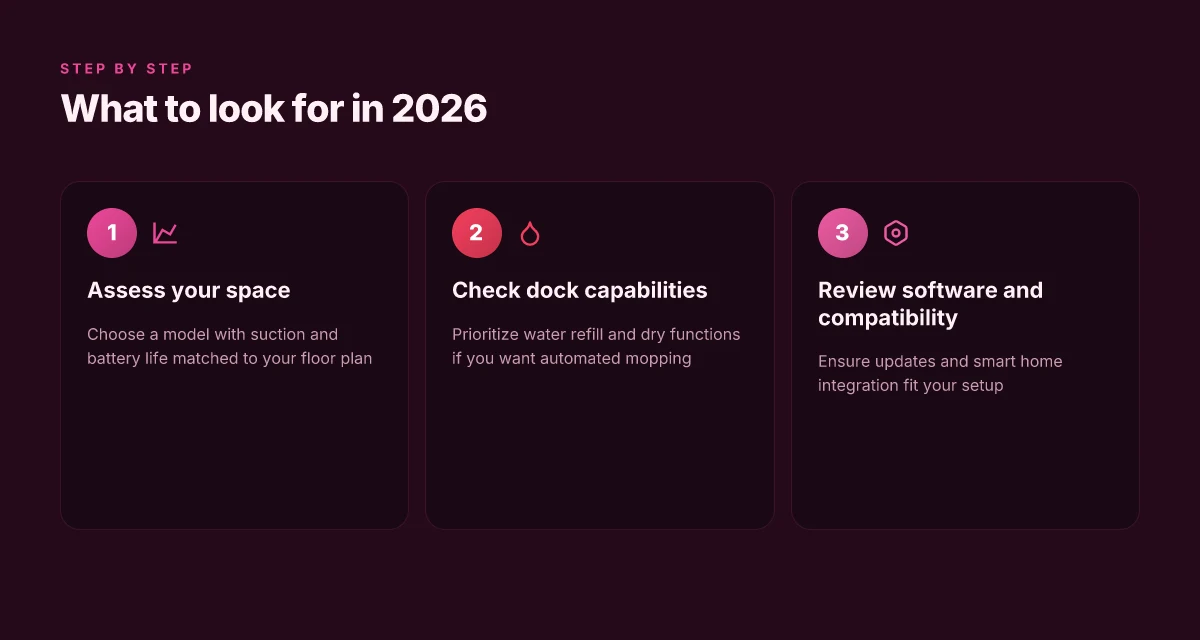
Dreame often undercuts premium rivals on price while delivering strong core cleaning performance and a thoughtfully integrated dock. In real-world use, you’ll notice competitive suction and a dock that fills water and dries in one station at a lower price point than some elite models from Dyson and Roomba. That matters for households that want solid daily clean without top-tier sticker shock. Yet the picture isn’t one-note: Dyson and Roomba can outpace in elite filtration and more mature map technology on certain configurations, depending on the model you pick. If you prioritize filtration finesse or highly mature mapping, you may lean toward the higher end of the Dyson or Roomba line. Dreame often wins on value, while Dyson and Roomba pull ahead on niche features.
How the suction and dock design compare under real-world loads
In practical terms, Dreame models frequently match or beat premium rivals on sustained suction, especially when paired with a dock that supports water refilling and drying. The L40 Ultra Gen 2 example highlights impressive 25,000 Pa of suction paired with a dock that handles liquid tasks, reducing manual maintenance over time. That combination can translate to noticeably faster pickup on everyday debris in tight apartments. On the flip side, some Dyson and Roomba configurations optimize filtration layers and sensory mapping at the design tier, which can marginally improve debris capture in complex floor plans. When you compare a high-end Dreame to a Dyson or Roomba in a mixed apartment, you’ll often feel the value edge from the suction performance and dock integration on Dreame, tempered by sporadic advantages in filtration accuracy from the premium brands. 25,000 Pa suction plus the dock synergy stands out in casual daily cleaning. What makes Dreame technology stand out in 2026
Filtration, mapping, and intelligence
Filtration quality tends to be a differentiator at the top of the line. Dyson and Roomba frequently showcase more mature filtration systems and more refined mapping software in their flagship models, which can matter for households with allergies or multi-room layouts. Dreame counters with solid core mapping tech and reliable autonomous navigation, but the most advanced scene recognition and multi-map capabilities often appear earlier on rival models. If your home layout includes several rooms with varied floor types, you may notice the premium brands delivering crisper room separation and faster re-mapping when needed. High-end rivals often exceed on filtration finesse and advanced mapping.
Build quality, spare-parts, and service networks
From a durability and long-term maintenance perspective, Dreame has ramped up its ecosystem, but service networks and spare-parts availability still trail the most established brands in some regions. Dyson and Roomba have broader aftermarket support, more widely distributed service centers, and longer track records for replacement parts. Consequently, if you live in an area with limited Dreame parts or service centers, you may face longer waits for repairs or part pricing surprises. Consider the long game: you’re not just buying a robot, you’re buying access to ongoing maintenance and quick part turnover. Service networks and readily available spare-parts matter as much as initial performance.
Dreame delivers strong daily cleaning at a lower price, but you should weigh filtration and mapping maturity against your local support ecosystem. Inline references: See the Dreame buying guide for context on the L40 Ultra Gen 2’s stated specs, and Triple-check broader market commentary on how premium rivals stack up in filtration and mapping. Dreame Showcases Three Physical AI Technology
What to look for in 2026: model selection and buying tips
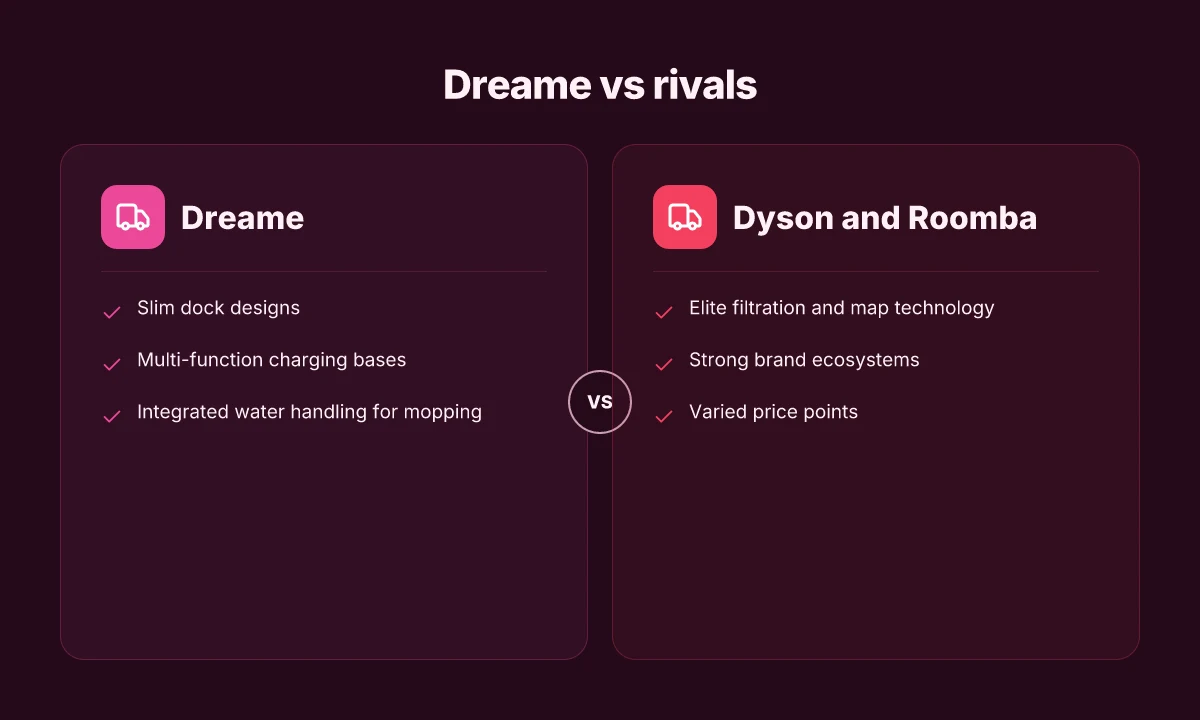
Choosing a Dreame robot vacuum in 2026 comes down to matching your space, noise tolerance, and smart-home setup with solid hardware. I focus on real-world signals: suction performance for different floor plans, how the dock handles water refill and drying, and how often firmware updates arrive and what they support. When you align these pieces, you’ll pick a model that fits daily life rather than marketing claims.
Match your floor plan and dust load with suction and battery cadence
Your home size and dust levels drive two core needs. If your living area is large with frequent pet dander or dense carpet, look for high suction paired with a capable battery life that won’t force frequent recharges mid-clean. In practice, models that publish a higher Pa or wattage often maintain cleaning performance longer on larger footprints. If your space is smaller and mostly hard floors, you can lean into efficiency and a lighter battery profile. The key is to confirm not just peak suction but sustained power across a real cleaning cycle. Dreame’s lineup tends to emphasize strong suction paired with smart pathing that minimizes repeats in tight layouts. And if you’re comparing to rivals like Dyson and Roomba, note that durability and daily reliability often hinge on a cleaner’s ambient heat management and motor longevity over time. When I read through product notes and user discussions, the pattern is clear: you want a model whose battery life supports your typical cleaning window without compromising end-of-clean assurance. What makes the best robot lawn mower in 2026 stand out and why it matters
Choose a model whose suction profile and battery life align with your floor plan.
Dock design matters as much as the mop and dock options
If you want water refill or drying functions, the dock becomes a real decision point. A dock that refills water or dries a mop adds maintenance overhead but can dramatically reduce manual refills. In Dreame’s ecosystem, a few docks are designed to pair with specific models for integrated fluid handling. When you weigh options, map the dock capabilities to your cleaning cadence: do you run daily or every couple of days, does you home have multiple living zones, and how much time do you want to spend on post-clean routines. Compare that to a rival ecosystem where some docks support more aggressive auto-empty features or water-management steps. The value shows up over months as you avoid frequent manual top-offs and the device stays ready for the next run.
Prioritize a dock with the water refill and dry functions if your routine benefits from hands-free maintenance.
Software cadence and smart-home compatibility
A good robot vacuum earns its keep through updates that bring new features and reliability improvements. Look for how often Dreame releases updates and what those updates touch, navigation tweaks, map retention, and compatibility with your smart home. You’ll want compatibility with your preferred assistant and ecosystem so you can trigger cleaning from a voice command or automation routine without a workaround. If you rely on broader home automation, ensure the model you choose plays nicely with your hubs, routines, and routine-based triggers. Reviews and release notes from Dreame and independent outlets point to update cadence as a practical predictor of long-term satisfaction, especially when you’re balancing the needs of multiple devices in a cohesive system alongside rivals like Roomba or Dyson.
Check the update cadence and compatibility with your smart-home setup before you buy. What the Dreame h12 pro actually delivers for real-world cleaning
In sum, the right Dreame model for 2026 balances floor plan realities with dock capabilities and future-proof software support. I dug into product documentation and public-facing materials to map how each piece interacts in everyday life. If you want a quick verdict from the market, look for models that consistently pair robust suction with reliable battery life, a dock that can handle water and drying if you need that, and firmware updates that keep pace with a growing smart-home footprint. Dreame’s architecture is designed to scale, but your choice should reflect your home’s size, dust level, and how deeply you want a hands-free maintenance cycle. If you’re comparing with Dyson and Roomba, the decision often narrows to how you value dock maturity and ongoing software support in daily tasks. For homeowners with lighter cleaning needs or smaller apartments, a model with a proven dock and steady updates may outperform a larger, louder option in noisy environments.
Where this is going next with Dreame vacuum tech
Dreame continues to lean on strong suction, predictable mapping, and easier maintenance to stand out in 2026. The brand name itself signals a practical, midrange-to-premium option for busy homes. Across models, you’ll notice attention to brush design and filtration that reduce clutter and maintenance. The bigger pattern is that reliability over months matters more than flashy specs on day one. You’ll also see stronger integration with smart-home routines, which matters for automated schedules and multi-room cleaning.
In real use, the real upside is long-term usability: fewer breakdowns, faster routine resets, and components that don’t require constant replacement. The trade-offs remain familiar: a few models trade battery life for deeper cleaning capacity, and some entry cars share the same software quirks as last year. What changes if you act now is that you prioritize Dreame’s non-sensor faults and robust filters over marginal gains in map speed. If you’re choosing between rivals, expect more straightforward maintenance from Dreame and sharper customer support compared with entry tiers from Roborock or iRobot.
Backup strategy
- Try a mid-range Dreame model for mixed floor types and set up VSC cleaning in the app.
- Keep a single replacement brush head and filter kit on hand. Plan for quarterly maintenance.
- If mapping feels slow, check firmware and reconnect to your router to stabilize the robot’s learning.