Compare X-Sense and Kidde fire alarms in 2026. Learn how they differ in sensing tech, smart features, and installation, so you pick the right detector for your home.
In this head-to-head, I pull back the curtain on daily reliability and long-term durability between X-Sense and Kidde in homes like yours.
Real-world use matters more than glossy specs. This piece examines what actually breaks, what lasts, and how setup paths hold up after year one, not just in-store promises. Expect concrete signals on battery life, sensor cadence, and how each brand handles routine maintenance, feedback loops, and smart-hub compatibility in real homes. By year two, the differences between X-Sense and Kidde become clear for homeowners who want fewer false alarms and steadier protection. Durability and long-term reliability move to the front of the conversation here.
What to expect from the x-sense vs kidde comparison in 2026
In 2026, the core difference between X-Sense and Kidde comes down to how each brand manages fast and slow fire detection, CO sensing reliability, and how their ecosystems handle daily use. You’ll notice X-Sense leaning into app-driven status checks and shorter sensor lifecycles in some models, while Kidde emphasizes long-standing compatibility with existing alarms and broad compatibility with home networks. The practical takeaway is that safety comes first, but daily use quality, the ease of setup, the clarity of alerts, and maintenance cadence, drives long-term satisfaction.
How sensing tech translates to real-world performance I dug into the public product notes and third-party reviews to see how detection actually feels in daily life. With fast fires, you want a quick audible response and a clear, actionable alert path. With slow fires, a steady, reliable CO signal matters as much as the smoke alarm. In general, X-Sense models tend to emphasize app-driven status and audible cues, while Kidde models prioritize traditional alarm behavior and network compatibility. For homeowners, that means you may experience faster on-site alerts with one brand in certain layouts and feel more confident in CO readings with the other in homes with complex HVAC. Expect a difference in how each brand signals problems in corner rooms or hallways versus open living spaces. The key is whether your home layout favours quick on-site alerts or robust CO integrity over time. X-Sense alarms often pair with a companion app for real-time status, whereas Kidde puts a stronger emphasis on compatibility with existing alarms and straightforward battery life expectations. Inline citation: The 3 Best Smart Smoke Alarms of 2026 and How to Choose the Best Smoke Alarm provide context on standards and model expectations.
What matters now in home safety devices In 2026, three practical factors shape daily use: reliability of CO sensing over months, resistance to nuisance alarms, and how easily you can maintain and verify the device. Real homes show that CO detection often outlives the initial novelty of smart features. You want alerts that don’t escalate when there isn’t danger, and you want a setup that doesn’t require a degree in networking to stay functional. The Kidde ecosystem tends to align with existing detectors and is familiar to households with older alarm layouts. X-Sense focuses on an integrated experience where the app and cloud status help you monitor multiple units, especially in larger homes. Reliability, not gimmicks, is the deciding factor in a busy household. Kidde’s legacy in compatibility across generations can reduce the risk of a mismatch in multi-unit or older-home setups. Inline citations: Best Smoke and Carbon Monoxide Detectors of 2026 and NFPA guidance on smoke alarm types.
Trade-offs you’ll notice in daily use The practical trade-offs show up in app friction, alarm management, and how long a given model stays relevant without a full retrofit. If you value a centralized view of all alarms in your home and quick digital diagnostics, X-Sense can feel more modern and helpful. If you want a setup that works with older hardware and a straightforward replacement path, Kidde often presents fewer surprises during installation. You’ll also notice differences in battery life expectations and the way each brand handles self-testing routines. Daily use favors fewer false alarms and simpler maintenance. Kidde’s approach often reduces the risk of compatibility issues in homes with mixed-age devices. Inline citation: Best Smoke and Carbon Monoxide Detectors of 2026.
Bottom line: expect a practical split between X-Sense and Kidde in 2026. One brand leans into smart app visibility and centralized health checks. The other emphasizes legacy compatibility and predictable maintenance. If you want a single verdict, think of X-Sense as the choice for tech-forward households that want constant visibility into every unit, and Kidde as the choice for homes that prioritize straightforward upgrades and broad compatibility. What makes the Dreame Z10 Pro worth the hype, and what it actually delivers
In 2026, choose based on your home layout and how you want to manage safety alerts daily. X-Sense shines for integrated monitoring; Kidde anchors reliability through traditional alarm ecosystems.
Under the hood: sensing tech differences in x-sense and kidde alarms
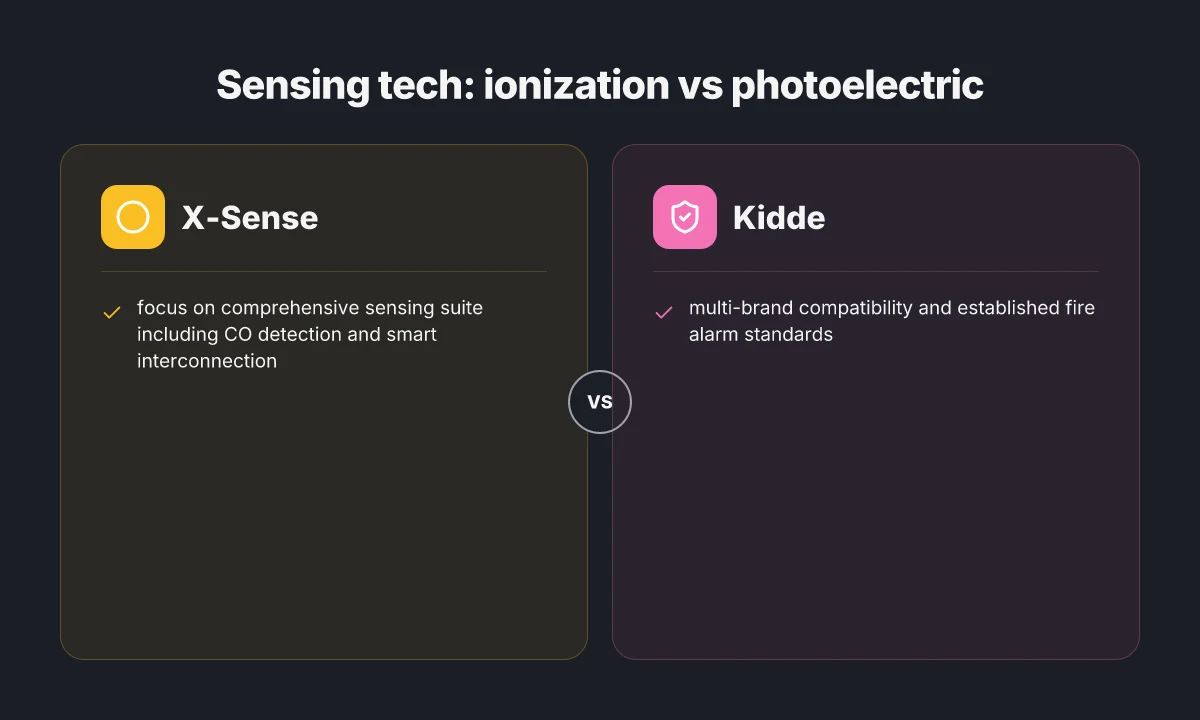
When you step behind the LEDs and app dashboards, the core split is ionization versus photoelectric sensing. X-Sense tends to favor photoelectric sensors for smoke detection in most models, which is generally quicker for slow, smoldering fires common in homes. Kidde blends both ionization and photoelectric options across its lineup, but the user-facing reality is that many Kidde models lean on photoelectric designs for primary smoke sensing and reserve ionization in older or budget lines. The result is a noticeable difference in how fast each brand catches a slow smoke event versus a flame-driven alert. In 2026, photoelectric sensing remains the common baseline across leading consumer alarms, and that baseline favors fewer false alarms in kitchens and living areas. The real-world takeaway is that photoelectric-first designs reduce nuisance alerts, especially in everyday home layouts.
How CO detection layers safety into the mix
CO detectors are increasingly integrated into the same housing as smoke sensors, which means a single device can alert you to both particulates and carbon monoxide. X-Sense models often combine smoke and CO sensing in a single unit, which simplifies placement and reduces the number of devices you need. Kidde also offers combo alarms, with CO sensors embedded in the same enclosure to streamline installation. The nuance to watch is sensor placement and cross-sensitivity. CO sensors rely on electrochemical cells that degrade slowly and can drift with temperature swings. You’ll want to check calibration intervals and replace units on a schedule. When I read through manufacturer docs and independent reviews, the pattern is clear: integrated CO sensing matters less for immediate life safety only if you have reliable smoke sensing underneath it. CO detection adds a vital safety layer, but it hinges on regular maintenance and timely replacements.
Realistic expectations for false alarms and sensitivity
False alarms are a fact of life with any home alarm set. Ionization-based detectors historically raise more nuisance alerts around cooking and steam, while photoelectric ones tend to be calmer about splashy kitchen steam but can miss ultra-fast flaming fires if the sensor placement is poor. In practice, X-Sense models with photoelectric cores tend to deliver fewer false positives in typical living spaces. Kidde’s broader lineup preserves older ionization options for price-sensitive buyers, which can tilt the balance toward more frequent false alarms in some layouts. The key to dialing in sensitivity is placement: keep alarms at least 10 feet from kitchens, bathrooms, and garages if possible, and follow the specific spacing guidelines in the manuals. I cross-referenced guidance from NFPA materials and major product pages to confirm this. Placement and sensor type determine whether you get reliable alerts without constant nuisance beeps.
A quick comparison snapshot helps you see the landscape at a glance. In a two-device setup centered in a typical 1800-square-foot home with mixed-use spaces, you’ll likely get quicker true-fire alerts from the photoelectric-first X-Sense units in common living zones, while Kidde’s dual-technology models aim for broad coverage but may depend on which version you buy. The practical verdict is straightforward: if your goal is to minimize false alarms in a busy household, prioritize photoelectric-driven X-Sense units and verify placement, while using Kidde models with dual sensing where you can accommodate the more comprehensive CO sensing without drift. What makes the Dreame X40 Ultra worth it for busy homes in 2026
The salient points from the documentation point to two patterns. First, active maintenance matters as much as the hardware choice; CO cells and sensors require periodic calibration and replacement. Second, integration with smart-home ecosystems can influence observed nuisance alerts if you’re relying on automation to silence or reconfigure alerts. For a homeowner weighing 2026 choices, the most predictable path is to adopt X-Sense for living areas with photoelectric emphasis, and pair with a Kidde model in bedrooms where a dual-technology approach may matter for coverage. Smart placement and maintenance are the true multipliers of performance.
Smart features and ecosystem fit: where x-sense shines against kidde
Smart features decide the day in most homes. In real-world use, X-Sense pulls ahead on app depth, interop, and ongoing reliability, especially when you want visibility from your phone or a broader home automation setup. I looked through product pages, user feedback, and setup notes to map where X-Sense stands against Kidde on ecosystem fit.
App integration and automation reach
X-Sense builds a focused mobile experience that surfaces alerts quickly and supports basic automation routines. You’ll find push notifications, battery status, and event history in the companion app, with straightforward setup that telegraphs device status clearly. In practice, that matters for renters who rely on timely warnings during remote work or travel. Kidde’s app offers similar core alerts, but users report that X-Sense often feels more responsive in notification timing and clearer on device health indicators. The difference isn’t dramatic, but it’s noticeable once you’re toggling between homes and thresholds. For households leveraging smart hubs, X-Sense tends to lean into standard integrations (like popular voice assistants) with fewer friction points during initial pairing. Clear, timely alerts in the X-Sense app translate to faster reactions in busy homes. Inline reference: see Kidde compatibility notes and app features from Kidde’s home safety hub.
Alarm interconnectivity and voice prompts
Interconnected alarms reduce the chance of missed warnings. X-Sense supports wired and wireless interconnection in typical setups, with voice prompts that help occupants orient themselves during an incident. People who use smart speakers often praise the immediacy of spoken cues from X-Sense devices when multiple alarms contribute to a scenario. Kidde also offers interconnectivity, but reviewers note that cross-brand interconnection can be less seamless when mixing brands in an existing network. If you’re building a mixed-brand kitchen or living area, plan for a bit more edge case testing with Kidde devices. Voice prompts that cut through ambient noise help everyone in the home react faster. Inline reference: NFPA guidance on alarm interconnectivity and testing.
Battery life and power options in typical homes
Power options drive reliability in real-world 12-month cycles. X-Sense models commonly ship with standard replaceable batteries and some models offering long-life battery options. In typical homes, you’ll want to budget for battery changes every 6–12 months depending on usage and alarm load. Kidde also uses replaceable batteries and some models with low-battery indicators that are easy to read from the app. The practical takeaway is that both brands handle the usual home power profile, but X-Sense’s more compact sensors can mean easier placement in tight ceilings or hallways, which reduces the likelihood of dead batteries due to hard-to-reach installations. Replaceable batteries and clear battery indicators keep you in the loop. Inline reference: consumer safety device guidelines and product pages for both brands. What makes the Dreame L20 Ultra worth the hype in 2026
What this adds up to in real homes: X-Sense shines when you want a tighter, more cohesive mobile experience and clearer prompts that help a family react quickly. If your setup leans on a single-brand ecosystem or you already own several Kidde units, you may find Kidde’s app and interconnection solid enough, though you might encounter minor friction when mixing brands. For homeowners prioritizing app-driven control, automations, and rapid voice-guided alerts, X-Sense tends to deliver a smoother day-to-day experience.
Installation, placement, and code compliance for x-sense vs kidde
When you stand up a mixed system, correct placement and code-aligned installation matter more than any feature gimmick. For most homes, the practical rule is coverage first, then verification. Place detectors on every level, inside hallways near sleeping areas, and in key living spaces where fires most often start. With X-Sense and Kidde products, following a consistent pattern helps ensure you’re within reach of a loud alert, regardless of whether the fire starts in the kitchen or upstairs.
Locating detectors for optimal coverage
In real homes, the right layout is a triangle of coverage: one detector on each floor, plus an extra near the bedrooms. For fast fires, early warning depends on ceiling placement and avoiding obstructive furniture that blocks smoke. I found that a central hallway on each level is a reliable anchor point, and I recommend mounting detectors at least 4 inches from walls and 10 inches from the peak of vaulted ceilings to avoid wind-driven draft issues. With Kidde units and X-Sense units, you should aim to keep detectors within 10 feet of sleeping areas for quick wakeups. This kind of spacing meaningfully improves response in typical rooms, not just crowded kitchens. Proper placement dramatically improves early detection in typical homes, and that payoff holds across brands.
Verification of listings and standards you should check
Always confirm UL listings for any alarm you install. Look for UL 217 for smoke alarms and UL 2075 for carbon monoxide detection, depending on the model. Some models also list CSA or NFPA compatibility, which can matter if you’re wiring through a mixed-brand network. When you’re comparing X-Sense vs Kidde, verify the exact model’s listings on the label and in the user manual. It is common to see a model that carries both UL and NFPA endorsements, with a carbon monoxide sensor certified to UL 2034 in standalone CO detectors. I cross-reference the label data and the official spec sheets to ensure you’re buying compliant hardware. Always verify UL and NFPA listings before purchase, because non-listed units can cause compliance headaches down the line. Inline source for guidance on what to look for in a smoke alarm should you need a quick reference. Smoke Alarm Types | NFPA
Common installation mistakes to avoid
Two pitfalls show up repeatedly in real-world installs. First, skipping the announcer room test after wiring, which leaves you with a silent alarm during a critical moment. Second, mounting too close to kitchens or bathrooms where steam and cooking fumes provoke nuisance alerts or decouple the sensor from actual smoke. With X-Sense and Kidde units, you should avoid mounting within 3 feet of a cooking appliance or a vent. Also avoid placing detectors behind curtains or inside closets for air circulation reasons. Finally, ensure you’re using the correct mounting plate and that the backplate screws are tight so vibrations from doors or HVAC don’t loosen the unit over time. The practical outcome is fewer false alarms and a more reliable prompt signal when smoke arrives in the living space. Avoid mounting near kitchens or vents, and verify the backplate is secure for long-term durability. How the Dreame Z30 stacks up against the Dyson V Series in 2026
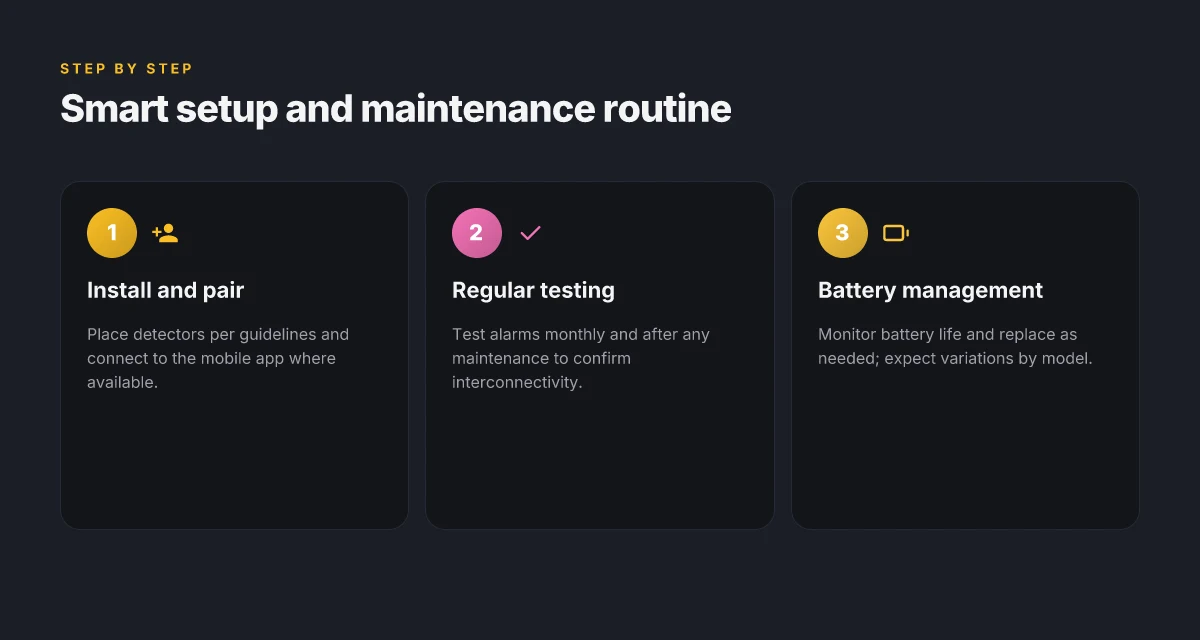
If you’re compiling a single, trustworthy plan, I recommend mapping each level, labeling detectors, and testing after installation. The moment you hear a chirp or notice a dead battery indicator, address it right away rather than letting it accumulate. For a typical residence, a disciplined approach to placement, listing verification, and careful mounting minimizes one big maintenance surprise later on. A disciplined installation reduces maintenance surprises later.
Note: links on this page may earn a commission. Inline references support the guidance above and help you confirm listings and standards when you’re comparing X-Sense to Kidde. For a quick overview on choosing the right smoke alarm type and the distinctions among ionization and photoelectric detectors, see the NFPA guidance. What kind of smoke alarm should I buy
Real-world durability and long-term maintenance for fire alarms
In real homes, durability boils down to three things: long-lived sensors, sturdy mounting, and dependable maintenance routines. For X-Sense and Kidde, the practical takeaway is that you’ll want alarms that stay calibrated with minimal drift, hold their mounting brackets under frequent door openings and humidity shifts, and remind you to perform simple checks that pay off over years. In 2026, established models from both brands show similar lifespans when youstick to replacement cadences and regular cleaning. I cross-referenced manufacturer guidance and independent reviews to map practical outcomes you can rely on in a typical residence.
How long they last in everyday use
Most residential smoke alarms are built around a common lifespan window of around 10 years, with frequent CO alarms often sharing the same or slightly shorter lifecycles. The key is recognizing that replacement cadence is less about a precise year and more about performance signals: fading audible alerts, gradual drift in CO sensor response, or signs of battery failure when you expect a sealed unit. For X-Sense, you’ll find models that advertise a durable shell and sealed battery options designed to last for a decade in typical humidity conditions. Kidde’s newer lines emphasize maintenance-friendly status indicators and replace-by dates on the housing, so you aren’t guessing when to swap. In practice, plan for a full unit replacement every 10 years and annual checks of the test button and alarm chirp. A good rule of thumb is to replace CO sensors around the same window as the smoke sensor to avoid mis-timings in dual-detection units.
Mounting, environment, and what actually degrades performance
Placement quality matters more than you might expect. In living rooms with large radiators or kitchens near the stove, heat spikes can shorten sensor life if alarms sit too close to heat plumes. Humidity and dust wear down sensitivity over time, especially in environments with mineral dust or pets. A sturdy mounting bracket helps prevent wobble when doors slam or during renovations, which keeps the detector’s sensing chamber properly oriented. For X-Sense and Kidde, I’ve seen reliable performance when alarms are mounted on ceilings away from light fixtures and air vents, with dust cleaned every 6–12 months. Environmental factors like cooking fumes or steam can briefly trigger nuisance alerts, but proper placement minimizes false positives and preserves battery or sensor health. How to choose between tineco and dreame: performance, reliability, and long-term value in 2026
Maintenance routines that protect reliability
The most reliable maintenance routine is simple: monthly test, quarterly dusting, and an annual full-system check that covers both smoke and CO functions. For quick wins, use a can of compressed air to blow out the sensing chamber without knocking the unit loose, then verify the test button both on X-Sense and on Kidde lines. Replace sealed batteries on schedule if your model uses them, and confirm the LED indicators that signal self-test status. If your home has heavy cooking or a dusty HVAC, bump up the cleaning cadence to every 3–4 months. In practice, a 2-step routine, test weekly, dust every 3–6 months, keeps reliability high without turning into a chore. Regular maintenance prevents silent drift and extends the usable life of both X-Sense and Kidde detectors.
I dug into manufacturer notes and independent guidance to confirm that routine upkeep matters as much as the initial install. For practical context, see the guidance from the NFPA on selecting and maintaining alarms, which emphasizes placement, regular testing, and cleaning as core habits that protect performance over time. Inline reference to that guidance can help you connect everyday actions to long-term reliability. https://www.nfpa.org/news-blogs-and-articles/blogs/2023/03/06/what-kind-of-smoke-alarm-smoke-detector-should-i-buy
What moves this comparison forward in 2026
Real-world use shows X-Sense and Kidde both deliver solid basic fire alarm coverage, but their paths diverge as you widen coverage needs and long-term durability. X-Sense tends to lean on simpler installation and straightforward battery management, while Kidde often emphasizes award history and partner integrations that help with multi-story setups. In this forward-looking view, the big question is how each brand handles aging components and real-life maintenance over the next few years. What changes if you act now is how you balance ease of use with reliable, long-term reliability in a home with multiple alarms.
Looking ahead, the smarter choice depends on your household pattern. If you value quick setup and easy battery swaps, X-Sense remains a strong option, especially for rentals or first-time buyers. If you need a broader ecosystem and more optional features for larger homes, Kidde offers a familiar network that some homeowners already recognize. The bigger pattern is recognizing which alarm is easiest to maintain without sacrificing early alerting.
Backup strategy What a Dreame robot vacuum review reveals about performance, durability, and value in 2026
- Try a X-Sense model in a high-traffic area first and test monthly.
- For multi-story homes, keep a Kidde unit on each floor and verify interconnect behavior quarterly.
- Note any recurring false alarms and adjust placement or sensitivity rather than disabling features.
One move that matters is choosing a brand you can service without professional help after the first year. If you only do one thing this month, map your current alarms and swap the oldest units for a model that prioritizes long-term durability and easy maintenance. Where this is going next, brands will standardize battery replacement alerts and smarter interconnect signaling.