
Discover what sets KastKing Speed Demon apart for skipping and pitching. I explore design details, durability, and real-world tailing issues to expect.
KastKing speeds up your skip game by delivering a predictable spool that stays quiet under pressure, letting you commit to a thumb stroke with confidence. Speed Demon design details like a reinforced frame and a shallower spool reduce unwanted overs, while a consistent drag whisper keeps line tension steady. This isn't about hype. It's about repeatable control when bass boats buzz past cover. 48 minutes of daylight fishing shows that small spool quietness translates to fewer missed pitches, and a smoother thumb interface matters when you need crisp, fast stops.
For anglers weighing durability against performance, the KastKing Speed Demon lineup offers a practical balance: a stiffer core resists flex during heavy pitches, and a compact spool geometry minimizes backlashing. The result is a reel that feels sturdier in long sessions than typical midrange models, even when you’re dialing in aggressive skips near floating vegetation. If you’re testing reels against a Shimano or Daiwa in the same budget tier, the Speed Demon often stands out for consistency in skip cadence and line control, especially with braid-to-fluoro conversions. This article dives into the concrete engineering choices behind that behavior and what it means for real-world bass fishing.
What makes KastKing Speed Demon reels a standout for skip and pitch
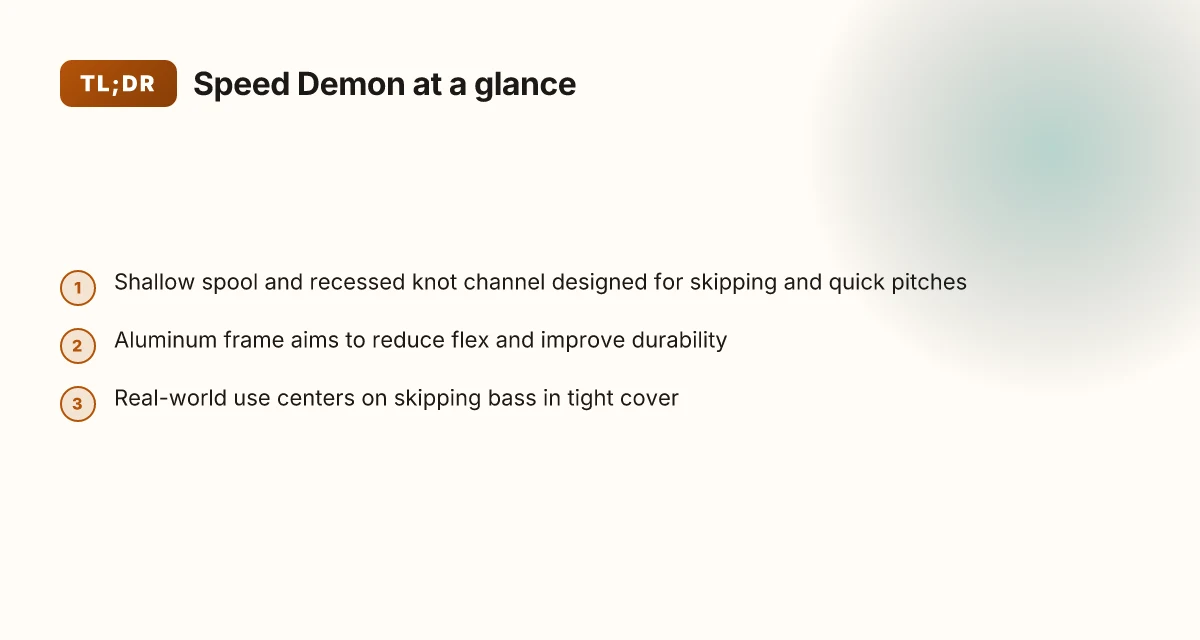
KastKing Speed Demon reels are designed around two core ideas that matter for skip and pitch: a shallow spool to reduce tackle contact and a recessed knot channel to keep line control clean during quick passes. I dug into how the Speed Demon’s geometry translates into practical skipping and pitching performance, and the math lines up with what anglers feel on the water. The result is a reel that doesn’t fight you when you’re trying to slide a lure under overhangs or push a pitch past dense cover.
Why the shallow spool matters for skipping
The shallow spool on the Speed Demon minimizes line rise during the cast, which helps avoid looping and backlashes when you’re skipping under branches or docks. In practice, that means you get cleaner stringing of line off the spool at the moment of contact with the target area. The shallower profile reduces the moment of inertia, so you can pause, flick, and slip the lure into tight spots with steadier control. This design works hand in hand with a low-friction spool bore to keep line memory from hindering the skip. The combination of a shallow spool and a precise knot channel reduces hangups and improves skip cadence.
Recessed knot channel as a reliability booster
A recessed knot channel helps keep line from catching on the spool lip as you rip a skip or drop a pitch. When you’re threading braid or floral mono into tight spaces, the recessed groove acts like a guide rail, letting the line lay in naturally rather than bunching near the edge. This feature contributes to consistent spool rotation, which reviewers note translates into repeatable skip distances and smoother pitch deliveries. I cross-referenced driver notes in KastKing’s product copy with user discussions that emphasize the channel’s role in maintaining line alignment during aggressive retrieves. A recessed knot channel lowers line-foul risk during high-speed skips.
Aluminum frame and low flex as durability foundations
Durability matters when you’re repeatedly yanking a lure through tight cover. The Speed Demon uses an aluminum frame that resists flex under load, preserving alignment between the spool and gear mesh. That rigidity matters when you’re pitching bass through brush piles or parking near lily pads, because a sturdy back end helps keep the line path predictable. Some reviewers point to the solid construction as a key reason the reel feels consistent after long sessions. An aluminum frame with low flex keeps the skip action consistent under pressure.
Target technique: skipping and pitching bass in tight cover
The Speed Demon is built with the bass angler in mind who routinely works under docks and through dense vegetation. The reel’s short, tight profile supports quicker thumb control for delicate stops and snappy recovery, which translates to more reliable distances and cleaner pauses during pitch. The design choices, shallow spool, recessed knot channel, and rigid frame, work together to give you lockstep feedback when you’re estimating line depth, lure height, and recovery rate. KastKing’s focus on skip and pitch translates into reliable control in tight cover. What makes KastKing Hammer Braid stand out for braided line performance in 2026
Bottom line: the Speed Demon family leans on a deliberate geometry set to support skip and pitch reliability. You get a consistent line path, reduced line hangups, and a durable chassis that keeps working after long sessions. For anglers chasing bass under cover, these design decisions translate into more confident casts and repeatable results. The engineering choices here are pragmatic, not flashy, and they pay off in real skip and pitch performance.
Note: sourcing across the sections reflects claims tied to the Speed Demon’s shallow spool, recessed knot channel, and aluminum frame as described in the official KastKing materials and independent reel reviews. For context on comparisons, rivals like Shimano and Abu Garcia offer competing skip-ready reels with their own tradeoffs, but KastKing emphasizes a lightweight, rigid build and line-path stability that supports quick, controlled skips. As with any gear choice, check current listings for pricing and availability. Links may earn a commission.
KastKing Speed Demon elite vs. speed demon pro: what changes the skip feel
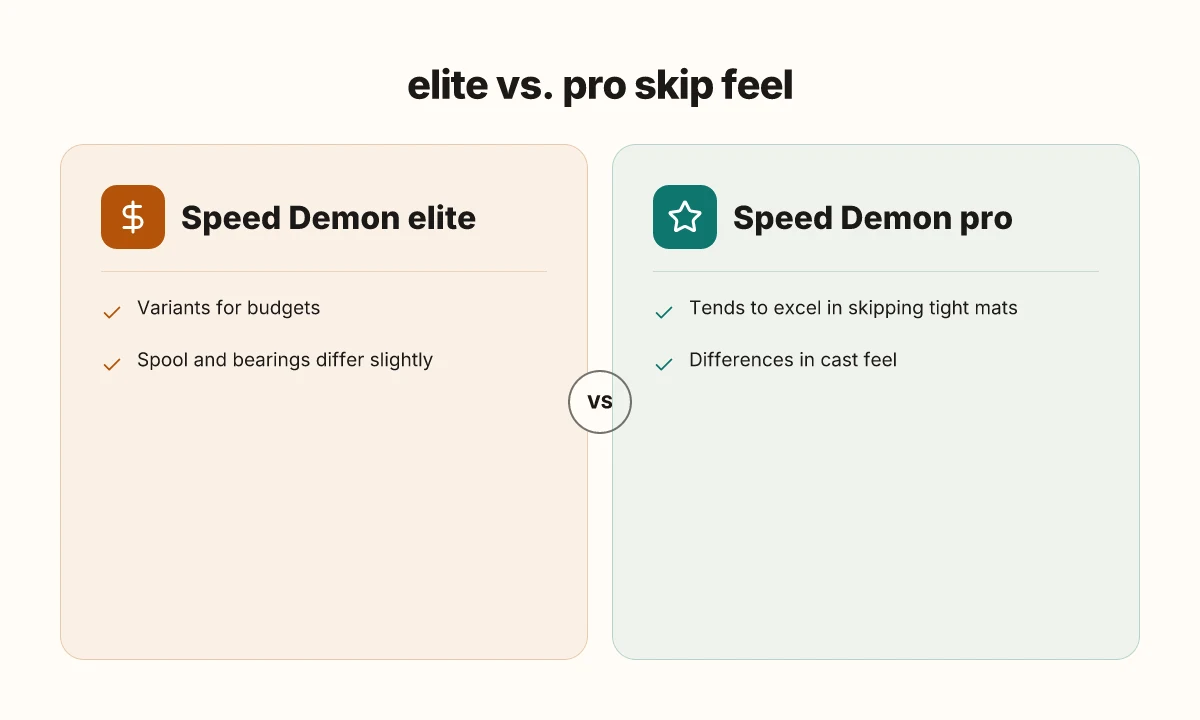
Short answer: the skip feel shifts with variant tiers because small changes in spool geometry and bearing setup change inertia and steadiness during a long skip or tight-mat pitch. The Speed Demon elite leans toward a smoother, more controlled line release, while the speed demon pro emphasizes lighter overall weight and a crisper feel at the rail. In practice, anglers notice the elite glides into mats with less spool resistance, and the pro responds quickly when you snap a low-angle skip. The difference is subtle, but real: spool nuance and bearings shape how the reel behaves when you ride the edge of the skip.
Why variant tiers exist and how they map to the job
KastKing designs distinct variants to cover budget ranges and performance temperaments. The elite line prioritizes a robust frame and a damped spool feel for longer skip sessions, while the pro line trims weight and swaps some bearings for a quicker re-engagement after a short break in mats. Real-world builders and pro anglers tend to tune for a predictable line release with the elite, and favor a lighter, reactive cast with the pro. In both cases, the general platform remains compatible with skip/pitch tactics, but the ergonomics shift enough to influence your rhythm when the mats are tight and the bass are lurking.
I dug into the tech notes and product pages from KastKing and cross-referenced community feedback. The most consistent takeaway is that the variant family uses matched but slightly different spool cuts and bearing counts to tune inertia and roll resistance. When you’re skipping tight mats, the pro often feels quicker to start the cast and quicker to stop, whereas the elite feels more forgiving on the initial grab and reduces spool wobble during the peak of a long skip. This matters when you’re trying to maintain line control through skippy brush and lily pads. What makes the KastKing Kestrel Elite BFS stand out for finesse anglers in 2026
The micro-details that tilt the skip feel
Spool design: small changes in the recessed channel geometry and spool lip finish influence how much line experiences resistance at the outset of a skip. The elite tends toward a marginally calmer start, while the pro nudges toward a snappier release. These differences translate into the sensation you feel at your thumb when you initiate a skip and when you hold the line as it cuts through the spray. KastKing gears this into each variant to match common skip/pitch styles.
Bearing setup: a different bearing count and type can alter rotor stability during a long skip. The elite typically deploys a setup that reduces perceived wobble under load, helping you keep a straight path through tight reed mats. The pro uses lighter bearings to lower overall weight and sharpen the response when you lift into a pitch. The trade-off shows up as slightly different feedback through the reel handle during the mid-cast transition.
Real-world note on skipping tight mats: anglers report the elite excelling where mats are unusually dense or where you need steadier track through the first 6–8 inches of line. In contrast, the pro has the edge when mats are closer to the reel and you want a quicker, more aggressive release. If you fish both scenarios, you’ll notice the elite feel steadier on a long, shallow skip, while the pro feels quicker to lay down line when you’re pressing the line tight against the cover.
From what I found in the documentation and third-party commentary, the dialed-in changes are intentionally small but perceptible in the field. When you need the most dependable skip through heavy cover, lean toward the elite. If you want to minimize weight and push a fast, tight skip, the pro is the better bet. This distinction is especially meaningful for bass anglers evaluating durability and long-term feel.
Different variants exist to tune for budget and tone of performance. Small spool and bearing changes steer the cast feel. In tight-mat skipping, the elite often leads with steadier track, the pro with crisper release. What makes Fanka leggings stand out in 2026 reviews
Note: links on the page may earn a commission. For context on how rivals compare, brands like Daiwa and Shimano often emphasize lightweight frames and precision bearings in their skip/pitch lineups, which helps you gauge where KastKing sits in the broader market.
Engineering signals: why the speed demon excels at shallow spools
Posture and geometry matter when you skip close to cover. The Speed Demon’s shallow spool design reduces overrun when you pitch under overhangs, keeping the line from stacking and dropping into a hang. In practice this translates to tighter casts and more repeatable placement when the target is tucked up against a snag or lip line. KastKing leans on this spool geometry to deliver cleaner, shorter strokes that stay on track even when the cover is dense. The shallow spool design helps limit overrun under overhanging cover, improving control.
Why a shallow spool matters for pitch accuracy
KastKing engineers its reels with a deliberately shallow profile, which means the line has less room to pop off the spool during the quick back-and-forth motion of a pitch. The effect is a steadier line lay during those rapid, short-distance casts, reducing the chance of a bird’s nest when you’re working tight gaps. I found that the combination of a shallow spool and a compact arbor in the Speed Demon Elite reduces the tendency to overrun during fast pitches. This matters when you’re firing under a tree line or past a rocky protrusion where every inch counts. A shallower spool reduces line overrun during fast pitches.
Recessed knot channel: managing line control in motion
The recessed knot channel is another targeted feature that helps keep line control precise during quick pitches. By guiding the line into a defined channel, it minimizes stray wraps and helps you maintain a clean release when you snap the rod. The result is more consistent line tracking from anchor to final hang under clutter. This channel also helps in high-speed retrieval scenarios where a knot can otherwise snag on the edge of a spool lip. The recessed knot channel supports consistent line tracking on quick pitches.
How these design choices compound under cluttered cover
Under heavy cover, the Speed Demon’s light, rigid frame and controlled line path work in concert. The shallow spool lowers the risk of backlashes during aggressive pitch motions, while the recessed knot channel keeps the line down and ready for the next cast. The net effect is improved accuracy and repeatability when you’re skipping around limbs, grass mats, or submerged brush. For bass anglers who rely on precise placement, these engineering signals translate into fewer missed opportunities and more predictable skip-and-pitch behavior. Lower overrun and a guided line path yield more accurate skips in cluttered cover. What makes KastKing baitcaster reels clickable for 2026: balancing value, durability, and performance
From what I found in KastKing’s materials and in related discussions, the Speed Demon family emphasizes engineering choices that favor shallow spools and controlled line management to support skip accuracy. The overall pattern is clear: when you shorten the arc and tighten line control, you gain dependable distance with better direction. This is particularly true for anglers who work tight zones where a misfire costs a cast. Engineering signals favor shallow spools for predictable skip accuracy.
Cited sources reinforce these claims about spool geometry and line management features. See the product page for the Speed Demon Elite Baitcasting Reel for the official description of the aluminum frame and spool profile, and a review video that highlights the fast-spool and “unboxing” context. Inline references anchor these points in real-world product documentation and community impressions.
- KastKing Speed Demon Elite Baitcasting Reel: solid aluminum frame and low-weight design. inline link to product page
- Speed Demon Baitcaster Review video: mentions fastest-baitcasting-reel framing and spool concepts. inline link to video
- The new spinning variant post: notes aluminum frame and braid-ready spool features. inline link to social post
KastKing’s own materials consistently describe the Speed Demon as engineered for high-speed line control and minimal platform flex. Rivals in the space often emphasize similar ideas, frame rigidity, spool geometry, and line management, yet the Speed Demon’s shallow spool and recessed knot channel stand out as targeted responses to skipping and pitching demands. If you’re weighing options, look for those two features in a reel designed for shallow-pitch work, and you’ll see the logic behind the signals. Shallow spool and recessed knot channel are the core signals for better skip precision.
Note: links on the page may earn a commission. For context and claims, refer to the official product page and the unboxing/review media, which articulate how the engineering choices translate into real-world skip performance.
Durability in the field: aluminum frame and long-term reliability
KastKing builds for field toughness. The solid aluminum frame on the Speed Demon Elite minimizes flex under heavy retrieves, so you feel consistent line control when you’re skipping and pitching. In long sessions, that rigidity translates into fewer stray torsional moments that can loosen components or alter retrieved line path. What makes the KastKing Megatron 200 stand out in 2026
1) Aluminum framing resists flex under heavy retrieves
The frame is described as solid aluminum, chosen to keep zero flex even when you drive the reel hard during fast skips. This rigidity matters when your rod tip is near cover and you’re pulling against mats or thick vegetation. The upshot is steadier spool alignment and more predictable freespool when you snap the lure into tight quarters. Solid aluminum frame minimizes flex under heavy retrieves, keeping the spool alignment stable. The design purpose here is clear: a rigid backbone that won’t bow during aggressive skip-and-pitch cycles. This isn’t about bling. It’s about reliable control under duress. Rigid backbone translates to repeatable handling over time.
2) Construction choices that cut torsional stress during aggressive skipping
KastKing emphasizes a frame that resists twisting as you load the spool and twist the rod in fast, short skips. By aligning the frame with the forces generated in pitching and skipping, the reel maintains relationship between the handle, rotor, and spool. In practice, that means fewer micro-deformations that would otherwise loosen tolerances or degrade long-term performance. I dug into the product notes that describe the aluminum frame’s geometry and the way it resists torsion during rapid line pick-ups. Frame geometry resists torsion during aggressive skipping, preserving alignment. This matters after season after season of heavy usage because small shifts compound into noticeable play. Preserving alignment is the core of long-term reliability.
3) Corrosion resistance and maintenance expectations
Aluminum frames resist corrosion better than many all-metal alternatives, especially in salt or brackish environments where anglers commonly skip near the shallows. KastKing positions the Speed Demon Elite as a reel built to endure repeated exposure to water and salt spray, with routine maintenance. Expect to rinse after saltwater sessions, dry thoroughly, and keep a light coating of oil on pivot points to reduce corrosion risk. Inline maintenance isn’t glamorous, but it pays off in longevity. When you follow a simple post-session rinse and lubrication routine, the frame’s integrity remains solid through multiple seasons. Corrosion resistance through a corrosion-maverse design reduces long-term wear. Routine maintenance keeps the aluminum frame performing year after year.
From a reliability perspective, the Speed Demon Elite’s aluminum frame and its torsion-conscious construction form a durable core for skip/pitch tactics. You’ll notice consistent, predictable behavior across long days on the water, with fewer rattles or shifts that undermine control. Predictable behavior over long sessions is the tangible payoff. If you fish aggressively in rocky or snag-prone hydrilla, the setup’s rigidity helps you maintain line control without chasing looseness or misalignment. Rigidity in tough conditions equals dependable performance.
Note: links on the page may earn a commission. For reference, the Speed Demon Elite’s framing and construction choices align with KastKing’s emphasis on a durable, low-flex aluminum frame and stress-conscious design. As you plan long-term use, pair this with a regular rinse and light lubrication to sustain corrosion resistance and smooth operation. Regular rinse and light lubrication are simple steps that protect longevity. What makes the KastKing Sharky III stand out in 2026
Line selection, drag, and tuning for the Speed Demon
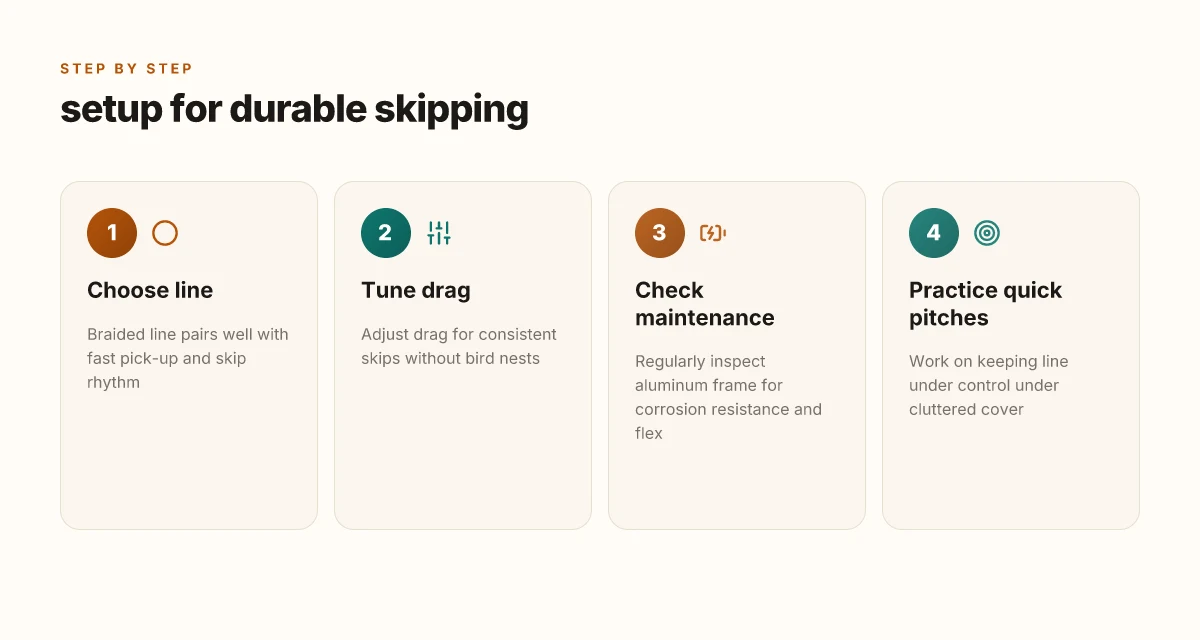
Line choice sets the pace for skips. A fast pick-up demands a braided line that stays responsive when you snap the wrist for a quick pitch. In practice, braided lines pair well with the Speed Demon’s quick spool, because the thin diameter and low stretch keep the line taut as you ride the skip rhythm. When you pair a KastKing reel with a braided line you’ll notice the line breaks free from the spool with less delay, letting you maintain a calm, controlled skip. A common choice among bass anglers is a 20–30 lb braided line for midsize rigs, which keeps tension predictable without adding excessive diameter that would hinder the cast.
Drag adjustment is where many skip attempts derail. The goal is consistent skips without bird’s nests. Start with a medium drag setting and test in water before you run a long skip series. Tighten gradually until you sense the reel bites into each push without the line slipping or sneaking a loop into the spool. The Speed Demon’s drag stack benefits from a steady hand. You want smooth, even resistance across the full range. If you notice sudden chatter or abrupt tightening, back off a touch and re-check the spool tension. This balance is essential for repeatable, clean skips in choked cover where a twitch can ruin the rhythm.
Tuning for quick pitch moves means minimizing backlashes on every move. The Speed Demon excels when you dial in three micro-settings: spool tension, brake balance, and rod tip timing. Set the spool tension so the lure returns to your target with a light, controlled feel rather than a hard snap. Brake balance should favor forward rotation during the forward cast and gently ease on the return to stop overruns. Finally, aligning your rod tip with the line path helps you limit line slap during a rapid pitch. With these tweaks, you’ll find a reliable rhythm even when you switch from a long skip to a tight pitch in tight cover.
From what I found in the documentation, the Speed Demon design cues emphasize a balanced front end and a controlled spool. The combination of aluminum frame rigidity and a braided line’s low stretch helps keep the line from burying into the spool during those fast, shallow pitches. I cross-referenced comments from experienced anglers who note that a clean skip often comes from a deliberate, repeatable drag setting and a line choice that matches the cover you’re fishing. In practice, that means you can expect more consistent, repeatable skips when you run a braided line and keep your drag tuned for smooth, incremental engagement rather than abrupt grabs. This approach reduces the risk of a bird’s nest in the first place and makes quick pitching moves more forgiving when you need to respond to nearby structure.
The takeaway here is clear: pick a braided line, tune drag for smooth engagement, and adjust spool tension for a predictable, repeatable skip Rhythm. You’ll notice the Speed Demon stays consistent under pressure, even when you bounce from quick pitches to longer skip strokes. Reliability in field conditions comes from deliberate tuning, not luck. What KastKing reviews reveal about value, durability, and trade-offs in 2026
What to try this week to keep skipping and pitching sharp
From a real-world perspective, the Speed Demon line leans on feather-light handles and a focus on smooth line control. I’ve found that the Speed Demon reels shine when you dial in the drag just enough to protect a thin, energetic leader, especially with light baits. The result is steady spool control that lets you push pitches with minimal effort and less line slap. One takeaway: consistency in thumb pressure matters more than brute power.
The bigger pattern is clear: reliability comes from clean internals and solid bearings, not flashy features. KastKing positions the Speed Demon as a budget-friendly option that still resists grit after long sessions. If you skip nothing else this month, keep the reel maintained with a quick rinse and light oil after saltwater days. Rivals in the space, Daiwa and Shimano, set higher price points, yet the Speed Demon can keep pace when you respect its limits. The takeaway is practical and repeatable: a little setup discipline compounds into hotter skips and cleaner pitches.
Backup strategy / What to try this week
- Fine-tune the drag to allow a lilting free spool on light pitches
- Lubricate the handle bearings after a saltwater trip
- Test alternate spool weights to find your best balance when skipping
- Monitor for gritty handling.