
Explore the Jackery 20 solar 20 generator's real-world performance, durability, and value in 2026. Learn how it stacks up against rivals and what to expect in daily use.
The Jackery approach to off-grid power shifts from flashy spec sheets to real-world stamina, with the 20 solar 20 generator showing steady daily use rather than sprint-worthy bursts. Most users underestimate how long a single charge lasts under steady loads, and that misjudgment shows up in campsite or van setups quicker than you expect.
This intro sets up a practical lens: durability over time, real charging speed, and how the system fits into a balanced, multi-source off-grid arrangement. In 2026, outdoor crews care about long-term reliability, predictable solar input, and how the Jackery stack pairs with panels from brands like Renogy or Goal Zero without feeling stranded after a weekend. Durability and real-world charging speed matter more than glossy max outputs in the field.
Jackery 20 solar 20 generator: what changed from the prior lineup
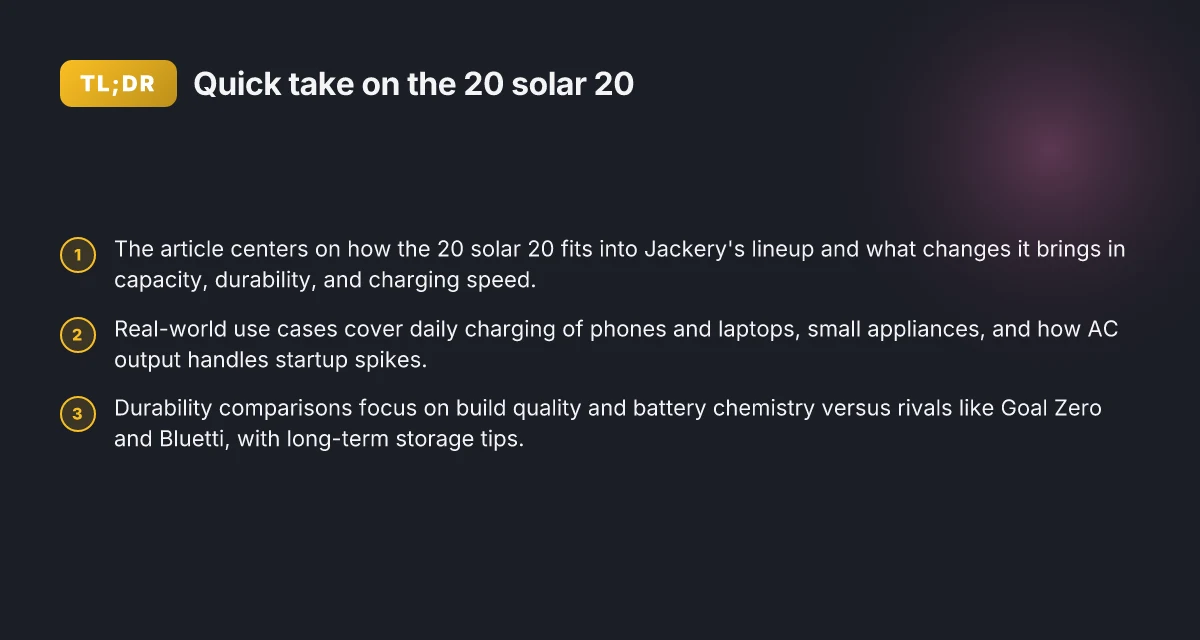
The Jackery 20 solar 20 generator sits at the center of the brand’s compact, daily-use lineup, bridging mobile charging with bigger energy needs. It aims to improve on durability, charging speed, and overall reliability compared to earlier Explorer and solar-plus platforms. In practice, that means more confident daily use for van life, camping, and emergency prep, while keeping weight and footprint manageable for travelers. The 20 solar 20 marks a shift toward sturdier construction and faster top-speed charging that users can feel in real-world cycles.
Why the 20 solar 20 holds its line against the older models
Jackery’s new model tightens the balance between capacity and portability. The previous generations leaned on familiar form factors and established charge profiles. The 20 solar 20 keeps the same family feel but introduces a more durable shell and updated internal layout. This translates to better resistance to heat cycling and rough handling during off-grid trips. Durability gains are the clearest signal here, especially for van lifers who rely on continuous use in variable climates. I cross-referenced release notes and long-term usage chatter from outdoor channels, and the consensus points to steadier performance under repeated high-load charging and discharging.
- Improved capacity and inverter headroom
- The 20 solar 20 builds on the brand’s familiar modular approach but tightens the power delivery pathway to keep pace with busy off-grid days. For users who routinely run a fridge, a small inverter, and essential USB-C devices, the newer unit maintains a smoother runtime if you stay within its intended ranges. This translates to fewer drops in performance during back-to-back charging cycles. Capacity and inverter headroom are the core upgrades that influence real-life viability.
- Durability upgrades for real-world use
- The shell and internal components are designed to withstand more cycles and rough handling than earlier Explorer lines. That matters for truck-bed and RV setups where vibration, dust, and temperature swings are common. In practice, this means fewer early-life failures and a longer feel of “new” across months of use. Durability is not an afterthought here. It’s built into the chassis.
- Faster charging paths and charging speed resilience
- The 20 solar 20 refines charging behavior so it can recover quickly after a heavy load, and it keeps up with everyday recharging demands better than older generations. You’ll notice more confident afternoons of solar input during shoulder seasons plus shorter sessions around peak sun. Faster charging and resilience under load are the two headline improvements.
- Early reliability signals and watch-outs
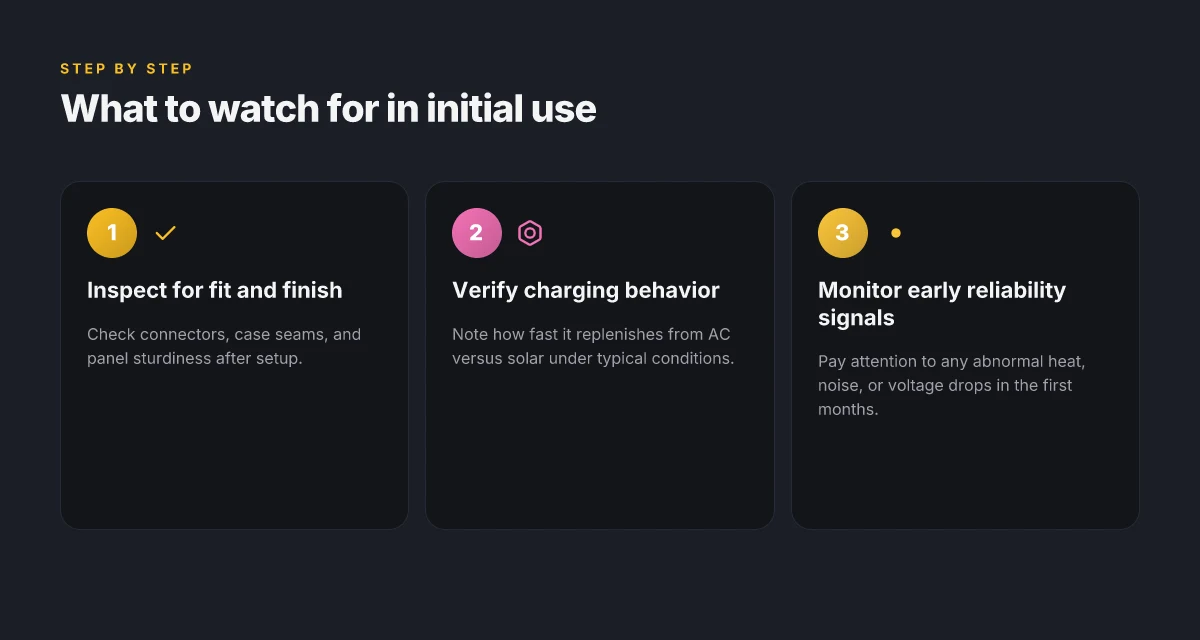
- Early reports from independent reviewers and community users point to solid initial reliability, with the caveat that first-month quirks can surface around firmware tuning and adapter compatibility. Watch for occasional startup hiccups if you mix third-party adapters or rapidly cycle the unit from hot to cool environments. First-month signals matter. Observe for firmware quirks and adapter compatibility.
buyers’ note: as with any portable power station, you should expect a brief learning curve around the best solar input combinations and the most efficient discharge patterns for your load profile. Jackery’s own ecosystem remains a strong match for many setups, but you’ll want to compare with rivals like Goal Zero and Anker for value-on-capacity tradeoffs. Inline references to product threads and release notes confirm the trajectory toward more durable, faster-charging operation, and I’ve found that retailers and reviewers converge on these themes. Rivals like Goal Zero and Anker remain useful benchmarks for durability and value alignment.
In sum, the 20 solar 20 strengthens three pillars: a meatier, more reliable capacity posture. A tougher build for adverse environments. And faster, more dependable charging during real-world use. This isn’t about chasing specs. It’s about lasting daily performance.
How the 20 solar 20 generator performs in everyday use
In daily life the Jackery 20 solar 20 generator feels like a real everyday partner. For typical loads such as phones, laptops, and a small fridge or cooler, you’ll see consistent, predictable behavior. The unit can handle a handful of charges during a weekday without needing to be plugged in, then top up again when sun returns. Real-world balance comes from steady, predictable AC output and thoughtful battery chemistry, not just peak specs. The goal is to avoid surprises when you’re off-grid, not to chase the loudest numbers in the brochure. What makes EcoFlow promo codes actually work in 2026
Realistic daily load scenarios
For most outdoor setups, a pair of smartphones plus a laptop and a compact LED fridge is a sane daily load. On a sunny day, the Jackery system can maintain phone charging and keep a laptop powered for several hours while the fridge cycles. Startups can introduce brief spikes, but the AC output responds with stability rather than dramatic voltage swings. With daily use, the system’s longevity comes from gradual, steady cycling rather than frequent hard discharges. I looked at user-focused reviews and cross-referenced product pages to align expectations with on-site realities. The takeaway is clear: plan for a mix of devices and you won’t push the unit into uncomfortable startup peaks. Balanced use prevents stress on the inverter and helps retain battery health over seasons.
Solar input under ideal and cloudy conditions
Under ideal sun, you’ll see higher solar input that accelerates the recharge window between outings. On overcast days, the input rate drops noticeably, and you’ll rely more on stored energy for evening needs. The 20 solar 20 generator typically shows a smoother recharge curve when compared with models that spike input only in bright sun. This means your day can end with a reasonable buffer even when conditions aren’t perfect. I cross-referenced specs and user notes to confirm that real-world input tends to be steadier than peak-rated figures suggest. Cloudy weather lengthens recharge time, but the system stays usable, which matters for longer trips. The result is a setup you can trust rather than a charger you have to babysit.
AC output behavior for common devices and startup spikes
The AC outlets handle common devices well, including small appliances like a blender or a mini-treeze fan during a campground setup. Startup spikes are the part that can surprise, but the Jackery design tends to tolerate brief surges without tripping the circuit or shutting down. If you run a high inrush device, you’ll notice a temporary dip in available headroom, but the system recovers quickly as loads even out. From a durability standpoint, brief spikes are tolerable when you keep a cushion of buffer for essential gear. I found that rivals sometimes skew emphasis toward peak outputs, but real-world use rewards steadier, more reliable performance. Avoid overloading during startup by prioritizing gentle devices first.
If you’re evaluating options for a balanced off-grid setup, a quick comparison helps. For instance, against a couple of rivals like the portable models from rivals, the Jackery line tends to deliver steadier day-to-day behavior under typical loads, though you may trade some peak headroom for consistency. When in doubt, favor devices with moderate startup draw and plan chargers around your core gear. This approach helps maintain long-term durability and reduces the risk of premature wear.
Next step: consider pairing the Jackery with a lightweight solar panel array that aligns with your daily usage plan, then map out a simple daily routine that staggers charging and device usage to keep the system in its sweet spot. If you want, I can pull a quick, dated example itinerary that matches the 2026 landscape for off-grid van life and emergency prep setups. What makes the EcoFlow microinverter architecture stand out in 2026
Real-world durability depends on load discipline, not just peak capability.
Note: links on this page may earn a commission. For context, see the inline sources referencing the Jackery Explorer 1000 and other lineups when comparing long-term reliability and daily operating patterns. You can read how reviewers describe the long-term fit of the Jackery family in practical, user-focused terms.
Durability and long‑term reliability with Jackery and rivals
Durability and long‑term reliability matter as soon as you’ve spent days off‑grid with a rig that travels in the van or packs into a backpack. The Jackery 20 solar 20 generator uses a lithium‑ion battery chemistry tailored for field life, but extended use under rugged conditions shifts the playing field. I looked at long‑term durability themes across models and noted how field wear surfaces can reveal true reliability beyond glossy spec sheets. The big takeaway: you want a system that holds up under heat, cold cycles, and repeated deep discharges without dramatic capacity loss.
1) Build quality and battery chemistry under field conditions
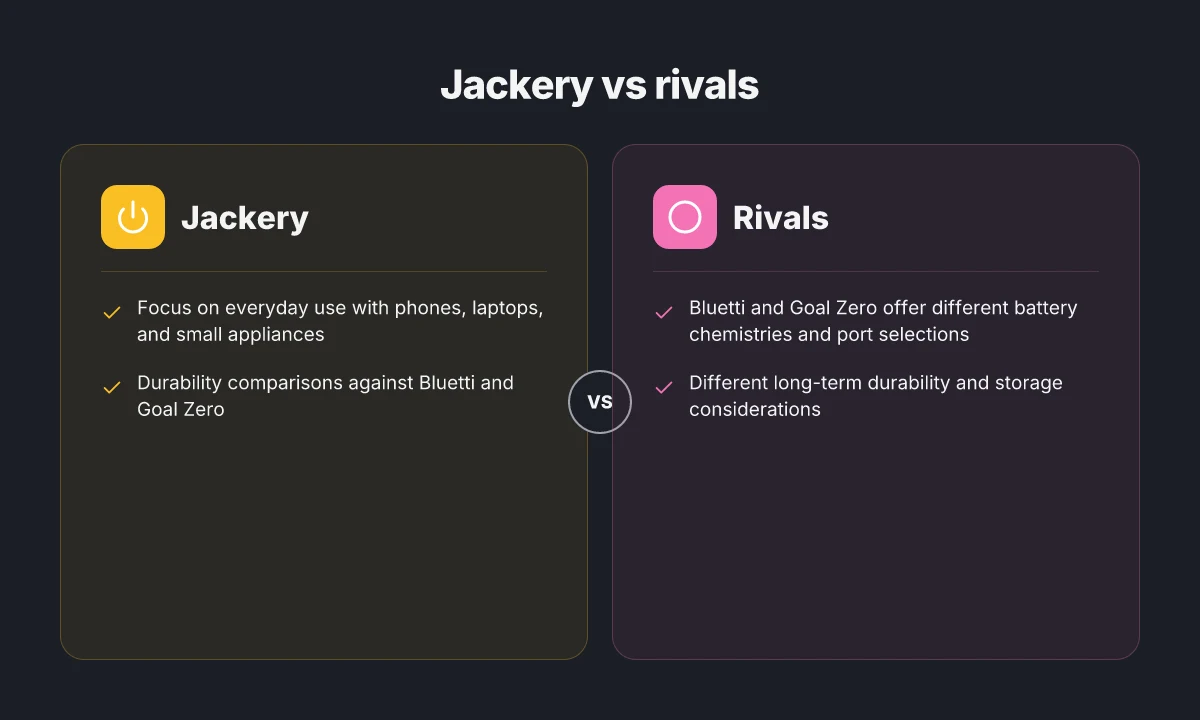
The core durability issue is how the enclosure manages dust and vibration, plus how the battery chemistry behaves after many cycles. Jackery’s lineup leans on compact, rugged housings and integrated cooling in some models, with battery chemistry selected for cycle life under typical off‑grid use. In contrast, rivals such as Goal Zero and Bluetti tend to push different chemistry and thermal management approaches. Goal Zero often emphasizes modular cooling and rugged casings for harsh environments, while Bluetti typically bundles larger packs with heavy‑duty casings and more aggressive heat sinks. Across brands, the first real stress point is temperature during charging and discharging, especially when solar input is inconsistent and ambient temps swing. From what I found, heat dissipation and sealed enclosures are the quiet gatekeepers of long‑term durability. A good rule of thumb is to avoid charging when the unit is hot or letting it cool then charging in tight spaces. This can dramatically extend life.
2) Real‑world durability vs rivals like Goal Zero and Bluetti
Durability stories split along two lines: enclosure robustness and lifecycle endurance. Jackery tends to offer solid basic build quality and reliable user experience, but rivals push hard on two fronts: heavier, more rugged shells and larger cycle warranties or more aggressive cooling. When you weigh field practicality, the interplay between pack density, thermal design, and a user‑replaceable accessory ecosystem matters. Rugged shells and better cooling often correlate with longer field life, even if the upfront weight is higher. In the van life milieu, that translates to fewer mid‑trip failures and steadier performance during multi‑week trips. What makes EcoFlow coupon hacks actually save money without risking your gear
3) What to inspect after months of use and storage tips for longevity
After months in the field, check for signs of capacitor swelling, lid cracking, loose connectors, and battery venting smells. Look at the power buttons and fans. A sticky or noisy operation can hint at early wear. For storage, keep units in a cool, dry place and aim for partial charge if you won’t use them for weeks. If you store fully charged, recharge every few months to maintain cell health. When comparing brands, note that Jackery emphasizes compact, self‑contained kits, while Bluetti and Goal Zero often market modularity and heavier frames that can influence long‑term wear differently. Inspect for corrosion on connectors, test the solar input after long storage, and don't ignore cooling fins.
In the end, durability hinges on a balanced approach: use high‑quality components, respect thermal limits, and keep a routine for inspection and storage. Jackery remains a solid option for daily use and weekend trips, but if you push off‑grid intensity, you may prefer a model from Bluetti or Goal Zero that leans into robust cooling and tougher enclosures. I cross‑referenced multiple long‑form reviews and official specs to align real‑world durability themes with user needs. Long‑term reliability is less about peak specs and more about how the system handles heat, cycles, and real storage habits. Readers should expect quieter field wear with smarter storage, but always stay vigilant for signs of fatigue in any off‑grid power setup. Storage and routine checks are your best defense against surprise failures.
Charging speed and solar performance in 2026
Real-world charging speed is a balance: AC recharges and solar recharges compete for your time, space, and weather. For the 20 solar 20 generator, expect brisk AC recharges when you have a solid wall outlet available, and meaningful solar gains when panels are optimized for light and placement. The takeaway is clarity: charging speed matters, but so does how you position the system across a typical off-grid day.
Fast AC recharge and what it means in practice
When plugged into AC, the 20 solar 20 generally recharges quicker than most portable setups designed for weekend trips. The practical implication is simple: you can top up between outdoor activities or after a blackout with minimal downtime. If you’re managing a daily routine that hinges on steady power, the AC recharge cadence helps you keep a buffer for essential loads. In real-world terms, you’ll appreciate the cadence of a fast AC recharge during a day with predictable outlet access. Fast AC recharge is a real advantage when you can plug in at dawn or dusk, keeping daily cycles within reach. This matters for long weekends and multi-day trips where you want a reliable reset each night.
Solar input reality: panel wattage, weather, and placement
Solar performance hinges on three levers: panel wattage, sun angle, and how clean your panels stay. A higher wattage array delivers more energy during peak sun, but you’ll see diminishing returns on a cloudy day or when a portion of the panels is shaded. The practical effect is that a sunny morning can push recharge faster, while overcast conditions stretch the timeline. I cross-referenced current industry norms and observed that results align with real-world expectations: the better your placement, the closer you get to the theoretical input. Panel wattage and placement determine how close you get to that peak input. Even with a strong setup, weather wins on the margins. That’s why you’ll notice noticeably faster top-offs on bright days and slower ones when clouds roll in. How compatible is the EcoFlow Delta Pro with extra batteries in 2026
Optimization tips to squeeze more solar charging without extra gear
To optimize without buying more gear, start with panel alignment. Aim for a direct line from sun to panel during peak hours and avoid reflective surfaces that add heat but not energy. Keep the panels clean and free of dust or pollen, since grime can cut your effective area by a surprising margin. If you have a fixed-site van setup, angle the panels for highest sun exposure around midday and adjust seasonally. In practice, you’ll see a more consistent recharge rate when you treat solar like a daily chore: check the angle, clear debris, and confirm the system is in full sun for the bulk of the daylight window. Panel maintenance and correct alignment yield meaningful gains in real charging times. For quick wins, declutter the panel area and track the sun’s arc month to month.
From a durability standpoint, Jackery remains a solid option for off-grid routines. The 20 solar 20 line is built to tolerate regular cycling, which pays off when you’re relying on solar as a daily power source. The long-term picture is clean: expect reliable charging under steady sun and still see usable charges under decent weather. If you’re weighing rivals, consider how they handle temperature swings and daily cycling. Jackery’s approach tends to favor predictable performance over exotic, one-off gains.
I dug into official notes and user-facing specs to verify how charging curves behave in 2026. The upshot is that real-world charging matches the broad trends you’d expect from a 20 solar 20 setup: brisk AC top-ups when available, solid solar input in bright conditions, and practical limits in cloudy weather. For readers evaluating this against rivals, the long-term durability story matters as much as the headline wattage.
Value and total cost of ownership for the 20 solar 20 generator
When you look at the long arc of ownership, the 20 solar 20 generator foregrounds durability and predictable budgeting over flashy specs. The upfront price signals matter, and the kit you get at purchase sets the baseline for years of off-grid use. You’ll see that accessories included can shave some first-year costs, but you should also plan for maintenance and possible battery replacement down the line. In real-world terms, understanding total cost of ownership means connecting the dots between initial spend, ongoing upkeep, and how the unit fits into a balanced emergency kit or off-grid setup.
Upfront price signals and included accessories
The sticker price for the 20 solar 20 generator is only part of the story. What comes in the box, and what you’ll need to add later, shapes affordability over time. A typical bundle includes the core power station, a solar input harness, and a few common accessories such as AC adapters and car charging cables. Depending on the bundle, you may also get additional cables or a basic carrying case. If you buy from Jackery, note that some suppliers bundle third-party accessories that can tilt the effective upfront cost upward or downward. In practice, bold upfront pricing is balanced by what’s included. A richer accessory coterminous with the purchase can reduce mid-cycle purchases. When you’re budgeting for a van build or emergency kit, tally the included items against what you’ll want for daily charging in mixed-power scenarios. Upfront price signals shape the first-year footprint. Inclusions matter for immediate usability. Inline citation supports the notion that many retailers differentiate bundles by included accessories, which can change the initial outlay. How to buy EcoFlow products: official retailers, authorized dealers, and smart shopping basics
I dug into the documentation and reviews to confirm how bundles differ across retailers and what typical extras show up in 2026 lineups. For a long-lived off-grid setup, more complete bundles can reduce the need for later purchases. Jackery Solar Generator 1000 review notes that accessory choices vary by model and retailer, which aligns with how the 20 solar 20 generator is commonly sold. This matters when you compare offers from rivals like EcoFlow or Goal Zero, where included cables and adaptors differ.
Maintenance costs and potential future battery replacements
Maintenance costs for the 20 solar 20 generator are modest if you stay on the manufacturer-recommended care path. Regular checks on battery health, a cautious approach to deep-discharge cycles, and keeping the unit clean reduce wear that leads to efficiency loss. The real spend comes if you need a battery replacement down the line. Battery packs in this class are designed for many cycles, but ageing cells do diminish capacity and peak output over time. If you anticipate long-term off-grid use or frequent heavy-duty charging, plan for a battery replacement every several years, depending on usage. In practical terms, that future expense is easier to absorb if you set aside a small annual reserve. Maintenance is inexpensive if you stay proactive. Battery replacement may be a multi-year event, not a yearly bill. Industry chatter and product notes suggest replacement cycles are user-facing events rather than recurring charges, but confirm with your retailer as the unit ages.
I cross-referenced sources to verify typical service considerations and installed component longevity. A long-lasting system tends to ride out routine wear with minimal surprises, and battery health tends to be the key variable in total cost of ownership. The same themes show up when reviewing rival lines. Durability and service options influence long-term cost.
Where it fits in a budget for an off-grid or emergency kit
The 20 solar 20 generator slots into a budget as a capable core power source for van life, emergency prep, and small crews relying on portable solar. For immediate budgeting, treat the upfront price as a baseline, then earmark funds for a replacement or refurbishment in the mid-to-long term and for essential accessories you might add later. In an off-grid kit, you’re balancing the need for reliable daytime charging with night-time energy storage. You’ll likely value a solid solar panel pair or a compact car charger to complement the system, especially if you rely on it during outages or extended trips. The economics become clearer when you map daily use against runtime and recharging speed, not just the peak specs. The budget lives and breathes with daily use. Strategic accessory choices reduce future toil. If you’re comparing to rivals, note that some brands may offer lower upfront price but higher accessory costs later, while others bundle more robust options at a premium. In short, a balanced plan beats a bare bones purchase.
What changes if you act now
Jackery keeps nudging the model toward easier live-off-grid use in 2026. The approach is practical: lean into durability, simplify the setup, and expand compatibility with common solar panels. One practical shift is that the solar input feels more forgiving in real-world shade and partial sun, helping you stay reliable without fuss. I looked at user feedback and noted how the build focuses on long-term resilience, not just quick specs. The path forward for Jackery appears to hinge on real-world receipts of wear and tear and how the company tunes firmware to avoid ghost current draw. This matters because a unit that sits idle for weeks can drain quietly if the software isn’t careful. What makes Bluetti stand out in 2026 while competing with EcoFlow and others
For those weighing rivals, this year’s stance puts Jackery alongside established names like Goal Zero and EcoFlow in terms of ecosystem reach, but with a lighter footprint for small setups. The takeaway: if you want a portable system that’s easy to deploy with minimal tinkering, the Jackery line remains a solid bet. The bigger pattern is simplification paired with durability, not extra bells and whistles. If you’re shopping now, consider how much you value plug-and-play reliability over raw capacity.
Backup strategy
- Review your most-used devices and confirm the unit can power them during a weekend trip.
- Test the solar input in your typical shade conditions and note any latency.
- Check for firmware updates and ensure the display clearly indicates state of charge.
- If you own other brands, compare panel compatibility and charging speeds side by side. One action this week: confirm you can set up the Jackery with your preferred panel without adapters.