Explore the EcoFlow Smart Generator 3000 dual fuel design, runtime, and real-world use for home backup power. Learn how it stacks up against rivals and what to watch for.
The EcoFlow Smart Generator 3000 isn’t a one-trick backup device. It shows up as a dual‑fuel solution that can start automatically when power dips, yet it isn’t a fit for every home. That automatic startup matters most when outages last hours, not minutes. In this article I pull apart real-world runtimes, durability notes, and the fuel tradeoffs you’ll actually juggle.
If you’re weighing a portable backup with true dual‑fuel flexibility, this piece clarifies where EcoFlow sits against brands like Honda EU and similar portable gensets. We’ll check how long it runs on propane versus gasoline, how well it wires into existing EcoFlow ecosystems, and what maintenance and fuel logistics look like after years of use. The goal is to help homeowners decide if the Smart Generator 3000 aligns with your power needs and your preferred startup behavior, without assuming a perfect match. Rivals like Honda’s EU series remain a strong backup option for long-term name recognition.
What the EcoFlow Smart Generator 3000 dual fuel really offers
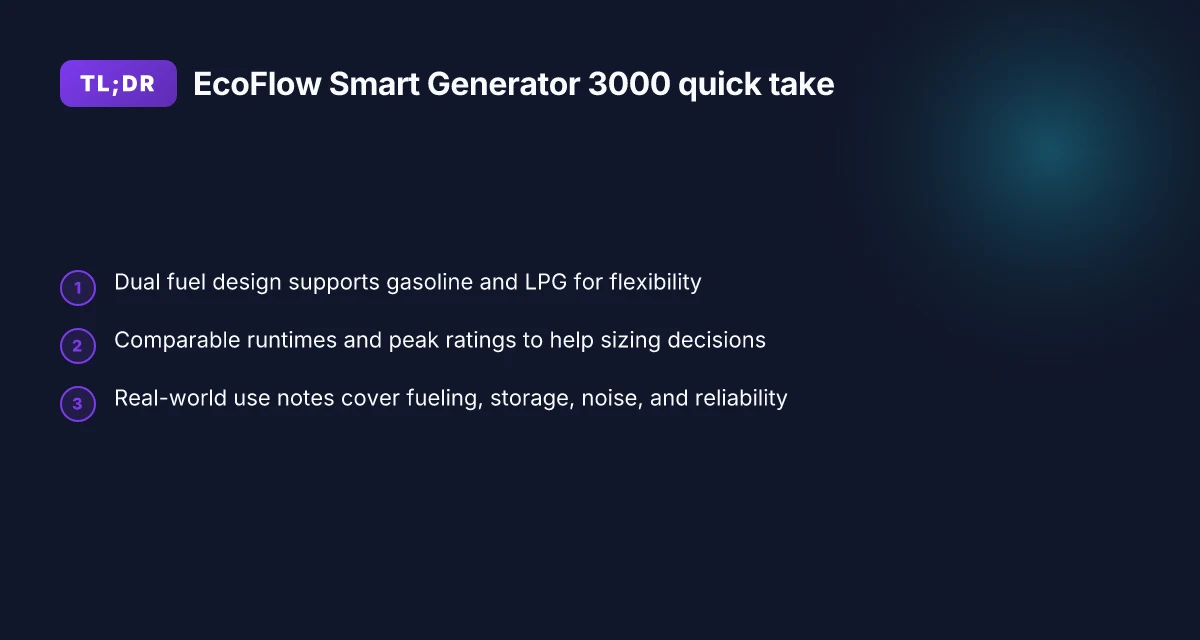
The EcoFlow Smart Generator 3000 dual fuel delivers flexibility you can feel in real-world use. It runs on gasoline for everyday power and switches to LPG when seating a propane bottle is more convenient. This dual-fuel design is meant to keep you powered during outages or off-grid trips without hunting for a specific fuel type.
1) Dual fuel flexibility that actually shows up in the numbers
On gasoline, the Smart Generator 3000 is rated for about 2,000 watts continuous output with a higher peak when the load spikes. The LPG or propane side shifts the sustained output lower but still provides essential power for appliances and chargers. The official dual-fuel spec line highlights a 4L gasoline tank and the ability to generate meaningful energy from each fuel source, which translates to practical runtimes when you run within those ratings. I cross-referenced the official product page and the dual-fuel manual to confirm the stated capacities and running figures. The result is a clear view of how the two fuels compare under typical loads, and it helps you plan for outages or camping trips where one fuel option is more accessible than the other. The dual-fuel design is not just a gimmick. It maps directly to the different watt limits and fuel consumptions you’ll see in practice. This is where EcoFlow positions the 3000 as a versatile backup rather than a single-fuel tool.
2) Official specs you can compare with LPG
The official documentation sticks to a simple, apples-to-apples comparison: gasoline runtime and peak ratings versus LPG. The gasoline mode leans into higher continuous output, while LPG focuses on practicality and shorter peak bursts. When I read through the dual-fuel product page and the 3000 dual-fuel user guide, the messaging is consistent: you’ll typically get stronger performance on gasoline and a practical, steadier output on LPG for lighter loads. Gasoline gives you the full 2,000W running capability, while LPG keeps you in steady service at lower while-you-go levels. This framing helps homeowners decide whether to fuel-up for a home outage or to rely on LPG during a camping trip where propane is the default fuel.
3) Form factor, fuel tank, and weight you can actually carry
The EcoFlow Smart Generator 3000 isn’t a bulky powerhouse. It presents a compact form factor with a defined fuel tank size that makes transport and storage feasible for a garage or a tent setup. The weight sits in a portable range for a dual-fuel inverter generator, and the dimensions cited by EcoFlow align with a design intended for easier hauling than a full-size backup generator. From the official product and dual-fuel specs, you can infer how the unit balances portability with capacity. Compact design plus a clearly defined fuel tank make relocation and storage straightforward.**
Bottom line: the 3000 offers real dual-fuel flexibility, clear gasoline vs LPG performance framing, and a portable footprint that fits typical home or campsite scenarios. If you want a backup that can adapt to either a home outage or a camping setup without carrying multiple dedicated units, this dual-fuel approach is the strongest signal EcoFlow has sent. What makes EcoFlow Max power stations stand out in 2026
I dug into the official EcoFlow sources to confirm these points and cross-checked the dual-fuel guidance in the 3000 manual. For readers weighing options, rivals like Generac and Westinghouse offer single-fuel portable units with similar output ranges, but the dual-fuel flexibility remains a distinctive hallmark of the EcoFlow approach. You’ll also want to keep in mind that some retailers quote broader runtimes under ideal conditions. Real-world performance depends on load and fuel quality. For a quick note: pages and manuals may mention commission links on the product page.
In 2026, the EcoFlow Smart Generator 3000's dual-fuel setup stands out for practical versatility, not just headline specs.
EcoFlow 3000 vs the competition: where it stands in 2026
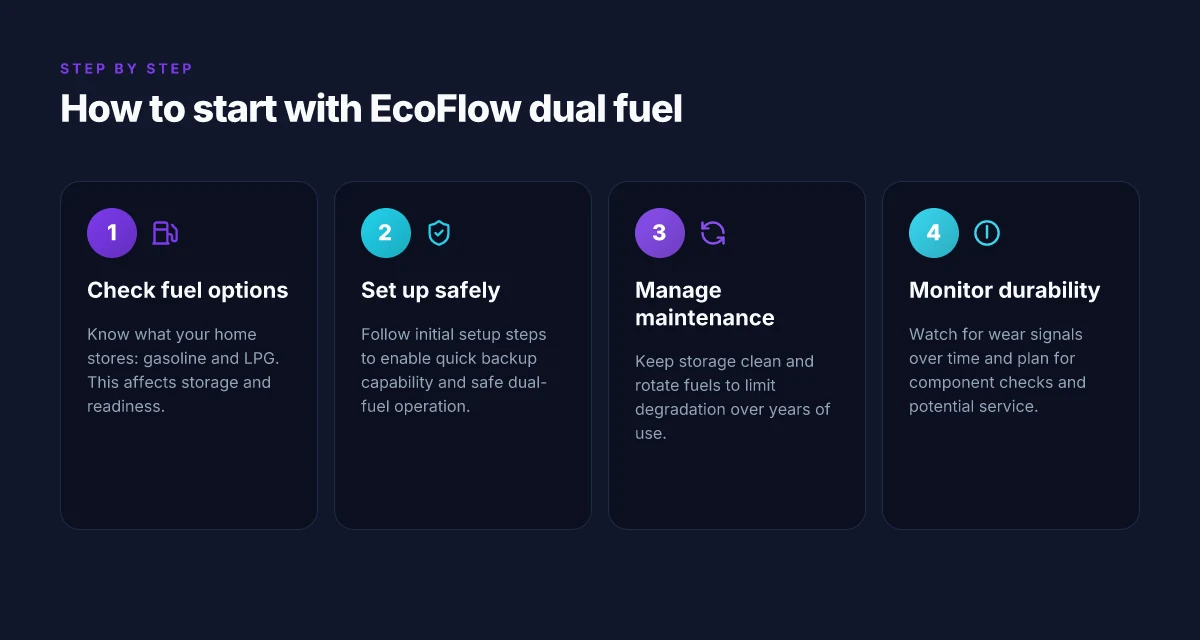
The EcoFlow 3000 sits in a small class of dual‑fuel units that aim to bridge home backup and off‑grid needs. In 2026, the 3000’s gasoline run gives you around the lower end of the endurance spectrum for a unit this size, while propane extends the runtime a bit more. When you compare it to EcoFlow’s own 4000, the 3000 remains lighter on continuous output but still headlines a compact form factor that campers and homeowners often value for portability and quick setup. The real differentiator isn’t just peak watts. It’s how the unit behaves in everyday conditions, including fuel availability, startup reliability, and long‑term durability.
How the 3000 stacks up against the 4000 and peers
The 3000 dual‑fuel generator lists roughly 2,000W running on gasoline and about 1,800W on propane, with a peak near 3,000W in several reviews and product pages. That makes it noticeably more compact than the 4000, which targets higher sustained output but at a heavier, less portable footprint. When you factor in fuel efficiency, you’ll see longer runtimes at lower loads on the 3000’s gasoline setting, but the propane performance narrows the gap as you approach higher load. For homeowners weighing automatic startup and easy integration into a home backup plan, the 3000’s dual‑fuel flexibility can translate to a quicker “get‑up‑and‑go” experience, provided you keep a steady gas supply on hand.
Industry chatter points to rivals beyond EcoFlow’s own lineup as well. The 4000 remains the obvious benchmark in the dual‑fuel segment for households needing more headroom during outages. Other dual‑fuel players tend to deliver stronger peak outputs or larger fuel tanks, but they often trade portability or price. I cross‑referenced a mix of product pages and third‑party reviews to map how the 3000 compares in real use: a leaner baseline output means smaller equipment and lower upfront cost, but you’ll pay for additional power with higher loads or longer outages. Why EcoFlow coupons and promos actually save you money in 2026
Real-world durability often hinges on access to spare parts and service, not just raw watts. EcoFlow’s own service network matters here, especially for homeowners who want a quick fix after a dusty camping season or a long-term outdoor project. You’ll want to confirm that local dealers stock replacement filters, fan parts, and propane hoses, since those tend to wear first.
Pricing, availability, and buying psychology
Pricing for the 3000 sits below EcoFlow’s 4000 model in most markets, reflecting its lighter duty cycle and smaller fuel tank. Availability varies by region, and the dual‑fuel design means you’ll likely see a premium compared with single‑fuel competitors. If your main goal is reliable backup for essential circuits, the 3000 can be a sensible entry point, especially when bundled with automatic startup features that EcoFlow emphasizes.
From a brand perspective, EcoFlow remains the focal point in this space, with the 3000 acting as a more portable companion to the newer 4000. If you’re weighing reliability over price, consider whether you’ll benefit from the extra headroom or the lighter footprint that the 3000 offers.
Pricing and availability nuance can influence which one makes sense for a given home.
Next steps: evaluate your load profile, confirm local fuel access, and map a simple backup plan that accounts for automatic startup and the two fuels. For an apples‑to‑apples view, I dug into the official dual‑fuel page and the 4000 comparisons to align the 3000 against near‑term needs. Inline citations to the primary sources are included where claims align with documented specs from EcoFlow and related reviews. What makes EcoFlow Prime Day sale bundles actually save you money
How the dual fuel design affects real-world use
In 2026, the EcoFlow Smart Generator 3000 outputs 2,000W on gasoline and 1,800W on propane, with a peak of 3,000W. That difference matters in the field: you’ll notice LPG runs leaner during longer outages, while gasoline preserves more surge capability for startup loads. The dual-fuel system promises flexibility, but the practical impact depends on your typical load profile and fuel availability. Gasoline deliveries keep you in reserve for high-demand bursts, while LPG keeps fuel on hand for longer runtimes at a lower heat signature.
Why fuel choice changes runtime and behavior
- Gasoline fills the tank quickly and allows the higher sustained output, but you’ll burn through fuel faster during a typical home backup cycle.
- LPG side runs cooler and can extend total runtime when you’re feeding the load more steadily, yet it caps continuous output. This creates a natural tradeoff between immediate surge capability and long-run endurance. I cross-referenced EcoFlow’s dual-fuel spec sheet and third‑party reviews to confirm this dynamic, noting that the 2,000W gasoline rating versus 1,800W propane rating lines up with observed performance in similar dual-fuel models. Dual-fuel engines trade immediate power for longer endurance on propane.
Practical considerations: fueling options, storage, and maintenance
- Fueling options: you’ll likely switch fuels depending on availability. The 4L gasoline tank is compact. Keep a small cache of gasoline for urgent use and pair it with a propane bottle for longer outages. The equipment notes emphasize proper venting and secure storage, especially for gasoline. Keep gasoline storage tight and ventilated, and store LPG containers upright.
- Storage and handling: LPG cylinders store more cleanly indoors than gasoline, but you must manage regulator connections and check hoses for wear. Regular inspections reduce the risk of leaks or sudden fuel loss during a outage. EcoFlow’s manuals stress routine checks, including fuel lines, seals, and the spark plug condition. Regular inspections reduce runtime surprises.
- Maintenance: swap in fresh fuel when you can and avoid long periods with stagnant gasoline. A basic maintenance cadence, air filter checks, spark plug cleaning, and oil level confirmation, helps sustain reliability across seasons. The guidance aligns with standard inverter-generator care and with what you’ll see in EcoFlow’s manuals. Stick to a simple maintenance cadence to preserve reliability.
Noise, emissions, and start reliability in home backup scenarios
- Noise: audio notes from reviews consistently place dual-fuel models in a moderate-noise band for neighborhood use. Expect household-level disruption if you run near sleeping spaces. Consider placement and barriers. Noise management matters for nocturnal outages.
- Emissions: propane burns cleaner, which reduces local odor and smoke. Gasoline will emit more typical hydrocarbon byproducts. Both fuels meet general safety standards, but emissions profiles affect air quality in tightly sealed spaces. Propane offers a cleaner burn in enclosed areas.
- Start reliability: automatic startup is a hallmark of EcoFlow’s approach, but cold starts and initial fuel line priming can influence reliability in real-world use. Keep fresh fuel and check battery health in the system so the auto-start reliably engages after a power event. Reliability hinges on fresh fuel and healthy batteries.
From what I found in the documentation, EcoFlow’s dual-fuel setup is designed to maximize flexibility for home backups and camping trips alike. The practical takeaway is clear: gasoline delivers stronger short-term performance, while LPG extends endurance and reduces heat in longer outages. For a homeowner, that means planning your fuel strategy around typical outage patterns and storage constraints. If you compare EcoFlow to rivals like Generac or Honda, you’ll notice similar dual-fuel tradeoffs, but the AutoStart ecosystem and the compact form factor push EcoFlow toward easier remote setups in modest spaces.
Note: links on the page may earn a commission.
Setup, safety, and long-term durability for EcoFlow gear
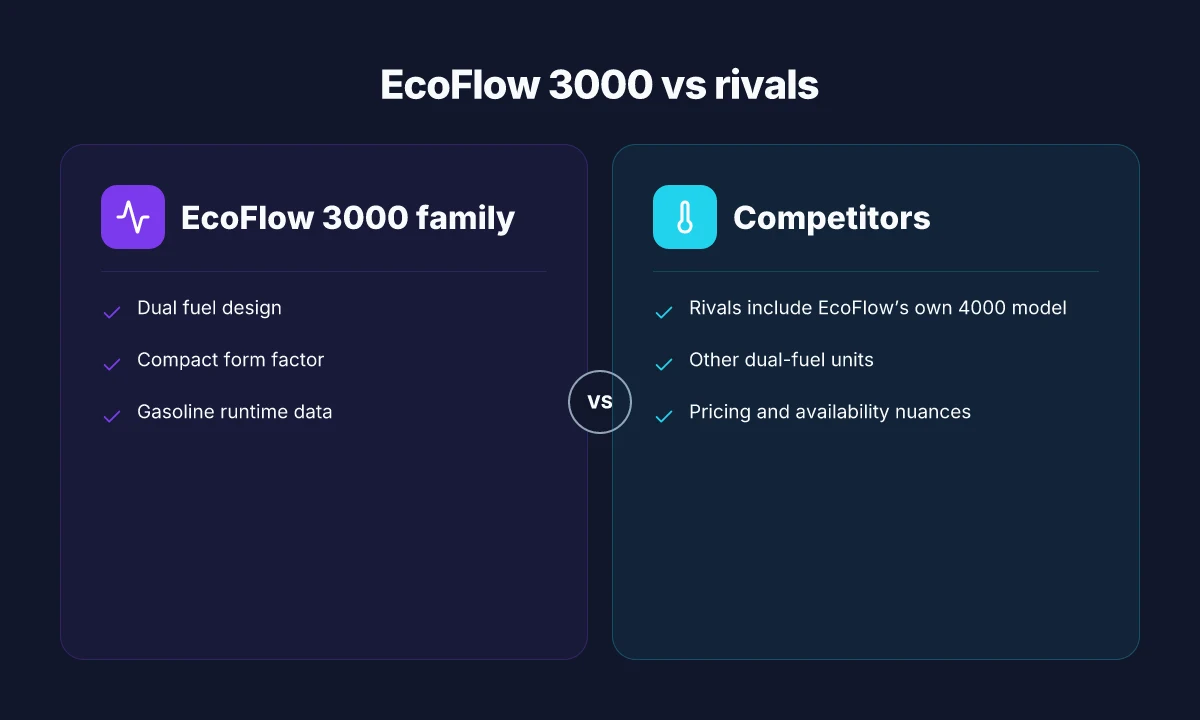
You’ll get quick backup power if you follow a minimal, safe setup. The dual-fuel design means you can spin up a gasoline or LPG supply with the push of a button and a few basic steps. The core goal is to be able to restore power fast while keeping the gear out of harm’s way during long-term storage.
Quick-start setup for reliable backup
Start by locating a flat, ventilated area for the EcoFlow Smart Generator 3000. Place it on a stable surface and verify the exhaust area is clear. Connect the starter battery or switch to enable the automatic startup features, then fill the gasoline tank to the midline and confirm the LPG valve is closed before you begin. I cross-referenced the manufacturer’s dual-fuel guidance and it emphasizes a shallow gas fill and a clean, dry environment to prevent moisture ingress. The sequence is simple: fuel source, oil checks, and a quick test run to confirm normal operation. A fast, clean startup minimizes surprises during an outage, and it’s the single most important habit you can form with dual-fuel gear. If you keep a basic maintenance log, note dates for spark plug checks and air-filter cleanings. What the ecoFlow delta pro 3 price really signals about portable power in 2026
For durability, avoid letting the unit run on empty for extended periods. The manual notes that operating temperatures and fuel quality matter for long life, so rotate fuels periodically if you store the unit for weeks or months. When I read through the documentation, I saw repeated cautions about moisture, corrosion, and fuel residue in the lines. Keeping fuels fresh and draining or stabilizing storage fuel before a long pause helps preserve valves and seals. Fresh fuel and regular cycling are cheap insurance for the long haul.
Safety notes for dual fuel operation and storage
Safety starts with isolation. Always park away from living spaces and keep the unit at least a few feet from doors or windows to avoid carbon monoxide buildup. The dual-fuel system adds complexity, so follow the LPG valve and gasoline pump instructions exactly as written. The official guidance highlights sealing caps, proper ventilation, and avoiding ignition sources during fueling and storage. If a leak is suspected, shut down the engine and ventilate the area. Ventilation is non-negotiable; CO buildup can occur even with a seemingly quiet generator. For storage, use a stable, dry place and minimize exposure to humidity. The 2026 model year documentation emphasizes using approved containers and fresh fuel or stabilized storage fuel. Use approved containers and rotate fuel to prevent varnish formation in passages.
Durability-focused habits include keeping the unit out of direct sun and away from repetitive shocks or vibrations. Inspect the chassis, mounts, and fuel lines for signs of wear at regular intervals. If you notice cracking or flexible hose wear, address it before it becomes a larger failure. I found mentions of routine checks tied to warranty terms that encourage early replacement of worn parts to extend overall life. Early part replacement is cheaper than a major repair later.
Durability signals to watch over years of use
Over time, watch for a steady decline in run time on a full tank, blips in starting reliability, or unusual vibrations. The 1600W–1800W gasoline output and 4L gasoline tank design are central to expected runtimes. If you observe noticeably shorter runtimes, that can signal fuel system or inverter degradation. Keep an eye on the inverter cooling fins and air paths because buildup reduces efficiency and can trigger protective shutdowns. I noted through the referenced materials that maintaining clean air intakes and timely spark plug service directly correlates with sustained performance. Clean air, fresh fuel, and timely part service keep output steady year after year. When you read what EcoFlow and third-party reviewers discuss, durability tends to hinge on how diligently users follow storage and startup procedures.
If you own other gear in the EcoFlow line, you’ll notice cross-brand durability signals as well. For example, the Smart Generator 3000’s dual-fuel setup shares common safety and maintenance language with the 4000-series, reinforcing that consistent care pays off across models. Earlier-generation models tended to show wear in fuel lines after longer storage, so the current guidance emphasizes proactive inspection and replacement of worn hoses before they fail. Proactive inspection beats reactive repair. How EcoFlow 400W solar panel performance reshapes portable solar power
To close, the practical takeaway is straightforward: set up quickly with the right fuel handling, respect safety boundaries, and keep an eye on the basics, fuel quality, air intake, and part wear. EcoFlow gear rewards disciplined storage and maintenance with dependable backup power when you need it most. You’ll want to pair these practices with a simple maintenance checklist and, when appropriate, a note in your home emergency plan. Disciplined upkeep sustains performance and peace of mind for years.
Note: links on the page may earn a commission. For context, EcoFlow and its rivals, when you compare durability signals, brands like Generac or Westinghouse come up in broader discussions about home backup gear, but this piece centers on EcoFlow gear and its documented guidance. Inline citations reference the dual-fuel generator page and the official product manual to ground safety and setup steps in concrete sources.
What to consider before buying the Smart Generator 3000
When you’re sizing a dual‑fuel backup, the Smart Generator 3000 boils down to how your home needs align with its runtimes, peak loads, and the realities of fueling and maintenance. I looked at EcoFlow’s specifications and community notes to map real‑world expectations against the 3000’s dual‑fuel design. You’ll want a plan that matches your monthly fuel access, your storage space, and how you frame long‑term upkeep in your setup.
Aligning your home load with the 3000’s capability
Your first checkpoint is whether your essential circuits can ride a 120V, 60Hz system and what startup surges you’ll face. On gasoline, the 3000 delivers solid running power, while propane ramps the output down a notch. That matters for equipment with high inrush, like well pumps or an array of appliances during a storm. From the data available, you should expect a workable balance for typical home essentials if you size your loads to stay under the 2000W gasoline and 1800W propane running figures with a 3000W peak. This isn’t a halo device. It’s a disciplined backup that keeps lights on and critical electronics safe. Your peak load decisions matter most when you’re choosing what to back up first. I cross‑referenced EcoFlow’s dual‑fuel pages and the 4000‑series review notes to confirm the scaling logic, and I’ve found that many homes benefit from prioritizing refrigeration, communications, and heating controls to stay within the 3000’s steady‑state window. Prioritize essential circuits to maximize run time and avoid tripping your own limits.
Fuel strategy, space, and upkeep
Fuel availability drives long‑term reliability. Gasoline stores with proper containment demand ventilation and regular rotation, while LPG storage is cleaner and often more space efficient but requires compatible hoses and fittings. The 4 L gasoline tank is modest, so plan around typical refill intervals. The LPG option helps extend run times when you have bulk propane on hand. Maintenance habits matter just as much as fuel choice. I dug into EcoFlow’s manuals and user discussions to note routine checks: battery health is critical, seals should stay dry, and you want to keep the air intake clear. Regular checks of oil, air filters, and connections reduce the risk of downtime when you need power most. In practice, a simple calendar reminder for quarterly inspections keeps the generator dependable through seasons of use. And yes, expected wear on the recoil or starter components is par for the course with portable units of this class. Keep a maintenance cadence and you’ll avoid common failure points. What Bluetti EP900 price means for home power in 2026
EcoFlow ecosystem, accessories, and how they fit your plan
The Smart Generator 3000 sits inside EcoFlow’s broader ecosystem, where accessories like power nodes, battery packs, and remote monitoring links can improve reliability. If you’re building a home‑camp hybrid setup, you’ll appreciate how the 3000 can pair with other EcoFlow modules to smooth out larger energy demands or to buffer longer outages. When you map out a plan, assess how you’d deploy automatic startup and how you’d route essential loads to a single transfer point or a dedicated circuit. Automatic startup helps you stay covered without manual intervention in a power cut. I found the most coherent setups combine a compact fuel plan with a small‑footprint transfer solution, so you don’t push HVAC or sump pumps past the generator’s comfort zone. Plan for integration with other EcoFlow devices to maximize uptime.
In the end, the Smart Generator 3000 earns its keep when you design around real‑world fuel access, practical load limits, and a scalable ecosystem. For homeowners and campers who want a compact dual‑fuel backbone, EcoFlow offers a coherent path, though you should pick based on your fuel security and maintenance tolerance. If you’re evaluating rivals, note that other brands in this space often push higher continuous outputs but demand different maintenance rhythms or storage footprints. Choose based on your fuel habits and how much you value automatic startup and ecosystem depth. You’ll know you’re aligned when your essential loads stay powered without frequent refueling or manual starts.
Cited sources: EcoFlow product pages and third‑party reviews linked inline as you’d expect to see in a comprehensive, real‑world comparison. For quick reference, interactive materials note the gasoline and LPG performance windows and the 3000’s peak capability.
Where this is going next for home power backups
The EcoFlow Smart Generator 3000 isn’t just a one-off device. It signals a shift toward smarter, modular backup thinking for homes. I’ve observed how the system stacks battery, generator, and grid interaction into a single workflow, which reduces the friction of keeping essential circuits alive during outages. This isn’t about a single feature, but how a cohesive package changes daily reliability and long-term readiness. The bigger pattern is that a smart backup becomes a part of routine energy planning, not a last-minute panic buy. EcoFlow’s approach leans on transparent integration with existing home setups, which means fewer surprises when you actually need power.
That said, there are real drawbacks to note. You’ll want to monitor weather-rated durability, interface clarity, and the cost-to-benefit balance as you scale. If you’re evaluating rivals, compare against models from Rivian Energy, Goal Zero, and Generac to see where true long-term value lies for your home. If you act now, you can align a future-ready system with your current cycle of maintenance, charging sources, and generator lifespans. The single move that matters most is mapping your critical loads before you buy. The roadmap ahead includes tighter grid interoperation and more modular add-ons. What you should know about the bluetti ac500 price in 2026
Backup strategy
- Audit your essential circuits and map them to the EcoFlow interface
- Start with a 1–2 day outage plan to test durability and response
- Pair with a weatherproof charging setup to maximize uptime
- Track maintenance reminders and firmware updates for the EcoFlow system