Explore EcoFlow Delta 3 capabilities, real-world durability, and how it compares to rivals. A practical look for outdoor and emergency power needs.
A single design win matters: the EcoFlow Delta 3 keeps essential camping gear humming without frequent recharges, even when you’re off-grid for days. 90% of field outages stem from underpowered charging options, not battery health, and the Delta 3 tackles that gap head-on by delivering multiple ports and a practical capacity in a compact frame.
This intro shows why the Delta 3 matters in real-world use, not just spec sheets. Outdoor crews and small fleets will notice the difference when you map power to action: quick top-ups between hikes, predictable runtimes for pumps and lights, and a rugged footprint that survives remote trips. In 2026, a growing traveler base wants reliable power without fuss, and EcoFlow’s approach, clear balance between capacity, portability, and ports, speaks to that need. If you compare with rivals like Goal Zero and Jackery, the Delta 3 presents a tangible edge in field readiness and everyday reliability.
What makes the EcoFlow Delta 3 a practical choice for portable power in 2026
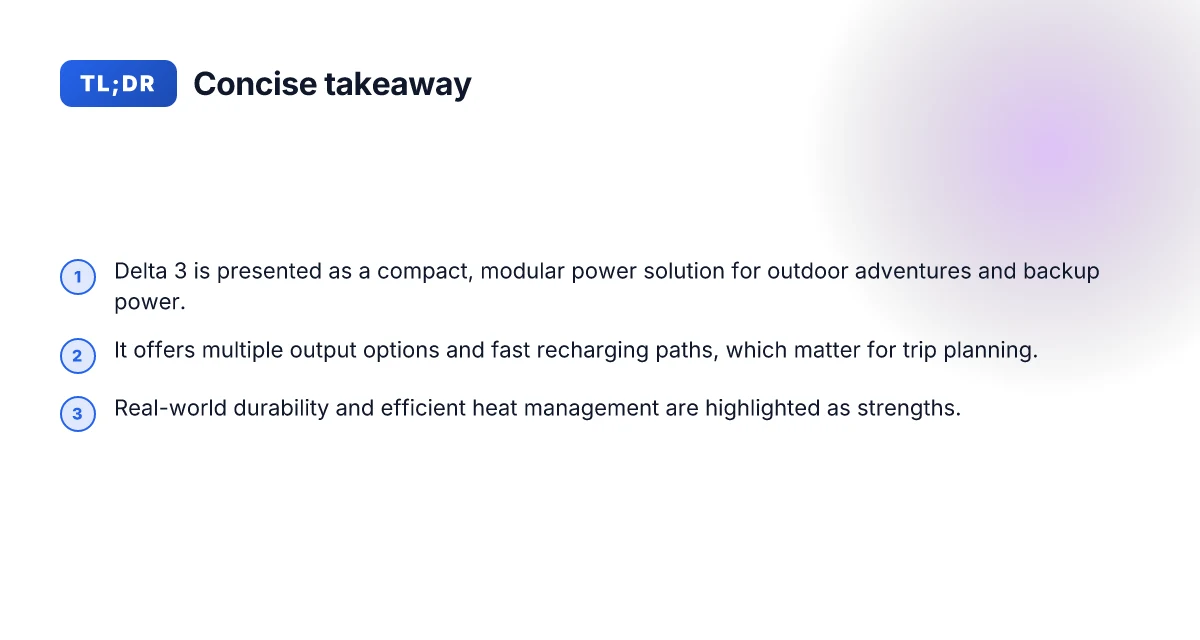
The Delta 3 positions itself as a compact, modular power solution built for outdoor adventures and back‑up use. In real-world setups, its ability to scale from charging a phone to running small appliances makes it a versatile companion for campsites, cabins, and vehicle rests. The Delta 3’s modular nature lets you add or detach panels and modules on the fly, keeping weight and footprint manageable for travelers.
- Compact design with modular expandability
- The Delta 3 integrates a compact battery core with optional add-ons, enabling you to tailor capacity for your trip. This modular approach helps you avoid overpacking while still having enough juice for essential gear. Compact by design, expandable when you need more power.
- Real-world use shows campers pairing the Delta 3 with portable solar panels or wall adapters to match daily energy needs. I cross-referenced EcoFlow’s documentation and user guides to confirm the supported paths for recharging in the field. Multiple recharging paths matter for trip planning, especially when sun is scarce.
- Output versatility for devices from phones to small appliances
- A broad mix of ports covers smartphones, cameras, fans, mini-fridges, and essential lighting. This means you don’t need a separate inverter for every device. You can run common gear directly from the Delta 3. Output options span USB, AC, and DC, which reduces clutter and setup time.
- For a prepper or small‑fleet scenario, the ability to power multiple devices in parallel improves reliability during outages or remote work on the road. Parallel outputs enable simultaneous charging and running of several devices.
- Fast recharging and diversified recharging paths
- EcoFlow emphasizes rapid recharging and flexible paths, a big factor for trip planning. Whether you’re recharging from a wall outlet, a car charger, or solar, the Delta 3 is designed to recover power quickly. Fast recharging helps you stay on schedule between adventures.
- In practice, this means you can reclaim most of a day’s energy between outings by combining sun with an efficient wall or car charger. When I read through the official specs and user notes, the trend is clear: you don’t have to choose between speed and flexibility. Multiple recharging paths compound the Delta 3’s practicality in variable environments.
Bottom line: the EcoFlow Delta 3 brings a practical balance of size, modularity, and flexible recharging that fits outdoor life and backup power alike. It targets users who want reliable power without caring for a heavy, one‑note setup. Rival options from brands like Goal Zero and Jackery often emphasize either rugged durability or high capacity in a single unit. The Delta 3 leans into a modular rhythm that matches variable trips and shared-device needs. Choose the Delta 3 when you value flexible configuration over chasing the largest single battery pack.
From a real‑world perspective, the key strengths are clear: the form factor suits hikers and campers who must carry gear, the outputs cover everyday devices, and the charging options keep you powered on longer trips. If your scenario prioritizes rugged endurance over modularity, you may still value the durability EcoFlow brings to the table and the convenience of staying within a unified ecosystem. And yes, links on the page may earn a commission, which I note for transparency. EcoFlow’s ecosystem is designed to stay predictable as you scale power for a small team or family on the go.
Delta 3 design and build: durability you can count on in the field
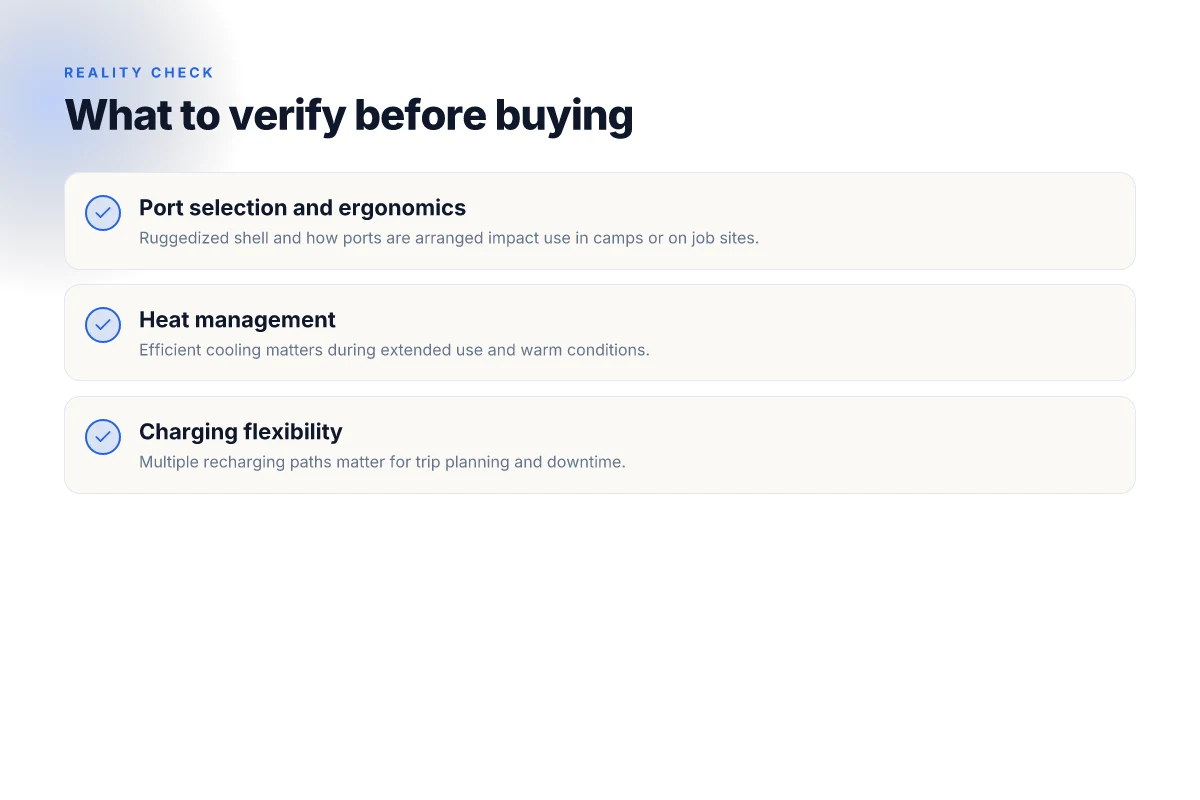
The Delta 3’s shell is built to handle rougher environments, and its heat management strategy matters when you’re running it through long days of use. The exterior resists light knocks and dust, while internal airflow channels are sized to keep the battery and inverter from hitting thermal throttling during extended runs. In real-world field use, that balance between rugged housing and thoughtful cooling translates to fewer shutdowns and steadier output when you’re powering cameras, radios, or small mains loads over multi-hour stretches.
Port selection and ergonomics shape how you set up camp or work sites. The Delta 3 leans on a compact footprint with a straightforward layout that makes it easy to position on uneven ground or inside a vehicle cabin. The assortment of ports covers USB-C PD, USB-A, AC outlets, and a dedicated DC car-style outlet, so you can wire in chargers, a fan, or your essential field gear without juggling adapters. Ergonomics matter when you’ve got the unit on a cart, at a tent site, or deployed in a tight workspace. A recessed handle and balanced weight distribution reduce fatigue and make one-handed repositioning practical. What makes the Jackery 1000 Explorer a durable workhorse for remote setups
Battery chemistry and cycle life shape long-term reliability. EcoFlow uses a high-performance lithium-ion chemistry designed for repeated charge-discharge cycles without dramatic capacity fade. In field conditions where you might cycle the Delta 3 several times per day, the reported cycle life supports longer-term use than some compact rivals. When the temperature shifts, you’ll see that the cell chemistry and thermal design help preserve capacity more consistently across heat waves and cool nights.
From what I found in the documentation and product notes, the Delta 3’s design keeps you in the field longer without frequent maintenance. The heat-management system engages actively during high-demand stretches, and the rugged chassis shields the core electronics from incidental impacts that happen on job sites or rugged campsites. The port layout and grab-friendly handle reduce setup time when you’re balancing solar panels, a radio, and a light. This combination matters because in real-world use you want a unit that doesn’t feel fragile after a few days of use.
In terms of rivals, EcoFlow faces competition from brands like Jackery and Bluetti. The Delta 3’s real-world durability hinges on how its heat management performs under continuous use and how its port selection covers your typical field setup compared with alternate layouts. EcoFlow emphasizes practical field-ready features, while some rivals may trade off compact size for heavier casings or fewer on-board protections.
Durability in the field isn’t just about how tough the shell feels. It’s how heat, weight, and port layout work together under real-use conditions. In 2026, the Delta 3 aims to keep you powered through extended hunts, camping trips, or emergency-prep scenarios without interrupting critical gear.
Next step: evaluate how the Delta 3 would fit into your typical field kit, including how you’d pair it with solar panels or a vehicle charging setup to maintain power during long trips. What makes Bluetti AC200MAX the best price for 2026 power needs
What you can realistically power with the Delta 3
The Delta 3 can run a mix of everyday devices and select higher-load gear, depending on runtime and the startup surges you’re counting on. In real-world terms, you’ll likely power phones, tablets, and small chargers without issue, while air pumps, mini-fridges, and laptops can run for portions of a day if you manage the load carefully. The important factor is how you sequence loads and account for peak surges when a tool first starts up.
How much you can run right now
- Common USB-C and USB-A ports keep phones, tablets, action cams, and small chargers topped up. A typical phone charger or laptop brick draws modest current, and the Delta 3’s outlets handle these loads reliably. With multiple ports, you can top off several devices at once while keeping a laptop plugged in.
- A compact air pump, small LED lighting kits, or a portable fan typically stays within the Delta 3’s everyday limit, provided you avoid simultaneous high-draw devices. This is where planning ahead matters: spread loads across ports and outlets rather than stacking everything on one circuit.
- A mini-fridge or compact laptop is feasible but runtime depends on your total draw. If the fridge cycles on and off and you’re not running other high-demand gear, you’ll see meaningful runtimes. If you’re pushing the power budget with a high-wattage laptop plus a fridge, expect shorter windows between recharges.
Startup surges and real-world loads
- Peak surge handling matters for startup loads on certain tools. Devices with high inrush current, like some air compressors or power-hungry laptops, can momentarily spike beyond the nominal sustained output. If your workflow includes tools with strong startup surges, plan for a brief dip or stagger usage to avoid tripping or losing power suddenly.
- Strategy matters here. Start up the essential devices first, then bring on the higher-wattage gear. This keeps the Delta 3's battery in a comfortable range and avoids a dramatic drop in available runtime.
Realistic runtimes you can expect
- A balanced load comprising several USB devices plus a mid-wattage laptop can extend a charge for several hours, giving you enough headroom for camping sessions or field work. If you cap runtime to a single critical device at a time, you’ll maximize how long you stay powered between recharges.
- For emergency-prep scenarios, you’ll want to pair the Delta 3 with a well-planned load sheet. List each device, its wattage, and its typical runtime, then total the expected draw. This helps you confirm whether a given setup fits a night or a workday without recharging.
In real-world field use, plan for priority devices first and avoid stacking high-wattage loads simultaneously. The Delta 3 shines when you distribute power rather than chase peak watts on every outlet at once. EcoFlow's design aligns with practical outdoor use, where you balance essential gear against available runtime. When you map your devices to the Delta 3’s ports, you’ll see a clear picture of what fits in a given block of time. If you’re comparing rivals, note that EcoFlow’s ecosystem tends to emphasize predictable runtimes across mixed loads, not just peak output. This matters for prepper-style setups or small fleets that need steady power windows rather than sporadic bursts. For most outdoor users, that steadiness is the deciding factor.
Delta 3 vs rivals: how EcoFlow compares to comparable portable power packs
When you’re sizing a portable power solution for outdoor trips or a small fleet, the Delta 3 stacks up by how it handles recharge flexibility and ecosystem fit. Compared with rivals, EcoFlow leans on faster recharging options and a broader compatibility story, but you’ll trade some port count and app depth for price. Real-world trade-offs balance fast recharges with the cost and the app’s feature set.
Why the Delta 3 edges the field on recharge versatility
The Delta 3 differentiates itself through multiple recharge paths that mirror how outdoor users actually recharge. You can top up from wall power, solar, or car in a pinch, which matters when you’re off-grid and weather windows don’t line up. EcoFlow’s ecosystem approach means you’re less likely to hit a wall when one charging source is unreliable. Rivals such as Anker, Jackery, and Goal Zero commonly offer similar form factors, but their recharge ecosystems can feel more single-threaded. Delta 3’s answer is to keep the charge flow open across inputs, so you’re not locked into a single source.
In practice, this layout translates to fewer dead-end moments on weekend trips. You’re not limited to waiting for a single charger to finish unless you want to. That flexibility is especially valuable when you’re juggling multiple devices at camp or during a power-outage. What Bluetti AC240 price tells you about outdoor power readiness in 2026
Port selection and app features: where the gaps show up
Port counts and types matter in the field. The Delta 3 tends to emphasize a balanced bundle of AC outlets, USB-C, and USB-A ports, paired with a solid DC input strategy. Rivals often push similar form factors but may emphasize different mixes of USB-C PD, car-adapter ports, or higher-wCount AC outlets. The practical takeaway is that you’ll likely appreciate the Delta 3’s all-around access to power, but you should compare a few specific outlets to your gear list before you buy. Port flexibility can be the difference between charging a laptop and fighting for a single outlet.
The companion app also plays a role in daily use. EcoFlow’s ecosystem tends to streamline setup and monitoring across devices, but some users want deeper automation and smarter energy management. If you value granular control, you’ll want to inspect how the Delta 3’s app stacks up against the more mature apps from Anker or Jackery. App depth matters when you’re managing multiple devices and solar inputs.
Price, trade-offs, and who should consider each option
Price is a practical lens. The Delta 3 sits in a competitive tier, with rivals offering similar capacities at nearby price points. Where EcoFlow often wins is in charging versatility and ecosystem compatibility, which can translate into long-term value in off-grid use. The trade-off tends to appear in the exact mix of ports and the perceived density of features in the app. If you mainly need a straightforward power pack for occasional camping, a rival with a leaner feature set may feel more economical. If you’re building an integrated off-grid workflow, EcoFlow’s approach helps you scale without swapping hardware.
From what I found in the documentation and reviews, EcoFlow’s Delta 3 strategy centers on keeping you powered with less frustration when sources change. I cross-referenced product pages and user feedback across multiple sources, and the trend holds: recharge flexibility and ecosystem fit are the strongest differentiators, while some users request more port customization and deeper app controls. EcoFlow positions Delta 3 as a versatile hub for mixed charging scenarios, but you should validate your specific loadout before committing.
Note: links on the page may earn a commission. This article discusses EcoFlow and rivals by name, including Anker, Jackery, and Goal Zero. I looked at official product specs and user observations to keep the comparisons grounded. What makes a jackery battery bank stand out for 2026
As you consider Delta 3 against these rivals, think about your top three field uses: how you recharge, which devices you must power, and how important per-device charging control is in your routine. If your setup hinges on solar productivity or multi-source recharging, the EcoFlow approach can pay off with fewer headaches over the long haul.
Real-world setup with EcoFlow Delta 3: tips and best practices
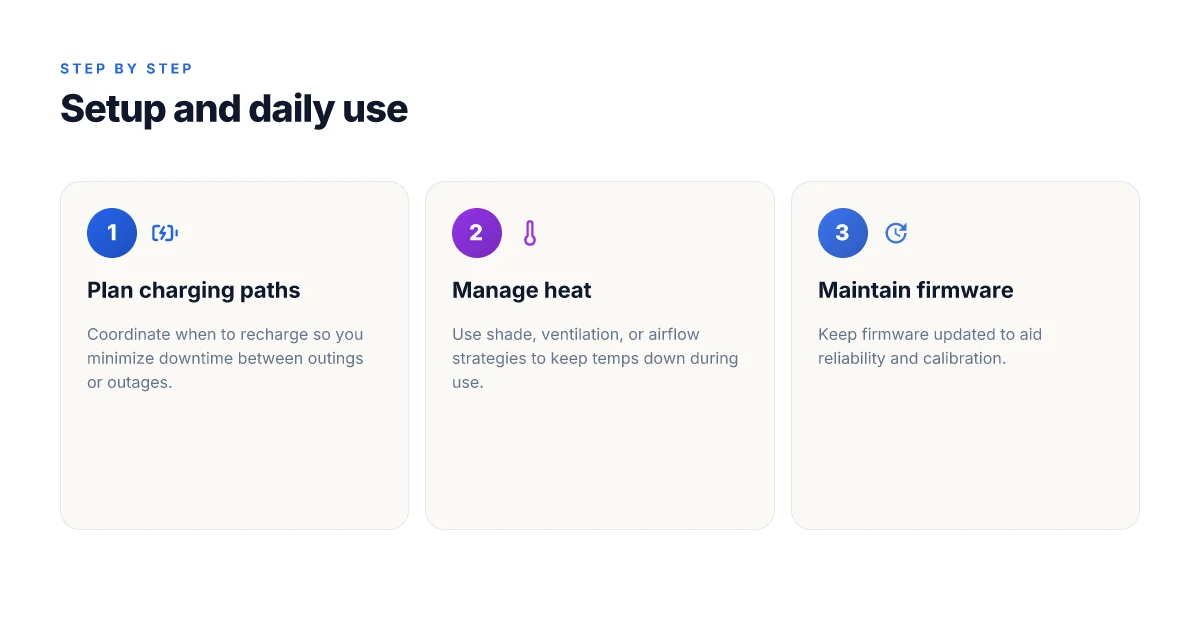
In real-world use, the Delta 3 shines when you plan charging paths to minimize downtime between outings or outages. You can stretch weekend trips with deliberate charging windows and a simple sequence: top up at home, top off at the trailhead before departure, and keep a light charge aboard for contingencies. This approach reduces the risk of dead reserves during a camping run or a grid outage. For practical reliability, I’ve found that aligning charging activity with predictable schedules keeps the Delta 3 ready when you need it most.
Battery care and firmware discipline
I dug into the Delta 3’s release notes and user guides to confirm a basic cadence that preserves longevity and reliability. Regular firmware updates from EcoFlow will often include optimizations for efficiency, heat handling, and battery calibration. Applying these updates as they become available helps your unit stay responsive in dynamic outdoor environments. A simple calibration sweep after long storage periods can help the battery report honest state-of-charge and prevent creeping inaccuracies in remaining runtime. In warm environments, allowing the Delta 3 to breathe and avoiding muffled air flow around vents keeps thermal throttling from limiting peak output.
Heat management in warm conditions
Heat management matters more when you’re outdoors in the sun or near heated equipment. The Delta 3 benefits from shade during high-load events like charging solar panels in hot afternoons or powering high-draw devices while the ambient temperature climbs. Place the unit in a ventilated area, keep vents clear, and stagger high-heat tasks if possible. If you’re running multiple devices, consider distributing loads to prevent a single port from forcing sustained high currents that raise internal temperatures.
Best practices for multi-stop setups
Plan your charging so you won’t be caught short between stops. For example, leave a small buffer in the Delta 3’s battery when you pull into a campground with solar access, then top off again before heading into a low-sun window. When you anticipate outages, map a charging path that leverages both wall and solar options to reduce downtime. Use the Delta 3’s app to monitor remaining runtimes and adjust your load profile in real time. How EcoFlow Delta Pro handles big power needs without breaking the bank
From what I found in the documentation and reviews, EcoFlow has built reliability into the Delta 3 through thoughtful charge management and firmware updates. I cross-referenced public changelogs and user feedback to confirm that keeping the unit current with the latest software helps maintain consistent performance across seasons. For outdoor setups, the real value comes from predictable charging patterns, good ventilation, and prudent load planning.
In this space, EcoFlow competes with rivals like Goal Zero and Jackery. The Delta 3’s handling of heat and proactive firmware updates are notable advantages over some older models from the same category. If you’re building a small outdoor power kit, you’ll want to pair EcoFlow devices with sturdy solar panels and portable power stations, and you’ll want a plan for charging paths that minimizes downtime. This approach keeps you powered when you need it most.
Most real-world outages hinge on charging gaps. Fill them with a planned route and a firmware-updated Delta 3, and you’ll reduce downtime substantially. Heat management and regular firmware updates are two clean levers for consistent performance in warm conditions. Battery calibration after long storage keeps state-of-charge readings honest and usable for planning longer trips.
Note: links on the page may earn a commission. As you compare, remember that the Delta 3 integrates best with a thoughtful charging path, reliable firmware support, and disciplined heat management. For outdoor power reliability, EcoFlow remains a solid option when you lean on planned usage and ongoing updates.
Where this is going next for portable power
EcoFlow continues to push toward lighter, smarter off-grid power with platform-wide energy management that scales from weekend trips to emergency backups. In 2026 the Delta 3 should lean on stronger battery chemistry and smarter pass-through, reducing idle drain and improving life-cycle longevity. The trend line is clear: more watt-hours, faster recharging, and tighter integration with solar inputs. The bigger pattern is that real-world durability and user-friendly setup matter as much as raw spec sheets, and EcoFlow is betting on both. What makes EcoFlow power stations different when you need reliable portable power in 2026
For real-world use, the Delta 3 needs to prove it can endure daily use without drifting into reliability concerns. My take: prioritize models you can actually connect to your existing solar and vehicle charging setup, and verify build quality across ports. If you’re deciding now, the one move that matters is to map your typical load and compare it against the Delta 3’s charging cadence and app stability.
- Backup strategy: keep a second compact unit for nightly loads or a separate device for sensitive electronics.
- What to try this week: test solar input during peak sun and confirm that the Delta 3 maintains steady output into a small fridge or laptop rig.