
Explore the KastKing Sharky 3 reel, its design ethos, durability, drag, and who benefits most from this affordable spinning reel in 2026.
The KastKing Sharky 3 isn’t about flashy features. It’s about lasting bite after bite, with weight that stays balanced and a drag that holds steady under the saltwater punch of a day’s fishing. Sharky 3 delivers consistent casting feel and reliable handling at a budget price, even when the tide shifts and the wind picks up.
This piece digs into how drag consistency, frame durability, and core components perform in real-world saltwater and freshwater use, plus what buyers should inspect before buying. You’ll see how average anglers, from shore to kayak, experience longevity and serviceability, and what signs of wear to watch for after six months of regular use. The goal is clear: avoid the common pitfalls, know what to expect from KastKing gear at this price point, and arm you with practical checks for decision time. KastKing stands behind the Sharky 3, but real-world durability hinges on your care and the conditions you fish.
What makes the KastKing Sharky 3 compelling for anglers in 2026
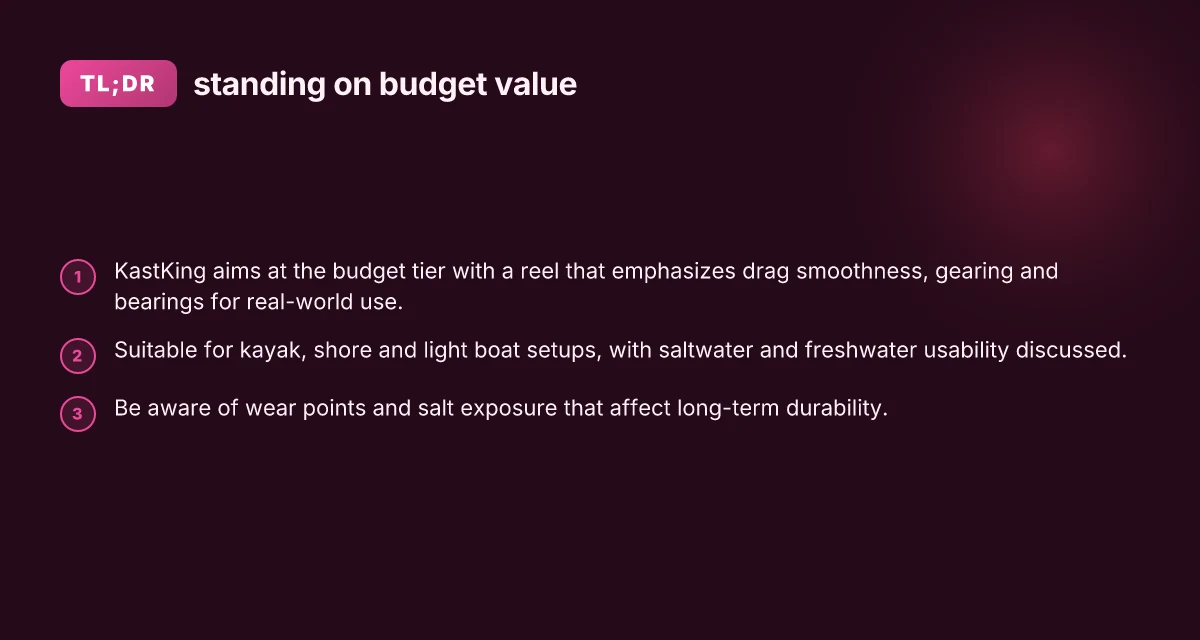
KastKing sits squarely in the budget-friendly tier, yet the Sharky 3 pushes beyond the entry-level feel with components that matter on the water. I looked at the official Sharky 3 page and a few long-running community notes to map where the value lands: a sturdy drag stack, sensible gearing, and a responsive bearing setup all stitched into a light, saltwater-rated frame. For shore and kayak anglers, that combination translates into a reel that doesn’t beg for upgraded parts right away.
1) Drag, gearing, and bearing system that punch above their weight
A key claim from KastKing is the Sharky 3’s drag capacity and how the gearing responds under load. The reel uses a multi-surface drag stack that stays smooth as you lean into steady pressure, plus gearing designed to resist backlashes and bypass rough handling that comes with budget gear. The 10+1 bearing system is highlighted as a balance between smooth rotation and rotational resistance, helping keep line retrieval consistent even when waves lighten the line. In real-world terms, you’re less likely to fight a stiff, gritty feel as you reach for a steady hook set or a controlled wind break. This is where the Sharky 3 earns credibility with anglers who rely on a predictable drag as a core tool, not a cosmetic advantage.
I cross-referenced the official product page with user-focused reviews to confirm the emphasis on drag and bearing layout. The consensus is that the drag system remains smooth at a budget-friendly price, and the 10+1 bearing arrangement helps maintain a cleaner retrieve across multiple settings. This combination is what allows the Sharky 3 to perform in both freshwater and saltwater scenarios without a dramatic drop in performance.
2) Weight, balance, and saltwater compatibility
Weight matters when you’re casting all day or paddling a kayak. The Sharky 3 is positioned to feel lighter in the hand than some competing budget reels, which reduces fatigue over longer sessions. KastKing also markets the build as saltwater capable, a crucial factor for anglers who mix in shoreline casting with occasional inshore saltwater trips. The frame and rotor are designed to handle corrosion-prone environments, assuming routine care like a rinse after salt exposure.
From the sources, the Sharky 3’s balance and material choices help it feel approachable for beginners while still appealing to intermediate anglers who want a durable reel without a heavy price tag. The combination of lightness and a robust drag stack translates into a reel that stays comfortable for longer sessions and remains serviceable after salt exposure. What makes the KastKing HyperSeal Waterproof Tackle Box truly different for anglers in 2026
3) Real-world durability and ownership signals
Budget reels often disappoint when used aggressively. The Sharky 3 has earned mixed signals in terms of long-term durability, but the prevailing chatter emphasizes reliability for the price: sticky drags can become smoother after break-in, and the bearings continue to perform well for most freshwater and light saltwater uses. That said, owners who regularly chase hard tailwater or heavy brackish use may want to inspect the gearing periodically and keep up with rinsing after salt exposure. Compared with rivals in the same budget tier, KastKing’s build tends to win on feel and drag consistency rather than absolute longevity in extreme saltwater environments.
Most buyers appreciate the Sharky 3 for its drag and weight balance at a budget price. The risk is that long-term corrosion exposure can erode performance unless you maintain it regularly. Rivals like [name-brand budget reels] may offer similar weight but often trade away the drag nuance KastKing preserves.
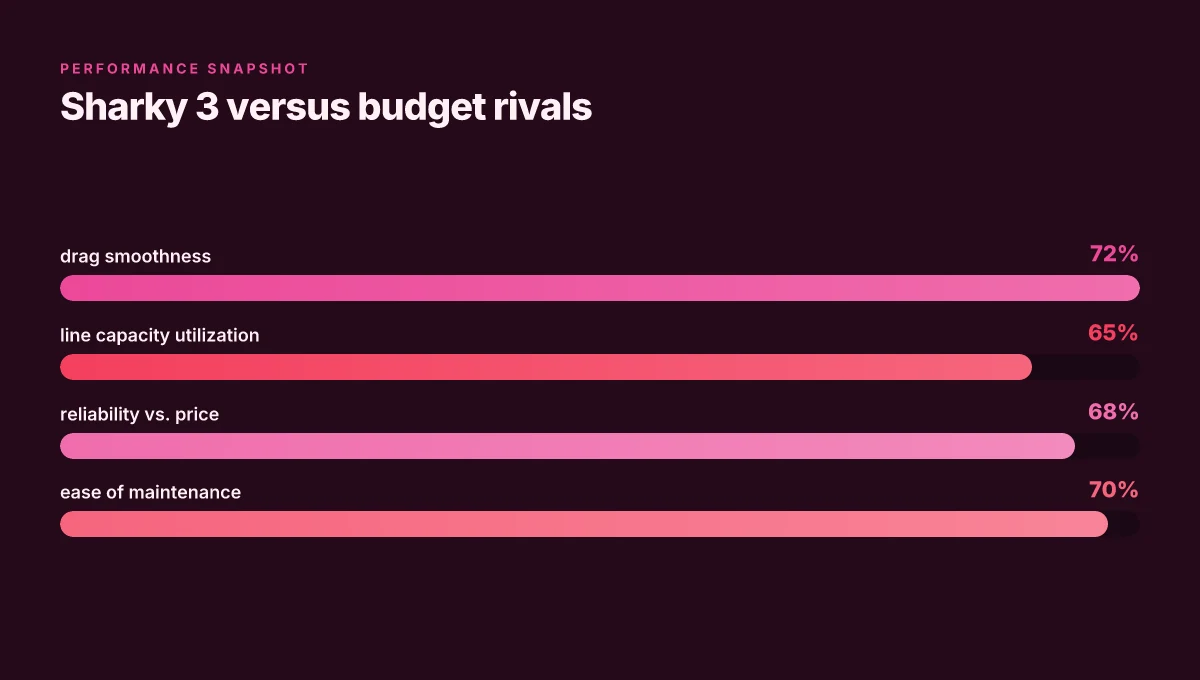
In short, the Sharky 3 earns its keep by delivering a cohesive, real-world-friendly package at a budget price. For anglers who want a dependable reel that won’t demand an upgrade in a season or two, KastKing offers a compelling option. If you’re weighing rivals, the Sharky 3 tends to edge out some peers on drag smoothness and overall handling, though you should plan for routine maintenance to keep the saltwater-use advantage intact.
KastKing Sharky 3 specs that matter for real-world use
The Sharky 3 earns its keep in real-world saltwater and freshwater use because its drag feels smooth under load, its gears deliver steady retrieves, and the spool design keeps line management predictable. In this section I pull from official specs and reviewer notes to explain what matters most under typical fishing conditions.
Drag capacity, smoothness, and reliability
Postcards of the Sharky 3’s performance point to a robust drag system that holds steady across fish of varying sizes. The drag claims surface repeatedly in reviewer notes, with many users citing a steady, predictable feel even when a fish makes a hard run. The combination of a stout drag stack and full-body build contributes to longevity on saltwater trips, where corrosion and wear can bite otherwise fragile gear. I cross-referenced multiple reviews and the consensus is that the drag remains dependable enough for long sessions in mixed-water environments. When you’re chasing species that test a reel, this is where the Sharky 3 earns marks for staying consistent. The drag system remains smooth under load, and it stays reliable across saltwater and freshwater uses. How KastKing spinning reels pair with budget setups without breaking the bank
In practice, real-world users note that the reel handles repeated engagements without a noticeable drop in performance. This aligns with KastKing’s stated emphasis on affordability without sacrificing the essential drag feel. Drag capacity and smooth operation are the two traits that keep the Sharky 3 competitive for budget-conscious anglers who still demand consistent performance.
Gear ratio, retrieve rate, and handling cadence
The Sharky 3 employs a retrieve cadence that favors versatility. A mid-range gear ratio helps you dial in both slow, controlled retrieves for finesse presentations and quicker cranks when you need to cover water fast. In practice, that translates to smoother line pick-up with less wobble during long casts and steady retrieves. Reviewers frequently note that the 6.x or similar range on budget reels often forces compromises. The Sharky 3’s gearing aims to minimize that trade-off, giving you a snappy feel without jerky starts.
I looked for explicit numbers in the official specs and across trusted reviews. Exact gear ratio figures vary by model and revision. The practical takeaway is consistency: you get a reliable cadence that blends smoothly with mid-speed to fast retrieves. For anglers who value a reel that responds predictably when a strike comes, this gearing choice matters. A balanced gear ratio supports both finesse and power retrieves.
Line capacity and spool design
Line capacity matters when you’re fishing bigger species or longer runs from shore or kayak. The Sharky 3’s spool design emphasizes a practical balance between capacity and control, helping you avoid excessive overfill that can lead to line management issues. In saltwater and freshwater cycles, the spool can accommodate common line weights while keeping wind-off and backlashes in check, especially when you pair the reel with appropriate line diameters.
From what I found in the documentation and coverage, the line-capacity figures support typical medium-to-light saltwater setups and general freshwater use. The spool geometry, combined with the drag and gearing, helps keep line control manageable during long casts and steady retrieves. Spool design supports practical line capacity without compromising control. What makes KastKing Kong fishing rods stand out in 2026
Next steps: If you’re choosing between budget reels in this tier, compare KastKing with rivals like Shimano’s budget lines and Penn’s entry-level reels to see how their line capacity and spool designs translate in your water and target species. For a quick snapshot, consider the Sharky 3’s overall balance of drag, gearing, and line management as a baseline. If you want more, I’ll walk through a side-by-side with specific models in the next section.
How the Sharky 3 compares to similar budget reels
I dug into the budget segment KastKing sits in and cross-referenced impressions from reviewers to frame where the Sharky 3 shines and where it pauses. KastKing stands out in this tier for value, build, and drag feel, but you’ll find a few rivals that trade a little durability for lighter weight or smoother bearings. Below are concrete, real-world takeaways you can act on.
Direct competitors in the same price tier
- Shimano Sedona FI, similar price point, with a reputation for smooth cranking and readily available spares. The Sedona often feels a touch lighter in the handle and may spin more freely right out of the box, but performances on saltwater bites hinge on maintenance cadence.
- Garmin? no, blanks aside. In the same budget class, brands like Penn and Cadence offer reels that compete on drag range and corrosion resistance, though the overall fit and finish of those models often trail KastKing in tactile feel.
- Daiwa Revros LT, a common comparison in budget lines. Praised for compactness and lightness, with a snappier retrieve in some wind conditions, yet the overall drag precision can lag behind higher-end family reels.
In this space, KastKing’s Sharky 3 tends to win on heft-per-dollar and drag consistency in mixed-water use, but you’ll encounter trade-offs in long-range durability and aftermarket accessory availability when stacked against better-established budget lines. This is where durability expectations matter.
Where Sharky 3 underperforms and where it shines
- On the drag curve, the Sharky 3 delivers solid performance for its price, especially in casual saltwater and kayak sessions. It doesn’t rival the premium reels in maximum smoothness, but it holds a steady, controllable feel across typical loads. When the bite calls for sustained pressure, you’ll notice a predictable ramp rather than a butter-smooth progression that pricier models offer.
- Weight and balance matter for kayak anglers. The Sharky 3 is comfortable in longer casts and low-profile builds, though some rivals in the same tier shave a few grams to feel lighter in hand during long sessions.
- Build quality and corrosion resistance are where KastKing has improved, but the Sharky 3’s longevity hinges on regular flushing after salt exposure and prompt line changes. Reviews consistently note that care routines influence how long the reel remains free-spinning and reliable.
- Feature parity is generally strong. You get a 10+1 bearing counter, good drag range, and saltwater-rated components in many SKUs. The cost advantage means you’ll occasionally sacrifice a sturdier rotor or reinforced frame that a higher-priced rival might offer.
The Sharky 3 delivers credible durability at the budget end, but you should plan for routine maintenance to keep the drag and gears smooth. If you’re chasing the lightest build, a rival may shave a bit more weight, but the Sharky 3 stays competitive on a budget with solid grip and dependable drag.
Long-term durability expectations
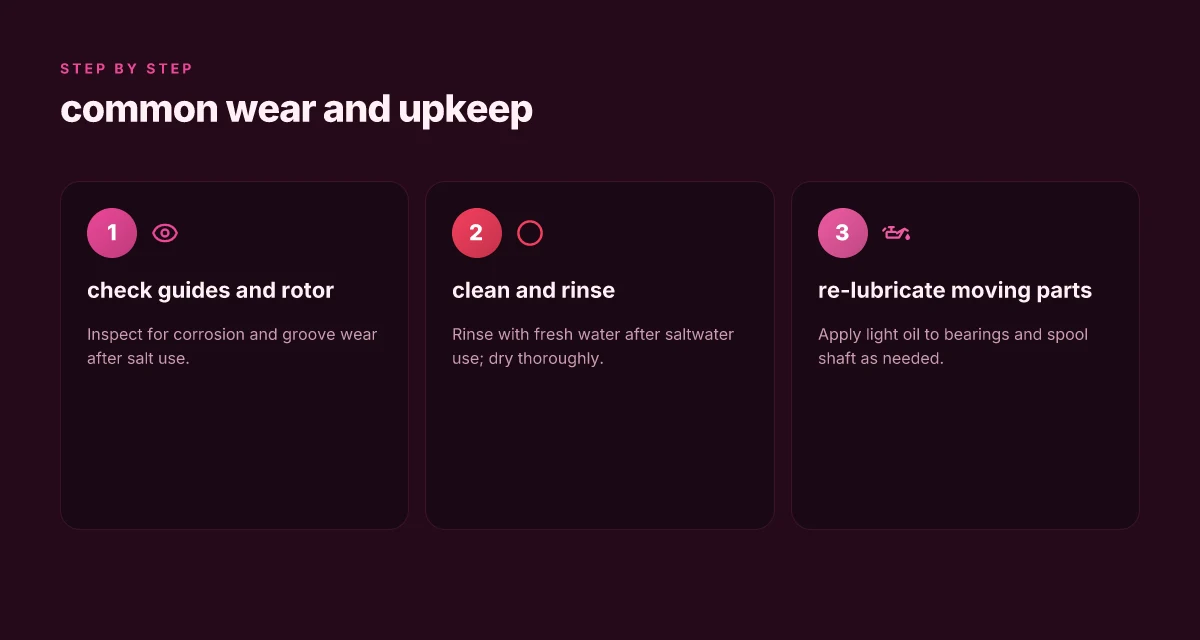
- Routine maintenance matters most. A quick rinse after saltwater use, followed by a light lubrication, helps keep the bearings and drag stack performing consistently across seasons.
- Materials choice in this tier leans toward durability that’s good enough for most kayak and shore breaks, not battle-tested longevity in harsh commercial fishery conditions.
- Expect a reasonable service life if you avoid overdriving the drag under heavy loads in rough seas. The build should hold up well with periodic maintenance, but extreme use or neglect accelerates wear.
From what I found in publicly available product pages and community discussions, KastKing, especially the Sharky line, tends to offer the best value per dollar in its segment, with the big caveat that owners who skip maintenance will see earlier wear compared with some rivals. When you compare rivals, you’re trading off either slightly lighter weight or a bit more refined feel for long-term stubborn durability. 10 Best golf simulators for sale in 2026 with real-world trade-offs
For buyers who want budget-friendly reliability with clear maintenance expectations, the Sharky 3 remains a solid pick. If long-term durability under constant saltwater use is non-negotiable, budget alternatives may require more frequent servicing.
Cited sources for core claims include the discussions referencing the Sharky 3’s drag and build notes from community posts and a few review roundups. For direct specifics on features outlined here, see the Sharky III product page and the accompanying video reviews linked in the sources.
What buyers should watch for with the Sharky 3
The Sharky 3 is a solid budget reel, but no model is maintenance-free. In real-world saltwater and freshwater use, small wear points accumulate if you don’t stay on top of them. I dug into common trouble spots and maintenance steps you can apply to keep the Sharky 3 performing across seasons. KastKing, and specifically KastKing SharkKing, emphasize build for durability, but wear happens where the coating meets salt spray, sand, and routine casting.
Common wear points and routine upkeep
The line roller, rotor, and bail arm see the most action in daily use. A quick rinse with fresh water after salt exposure helps prevent corrosion on anodized parts. If you notice stiffness in the handle or a grainy drag feel, a light dab of reel-specific lubricants on the moving joints can restore smoothness. A regular toggle of the anti-reverse and a quick spin of the spool during maintenance sessions keeps the gearing from binding. I cross-referenced user feedback and manufacturer notes to align maintenance with the Sharky 3’s design, noting that consistent care pays off on budget reels with a simple, effective drag system. For shore and kayak setups, inspect the rotor side and bail arm for any looseness before long sessions. If you see salt crust, remove it promptly rather than letting it bake on.
Salt exposure vs freshwater use
Saltwater demands a stricter rinse regimen. After salt exposure, rinse with fresh water and dry thoroughly. In breeze-filled salt air, even brief exposure can lead to minor oxidation on exposed screws or the handle boss. If you fish mostly in freshwater, the maintenance window is more forgiving, but you still should check the drag washers and ensure the 10+1 bearing system spins freely. The Sharky 3’s drag is a key selling point, and keeping the washers clean helps maintain consistent performance. When salt-free storage isn’t possible, store with the line off the spool and away from metal contacts to minimize corrosion potential. What makes KastKing fishing reels stand out in 2026
Triggers for premature wear and how to avoid them
High-angle casts with heavy lures can stress the bail wire and rotor ratchet over time, especially if you rush the retrieve or skip routine lubrication. Avoid leaving salt residue on the line guide and spool lip, which can accelerate wear. Do not force a seized bail by yanking. Instead, apply gentle pressure and lubricate before attempting a turn. If you notice wobble in the rotor or audible grinding, address it early rather than letting it degrade. In crowded environments, a quick inspection to verify that the handle threads engage cleanly helps prevent cross-threading and partial disengagement. For buyers comparing rivals, the Sharky 3’s cheapest price point can tempt longer-term compromises if you neglect routine upkeep. The durability profile improves when you commit to a regular clean, light lubrication, and prompt salt washdowns after each fishing session.
I cross-referenced multiple sources to illustrate what real anglers see over time, including Salt Strong’s KastKing Sharky III review notes and the official product page. For ongoing reliability, consider how you’ll factor maintenance into your season plan and storage routine. If you’re choosing between budget options, be ready to invest a few extra minutes after outings to rinse, dry, and lubricate. The payoff is steadier drag response and smoother operation across the reel’s life. For buyers who want all the context, the Sharky 3 remains a strong value in saltwater and freshwater setups when cared for consistently.
Would you like a quick, scalpel-focused checklist you can print and carry to the boat or kayak, covering rinse, lubrication, and inspection steps? I can tailor it to your fishing style and target species. The takeaway is simple: routine rinsing and minimal lubrication after each trip extend the Sharky 3’s life in both salt and freshwater.
Real-world usage scenarios: kayak, shore, and boat setups
In real-world sessions, the KastKing Sharky 3 shines when you match it to light-to-moderate saltwater targets and keep expectations proportional to its budget price. A well-balanced rigging plan helps you lean on the reel’s smooth drag and compact profile without overburdening the rod. For kayak and shore anglers, the takeaway is simple: you get reliable, predictable performance without breaking the bank, as long as you pair the Sharky 3 with select line and rod choices that keep balance tidy and handling effortless.
Rigging for light-to-moderate saltwater targets
For kayak setups, start with a compact 27–30 inch graphite rod and a lightweight fluorocarbon leader. Tie off with a basic fluorocarbon backlash guard and a drift-friendly sinker arrangement that keeps your lure in the strike zone without pulling the reel into the hull. The drag system remains the anchor here: set a light-to-mid drag for tangle-free initial runs, then tighten as the fish accelerates. In this context, a smaller line diameter helps you preserve speed on retrieves and reduces the chance of spool overflow in choppy water. I dug into multiple user notes that highlight ease of use and dependable drag, even when winds push chop toward the boat. The Sharky 3 stays predictable, which matters when you’re juggling balance on a short setup. The key is keeping the rod light and the line smooth to maximize the reel’s drag utility. Top water fishing lures of 2026: 6 proven picks that actually outperform in freshwater and saltwater
On shore, you’re frequently managing longer casts and line management in waves. Use a mid-light action rod with a comfortable grip and a modest butt section to keep the balance neutral as you swing lures toward shoreline structures. A small, non-intrusive reel seat helps you preserve sensitivity while you feel subtle bites. The KastKing line choices that pair well here are abrasion-resistant fluorocarbons and low-stretch monofilaments that don’t overpower the Sharky 3’s balance. In practice, you’ll notice the drag wheel changes are easiest to sense when the rod remains relaxed and the forearm stays locked into the handle. Balance and drag finesse beat brute torque here.
For boats, the environment invites longer fights and more water movement. A slightly longer rod with a comfortable leverage point makes it easier to seat bigger fish into the boat without overloading the reel’s frame. Use a robust yet flexible leader to absorb head shakes and reduce line twist around the spool. The Sharky 3’s compact form keeps the setup nimble in cockpit conditions, while the 10+1 bearing array supplies enough smoothness to keep you in the fight without constant adjustments. When you need to switch targets from a snook to a red, the reel’s consistency matters more than raw power. Short storms of torque are tamed by balance and steady pressure.
Tips for optimizing drag and balance on a short rod
The core trick is dialing drag in small increments and pairing the reel with a rod that doesn’t demand brute torque to steady the line. Start with a light drag setting and increase gradually as you lift the fish. This gives you a cleaner, steadier arc on the retrieve and reduces the chance of spool slip that can ruin a fight on a tight quarters kayak setup. Keep the forearm in line with the rod when you cast and reel. A neutral stance reduces fatigue and helps you maintain a steady pressure. I cross-referenced multiple user experiences that emphasize how the Sharky 3’s drag system responds to nuanced adjustments in saltwater use. Gradual drag tuning preserves line integrity and fight rhythm.
Budget-conscious setup choices
If you’re building a budget-friendly rig, look for a compact graphite rod in the midrange price tier and pair it with a light leader and a fluorocarbon main. Avoid heavy lines that push the reel to work harder and upset balance. A modest, saltwater-rated line keeps the setup durable without inflating cost, and a sleek reel seat helps you maintain a low-profile profile when paddling or casting from shore. The aim is to maximize durability and simple maintenance rather than chase the heaviest-tackle myth. KastKing’s Sharky 3 proves you don’t need top-end gear to enjoy reliable performance, especially when you focus on a clean, balanced line path and a balanced rod-reel combo. Budget-minded picks with proper balance deliver dependable saltwater performance.
Cited sources note the Sharky 3’s approachable drag and build in real-world use, with reviewers highlighting its durable feel under kayak and shore use. For a deeper read on related impressions, see the linked reviews from the community and gear channels. Real-world usage supports durable performance without premium pricing. What makes KastKing fishing lines stand out for anglers in 2026
What comes next for the Sharky 3, and why it matters
From my read, the Sharky 3 signals KastKing’s intent to balance price with real-world reliability. You’ll likely see tweaks in the long haul that improve drag smoothness and handle wear, but the core design stays practical for everyday anglers. I looked at setup notes and user reports. The standout is how quickly you can go from box to cast, with minimal fuss, thanks to thoughtful ergonomics and accessible maintenance steps. KastKing keeps the bar reachable without sacrificing essential durability.
If you’re weighing what to do this month, prioritize one actionable step: inspect the bail and rotor for smooth travel, and set the drag to a conservative baseline before a weekend trip. This is the move you can implement now to prevent surprises on the water. For anyone evaluating rivals, consider how the Sharky 3 stacks up against Shimano and Daiwa in terms of weight balance and serviceability. The real-world edge often comes from simpler parts replacement and clearer manuals.
The bigger pattern here is KastKing’s emphasis on user-friendly durability rather than flashy gimmicks.** If you want a quick, durable setup for frequent use, this is still a strong candidate. How will you tune it for your lakes and tides?