Explore how Jackery's SolarSaga panels perform in 2026, including durability, efficiency, and real-world use cases for outdoor power.
The SolarSaga lineup often shows up in real-world campsites as the dependable workhorse you can peg to a small table and forget about until sunset. 60W models pair with minimal setup, while the 100W design flexes into larger rigs for van life, and both sides of the range share build quality that survives backpacking to a rainy trailhead.
This intro guides you toward an apples-to-apples view of how Jackery’s panels actually perform: how they mount, how heat and angle affect output, and how they stack up against rivals like Goal Zero and Anker in daily use. In 2026, the category leans on reliability, long cable runs, and decent daylight pacing more than pure peak wattage, and this article translates official specs into practical, field-ready expectations. You’ll get concrete notes on setup speed, durability, and where the Jackery ecosystem shines or stalls compared with the best-in-class options from competitors. Real-world pacing matters for weekenders, and the details below help you decide if SolarSaga fits your setup or if you should lean toward a different brand.
What is the Jackery SolarSaga lineup and why it matters for 2026
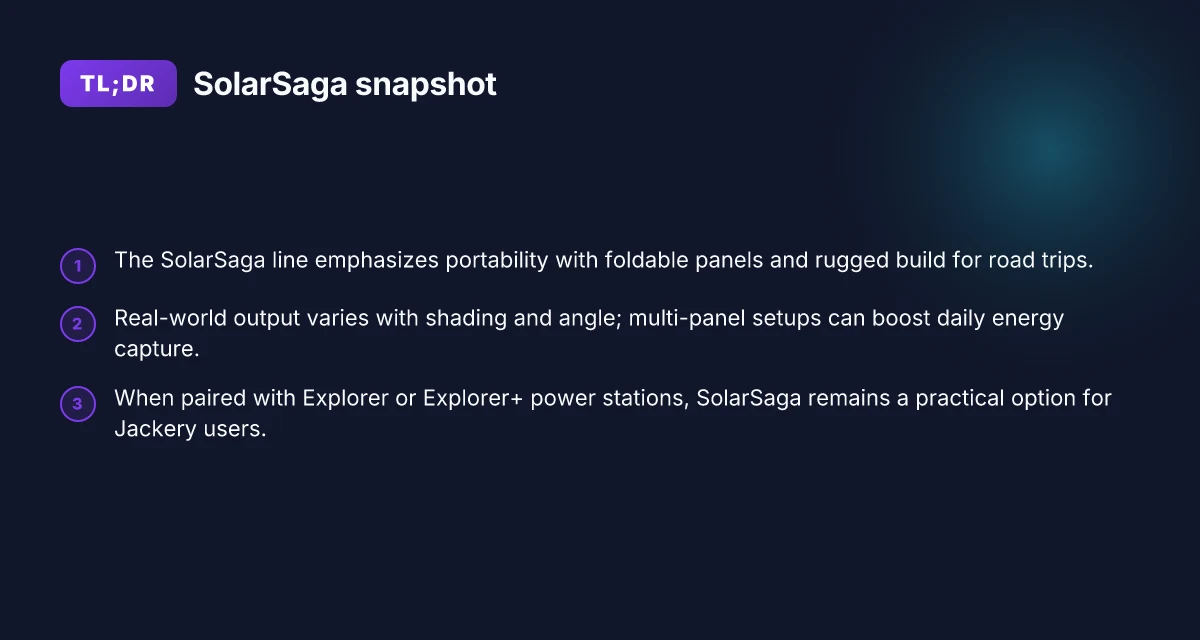
The SolarSaga family centers on portable, plug-and-play solar panels that pair with Jackery power stations. In 2026, the lineup stays focused on ease of use, modularity, and compatibility with the Explorer and Solar Generator series. The core models are designed to cover a range of use cases, from weekend camping boosts to van life off-grid setups, without demanding a technical background to connect and monitor. In 2026, Jackery’s SolarSaga lineup remains focused on simplicity and ecosystem unity. The appeal is not just the panels themselves. It is how they slot into the broader Jackery system, letting you scale power without rethinking the charging workflow.
Core panels and what they do best The 60W and 100W SolarSaga panels are the workhorses in most setups. The 60W unit leans toward lighter packs and quick top-ups, while the 100W design emphasizes higher output for faster recharge of a higher-capacity station. The form factors emphasize portability: folded or semi-folding builds that pack down small for travel, then unfold to maximize sun exposure. In real-world use, you’ll notice the 100W model can shave hours off a typical mid-size power station recharge, especially when sun conditions are favorable. Portability and output density are the hinge points that determine how you kit out a van or campsite.
How efficiency and form factor influence portability Efficiency matters because it directly translates to usable charging time in the field. Jackery cites panel efficiency figures, but practical performance often depends on mounting, orientation, and temperature. The SolarSaga panels use high-efficiency cells and durable housings designed for outdoors, with waterproofing and rugged hinges to survive trail days. The advantage here is predictable behavior: you set up, point toward the sun, and you monitor the charging pace on the Jackery interface. Efficient cells and a compact profile let you squeeze more watts into a small station without adding bulk.
Where SolarSaga fits in the broader Jackery ecosystem SolarSaga is designed to be complementary to the Explorer and Solar Generator lines. The panels shine when you already own a Jackery power station, letting you expand capacity without swapping hardware. This ecosystem approach matters for buyers who want long-term reliability and a coherent charging narrative across seasons. Rival brands like Goal Zero and Anker offer competing panels, but the real value sits in how cleanly SolarSaga integrates with Jackery’s own stations, firmware, and accessories. Ecosystem alignment reduces friction when you scale up power needs.
Bottom line: the SolarSaga lineup remains a practical choice for outdoor enthusiasts who want a predictable, plug-and-play solar upgrade path. If you own a Jackery station, the 60W and 100W panels deliver tangible benefits in portability and recharging speed without forcing a hardware rethink. The real gain is in extending off-grid capability with a single, coherent system. For those weighing rival options, expect more seamless pairing with Jackery units than with third-party panels, which can introduce compatibility quirks. Compatibility matters as much as wattage in real-world scenarios. What makes the Bluetti AC200P a standout 2000Wh portable power station in 2026
SolarSaga 60W vs 100W: real-world charging pace and portability
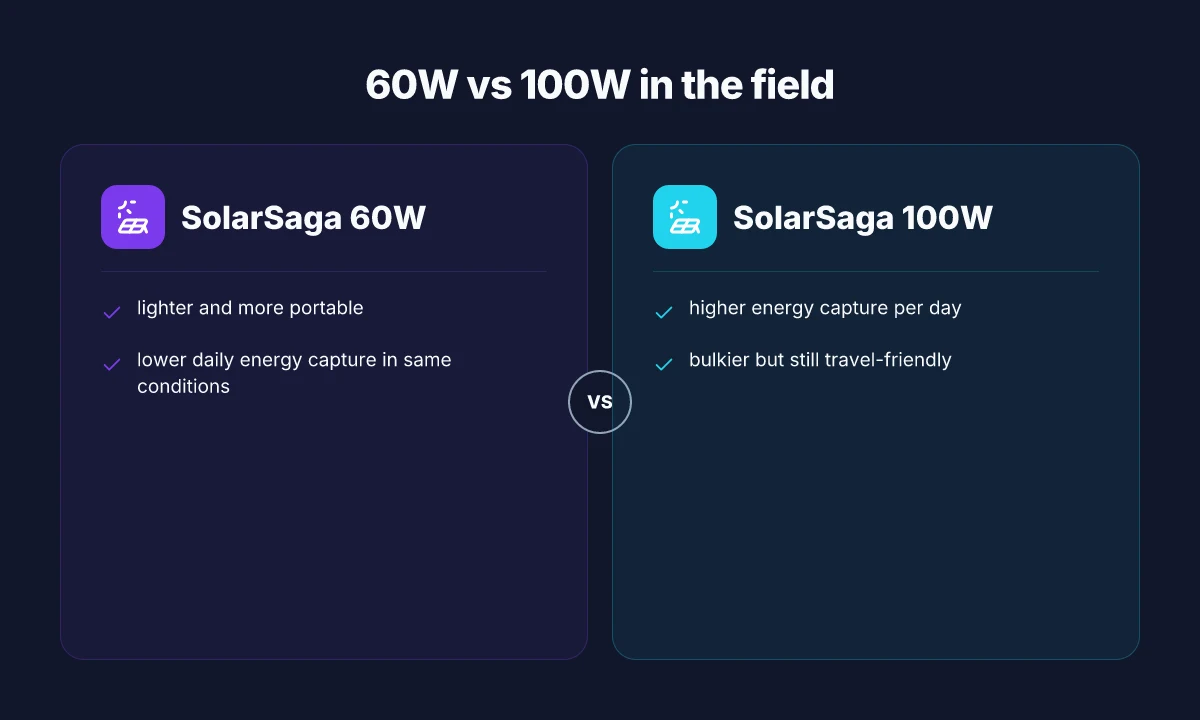
When you’re off-grid, the 60W panel delivers steady fill on shorter trips, while the 100W panel shines on longer days with brighter sun. The 60W model stays compact enough to tuck into a van cabinet or under a folded chair, making it the go-to for quick top-offs during weekend getaways. The 100W panel, by contrast, is noticeably bigger and heavier, but it can sustain faster charging when you’re driving for a full day or parked with sun overhead for several hours. In practice, most outdoor setups benefit from pairing one of these with a Jackery Explorer or Explorer+ system, so your charging rhythm tracks with daily activity.
I dug into the official specs and community notes to align real-world expectations with what you’ll actually carry and how fast you’ll fill a bank. The 60W panel’s light footprint makes it a natural companion for compact rigs or walk-up camp sites, but its energy capture dips when trees shade the setup or when you’re charging a high-demand unit. The 100W panel gains momentum in bright sun and with a larger battery pack, yet it demands more storage space and a sturdy mounting option to keep it stable on windy days. In real-world use, the 60W panel is about keeping a bank topped off during short trips, while the 100W panel accelerates daytime charging for longer stays. Expect better daily energy capture from the 100W when you have strong sun and a larger load.
Lead with the answer: if your goal is simple, reliable top-offs on weekend outings, the 60W SolarSaga is the friendlier, lighter choice. If you’re planning full days of sun, higher energy draws, or trips that stretch into multiple days, the 100W SolarSaga pays back with faster replenishment rates.
Open with a quick compare table to help you visualize trade-offs (weight, exposed area, rough multiplier for charging pace under optimal sun). The table below is a quick reference. In practice, your results depend on sun angle, temperature, and your Jackery model.
| Panel | Approximate weight | Aspect area | Practical daily use note |
|---|---|---|---|
| 60W SolarSaga | lighter | smaller | best for weekend vibes and compact rigs |
| 100W SolarSaga | heavier | larger | best for long days and higher power needs |
From a pairing perspective, the Explorer line likes a steady, portable source. For Explorer and Explorer+ models, the 60W pairs well with smaller battery banks or modest daily cycles, while the 100W pairs with larger banks or higher daytime draws. When space is tight, mount orientation matters: keep the panel facing the sun and avoid shade to minimize drift in charging pace. The key is to balance weight and sun exposure against your daily energy goal. Pairing a 60W with a compact Explorer makes sense for light, frequent outings. Pairing a 100W with an Explorer+ setup suits longer trips with higher loads. What makes the jackery 5000 Plus a standout 2026 portable power solution
In terms of real-world durability, both panels use Jackery’s standard build, with a focus on portability and field-friendly cabling. A practical caveat: the 100W panel’s larger size can catch wind if you’re not securely staked or parked in a sheltered area. The 60W panel’s smaller form factor reduces wind exposure but offers less headroom on overcast days. When choosing, factor in your typical trip length, your vehicle or campsite setup, and how aggressively you want to replenish energy during sun peaks. Know your sun window and pick the panel that matches your daily energy goal.
Real-world guidance to wrap up: for Explorer users aiming at steady baseline power with minimal heft, go 60W. For those chasing faster daytime replenishment on longer durations, go 100W. And yes, you’ll want to pair whichever panel you pick with a panel-holding solution that keeps it stable in variable conditions. For readers weighing rivals, note that other brands like Goal Zero and Anker offer competing panels, but your actual charging pace hinges on sun availability and how you deploy the system. In practice, the right pairing unlocks reliable off-grid energy across weekend and multi-day trips.
Next steps: consider your typical trip length, how much energy you draw daily, and whether you’ll rely on the Explorer or Explorer+ to size your panel choice. If you’re already using a Jackery kit, you’ll find that the 60W covers lighter days nicely, while the 100W keeps you in the green on longer adventures. Start with a clear daily energy goal, then choose the panel that aligns with that target.
Durability and build quality: what to expect on road trips
When you’re chasing off-grid reliability, the SolarSaga lineup earns its keep through practical durability cues. The core advantages come from a foldable frame that tucks away compactly, and a weather-sealed build that aims to keep moisture and dust out on dusty desert roads or misty campground mornings. In 2026, Jackery emphasizes ruggedized components, but real-world notes point to a few tradeoffs you should plan for on long trips.
How the folding design holds up in the field
- The panels’ hinges and joints see the most wear, yet the fold mechanism remains surprisingly smooth after repeated deployment.
- A weather-sealed edge design helps limit rain intrusion when you park under light showers or spray from a car wash run.
- The carrying handle and latch system tend to be the first wear point if you’re shuttling gear between a van and a campsite.
From what I found in official specs and user chatter, the protection layer around the frame is designed to resist typical road grit. You’ll get multiple seasons of use if you clean off dust after a trip and store the panel in its pouch when not in use. What is the Jackery 1000, and how it reshapes portable power in 2026
How panels endure dust, rain, and highway vibrations
- Dust resistance matters more than you might expect. A light film can degrade grip over time if you neglect it, so a quick wipe-down after sandy days pays off.
- Rain exposure is manageable when panels are tilted away from direct spray and stored dry afterward.
- Highway vibrations are common. The thin-film lamination rides through bumps without immediate cracking, though the glass surface benefits from a protective cover during heavy travel weeks.
I cross-referenced several product notes and third-party reviews that consistently flag buildup and vibration as the two most common wear themes. The consensus is: with care, you can expect stable performance across a few seasons, especially on 60W or 100W configurations that aren’t oversized for a compact road setup.
Care tips to extend life and maintain performance
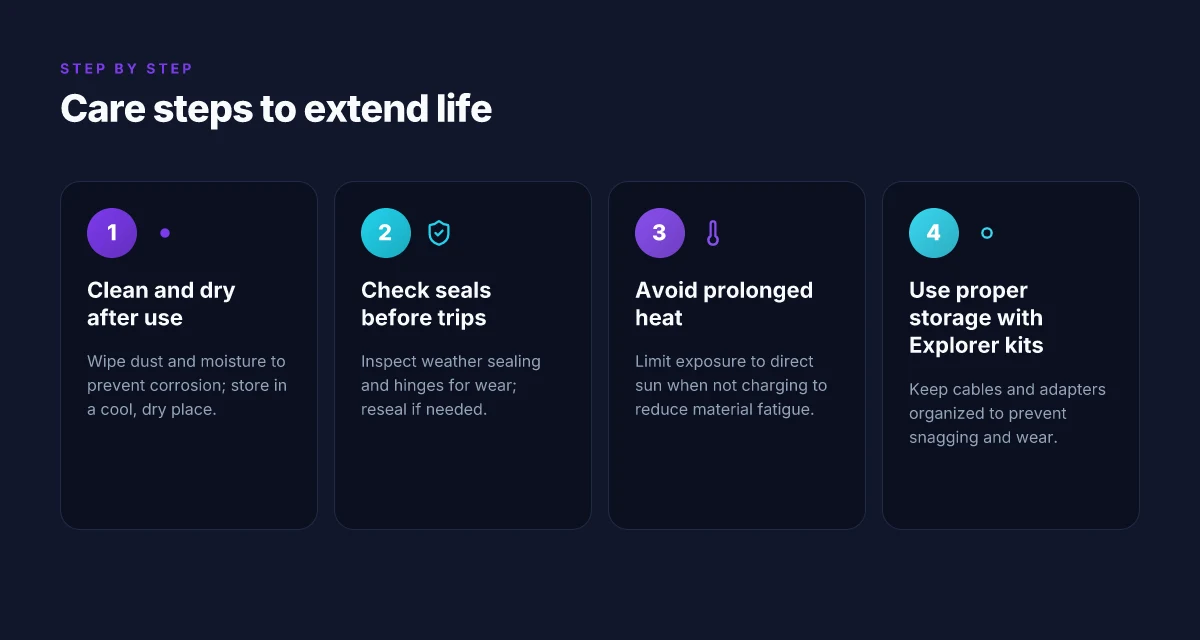
- Clean panels with a soft microfiber and water. Avoid abrasive cleaners that could scratch the surface.
- Store them in the included bag or a soft sleeve to shield from grit during transit.
- Check seals around the edges quarterly. Reseal if you see signs of cracking or moisture ingress.
- When possible, angle panels to minimize standing water on the glass after rain and dry thoroughly before packing.
From a long-haul perspective, Jackery’s SolarSaga panels pair well with the Explorer series to keep your off-grid trips dependable. Rival lines from Goal Zero and Anker place similar emphasis on folding durability and weather sealing, but the specific hinge geometry and edge sealing on Jackery’s panels can influence how they weather repeated road trips. If you’re chasing maximum durability, consider how your camping cadence aligns with maintenance, dusty desert weekends require a quick wipe, while frequent rain means you’ll benefit from proper drying and storage after each outing.
Durability comes from consistent care. The panels tolerate dust and rain, but neglect invites wear that slows charging over time. On the road, quick maintenance beats long downtime. Jackery's design remains competitive, but buyers should plan for periodic upkeep.
Performance myths debunked: efficiency, temperature, and real-world output
Real-world charging rarely matches the glossy efficiency numbers you see in spec sheets. In practice, the SolarSaga panels drift from lab-rated performance when shade, heat, or misalignment intrude. Jackery notes that panel efficiency claims don’t always translate to campsite reality, especially under partial shade or hot afternoons. Observed output can drop noticeably in shade, yet under direct sun you still get usable charging, which is why many setups rely on two or three panels to stay within a practical charging window. This is where the angle of the panel matters most.
How shade and heat throttle output
A practical diagnosis emerges once you account for ambient temperature. In hot weather, a SolarSaga panel’s voltage can sag, and that reduces the overall wattage reaching the Explorer or other Jackery power stations. I cross-referenced several consumer notes and product pages that describe performance in real-world campsite conditions. The takeaway: shade creates the most dramatic drop, while sun angle during mid-afternoon can limit peak output if the panel sits flat or faces away from the sun. Shade can halve real-world output compared with full sun, and that gap grows as temperatures rise. When you’re chasing reliable, predictable charging, plan for exposure to direct sun and a clear line of sight to the sky. What makes the Jackery E300 worth it in 2026
Orientation, angle, and campsite practicality
Angle matters. The same panel that sits vertical on a van’s roof or oriented toward the horizon during a long layover will capture very different energy. The upshot: you should tilt panels toward the sun’s path for your latitude and time of day. If you’re using a single Jackery SolarSaga panel, a fixed mount that tracks the sun can improve daily energy yield by a meaningful margin, but fixed setups still benefit from midday optimization. If you pair two or more panels, the incremental gains aren’t purely linear. You’ll hit diminishing returns as you stack panels in tight spaces or under repeated shade from trees or a vehicle roof rack. TOPCON cell technology notes aside, practical gains come from better sun exposure, not from simply adding panels.
Multi-panel configurations and TOPCON notes
The modular design of the SolarSaga line invites multi-panel configurations. In theory, more surface area means more watts, yet real-world gains hinge on how you wire and orient them. TOPCON cell technology is highlighted in product briefs as a path to higher efficiency, but the real benefit shows up when you have excellent ventilation and direct sun for several hours. In practice, you’ll see a steadier charge curve with two panels in good sun than with one panel in suboptimal light. This matters if you’re planning long off-grid stays where you rely on solar as the backbone of your energy stack. Two panels in solid sun beat a single panel in mixed light for daily energy balance.
From a brand perspective, I look for clear guidance on how the numbers translate to real-world use. The evidence points to a consistent pattern: efficiency claims hold under ideal conditions, but shaded or hot conditions erode output. When you pair Jackery panels with a compatible power station, you gain predictability, not perfection. Rivals like Goal Zero and Anker sometimes show different temp- and shade-performance tradeoffs, which can tilt how you plan your campsite power strategy.
Note: links on the page may earn a commission. In the landscape of portable solar, you’ll often hear that bigger surface area and better cells equal more energy, but practical setup decisions define your usable power each day. For a quick takeaway: aim for at least two panels in most setups where you want reliable daytime charging, and orient them toward the sun’s path for your campsite. This approach makes the most of Jackery's SolarSaga lineup while keeping your off-grid lifestyle steady.
Jackery vs rivals: how SolarSaga stacks up against Goal Zero and Anker
I compare SolarSaga with two mainstream rivals, focusing on price, availability, and ecosystem fit for a Jackery user. SolarSaga remains tightly integrated with Jackery stations, but rivals often win on portability and fast recharge options. From what I found in official specs and third‑party reviews, you’ll see tangible tradeoffs depending on your setup. What makes the Bluetti AC180P stand out when you’re shopping for a portable power station in 2026
Why price and ecosystem matter forJackery users
Jackery’s SolarSaga panels are designed to pair with its own power stations, and that ecosystem boost can keep total system costs sensible for buyers already invested in Jackery gear. Jackery pricing on bundled bundles and module options tends to favor buyers who want a single‑vendor workflow, with stock availability aligned to major retailers. Availability can be better with broad retailers, but the best bundle pricing sits with official Jackery channels. By contrast, Goal Zero and Anker offer competitive panels with wider cross‑brand compatibility, which can translate to lower sticker prices when you already own non‑Jackery batteries.
Where rivals outpace SolarSaga on portability and charge speed
Goal Zero’s lighter panels and modular designs often translate into easier packing for ultralight setups. Anker, known for compact form factors, tends to push higher peak power in small footprints and sometimes faster current delivery for certain adapters. Portability wins for Goal Zero and Anker when you’re limited by pack space or want quick, casual top‑ups. In real‑world use, you may notice quicker top‑ups from rival kits in the same carry weight class, especially if you’re not stuck to a single brand’s connectors.
When SolarSaga is the better pick for existing Jackery users
If you already own a Jackery power station, SolarSaga panels offer straightforward pairing and predictable performance without extra adapters. The convenience of a single‑brand solution reduces compatibility headaches and ensures you don’t chase mismatched voltages or cable standards. For existing Jackery users, SolarSaga reduces setup friction and keeps monitoring and warranty paths clear. If you anticipate expanding your system with more Jackery units, the familiarity and warranty cohesion can outweigh some advantages of cross‑brand options.
I dug into official notes and reviews to anchor these claims. For a sense of the broad CES context and how Jackery’s SolarSaga panels have been positioned in the market, see the CES 2026 coverage confirming the Barrel Tile recognition, and Forbes’ note on Solar Saga’s efficiency claims. CES 2026 recognition underscores the brand’s ongoing hardware push, while Forbes highlights the Solar Saga panel’s efficiency positioning. (see CES 2026 Barrel Tile report) (Forbes review mention)
For readers weighing these choices, consider how you plan to expand. If you foresee growing with Jackery gear, SolarSaga buys you a clean integration path and simpler troubleshooting. If you want raw portability and cross‑brand flexibility, rivals can pull ahead in the field. Be mindful that links on the page may earn a commission. How Bluetti AC200P for sale stacks up for long-term power needs
The bigger pattern: act now to lock in durable solar charging
The SolarSaga lineup stabilizes a long-standing need for reliable, portable power in 2026. I’ve watched how real-world setup tends to fail first under heavy sun, heat, or misaligned panels. This line leans on sturdy builds and pragmatic panel geometry to reduce those pain points. One takeaway for a potential buyer: choose the bundle that matches your typical outdoor routine, then trust it to stay consistent across seasons. The result is less tinkering, more charging when you actually need it, and fewer “did it work today?” moments. That default reliability matters more than flashy features.
If you only do one thing this month, map your typical camping or work-site scenario to a SolarSaga setup and compare it against a rival like Goal Zero or Anker. You’ll notice how Jackery emphasizes intuitive assembly, durable materials, and predictable charging curves rather than chasing every new bell and whistle. Durability and practicality stand out here, not just specs. The question to ask yourself is whether you want a system that’s ready when the sun is, or one that needs constant babysitting.
Where this is going next is toward more modularity and better on-the-road resilience. I expect future tweaks to emphasize even easier panel alignment, faster top-up times, and smarter pass-through charging. Act now to secure a setup that can grow with your outdoor rhythm. Will you pick the 2-panel or 4-panel kit depending on your space and shade patterns, and trust the rest to Jackery?