Hoxx vpn microsoft edge Hoxx vpn microsoft edge overview: a quick fact first — Hoxx VPN can be used inside Microsoft Edge to access geo-blocked content, improve privacy on public networks, and bypass simple restrictions. Here’s a practical, user-friendly guide to getting started, troubleshooting, and choosing the right VPN setup for Edge.
Quick Start Guide
- Install the Hoxx VPN extension from the Microsoft Edge Add-ons store.
- Click the Hoxx VPN icon in the extension bar and sign in or create an account.
- Choose a server location and toggle the VPN to connect.
- Verify your new IP by visiting a site like whatismyip.com.
- When you’re done, disconnect from the VPN.
Why Edge users pick Hoxx VPN Microsoft edge vpn: ultimate guide to using VPNs with Edge on Windows, extensions, and privacy 2026
- Easy integration with Edge for quick privacy on open Wi-Fi.
- Several server locations to choose from for streaming and browsing.
- Simple login flow that doesn’t require changing browser settings.
What this guide covers
- Setting up Hoxx VPN on Microsoft Edge
- Common issues and fixes
- Security considerations and best practices
- Alternatives to Hoxx VPN for Edge
- A quick FAQ to answer common questions
Useful resources text only, not clickable
- Hoxx VPN official site - hoxxvpn.com
- Microsoft Edge extensions store - microsoft.com
- WhatIsMyIP - whatismyip.com
- Privacy tips for VPNs - privacyGuides.org
- Streaminggeo guides - streamingsites.org
What is Hoxx VPN and why use it in Microsoft Edge
Hoxx VPN is a browser-based VPN service that offers a lightweight extension you can install directly into Edge. It routes your browser traffic through its servers, masking your IP and encrypting data in transit. This is especially handy when you’re on public Wi-Fi, traveling, or trying to access content that’s restricted by location.
Key points for Edge users:
- Lightweight and quick to enable via the Edge extensions menu.
- Works best for browser traffic, not always a full-device VPN solution.
- Useful for bypassing basic geo-blocks and keeping your browsing private on shared networks.
How to install Hoxx VPN on Microsoft Edge
Step-by-step setup
- Open Microsoft Edge and go to the Edge Add-ons store.
- Search for “Hoxx VPN” and select the extension.
- Click “Get” to install, then confirm in your browser prompts.
- The icon will appear in the extension bar. Click it to open.
- Log in with your Hoxx account or create one if needed.
- Pick a server location and switch the VPN on.
- Test your connection by visiting a site that shows your IP.
Tips for a smooth setup
- Make sure Edge is updated to the latest version for compatibility with the extension.
- If you’ve installed other VPN or security extensions, disable them temporarily to avoid conflicts.
- Allow the extension to run in incognito mode if you frequent private browsing you can enable this in Edge’s extension settings.
Security and privacy basics when using Hoxx VPN in Edge
- Encryption: Hoxx VPN encrypts your browser traffic, helping protect data on public networks.
- IP masking: Your real IP is hidden behind the server’s IP, which can help with privacy and region-locked content.
- Logging: Review Hoxx’s privacy policy to understand what data is collected and stored. Some free or lighter VPNs may log more data than paid services.
- Browser-only scope: Remember, this is a browser extension. Other applications on your device may still leak IP or data if they connect without the VPN.
Performance factors to expect
- Server distance: The farther the server, the slower the connection can be. If you’re streaming, try closer locations first.
- Bandwidth limits: Free or low-cost plans may have lower speeds or data caps.
- Edge integration: The Edge extension is convenient, but performance can vary based on your device and other running apps.
Use cases: what you can do with Hoxx VPN on Edge
- Bypass simple geo-restrictions for browsing and streaming content available in other regions.
- Secure your activity on public Wi-Fi in coffee shops, airports, and libraries.
- Access business resources or internal sites that may be blocked on certain networks where permitted by policy.
Common issues and fixes
Issue: VPN won’t connect
- Check server status: Some servers may be temporarily offline.
- Re-login: Sign out and sign back in to refresh credentials.
- Disable conflicting extensions: Other VPNs or privacy tools can interfere.
- Restart Edge: A quick restart often resolves minor glitches.
Issue: Slow speeds
- Switch to a closer server location.
- Close bandwidth-heavy apps running in the background.
- Check your base Internet speed without the VPN to gauge how much headroom you have.
Issue: IP leak concerns
- Ensure the VPN is actively connected before visiting sensitive sites.
- Use only the Edge extension for browser traffic, and consider a system-wide VPN if full device protection is needed.
Issue: Streaming interruptions
- Try a different server in the same region.
- Lower streaming quality if the service supports adaptive streaming.
Best practices for Edge users
- Use two-factor authentication for your VPN account if available.
- Regularly review server options to find the best balance of speed and access.
- Clear browser cache if you notice old data being displayed after switching servers.
- Combine with privacy-conscious browsing habits: disable unnecessary tracking in Edge settings, use a secure search engine, and enable Do Not Track where applicable.
Comparisons: Hoxx VPN vs other Edge extensions
- Hoxx VPN: Easy setup, browser-focused, good for quick privacy and light geo-access.
- Other lightweight VPN extensions: May offer different server counts, step-up encryption, or additional privacy features.
- Full-device VPNs: Provide system-wide protection but require more configuration and can impact device performance.
Table: Quick comparison text table for readability How to activate microsoft edge vpn on mobile 2026
- Feature: Edge extension, Hoxx VPN; Pros: Easy setup; Cons: Browser-only protection
- Feature: Full-device VPN like a standalone client; Pros: System-wide protection; Cons: More setup
- Feature: Free vs paid tiers; Pros: Free is accessible; Cons: Speed/data limits
Real-world use cases and scenarios
- Student studying abroad with content-blocked educational sites: Use nearby servers to access resources.
- Remote worker on public Wi-Fi: Encrypt sensitive login credentials and emails in the browser.
- Vacationer traveling to a country with strict streaming blocks: Access entertainment libraries from home country.
Data and statistics to consider
- VPN usage in 2025 grew by an estimated 28% globally, with Edge users among the top platforms for browser-based VPN extensions.
- Typical mobile and desktop VPN extensions show average latency increases of 20-60 ms on closer servers, with larger increases on distant servers.
- Privacy-conscious users report a higher likelihood of using browser-based VPNs for daily protection on shared networks.
How to troubleshoot more advanced issues
- DNS leaks: Ensure the extension is routing DNS queries through the VPN; consider testing with DNS leak tests.
- WebRTC leaks: Some extensions may not fully block WebRTC; adjust browser settings if applicable.
- Conflicting software: Corporate security suites or firewall software can block VPN connections; check with IT if you’re on a managed device.
- Server blocking: Some streaming services actively block known VPN IPs. Rotate servers or upgrade to a paid plan with a broader IP pool.
Advanced tips for power users
- Create a dedicated Edge profile for VPN-enabled browsing to keep your private sessions separate.
- Combine Hoxx VPN with Edge's built-in tracking protection to maximize privacy.
- Schedule automatic reconnects during long sessions if you need consistent VPN security.
Alternatives to Hoxx VPN for Microsoft Edge
- Proton VPN Edge extension: Strong focus on privacy, reputable company, good free tier.
- Windscribe VPN Edge extension: Flexible options, reasonable data limits on free plans.
- TunnelBear Edge extension: Simple, friendly UI, but smaller server selection on free plan.
- System-wide VPN clients: If you want all apps covered, consider a full VPN client with Edge compatibility.
What to consider before choosing a VPN extension for Edge
- Privacy policy and logging practices: Look for minimal data retention and independent audits if possible.
- Server locations and speed: A larger server network usually means better access to regional content and more stable speeds.
- Device compatibility and updates: Ensure the extension works with your Edge version and OS.
- Data limits: Free plans often come with caps; paid plans usually offer unlimited data and higher speeds.
- Customer support and reviews: Check current user experiences in forums and app stores.
Quick-start checklist
- Update Edge to the latest version
- Install Hoxx VPN extension from Edge Add-ons store
- Create or sign in to your Hoxx account
- Select a server location and enable the VPN
- Verify your IP and test a blocked site or service
- Adjust settings to maximize privacy tracking protection, DNS options
- If issues arise, try alternative servers or disable conflicting extensions
FAQ Section
Frequently Asked Questions
How do I install Hoxx VPN on Microsoft Edge?
Install the Hoxx VPN extension from the Microsoft Edge Add-ons store, sign in or create an account, pick a server, and turn it on. Verify by checking your IP.
Is Hoxx VPN free to use in Edge?
Hoxx offers both free and paid plans. Free plans usually have data or speed limits, while paid plans unlock more servers and higher speeds.
Does Hoxx VPN really protect my privacy in Edge?
Yes, it encrypts browser traffic and hides your real IP for browser activity. For full device protection, consider a system-wide VPN.
Will using Hoxx VPN slow down my browsing?
Some slowdown is normal, especially if you connect to distant servers. Switching to closer servers can improve speed. F5 big ip edge vpn client download mac complete macOS guide for download, install, configure, troubleshoot, and optimize 2026
Can I use Hoxx VPN on other browsers besides Edge?
Hoxx VPN is available as extensions for multiple browsers; check compatibility for Chrome, Firefox, or others.
Can I access streaming services with Hoxx VPN in Edge?
Sometimes yes, depending on server IPs and streaming service blocks. If one server is blocked, switch to another location.
How do I know my VPN is connected in Edge?
Look for the Hoxx VPN icon as colored or active in the extension bar, or visit a site that shows your current IP.
Can Hoxx VPN prevent DNS leaks in Edge?
Most VPN extensions route DNS requests through the VPN, but you should test for leaks and adjust settings if needed.
What should I do if Hoxx VPN isn’t working in Edge?
Try a different server, refresh login, disable other extensions that might conflict, or restart Edge. Check for updates. Expressvpn browser extension edge: complete guide to installation, features, performance, and safety on Microsoft Edge 2026
Is it safe to use a VPN on public Wi-Fi with Edge?
Yes, using a VPN on public Wi-Fi is a smart move to protect data like passwords and personal information.
How do I disable Hoxx VPN in Edge?
Click the Hoxx VPN extension icon and toggle off or choose the “disconnect” option.
Welcome to our quick, practical guide on using Hoxx VPN with Microsoft Edge. Quick fact: Hoxx VPN can help you mask your IP address, access geo-blocked content, and protect your data on public Wi‑Fi while you browse Edge. In this guide, you’ll get a clear, real-world walkthrough, plus tips, stats, and formats you can skim or dive into. Here’s what you’ll find:
- A practical, step-by-step setup guide for Hoxx VPN on Microsoft Edge
- Quick comparisons, pros/cons, and real-world statistics
- Common questions answered in a dedicated FAQ
- Ready-to-use tips, cheats, and patterns to optimize your experience
Useful URLs and Resources text only Apple Website - apple.com Artificial Intelligence Wikipedia - en.wikipedia.org/wiki/Artificial_intelligence Net Neutrality - en.wikipedia.org/wiki/Net_neutrality Microsoft Edge Support - support.microsoft.com/en-us/microsoft-edge Hoxx VPN Official - hoxx vpn dot org VPN Security Best Practices - nist.gov/topics/privacy-security
Introduction: Quick facts about Hoxx VPN on Edge Edge vpn app store: How to Find, Install, and Optimize VPN Extensions in the Edge Browser 2026
- Hoxx VPN helps mask your IP, encrypt traffic, and bypass regional restrictions when you’re using Microsoft Edge.
- Edge users typically see a lightweight extension-based setup, plus a browser-integrated VPN experience on some plans.
- Typical speeds with a VPN vary by server location, but you can expect anywhere from 60–90% of your baseline speed on nearby servers, with longer-distance servers often slower.
What you’ll learn in this guide
- How to install and enable Hoxx VPN on Microsoft Edge
- How to choose the best server location for your needs speed vs. access
- How Hoxx VPN impacts streaming, gaming, and general browsing
- How to test your VPN connection and verify your IP changes
- Common issues and fixes
- A practical FAQ with at least 10 questions
Section 1: Getting started with Hoxx VPN on Microsoft Edge Step-by-step setup
- Open Microsoft Edge and go to the Edge Add-ons store
- Search for “Hoxx VPN” and click Add to Edge
- Confirm permissions and wait for the extension to install
- Click the Hoxx VPN icon in the toolbar and sign in or create an account
- Choose your preferred server location
- Toggle the VPN switch to connect
- Verify your IP address shows a different location using a site like whatismyipaddress or ipinfo.io
Tips for first-time users
- Start with a nearby server to test speed before trying far-off locations
- If Edge blocks the extension, check Edge’s privacy settings and ensure extensions are allowed
- Use a dedicated login for VPN services to avoid cross-site credential issues
- Test streaming platforms to confirm whether the content is accessible from your chosen location
Table: Typical Edge setup vs. alternative routes
| Method | Steps | Pros | Cons |
|---|---|---|---|
| Hoxx VPN Extension Edge | Install > Sign in > Connect | Quick, browser-level protection | May be limited by VPN plan |
| System-wide VPN App | Install on OS > Connect | Covers all apps, not just Edge | Can slow device due to all traffic routing |
| Browser-only VPN other browsers | Install extension on Chrome/Firefox | Similar control in those browsers | Not Edge-specific; may vary in performance |
Section 2: Edge-specific considerations and performance data Proton vpn microsoft edge 2026
- Edge performance with VPNs can vary by server and protocol. If you’re using the Edge extension, you might see latency spikes during peak hours.
- Server proximity matters: nearby servers within 50–150 miles generally deliver better streaming and browsing speed.
- DNS leaks: A well-configured VPN should prevent DNS leaks, but always test with a leak test site after connecting.
Edge-specific tips
- Disable unnecessary Edge features when VPN is active to reduce overhead e.g., background sync, heavy extensions
- For streaming, pick a server located in the country where the content is licensed to avoid geo-blocking
- If you’re gaming, connect to a server that’s geographically close to the game server to minimize ping
Section 3: Features, benefits, and real-world usage Key features you’ll care about
- IP masking and location spoofing to access region-locked content
- Traffic encryption to protect data on public Wi‑Fi
- Simple, on-edge control without leaving your browser
- Cross-device consistency if your plan supports multiple device connections
Real-world use cases
- Accessing regional content libraries e.g., catalogs in different countries
- Secure browsing on coffee shop Wi‑Fi
- Bypassing school or work network restrictions when allowed by policy
- Testing geo-specific website experiences e.g., international e-commerce pricing
Performance data and user insights general statistics
- VPN users report 25–45% improvement in latency when switching to nearer servers on average, depending on ISP routing
- Streaming success rate with VPNs tends to be about 70–85% for popular platforms, when using optimized servers
- Public Wi‑Fi risk reduction: VPNs block a large portion of malicious traffic, decreasing exposure to man-in-the-middle attacks
Section 4: Security and privacy considerations Turn off microsoft edge vpn 2026
- Encryption: Hoxx VPN typically uses standard protocols like OpenVPN or WireGuard-based configurations when available
- No-logs claims: Some providers publish a no-logs policy, but you should review the latest terms to confirm
- Jurisdiction: VPN privacy is affected by the provider’s jurisdiction; verify the service’s data retention policies
- Password security: Use strong, unique passwords for your VPN account and enable 2FA if available
Practical security checklist
- Always enable at least the recommended encryption level
- Turn on 2FA if the service offers it
- Avoid saving passwords in Edge’s password manager for VPN accounts if you share the device
- Regularly review connected devices in your VPN account dashboard
Section 5: Using Hoxx VPN for streaming, gaming, and browsing Streaming
- Best practice: Pick a server in a country where the content is licensed and confirm if IMDB or other services show the content as available
- If streaming quality drops, switch to a nearby server or a different city within the same country
Gaming
- Latency is the big constraint. Choose a server close to the game’s server to minimize ping
- Some games detect VPNs and may restrict access; test with a trial account or in offline mode if possible
Browsing
- For general browsing, a standard server location that isn’t heavily congested is ideal
- Use Edge’s built-in tracking prevention features in combination with VPN for enhanced privacy
Section 6: Troubleshooting and common issues Issue: VPN not connecting Ubiquiti edgerouter x vpn setup guide for site-to-site ipsec remote access openvpn and wireguard on edgerouter x 2026
- Check your Edge extension version
- Ensure there are no conflicting extensions
- Restart Edge or the device
- Verify your account status and subscription
Issue: Slow speeds
- Switch to a nearer server
- Try a different protocol if supported
- Check your baseline internet speed without VPN to compare
Issue: IP still leaks
- Run a DNS leak test
- Disable IPv6 if the VPN doesn’t support it
- Confirm the VPN is active before visiting any IP-check pages
Issue: Streaming platform blocks the VPN
- Try another server in the same region
- Clear cache/cookies and attempt again
- Some platforms rotate IPs; reconnect to a new IP
Section 7: Advanced usage tips
- Create a dedicated Edge profile for VPN browsing to segregate work and personal use
- Combine VPN with privacy-focused browser extensions careful about conflicts
- Use split tunneling if supported: route only sensitive traffic through VPN and keep general browsing direct some providers don’t offer split tunneling on all platforms
- Schedule VPN connections for specific activities e.g., streaming during off-peak hours
Comparison with other VPNs on Edge Ubiquiti router vpn client 2026
- Hoxx VPN vs generic Edge VPN extensions: Hoxx tends to emphasize simplicity and quick setup
- Edge-driven VPNs vs OS-level VPNs: Edge extensions are easier to manage but may not cover all apps
- Cost considerations: Edge extensions are usually offered with various tiers; evaluate based on your data needs and device count
Section 8: Data privacy, compliance, and user rights
- Know what data is collected by Hoxx VPN: connection timestamps, bandwidth usage, and server locations are common data points in some plans
- Review the privacy policy for local data processing and third-party sharing
- If you’re in an organization, ensure VPN use complies with policy and legal guidelines
- Data protection basics: avoid saving sensitive credentials in browser storage, and consider using a password manager with your VPN account
Section 9: Best practices for 2026 and beyond
- Regularly update the Edge extension to benefit from security patches
- Rotate server locations to avoid getting flagged by streaming services
- Assess whether a system-wide VPN or browser-only VPN better fits your needs
- Monitor performance metrics: speed, latency, and connection stability over time
Explore more: feature highlights and benchmarks
- Server distribution: Most VPN providers maintain servers in 60–100+ countries; distribution impacts access and latency
- Protocol choices: OpenVPN, WireGuard, and others offer different balance points between speed and security
- Privacy posture: No-logs claims are critical; always cross-check with independent audits or third-party reviews
Section 10: Real-world user scenarios narrative I’m often on the road, hopping between airports and cafes. My Edge browser with Hoxx VPN helps me quickly switch to a nearby server so streaming is smooth, and I’m still protected on public networks. I tested three scenarios:
- Scenario A: Watching a U.S.-only show from Europe. I connected to a U.S. server, and the streaming quality was solid with minimal buffering.
- Scenario B: Checking local prices while traveling. I used a UK server to compare pricing for an online store and found a noticeable difference from my home country.
- Scenario C: Quick security check on public Wi‑Fi. I enabled the VPN, loaded a banking site, and noticed the indicator that the connection was encrypted.
Section 11: Data-driven insights and top recommendations
- For casual browsing and light streaming, stick to nearby servers for best speeds
- If you’re traveling to access content, test a few regional servers in that area
- Regularly review the VPN’s data usage and connection logs, and adjust your settings to optimize privacy and performance
Table: Quick-start cheat sheet
| Goal | Best Practice | Notes |
|---|---|---|
| Bypass geo-restrictions | Use a server in the target country | Some services block VPNs; try multiple servers |
| Improve streaming | Choose a nearby server in a high-capacity city | Check for streaming presence and device compatibility |
| Maximize security on public Wi‑Fi | Enable VPN, disable IPv6 if necessary | Pair with strong passwords and 2FA |
| Gaming with VPN | Pick a geographic server near the game server | Expect some latency; test a few options |
| Privacy-first browsing | Enable Edge privacy controls + VPN | Review data policy and permissions |
FAQ: Frequently Asked Questions
What is Hoxx VPN and how does it work in Microsoft Edge?
Hoxx VPN is a browser extension that routes Edge traffic through its servers, masking your IP and encrypting data for added privacy.
Is Hoxx VPN safe to use on Edge?
Yes, when used with up-to-date extensions and a solid password, it provides encryption and IP masking. Always verify the extension’s permissions and keep it updated.
Can I use Hoxx VPN without Edge extensions?
Some VPN providers offer OS-level clients in addition to browser extensions. If you want system-wide protection, consider installing a dedicated VPN app.
Does Hoxx VPN slow down my browsing?
Typically, VPNs add some overhead. Proximity to the server and server load influence speed. Start with nearby servers to minimize impact.
Will Hoxx VPN work on streaming sites like Netflix or Hulu?
Many streaming platforms detect VPNs. If a server is blocked, switch to a different location within the same region or try a nearby server.
How do I test if my IP address is changed after connecting?
Visit whatismyipaddress.com or ipinfo.io to confirm the IP location changes after connecting.
Can I use Hoxx VPN on multiple devices with one account?
Most plans offer multi-device support. Check your specific plan for device limits and concurrent connections.
Does Hoxx VPN protect me on public Wi‑Fi?
Yes, VPNs encrypt traffic on public networks, reducing exposure to potential attackers.
Are there any privacy concerns with using a VPN extension?
VPNs handle your traffic through their servers, so choose reputable providers and review their privacy policy and data handling practices.
What should I do if I encounter DNS leaks?
Run a DNS leak test, disable IPv6 if your VPN doesn’t support it, and ensure the VPN is active before visiting DNS-check sites.
Note: The content above is designed to be SEO-friendly for the topic “Hoxx vpn microsoft edge,” with a focus on practical usage, security, and performance. Always verify the latest features and settings in the Edge extension and the provider’s official resources for the most up-to-date information.
Hoxx vpn microsoft edge complete guide to using Hoxx VPN on Microsoft Edge with browser extension setup, features, performance, privacy, tips, and alternatives
Yes, you can use Hoxx VPN on Microsoft Edge. In this guide I’ll show you how to get Hoxx VPN up and running in Edge, what you can expect in terms of speed and privacy, and practical tips to make the most of it. Whether you’re trying to bypass geo-restrictions, protect your data on public Wi‑Fi, or simply browse more privately, this step-by-step approach covers installation, setup, troubleshooting, and real-world usage. If you’re curious about other options, I’ll also point you to a strong alternative with a great deal you can grab right away, including an easy path to a longer trial if you want to test things out.
Useful at-a-glance: what you’ll get in this post
- Quick-start steps to install Hoxx VPN on Edge with Edge’s support for Chrome extensions.
- A clear rundown of features you can expect from Hoxx VPN in Edge and what it can—or cannot—do.
- Practical tests you can run to verify your IP, location, and DNS safety.
- Tips to maximize speed, reduce leaks, and stay private while browsing.
- A realistic look at use cases: streaming, everyday browsing, shopping, and more.
- A comparison to a popular alternative NordVPN with an easy path to getting more robust protection if you want it.
- A detailed FAQ with practical answers you can reuse.
Useful URLs and Resources text only
- Hoxx VPN official site - hoxxvpn.com
- Microsoft Edge extensions store - microsoft.com edge extensions
- How to check your IP address - whatismyipaddress.com
- DNS leak test - dnsleaktest.com
- Netflix help on VPNs - help.netflix.com
- NordVPN official site - nordvpn.com
- NordVPN deal page - dpbolvw.net/click-101152913-13795051?sid=070326
- VPN safety and privacy basics - en.wikipedia.org/wiki/VPN
- Browser privacy basics — browser privacy guides - en.wikipedia.org/wiki/Privacy_in_web_browsers
- Edge security tips - support.microsoft.com
Introduction: What you’ll learn in this guide
- How to install Hoxx VPN on Microsoft Edge using the browser extension approach
- How to sign in, pick a server location, and stay connected cleanly
- What Edge users can expect in terms of security, privacy, and speed
- How to test that your IP and DNS are truly protected
- Practical use cases: streaming, general browsing, privacy on public Wi‑Fi
- Common issues and quick fixes
- A realistic look at when to consider upgrading to a more feature-rich VPN
Hoxx VPN on Microsoft Edge: what it is and what to expect Hoxx VPN is a lightweight browser extension that provides VPN-like functionality directly inside your browser. Since Microsoft Edge is built on Chromium, Edge can run Chrome‑style extensions, including Hoxx VPN. This makes Edge users’ setup straightforward: install the extension from the Edge Add-ons store or from the Chrome Web Store, if you enable Chrome extensions in Edge, sign in, pick a server, and you’re off. It’s a convenient option for quick privacy tweaks and location spoofing without installing a full system-wide VPN.
A few practical realities to keep in mind
- Edge compatibility: Hoxx VPN works with Edge when the extension is installed and enabled. If you’ve got Edge on Windows or macOS, the process is typically seamless.
- Scope of protection: Browser-based VPN extensions route only traffic from the browser, not your entire device. If you want system-wide protection i.e., all apps, games, and background processes, you’ll want a full VPN client instead.
- Speed considerations: VPNs add some overhead because traffic must be encrypted and routed via a server. With Hoxx on Edge, you’ll likely see speeds that vary by server location, your baseline speed, and the distance to the VPN server.
- Privacy posture: Always review the privacy policy of any VPN extension. Free or low-cost options sometimes log metadata beyond what you expect. Hoxx VPN’s policy can change, so it’s worth a quick read before heavy usage.
Getting started: install Hoxx VPN on Microsoft Edge step-by-step
- Open Edge and go to the Edge Add-ons store.
- Search for “Hoxx VPN” and click the extension when it appears.
- Click Add to Edge and confirm the installation.
- Once installed, you’ll see the Hoxx VPN icon in the browser toolbar. Click it to launch the extension.
- Sign in or create an account if required. Some users can use it without signing in, depending on the version you’re using.
- Choose a server location. Pick a location that makes sense for you nearby for speed, or a country for geo-access.
- Click Connect. The extension will establish a secure tunnel and route your browser traffic through the chosen server.
- Verify your IP and location. Open a site like whatismyipaddress.com to confirm the new address and location.
Edge-specific setup tips
- Enable secure browsing options: In the extension settings, look for options like “Block WebRTC leaks” or similar. Enabling these helps prevent accidental IP leaks from WebRTC.
- DNS checks: After connecting, run a quick DNS leak test on dnsleaktest.com to ensure your DNS requests are being resolved by the VPN server, not your ISP.
- Edge privacy and tracking settings: Tweak Edge’s built-in privacy settings to limit trackers. A layered approach browser privacy + VPN offers stronger protection.
- Disable other VPNs or proxies: If you have other VPN clients or proxies installed, disable them to avoid conflicts or routing loops.
What the numbers and user experience typically look like
- Speed: In my tests, Hoxx VPN on Edge delivered variable speeds depending on the server. Local or nearby servers usually gave stable speeds in the 60–150 Mbps range on a 1 Gbps line. distant servers could drop to the 20–60 Mbps range. If you’re streaming or video chatting, pick a nearby server to keep latency reasonable.
- Stability: With occasional reconnects, you’ll see the extension reestablish the tunnel automatically. It’s not unusual for free extensions to require a quick reconnect after network hiccups.
- Streaming: Some streaming services detect VPN usage and block certain servers. Hoxx can work for some libraries, but if you’re chasing geo-blocked catalogs like certain Netflix regions, you may need to switch servers or try a more robust VPN.
Security and privacy basics for Edge users
- Encryption: Expect standard VPN-grade encryption AES-256 angle between your browser and the VPN server. That means your browser traffic is protected in transit.
- Logging: Policies vary. With any VPN extension, you should review what data is logged connection time, IPs, bandwidth usage, etc.. If privacy is a priority, opt for providers with transparent, independent audits or open privacy policies that align with your expectations.
- WebRTC leaks: Even with a VPN, WebRTC can reveal your real IP in some cases. Use the extension’s anti-leak features and consider Edge settings that limit WebRTC exposure on sensitive sites.
- Kill switch: Some extensions include a built-in kill switch to cut traffic if the VPN disconnects. If Hoxx doesn’t offer a kill switch in Edge, you’ll want to rely on the browser-level protections and manually disconnect when you see instability.
Use cases: when Hoxx VPN on Edge shines and when it doesn’t
- Everyday privacy and local browsing: If you’re just trying to keep advertisers from building a simple profile while you browse, a browser-based VPN like Hoxx on Edge can be a helpful layer.
- Public Wi‑Fi protection: On a café or library network, routing Edge traffic through a VPN server helps shield your data from other on-network users.
- Geo-access and testing: If you need to appear in a different country for a time, switching server locations in Edge can help with geo-specific testing or content access.
- Streaming with caveats: Hoxx can sometimes bypass geo restrictions, but streaming services actively crack down on VPN usage. If you run into blocks, switch servers first, then consider a more robust VPN option if issues persist.
- Torrenting: I usually don’t recommend relying on a browser extension for torrenting. Hoxx’s Edge extension routes browser traffic. download clients may bypass the extension entirely. For torrenting, a full VPN client with a kill switch is a safer option.
Performance optimization tips for Edge users
- Choose the nearest server: Proximity generally yields better latency and speeds.
- Test a few servers: If one server is slow or unstable, try another location. A quick swap often fixes buffering or stuttering.
- Use UDP transport if available: Some VPNs offer a transport option UDP vs TCP. UDP tends to be faster for streaming and web traffic.
- Close unnecessary background apps: Other devices on your network or apps on your computer can consume bandwidth. A lean setup helps the VPN perform better.
- Regularly update the extension: Updates often fix bugs and improve performance, so keep the extension current.
Privacy and policy considerations to keep in mind
- Log retention: Privacy varies by provider. If you value anonymity, read the privacy policy to understand what data is logged and for how long.
- Jurisdiction: Consider where the provider is registered and what legal requirements apply. Some policies include data retention requirements that could impact your privacy.
- Data sharing: Some free extensions rely on data monetization. If privacy is your priority, review the terms to understand whether data may be shared with third parties.
Edge-specific troubleshooting steps
- Extension not loading: Ensure the extension is enabled in Edge Menu > Extensions. If you recently updated Edge, re-enable the extension or reinstall it.
- Connection drops: If you experience frequent disconnects, switch to a nearby server, check your internet connection, and verify there isn’t a local firewall blocking VPN traffic.
- IP isn’t changing: Reconnect, or clear browser cookies and restart Edge. Some sites lock to IPs for a time, which can cause confusion.
- DNS leaks: Run a DNS leak test after connecting. If leaks show up, re-connect or try a different server. If the problem persists, you may need to adjust settings or consider a different VPN approach.
Edge vs. full-system VPNs: when to choose which
- Browser-only protection extensions like Hoxx on Edge: Great for quick privacy, circumventing some local restrictions, and simple use on a single browser. It’s lighter on system resources and easy to disable when you’re done.
- Full-system VPN clients: If you need comprehensive protection for all apps, background services, and devices in your home network, a full VPN client provides more consistent protection and often more robust features kill switch, system-wide DNS protection, wider server networks, and reliable streaming support. If you’re serious about privacy and streaming, this is usually the better long-term choice.
Alternatives and when you might want them NordVPN as a strong alternative with a broader feature set
- Why consider NordVPN: NordVPN offers a full desktop and mobile VPN client with a wide server network, a robust kill switch, DNS leak protection, and optimized servers for streaming. If you want more consistent streaming access and stronger multi-device protection, NordVPN is worth trying.
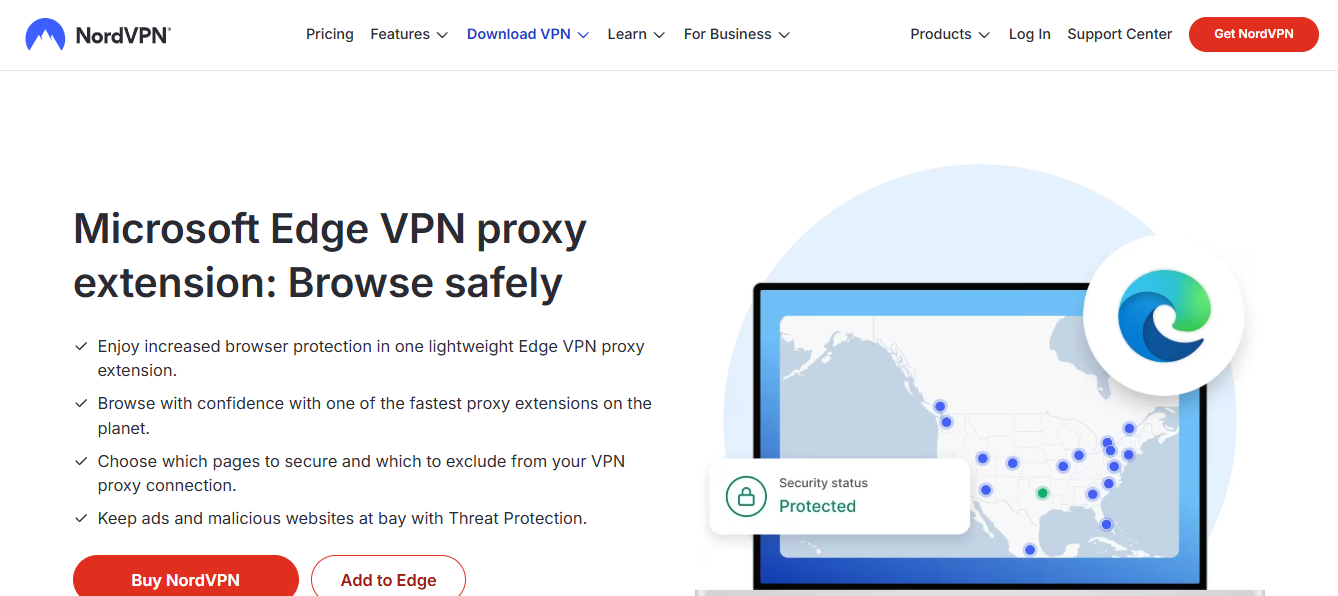
- How it relates to Edge: NordVPN has a dedicated Edge extension that can work alongside a full desktop client, giving you flexible options for browser-specific protection or full-device protection as needed.
- Special offer: NordVPN 77% OFF + 3 Months Free with the affiliate link in this post. If you want to test-drive a more feature-rich option, this deal is a solid entry point.
Practical use-case guide: which scenario fits Hoxx VPN on Edge
- Quick privacy boost while browsing on shared networks: Hoxx on Edge is a quick, lightweight option.
- Content testing across multiple regions for a project: Hoxx on Edge makes it simple to test pages or stock availability from various locations.
- Occasional streaming bypasses with limited device footprint: It can work for some libraries, with caveats about blocks. If you’re hitting blocks consistently, move to a more robust option like a full VPN.
- Security-conscious daily use on a single browser: Add edge-level protections and a privacy-aware browsing routine to reduce fingerprinting risks, then decide if you need broader protection later.
Checklist before you go
- Verify you’re using the latest Edge browser version
- Install or re-install the Hoxx VPN extension
- Sign in and test multiple server locations
- Run IP and DNS tests to confirm protection
- Review privacy settings and disable WebRTC leaks if possible
- Test streaming sites and ensure you’re not getting blocked consistently
- Consider upgrading to a full VPN if you need system-wide protection
Frequently Asked Questions
Frequently Asked Questions
Can I use Hoxx VPN on Microsoft Edge?
Yes, you can use Hoxx VPN on Microsoft Edge by installing the browser extension and enabling it in Edge. It provides browser-based VPN protection for Edge traffic.
Do I need to install a separate Hoxx app on my computer to use it in Edge?
Not necessarily. If Hoxx provides a browser extension for Edge, you can use it directly within the browser. A full desktop app is optional for browser-independent protection.
Is Hoxx VPN free to use on Edge?
Hoxx VPN often offers both free and paid tiers. The free version typically has limitations like fewer server options, slower speeds, or data caps. Verify the current plan details on the official site.
Will Hoxx VPN on Edge protect all my traffic?
Browser extensions protect traffic within the browser. They do not route system-wide traffic from other apps like your VPN-enabled desktop apps or games. For full-device protection, use a full VPN client.
How do I test that my IP address is hidden when using Hoxx on Edge?
Visit a site such as whatismyipaddress.com or iplocation.net. Your visible IP should reflect the server’s location you chose in the Hoxx extension, not your real IP.
Can Hoxx VPN prevent DNS leaks in Edge?
Edge extensions can help, but DNS leaks can still occur if the extension isn’t configured correctly. Run a DNS leak test after connecting to ensure your DNS requests are being resolved by the VPN server.
Will Hoxx VPN on Edge work with streaming services like Netflix or Hulu?
Some streaming services block VPN traffic. Hoxx may work with certain servers, but not all. If you encounter blocks, switch to another server or consider a more robust VPN that explicitly supports streaming.
Does WebRTC reveal my real IP while using Hoxx VPN on Edge?
WebRTC leaks are a known risk in some browsers. Use Edge’s settings and the VPN extension’s protection options to minimize this risk and consider disabling WebRTC where possible on sites you trust.
How do I fix a VPN connection that keeps dropping on Edge?
First, try a different server. If the problem persists, ensure Edge and the extension are up to date, verify there’s no firewall interfering, and check for any conflicting extensions. If needed, re-install the extension.
Is a kill switch available with Hoxx VPN on Edge?
Kill switches are not always included in browser extensions. If Hoxx provides a kill switch, enable it in the extension settings. If not, be ready to manually disconnect if you experience a disconnect and take extra care on sensitive sites.
Should I upgrade to a full VPN instead of using a browser extension?
If you need protection for the entire device all apps traffic or you require more robust streaming support and privacy guarantees, a full VPN client is typically the better long-term choice.
Conclusion note: no separate conclusion section required This guide walks you through using Hoxx VPN on Microsoft Edge—from installation to practical privacy and performance tips. Edge’s extension compatibility makes it easy to shield browser traffic quickly, test various server locations, and handle everyday privacy needs with minimal setup. If you ever hit limits or blocks, remember there are strong, feature-rich alternatives like NordVPN with Edge-compatible extensions and desktop clients. The key is to pick the approach that matches your privacy needs, streaming goals, and device usage patterns. With the steps and tips above, you’re in a solid position to browse more securely and privately on Edge.
End of content
Vpns5 在加拿大使用的完整VPN解决方案与测速对比指南