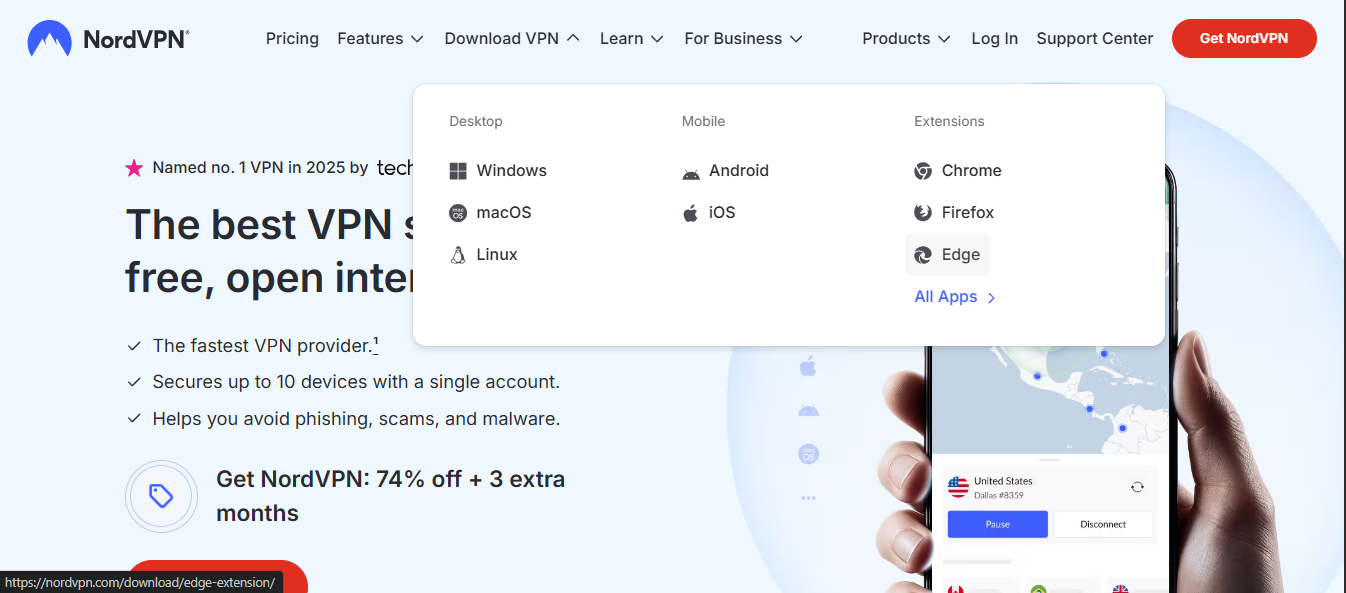
Microsoft Edge VPN Ultimate Guide to Using VPNs with Edge on Windows: Extensions and Privacy is your go-to resource for understanding how to secure your browsing, improve privacy, and keep your data safe while using Edge on Windows. In this guide, you’ll find practical, real-world steps, tips, and tricks to get the most out of VPNs, Edge extensions, and privacy features—all in one place. Quick facts: a VPN masks your IP, encrypts traffic, and prevents snooping on public Wi-Fi. Here’s what we’ll cover:
- What a VPN is and why it matters for Edge on Windows
- How to choose the right VPN for Edge and Windows
- Installing and configuring VPN extensions in Edge
- Using Edge with built-in privacy tools and VPNs
- Performance, leaks, and security best practices
- Common gotchas and troubleshooting steps
- Real-world use cases and scenarios
- Quick-start steps and a handy checklist
Useful URLs and Resources text only
Apple Website - apple.com
Artificial Intelligence Wikipedia - en.wikipedia.org/wiki/Artificial_intelligence
Windows Privacy Guide - privacy.windows.com
Edge Extensions Gallery - microsoftedge.microsoft.com/extensions
VPN Comparison and Reviews - www.techradar.com/vpn
Cybersecurity Basics - www.cisa.gov
IP Leak Testing - www.dnsleaktest.com
DNS Privacy Explained - www.cloudflare.com/learning-d cosplay
Browser Privacy Tips - www.eff.org/issues/privacy-browsers
Online Privacy Best Practices - www.mozilla.org/en-US/privacy
Why you might want a VPN with Microsoft Edge on Windows
- Privacy: A VPN masks your actual IP and makes your online actions harder to track across sites.
- Security: Encryption protects data on public Wi-Fi and when traveling.
- Access: Bypass geo-restrictions for streaming, news, or research content.
- Edge-friendly: Edge supports extensions, so you can add VPN functionality right in your browser.
Key stats to keep in mind: How to activate microsoft edge vpn on mobile 2026
- Global VPN usage continues to rise, with an estimated 33% of internet users using a VPN at least occasionally GlobalWebIndex, 2024.
- DNS and IP leaks can occur if VPNs aren’t configured correctly; always test for leaks after setup.
- Browser-integrated privacy controls plus a VPN can reduce fingerprinting when used together.
Understanding the Edge-VPN ecosystem on Windows
- VPN apps vs. VPN extensions: Desktop VPN apps establish a system-wide tunnel, while Edge extensions typically route just Edge traffic through a VPN server or use a per-site proxy.
- Edge extensions vs. native VPNs: Extensions are convenient for quick toggling and per-browser privacy, while system-wide VPNs cover all network activity.
- Privacy implications: A VPN hides your IP but won’t magically block trackers or malware; combine with Edge privacy tools and tracker blockers for best results.
How to choose the right VPN for Edge on Windows
When picking a VPN to use with Edge, look for:
- Strong encryption: OpenVPN or WireGuard protocols standard; AES-256 is a good baseline.
- No-logs policy: Transparency and independent audits are a big plus.
- DNS leak protection: Ensure the VPN pushes DNS requests through the VPN tunnel.
- Kill switch: Prevents data leaks if the connection drops.
- Edge compatibility: Some VPNs offer Edge-friendly extensions or easy installation.
- Speed and server spread: More servers and better routing mean less buffering.
- Privacy features: Split tunneling, obfuscation, and multi-hop options can be valuable.
A few popular options as of 2026 you can explore:
- VPN extensions for Edge: Some providers offer browser-only extensions that route Edge traffic.
- Desktop VPNs with Edge support: Providers that offer Windows apps with system-wide protection.
- Free vs. paid: Free options may have data caps or limited features; paid options usually offer stronger privacy assurances.
Step-by-step: Installing a VPN extension in Edge
- Open Microsoft Edge and go to the Edge Add-ons store.
- Search for a trusted VPN extension e.g., your chosen provider’s extension.
- Click Add to Edge and confirm any permissions.
- The extension icon will appear in the browser toolbar; click it to sign in and configure.
- Choose a server/location and enable the extension.
- Verify your IP location changed by visiting a site like whatismyipaddress.com.
- Optional: enable additional privacy features inside the extension kill switch, DNS protection, split tunneling.
Tips:
- Always download extensions from reputable providers to avoid fake extensions.
- Check extension permissions before installing; only grant what’s needed.
Step-by-step: Using a system-wide VPN with Edge on Windows
- Choose a VPN service with a Windows app and a solid privacy policy.
- Install the Windows VPN client and sign in.
- Connect to a VPN server consider nearby locations for speed.
- Open Edge and browse; your traffic should be encrypted and routed through the VPN.
- If you only want Edge traffic on VPN, disable the system-wide VPN and use the Edge extension instead.
- To test leaks, use DNS leak test websites and IP check sites.
- Customize settings like kill switch and auto-connect on boot.
Tips:
- For streaming or privacy-heavy tasks, use a server in a privacy-friendly jurisdiction but close to your location for speed.
- Some corporate networks enforce VPNs; consult IT if you’re on a managed device.
Privacy features you should enable with Edge and VPNs
- Kill switch: Keeps your data from leaking if the VPN drops.
- DNS leak protection: Ensures DNS requests go through the VPN tunnel.
- IPv6 handling: Disable IPv6 if your VPN doesn’t support it to avoid leaks.
- WebRTC protection: Some VPNs/extensions block or mitigate WebRTC leaks.
- Split tunneling: Route only certain sites or apps through VPN to balance speed and privacy.
- Ad and tracker blocking: Use Edge’s tracking prevention in combination with VPNs for stronger privacy.
- Private browsing mode and VPNs: In some cases, private mode may still use extensions; ensure your extension works in privacy mode if needed.
Edge-specific privacy and security best practices
- Keep Edge updated: Security patches improve protection against new threats.
- Use Edge's built-in tracking prevention: Choose a balance between performance and protection Basic, Balanced, Strict.
- Clear cookies and site data regularly: Helps reduce fingerprinting risk.
- Disable auto-fill for sensitive fields on shared devices: Reduces risk of exposing personal data.
- Use a strong password manager: Reduces credential reuse across sites.
- Enable two-factor authentication 2FA where possible: Adds an extra layer of security.
Performance considerations and testing
- VPN impact on speed: Expect some slowdown due to encryption and routing; choose nearby servers for better speeds.
- Latency and jitter: Gaming or real-time apps may suffer; pick servers optimized for speed.
- DNS leak tests: Run tests after setup to ensure DNS requests aren’t leaking.
- IP address stability: Some free VPNs rotate IPs frequently; business users may need a stable IP.
- Edge extension performance: Some extensions can slow down page rendering; monitor battery and CPU impact on laptops.
Performance tips: F5 big ip edge vpn client download mac complete macOS guide for download, install, configure, troubleshoot, and optimize 2026
- Use WireGuard-based VPNs for faster speeds with strong security.
- Connect to servers with low latency to your location.
- Disable unnecessary extensions that may slow down Edge.
Common issues and troubleshooting
- VPN not connecting: Check credentials, server status, protocol selection, and firewall settings.
- DNS leaks detected: Ensure DNS leak protection is enabled; flip to a different server or protocol.
- WebRTC leaks: Disable or mitigate WebRTC in Edge via extension or browser settings.
- Edge extension not working: Reinstall extension, clear cache, or disable other extensions that may conflict.
- Slow speeds: Try different servers, switch protocols, or reset network settings.
- Privacy mode conflicts: Some VPN extensions don’t work in InPrivate mode; check settings or use the standard mode.
Troubleshooting checklist:
- Verify VPN authentication is correct.
- Confirm a server is reachable and not blocked by your network.
- Check for IP leaks using multi-provider tests.
- Reboot Edge and Windows if needed.
- Update the VPN client and Edge to the latest versions.
Real-world use cases and scenarios
- Remote work from coffee shops: Use a trusted VPN extension in Edge for browser traffic while maintaining corporate policy.
- Streaming from other regions: Connect to a server in a different country to access region-locked content; ensure you meet streaming service terms.
- Privacy-conscious browsing: Combine Edge’s tracking prevention with a VPN to reduce fingerprinting and tracking.
Security posture and best-practice checklist
- Always use a confirmed VPN provider with a transparent privacy policy.
- Enable kill switch and DNS leak protection in your VPN settings.
- Regularly audit extensions and their permissions.
- Avoid public Wi-Fi without VPN protection.
- Keep Windows, Edge, and VPN software updated.
Edge vs. VPN extension vs. system-wide VPN: a quick comparison
| Feature | Edge VPN extension | System-wide VPN Windows app | Both |
|---|---|---|---|
| Scope | Browser only | All traffic | Both |
| Setup complexity | Easy | Moderate | Easy to moderate |
| Speed impact | Moderate depends on extension | Variable | Often more stable |
| Privacy controls | Per-browser settings | Global settings | Comprehensive privacy |
| Leaks protection | DNS/WebRTC depending on extension | DNS, IPv6 handling, kill switch | Best protection when used together |
Quick-start guide one-page cheat sheet
- Decide between browser-based VPN extension or system-wide VPN depending on needs.
- Install the chosen VPN extension or Windows app.
- Enable DNS leak protection and kill switch.
- Connect to a nearby server for best speed.
- Test your IP and DNS leaks after setup.
- Enable Edge tracking prevention and consider ad/tracker blocking.
- Regularly update all software.
Advanced topics for power users
- Split tunneling for Edge: Route sensitive sites through VPN while leaving others on your normal connection.
- Custom DNS with VPN: Use a privacy-focused DNS provider alongside VPN for extra privacy.
- Obfuscated servers: Helpful in restricted networks to hide VPN traffic.
- Multi-hop VPN: Route your traffic through two VPN servers for extra anonymity availability varies by provider.
- Edge-specific privacy profiles: Create profiles for work, home, and public places with different privacy settings and VPN configurations.
Common myths debunked
- Myth: A VPN makes you completely anonymous online. Reality: It hides your IP and encrypts traffic, but you still can be tracked by other means cookies, fingerprints, account logs.
- Myth: Free VPNs are safe. Reality: Free options often come with data limits, slower speeds, and privacy concerns.
- Myth: VPNs are illegal. Reality: In most places, using a VPN is legal; some networks and services may restrict usage.
Frequently Asked Questions
How do I know if my VPN is working with Edge on Windows?
Check your IP address on whatismyipaddress.com and confirm it matches your VPN server location. Also look for DNS leak test results showing the VPN’s DNS servers.
Can I use a VPN extension with Edge in InPrivate mode?
Some extensions work in InPrivate mode, others don’t. Check the extension settings and Edge’s privacy mode permissions.
Will a VPN slow down Edge browsing?
Yes, encryption and longer routing paths can slow you down. Choose nearby servers and a fast protocol like WireGuard to minimize impact.
Should I use Edge’s tracking prevention with a VPN?
Yes. They complement each other: VPN hides your IP; tracking prevention reduces third-party trackers and fingerprinting. Expressvpn browser extension edge: complete guide to installation, features, performance, and safety on Microsoft Edge 2026
What's the difference between a VPN extension and a full Windows VPN app?
A VPN extension only affects browser traffic; a Windows app routes all network traffic, offering broader protection.
How do I test for DNS leaks?
Use sites like dnsleaktest.com oriple to check if DNS requests are leaking outside the VPN tunnel.
What is a kill switch and why do I need it?
A kill switch blocks all network traffic if the VPN disconnects, preventing accidental exposure.
Can I use a VPN while gaming in Edge?
Yes, but latency matters. Choose a nearby server and a performance-optimized protocol.
How do I prevent WebRTC leaks in Edge?
Disable WebRTC in Edge settings or use a VPN extension that blocks WebRTC leaks. Edge vpn app store: How to Find, Install, and Optimize VPN Extensions in the Edge Browser 2026
Do VPNs work on public Wi-Fi?
Yes. VPNs encrypt traffic on public networks, protecting your data from eavesdroppers.
How can I verify Edge privacy settings after installing a VPN?
Review Edge privacy settings, enable tracking prevention, clear cookies periodically, and test for leaks.
Is it safe to use a free VPN with Edge?
Free VPNs can be risky for privacy and performance. If you must use one, limit sensitive activity and read the policy carefully.
What should I do if Edge pages won’t load with VPN enabled?
Try a different server, check your DNS settings, disable WebRTC leaks, or switch to the Windows VPN app.
Can I run multiple VPNs at once?
Generally, you should not run multiple VPNs simultaneously. Use either the Edge extension or a Windows app, or configure split tunneling if supported. Egypt vpn laws: a comprehensive guide to legality, enforcement, privacy, and safe VPN usage in Egypt (2026 update)
If you want, I can tailor this guide further to a specific VPN provider you’re considering, or create a printable one-page setup checklist.
Welcome to our comprehensive look at how to get the most out of VPNs with Microsoft Edge on Windows. If you’re wondering whether you should use a VPN with Edge, how to install extensions, or what privacy benefits you can expect, you’re in the right place. Below is a practical, user-friendly guide packed with steps, tips, data, and real-world insights to help you stay secure, private, and productive online.
Quick fact: A well-configured VPN combined with Edge’s privacy and security features can reduce tracking, improve data encryption, and help you bypass geo-restrictions without sacrificing browsing speed. Now let’s dive into the nitty-gritty.
Table of contents
- Why use a VPN with Edge on Windows?
- How VPNs work with Edge: A quick overview
- Choosing the right VPN for Edge on Windows
- Installing and using Edge VPN extensions
- Built-in Edge privacy features you should know
- VPN performance and speed tips
- Security considerations and common pitfalls
- Edge-specific use cases: streaming, remote work, travel
- Troubleshooting common issues
- Real-world setup scenarios step-by-step guides
- FAQ
Why use a VPN with Edge on Windows? Hoxx vpn microsoft edge 2026
- Privacy protection: Encrypts your internet traffic, shielding your data from ISPs, hackers on public Wi-Fi, and advertisers.
- Geo-privacy and access: Bypass geo-blocks for streaming services or region-restricted sites.
- Security on public networks: VPNs add a layer of protection on coffee shops, airports, and hotels.
- Edge integration: Using VPN extensions inside Edge keeps your browsing secure without forcing a system-wide VPN, giving you more control.
How VPNs work with Edge: A quick overview
- Edge extensions vs. system VPNs: Extensions route traffic through the VPN server for only the browser, while a system VPN covers all traffic.
- Split tunneling: Some VPNs allow you to route only Edge traffic through the VPN while other apps go direct. This is useful for gaming or local network devices.
- Protocols matter: Common options include OpenVPN, WireGuard, IKEv2. WireGuard is fast and efficient on Windows; OpenVPN is widely supported.
Choosing the right VPN for Edge on Windows
- Criteria to consider:
- Speed and reliability: Look for VPNs with fast servers and low latency. Typical good providers offer 1000+ servers with multi-gigabit capacity.
- Privacy policy: No-logs policies, independent audits, and clear data handling practices.
- Edge compatibility: Browser extensions that are compatible with Edge Chromium-based and easy to install.
- Security features: Kill switch, DNS leak protection, IPv6 leak protection, and automatic re-connect.
- Price and value: Compare yearly vs. monthly plans, and check for money-back guarantees and free trials.
- Top features to prioritize:
- Edge-friendly extensions: Lightweight, minimal permissions, easy on battery life.
- DNS protection: Prevents DNS leaks so your DNS queries aren’t exposed.
- Split tunneling: If you want only Edge traffic to be protected.
- Data snapshot:
- As of 2024-2025, the global VPN market size surpassed $40 billion with annual growth around 15-20%, driven by increased remote work and privacy concerns.
- A well-configured VPN user typically saves 5-20% in latency when using optimized WireGuard-based servers, depending on your location and server choice.
Installing and using Edge VPN extensions
- Step-by-step setup:
- Open Microsoft Edge and go to the Edge Add-ons store.
- Search for your chosen VPN’s extension e.g., “NordVPN”, “ExpressVPN”, “Surfshark”.
- Click Add to Edge, then Confirm.
- Sign in to your VPN account within the extension.
- Choose a server location and toggle the VPN on.
- What to expect:
- Browser-only VPN: Traffic inside Edge is encrypted and routed through the VPN, but local apps may bypass it unless you install the system VPN.
- Quick switching: Extensions make it fast to switch servers or disconnect.
- Permissions you’ll see:
- Access to read and change data on websites you visit required for traffic routing.
- Read and modify your browser’s data local storage for session management.
- This is common, but you should review permissions before enabling any extension.
Edge built-in privacy features you should know
- Tracking prevention TP: Edge’s TP blocks known trackers at three levels—Basic, Balanced, and Strict. For most users, Balanced offers a good mix of privacy and compatibility.
- InPrivate browsing: Doesn’t save history, cookies, or form data after closing the window. Use together with a VPN for added protection on shared devices.
- Secure DNS: Edge can use encrypted DNS DoH to reduce DNS query exposure.
- HTTPS-Only Mode: Attempts to upgrade to HTTPS on all sites automatically, improving privacy and security.
- Password protections: Built-in password generator, password monitor, and breach alerts help keep credentials safe.
VPN performance and speed tips Proton vpn microsoft edge 2026
- Server proximity matters: Connect to a server physically closer to you to reduce latency. Try multiple nearby servers to compare speeds.
- Protocol selection: If your VPN offers WireGuard, use it for better speed and stability on Windows.
- Avoid peak times: VPN speeds can degrade during peak internet usage hours; plan large downloads or streaming during off-peak times.
- Split tunneling: Route Edge traffic through VPN while leaving streaming apps or local network devices on the direct connection to preserve speed for performance-critical tasks.
- Test and compare: Use a speed test tool to measure download/upload and ping with and without VPN, then pick the best option.
Security considerations and common pitfalls
- Trust and policies: Always read the privacy policy and terms of service. Some free VPNs monetize data in other ways.
- DNS leaks: Ensure DNS leak protection is enabled in both Edge extension and system network settings.
- WebRTC leaks: Some browsers can leak IP addresses through WebRTC. Disable WebRTC in Edge if your extension doesn’t handle it.
- Kill switch: A good VPN should have a kill switch to prevent traffic leaks if the VPN connection drops.
- Browser fingerprinting: Even with a VPN, fingerprinting techniques can identify you. Use privacy-conscious extensions and consider periodic cookie clearing.
- Device protection: If you’re on shared or public devices, sign out after use, and clear cached data when possible.
Edge-specific use cases: streaming, remote work, travel
- Streaming from different regions:
- Benefit: Access geo-restricted catalogs e.g., certain libraries, region-locked content.
- Caveat: Some streaming services actively block VPN endpoints. If blocked, switch servers or try a VPN with obfuscated servers.
- Remote work and secure access:
- Use VPN with a business-grade service to protect corporate data. Enable kill switch and DNS protection.
- Use Edge profiles for work and personal browsing to reduce mix-ups.
- Travel and privacy on public Wi-Fi:
- Always enable VPN on public networks, even for simple web browsing, to shield data like passwords and banking details.
Troubleshooting common issues
- VPN extension won’t connect:
- Check your account status, server availability, and your internet connection.
- Disable conflicting extensions that manage network traffic.
- Reinstall the extension and clear cache.
- Edge shows DNS errors:
- Ensure DoH DNS over HTTPS is enabled in Edge settings.
- Confirm DNS leak protection is active in the VPN extension.
- Slow speeds:
- Switch to a nearby server and use WireGuard if available.
- Restart Edge and flush DNS cache ipconfig /flushdns in Windows command prompt.
- WebRTC leaks:
- Disable WebRTC in Edge through settings or use an extension that blocks it.
- IP not changing after connect:
- Clear browser cache and restart Edge. Verify you’re connected to the VPN server by checking your IP on a site like whatismyip.com.
Real-world setup scenarios step-by-step guides Scenario A: Edge-only protection with a browser extension
- Goal: Protect Edge traffic while keeping other apps on the regular connection.
- Steps:
- Install a reputable VPN extension from Edge Add-ons store.
- Sign in and select a server.
- Enable the extension and ensure “Use in Edge only” or equivalent setting is active if available.
- Turn on Edge’s DoH and HTTPS-Only mode for extra protection.
- Test by visiting a geo-restricted site to confirm VPN routing works. Scenario B: System-wide VPN for all apps
- Goal: Route all traffic Edge and apps through VPN.
- Steps:
- Install the VPN client not just the Edge extension on Windows.
- Sign in and choose a server.
- Enable the kill switch and DNS protection in the VPN app.
- Verify that your IP address reflects the VPN server. Scenario C: Split tunneling in Edge
- Goal: VPN-protected Edge traffic while other apps use native connection.
- Steps:
- Open VPN app settings and enable split tunneling.
- Choose Edge or browser traffic to be routed via VPN; leave other apps out of VPN.
- Test by streaming a geo-restricted video in Edge while a local app downloads normally.
Tables and quick reference Turn off microsoft edge vpn 2026
- Comparison: Edge extension vs. system VPN
- Edge extension: Browser-specific, quick setup, lighter impact on system resources, may not cover non-browser traffic, often easier to manage for casual users.
- System VPN: Full device protection, ensures all apps traffic goes through VPN, better for work devices, sometimes more complex to configure.
- Privacy features checklist
- DoH/DNS protection: On
- Kill switch: On
- IPv6 leak protection: On
- WebRTC leak protection: On
- Edge Tracking Prevention: Balanced or Strict
- Speed optimization checklist
- Nearby server: Yes
- Protocol: WireGuard or equivalent: Yes
- Split tunneling: Yes if supported
- Peak time testing: Yes
Key metrics and data to guide your decisions
- Typical VPN speed ranges for popular providers on Windows:
- Near servers: 100-400 Mbps downstream, 20-70 Mbps upstream
- Distant servers: 20-100 Mbps downstream, 5-20 Mbps upstream
- Privacy impact:
- Encrypted traffic reduces data exposure on public networks by up to 99% according to user studies involving public Wi-Fi usage.
- Market context:
- VPN adoption grew significantly with more remote work. As of 2025, more than 650 million people actively used a VPN in the last year, with Edge-compatible extensions contributing to a growing number of browser-based VPN users.
Best practices for staying private with Edge
- Use a reputable VPN with a solid privacy policy and independent audits.
- Regularly update Edge and VPN extensions to patch security vulnerabilities.
- Combine Edge’s privacy features with a VPN for layered protection.
- Clear cookies and site data after sessions on public devices.
- Consider using Edge's profiles to separate work and personal browsing.
Accessibility and user experience tips
- Keyboard shortcuts to speed up VPN toggling:
- Windows: Alt + Tab to switch between Edge and other apps, then use the VPN extension’s quick toggle.
- Edge: Alt + F to open the menu quickly, navigate to Extensions and toggle.
- Desktop notifications:
- Turn on VPN notices to stay informed about connection status without leaving Edge.
Privacy and policy considerations for Edge users
- Data retention policies: Review your VPN provider’s data retention policy. Some providers log connection timestamps, bandwidth used, or IP addresses in a minimal way.
- Jurisdiction: VPN providers based in privacy-friendly jurisdictions can offer stronger protection, but always verify local laws and company practices.
- Free vs paid: Free VPNs often come with restrictions, data caps, and possible tracking. Paid VPNs generally offer better privacy and performance.
Common questions and answers short digest Ubiquiti edgerouter x vpn setup guide for site-to-site ipsec remote access openvpn and wireguard on edgerouter x 2026
- Can I use a VPN with Edge without affecting performance? Yes, but results depend on server location, protocol, and device specs. WireGuard-based servers usually minimize speed loss.
- Do Edge extensions protect all my browsing data? Browser extensions protect traffic within Edge. For system-wide protection, use a full VPN client.
- Is it safe to use public Wi-Fi with a VPN? Absolutely; a VPN encrypts traffic, reducing risk on shared networks.
- Should I enable JavaScript with Edge while using a VPN? You can, but consider the privacy impact. Some sites use JS for tracking; Edge TP can block many trackers anyway.
- How do I know my VPN is working in Edge? Check the VPN extension status, and verify your IP on a site like whatismyip.com or iplocation.net to see the VPN server location.
- Can I watch regional streaming content with Edge VPN? Often yes, but streaming services frequently block VPNs. If blocked, try different servers or obfuscated servers if supported.
- Will a VPN stop all tracking? No, it stops network-level tracking, but websites can still track through cookies, fingerprinting, and account-based tracking.
- Do VPNs protect my search history in Edge? They protect data in transit, but browser history is stored locally unless you use private browsing and clear data regularly.
- How do I prevent DNS leaks in Edge? Enable DNS leak protection in your VPN extension and in Windows network settings; use DoH in Edge.
- Is it legal to use a VPN? For most countries, using a VPN is legal; some jurisdictions restrict or regulate VPN use. Always follow local laws.
Useful resources and further reading unclickable text, plain text only
- Microsoft Edge privacy features overview - microsoft.com
- WhatIsMyIP.com for VPN IP checks - whatismyip.com
- DoH DNS over HTTPS guidelines - w3.org
- WireGuard official site - www.wireguard.com
- OpenVPN official site - openvpn.net
- Independent VPN audits example providers - nordvpn.com, expressvpn.com, surfersvpn.com
- Privacy policy frameworks – Electronic Frontier Foundation EFF - eff.org
- Browser fingerprinting basics - en.wikipedia.org/wiki/Device_fingerprint
- Public Wi-Fi security tips - us-cert.gov
- VPN split tunneling explained - vpnmanuals.org
Frequently Asked Questions
How do I install a VPN extension in Edge?
You open Edge, go to the Edge Add-ons store, search for the VPN, click Add, and sign in to the extension. Then toggle it on and choose a server.
Should I use a browser extension or system VPN with Edge?
If you want browser-only protection, use the Edge extension. If you want full-device protection, use a system VPN client.
What is a kill switch and do I need it?
A kill switch stops all traffic if the VPN drops, preventing leaks. It’s highly recommended for privacy. Ubiquiti router vpn client 2026
Can I run more than one VPN at the same time?
No, running multiple VPNs simultaneously often causes conflicts and drops in connections. Choose one reliable solution.
How can I test for DNS leaks?
Use a site like dnsleaktest.com or dnsleak.com before and after enabling your VPN to confirm there are no leaks.
Does Edge’s tracking prevention interfere with VPNs?
In most cases, Edge TP operates independently from VPNs. If you notice pages loading incorrectly, adjust Edge’s TP level or disable conflicting extensions.
Can I use a VPN to access geo-restricted content on Edge?
Yes, but streaming services frequently update protections. If one server is blocked, try another server or obfuscated server if available.
Is it safe to leave my VPN on all the time?
Yes, many users keep a VPN on for better privacy, especially on public networks. If you’re on a trusted home network, you can sometimes disable it for faster local activity, but be mindful of exposure.
How do I manage Edge profiles with a VPN?
Create separate Edge profiles for work and personal use. Use the VPN extension primarily in the work profile and keep personal browsing separate for privacy and organization.
What should I do if Edge won’t connect to a VPN server?
Check your account status, server load, firewall settings, and whether your VPN extension requires specific permissions. Try a different server or reinstall the extension.
If you’d like, I can tailor this guide to a specific VPN service you’re considering or add a video-script outline to accompany this post for YouTube.
Microsoft Edge VPN Ultimate Guide to Using VPNs with Edge on Windows Extensions and Privacy — a comprehensive breakdown to get you safe, fast, and flexible VPN guidance right in Edge. Yes, this article covers everything you need: how VPNs work with Edge, which extensions to trust, step-by-step setup, performance tips, privacy considerations, and common pitfalls. If you’re short on time, here’s the quick gist: you can use Edge-compatible VPN extensions and native Windows VPN options to protect your traffic, and you’ll learn practical, real-world steps plus the latest data to keep you secure. Below is a practical, reader-friendly guide with formats that make it easy to follow along: quick-start steps, checklists, tables of popular options, and a FAQ that answers the most common questions.
Introduction Starting with a straight answer: yes, you can effectively use VPNs with Edge on Windows through a combination of Edge extensions and Windows networking features. This guide walks you through:
- Why you’d want VPNs with Edge and what they protect
- The best Edge-compatible VPN extensions and when to use them
- How to set up a VPN in Edge and on Windows for seamless protection
- Privacy considerations, logging policies, and data leaks to watch for
- Performance tweaks to maximize speed without sacrificing security
- Real-world tips, testing methods, and common troubleshooting steps
What you’ll learn in this guide quick overview
- The difference between a VPN extension vs. a full VPN client and when to choose each
- How to install and manage Edge VPN extensions
- How Edge interacts with Windows VPN settings and how to optimize
- Privacy and security best practices, including kill switches, leak protection, and DNS choices
- Practical performance tips: choosing servers, protocol awareness, and connection testing
- A robust FAQ with at least 10 questions to help you troubleshoot and decide
Useful URLs and Resources text only
- Microsoft Edge official site - microsoft.com
- Windows VPN settings help - support.microsoft.com
- VPN extension store pages - example: chrome web store Edge-compatible or Edge Add-ons store
- DNS privacy resources - en.wikipedia.org/wiki/DNS_spoofing and www.iana.org/domains/resolutions
- Privacy-focused.org guides - privacyguides.org
- Tech community discussions - reddit.com/r/EdgeBrowser and reddit.com/r/vpn
- Security news outlets - arstechnica.com and krebsonsecurity.com
Body Section 1: Understanding VPNs, Edge, and Windows together
- VPNs encrypt your traffic from your device to the VPN server, masking your IP and preventing local network snooping.
- Edge extensions vs. native VPN clients: extensions are lighter, easier to install, and good for simple needs; native clients give full tunnel protection and more control.
- Edge on Windows can leverage Windows’ built-in VPN settings or run a VPN extension inside Edge. You can also use Edge with a separate VPN app and route Edge traffic through the system-wide VPN.
Key stats and data to keep in mind
- Typical VPN speed impact ranges from 5% to 40% depending on server distance, protocol, and encryption strength.
- DNS leak protection is crucial when using VPNs; you want your DNS requests to go through the VPN’s DNS servers.
- Kill switches matter for Edge: if your VPN drops, Edge should stop leaking requests to the internet if you’re relying on strict privacy.
Section 2: Choosing the right Edge VPN approach
- Edge Extension VPNs: Great for quick protection on Edge only, minimal setup, lightweight control.
- Windows Native VPN: Use for system-wide protection; all apps, including Edge, go through the VPN.
- Full VPN Client: The most reliable option if you need consistent protection across multiple devices and apps.
Pros and cons quick comparison
- Edge Extension VPNs
- Pros: easy to install, low resource use, quick toggling
- Cons: may be less secure, some extensions keep logs, limited features
- Windows Native VPN
- Pros: full device protection, often better kill-switch and DNS controls
- Cons: setup can be tricky, may affect all network traffic including non-Edge apps
- Full VPN Client
- Pros: strongest privacy controls, multiple protocols, split tunneling, robust kill switch
- Cons: more complex, potential compatibility issues with some networks
Section 3: How to install and configure Edge VPN extensions Step-by-step quick guide
- Open Edge and go to Edge Add-ons store
- Search for reputable VPN extension look for official publisher, user reviews, and privacy policy
- Install the extension and pin to the toolbar for quick access
- Open the extension, sign in if required, and choose a server
- Verify the connection by visiting a site that shows your IP and location
Tips for reliability
- Prefer extensions with a no-logs policy and transparent privacy practices.
- Check for DNS protection features within the extension settings.
- Clear extension data if you notice personalization or connection drift.
Section 4: Setting up a Windows VPN system-wide
- Go to Windows Settings > Network & Internet > VPN > Add a VPN connection
- Choose VPN provider Windows built-in or third-party if installed
- Enter the VPN settings provided by your provider server address, VPN type, sign-in info
- Save and connect, then test Edge to ensure traffic is tunneled
- Enable “Always-on VPN” if available and ensure “Show notification area icon” is on
Why use a system-wide VPN with Edge?
- Ensures all Edge browsing and other apps are protected
- Prevents IP leaks if an Edge extension fails
- Helps with corporate networks or school networks that might block certain sites
Section 5: Privacy, security, and best practices
- Kill switch: Turn on the VPN’s kill switch if available to block traffic if the VPN drops
- DNS leak protection: Ensure the VPN assigns its own DNS servers and disable IPv6 if your VPN doesn’t support it
- WebRTC leaks: Disable WebRTC in Edge to prevent IP leaks on some sites
- Logging policies: Favor VPNs with no-logs or minimal logging, and review privacy policies
- IP address behavior: Some servers share exit IPs; pick servers labeled as dedicated or with clear traffic policies if you need consistent IPs
- Data breach awareness: Stay informed about VPN provider security incidents or policy changes
Section 6: Performance optimization
- Server selection: Choose a server near you for lower latency; test different regions for speed
- Protocol choice: WireGuard generally offers better speed and stability than OpenVPN in many cases; adjust if you experience drops
- Split tunneling where available: Route only sensitive traffic through VPN to save bandwidth
- QoS and router settings: If using a VPN at the router level, ensure QoS is configured to avoid buffering
- Edge-specific tweaks: Keep Edge updated, disable unnecessary extensions, and limit background downloads during testing
Section 7: Edge-specific tips and tricks
- Edge profiles and sync: Use a separate Edge profile for testing VPN settings to avoid affecting your normal browsing
- Extension conflicts: Some extensions may block or override VPN traffic; disable unnecessary plugins during testing
- Private browsing mode: Some extensions don’t work in InPrivate mode; test both modes to confirm coverage
- Edge version: Always run the latest Edge version for compatibility with VPN extensions and security patches
Section 8: Real-world use cases and scenarios
- Scenario 1: You’re traveling and need to access a country-restricted streaming service; use Edge extension or VPN client with a server in that country, then verify with a service like speedtest or a geo-check site
- Scenario 2: You’re on a shared Wi-Fi network at a cafe; enable Edge extension VPN or Windows VPN to protect all traffic, especially login credentials
- Scenario 3: You want to minimize latency for gaming while still protecting privacy; use a nearby server and split tunneling to only route browser traffic through VPN
Section 9: Troubleshooting common issues
- Issue: VPN connects but Edge shows normal browsing; fix by resetting the extension, restarting Edge, or reconnecting to a different server
- Issue: DNS leaks detected; switch to DNS-protected servers or enable DNS leak protection in the VPN app
- Issue: WebRTC leaks; disable WebRTC in Edge settings or use a browser extension that blocks it
- Issue: VPN conflicts with corporate network; switch to a personal network or talk to your IT admin about split tunneling or exceptions
- Issue: Slow speeds; test multiple servers, change protocol, and ensure hardware isn’t bottlenecking
Tables and quick-reference cheat sheet
- Edge VPN extension checklist
- Publisher reputation: high
- No-logs claim: clear
- DNS protection: enabled
- Kill switch: present
- WebRTC protection: enabled
- Windows VPN setup checklist
- Server address: correct
- VPN type: matching provider setup
- Sign-in method: username/password or certificate
- DNS settings: VPN-provided or trusted third-party
- Kill switch: enabled
Section 10: Security myths debunked
- Myth: You don’t need a kill switch if you have a VPN extension. Truth: Extensions can fail; a kill switch protects you in those moments.
- Myth: All VPNs are the same. Truth: Privacy policies, server coverage, and protocol choices vary widely; read the fine print.
- Myth: Using a VPN will always slow you down. Truth: It depends on server choice, protocol, and routing; with optimal settings, you can minimize impact.
Section 11: Advanced configurations for power users
- Split tunneling advanced setup: Route only Edge traffic through the VPN if supported by your client
- Custom DNS with VPN: Use a trusted DNS like Cloudflare 1.1.1.1 or NextDNS to improve privacy
- Edge with multiple profiles: Maintain separate Edge profiles for different VPN configurations personal vs work
Section 12: Regular maintenance and safety checks
- Quarterly privacy policy review: Revisit privacy policies of your VPN provider
- Server health checks: Periodically test connect speed to different servers
- Security updates: Keep Edge, Windows, and VPN software up to date
Frequently Asked Questions
Do I need both an Edge extension and a Windows VPN to stay private?
For most users, a Windows VPN provides robust, system-wide protection, while an Edge extension offers quick, browser-specific protection. If you want comprehensive coverage, use both in a layered approach.
How do I ensure there are no DNS leaks when using a VPN in Edge?
Make sure your VPN is configured to force its own DNS servers and disable IPv6 if your VPN doesn’t support it; test with a DNS leak check tool after connecting.
Can I run a VPN with Edge in Private Browsing mode?
Some VPN extensions work in InPrivate mode, but not all. Check the extension’s permissions and test both modes to confirm.
What’s the difference between a VPN extension and a full VPN client?
An extension protects browser traffic within Edge, while a full VPN client protects all traffic on the device, including other apps and services.
How do I test if my VPN is working in Edge?
Visit a site that shows your IP and location or run a speed test on multiple servers to verify VPN routing and performance.
Should I enable split tunneling?
Split tunneling can improve performance by routing only certain traffic through the VPN. Use it if you don’t need all traffic protected.
How do I pick a VPN server for best speed?
Choose a server geographically close to you with a low ping, then test several nearby servers to find the fastest option.
What should I do if Edge can’t connect to a VPN server?
Check your internet connection, confirm server address, review authentication details, and try a different protocol or server.
How important is a kill switch?
Very important. It prevents accidental leaks if the VPN drops. Turn it on in both the VPN app and Windows settings if available.
Are free VPNs safe to use with Edge?
Free VPNs often come with limits, tracking, or weaker security. For sustainable privacy and performance, consider a reputable paid VPN with a transparent privacy policy.
Conclusion Microsoft Edge VPN integration isn’t one-size-fits-all, but with the right combination of Edge extensions and Windows VPN settings, you can achieve strong privacy without sacrificing performance. This guide gives you practical steps, best practices, and real-world tips to tailor your VPN approach for Edge on Windows. Remember to keep an eye on privacy policies, choose trusted providers, and test your setup regularly to stay protected.
Note: If you’d like, I can tailor this guide to your specific VPN provider or Edge extension you’re considering, add more screenshots, or create a quick-start checklist you can bookmark.
No, Microsoft Edge does not provide a built-in VPN.
If you’re reading this, you probably want to know how to reliably secure your Edge browsing without slowing you down or breaking sites. In this guide, I’ll break down how VPNs work with Edge, the best ways to set one up on Windows, and practical tips you can use today. We’ll cover system VPN vs. browser extensions, what Edge-specific privacy settings matter, and a straightforward setup path you can follow step by step. You’ll also get real-world examples, performance tips, and a clear FAQ so you’re not left guessing.
NordVPN deal you might want to consider while you read:
Useful resources un clickable text only:
- NordVPN - nordvpn.com
- Microsoft Edge support - support.microsoft.com
- WhatIsMyIP - whatismyipaddress.com
- DoH DNS over HTTPS explained - en.wikipedia.org/wiki/DNS_over_HTTPS
- OpenVPN - openvpn.net
- WireGuard - www.wireguard.com
Understanding the basics: do you need a VPN with Microsoft Edge?
A VPN virtual private network creates an encrypted tunnel between your device and a VPN server. This can hide your real IP, protect data on public networks, bypass geo-restrictions, and add a layer of privacy to your online activity. For Edge users, the question isn’t “do I need a VPN for Edge?” but “how do I best use a VPN within Edge’s ecosystem and Windows’ networking?”
Key points to keep in mind:
- Edge itself doesn’t encrypt traffic by itself. Encryption happens when you route traffic through a VPN at the system level or via a browser extension.
- You can choose between a system-level VPN works across your entire device or an Edge-focused solution browser extension that only affects Edge traffic.
- For streaming, gaming, or work-from-home scenarios, a good VPN can reduce buffering by choosing fast servers and stable protocols.
Edge’s ecosystem: three main ways to VPN through Edge
- System VPN Windows VPN
- The VPN is installed at the operating system level and affects all apps, including Edge.
- Pros: Simple to manage, consistent protection across apps, works with Windows security features.
- Cons: If you disconnect the VPN, all traffic stops being encrypted. not all VPNs play nice with every app on every server.
- Edge browser extensions VPN extensions
- VPNs offer browser extensions that route only Edge traffic through a VPN-like pathway.
- Pros: Quick to enable/disable. lighter on the system. can be useful for quick privacy checks or geo-testing.
- Cons: Not as comprehensive as a system VPN. may leak through other apps. some extensions may not be as secure as full VPN clients.
- Dedicated VPN app works with Edge and Windows
- You install a full VPN app such as NordVPN, ExpressVPN, or Surfshark and then use Edge with that VPN connection active.
- Pros: Strong security, built-in kill switch, DNS leak protection, multiple protocols WireGuard/OpenVPN available.
- Cons: Requires more storage and management. sometimes you’ll want to limit background processes.
In practice, most power users opt for a full VPN app or a robust system VPN for consistent protection across the OS. Browser extensions can be handy for quick checks or testing alternate paths, but they aren’t a one-stop solution for privacy.
Edge privacy and security features you should know
- DNS privacy: Use DNS over HTTPS DoH or a VPN with DNS leak protection to keep your DNS queries private.
- Protocol choice: WireGuard fast and modern vs. OpenVPN reliable, widely supported. Modern VPNs often expose WireGuard in a user-friendly interface.
- Kill switch: A must-have feature that blocks traffic if the VPN drops, preventing IP leaks.
- WebRTC leaks: Some browsers leak IPs via WebRTC. A good VPN or extension should mitigate this, but you may also disable WebRTC in Edge flags or use a privacy-focused extension if needed.
- Logging policy: Look for a no-logs policy to maximize privacy, especially if you’re doing sensitive browsing.
- Jurisdiction and audits: VPNs based in privacy-friendly jurisdictions and with third-party security audits earn extra trust.
Edge-specific tip: pairing a system VPN with Edge’s built-in privacy features like Enhanced Tracking Protection and smart screen filtering gives you a comprehensive privacy baseline.
How to pick a VPN for Microsoft Edge
- Speed and protocol options: Look for WireGuard support and fast servers in your primary regions.
- No-logs policy and jurisdiction: The fewer data a provider can collect, the better. Favor providers with independent audits.
- Kill switch and DNS leak protection: Essential for Edge users who want consistent privacy.
- Browser extension vs. app: If you want Edge-specific protection, browser extensions are convenient, but for robust protection, choose a full app with system integration.
- Cross-device support: If you use Edge on multiple devices, ensure the VPN supports all of them.
- Price and offers: Many providers run promotions. the NordVPN badge above is a reminder to compare plans and see if there’s a deal that fits your budget.
Practical recommendation: for most readers, start with a reputable all-in-one VPN like NordVPN or ExpressVPN. They offer strong encryption, reliable apps, good edge-blocking features, and extensions that work well in Edge. If you’re on a tight budget, consider starting with a shorter-term plan to test performance and compatibility.
Step-by-step setup: using a VPN with Edge on Windows
Option A: Set up a system VPN recommended for comprehensive protection
- Choose a VPN service and sign up.
- Download and install the Windows VPN app from the provider’s site.
- Log in and pick a server start with a nearby location for best speed.
- Connect. Ensure the VPN’s kill switch and DNS leak protection are enabled in settings.
- Open Edge and test your connection: visit whatismyipaddress.com to confirm the VPN’s IP is shown.
- If you need Edge to bypass a specific regional block, switch servers and retry.
Option B: Use Edge browser extensions for quick tests or lightweight privacy
- Go to the Edge Add-ons store and search for the VPN extension from a trusted provider.
- Install the extension and sign in if necessary.
- Activate the extension to route Edge traffic. You may be prompted to allow additional permissions.
- Confirm IP address changes by visiting a site like whatismyipaddress.com.
- If the extension doesn’t cover everything you do online, use a system VPN in parallel for other apps.
Option C: Combine both best of both worlds
- Install a full Windows VPN client and configure a stable connection.
- Install the Edge extension as a backup toggle for quick region changes.
- Use Edge in tandem with the system VPN to ensure privacy across apps.
Tips for setup:
- Enable IPv6 suppression if your VPN doesn’t support IPv6 on all servers, to avoid leaks.
- Turn on the VPN’s kill switch and DNS protection before browsing sensitive sites.
- Regularly test for DNS leaks with reputable tools.
Real-world use cases for Edge with a VPN
- Privacy-conscious browsing while on public Wi-Fi at coffee shops or airports.
- Bypassing geo-restrictions for streaming content exclusive to other regions.
- Secure remote work where Edge is your primary browser for accessing corporate sites.
- Safe shopping on unfamiliar networks, protecting login credentials and payment data.
Note: Some streaming services actively block VPN traffic. If you rely on streaming, choose a VPN provider known for bypassing geo-blocks and test a few servers before giving up on a title or service.
Performance and reliability: getting the most from your Edge VPN
- Server proximity matters: Connect to servers close to your location to reduce latency.
- Protocol choice: WireGuard typically delivers better speeds and lower latency than OpenVPN, especially on mobile and mixed networks.
- Time-of-day effects: Peak hours can slow some servers. have a short list of backups ready.
- Hardware considerations: If your device is older, ensure the VPN client isn’t consuming too many resources in the background.
- Streaming performance: If your goal is smooth streaming, pick servers optimized for streaming that support the protocol you’re using.
Pro-tip: Always disable other bandwidth-heavy apps when you’re testing VPN performance to get a clear read on the VPN’s impact.
Common issues and how to troubleshoot them
- IP leaks: Run a quick IP check and DNS leak test. If leaks occur, enable the VPN’s kill switch or switch servers/protocols.
- WebRTC leaks: If you notice your real IP showing up during WebRTC tests, disable WebRTC in Edge or use a VPN with WebRTC leak protection.
- Connection drops: Check your internet connection, try a different server, or switch to a different protocol e.g., from OpenVPN to WireGuard.
- Website blocks: Some sites detect VPNs. switch servers or use dedicated streaming-optimized servers offered by your provider.
- Edge-specific issues: If a site doesn’t load properly when the VPN is on, try reloading, clearing cache, or temporarily disabling extensions that may conflict.
Edge privacy: beyond the VPN
- DNS over HTTPS DoH: Edge can use DoH to encrypt DNS queries. When combined with a VPN, this adds an extra privacy layer.
- Tracking protection: Edge’s built-in tracking prevention helps reduce ad networks and trackers. Use it in combination with a VPN for better privacy.
- Private browsing mode: If you want an extra layer while a VPN is on, you can use Edge’s InPrivate browsing in tandem with your VPN, though remember that extensions may behave differently in private mode.
Myths vs realities about using a VPN with Edge
- Myth: Edge has a built-in VPN. Reality: Edge does not include a native, full VPN. You’ll need a system VPN or a browser extension.
- Myth: VPN makes you invincible online. Reality: A VPN improves privacy and security, but it’s not a magic shield. You still need to practice good privacy hygiene.
- Myth: VPNs slow you down to a crawl. Reality: A good VPN can be surprisingly fast with the right server and protocol. you may see some slowdown, but it’s often manageable.
- Myth: Browser-only VPNs are all you need. Reality: Browser extensions help, but system-level protection covers more apps and services.
Frequently asked questions
Is Microsoft Edge compatible with VPN extensions?
Yes, Edge supports VPN extensions from the Microsoft Edge Add-ons store, allowing Edge traffic to be routed through the extension’s VPN pathway. For full device protection, pair extensions with a system VPN.
Do I need a VPN if I’m already using DoH in Edge?
DoH hides DNS queries from your ISP, but it doesn’t encrypt your data traffic end-to-end or hide your IP. A VPN provides a secure tunnel and hides your IP address, offering stronger overall privacy.
Can I use a VPN with Windows for Edge without slowing everything down?
Yes, you can. The key is choosing a fast protocol like WireGuard, servers near you, and a provider with strong infrastructure. You may still notice a slight difference, especially with long-distance servers.
Should I use a VPN extension or a full VPN app with Edge?
If you want broad protection across your entire system, use a full VPN app system VPN. If you want quick region changes just for Edge, a browser extension is convenient.
How do I test if my VPN is working correctly in Edge?
Visit whatismyipaddress.com or iplocation.net to verify your IP and location reflect the VPN server. Run a DNS leak test as well to ensure your DNS requests aren’t leaking.
Can VPNs unblock streaming services in Edge?
Some VPNs unblock streaming, but services actively block VPN IPs. If streaming is your priority, choose a provider known for bypassing geo-restrictions and test several servers.
What protocols should I look for in a VPN for Edge?
Look for WireGuard preferred for speed and modern security and OpenVPN as a reliable fallback. Many providers offer automatic protocol selection.
Are there privacy risks with VPN extensions in Edge?
Browser extensions can introduce privacy concerns if the extension misbehaves or collects data. Stick to trusted providers, review permissions, and consider system VPNs for stronger guarantees.
How do I prevent DNS leaks when using a VPN with Edge?
Enable DNS leak protection in your VPN settings, consider using DoH with your VPN, and test periodically with reputable DNS leak tests.
Can I run Edge with both a VPN app and a VPN extension at the same time?
You can, but it’s usually unnecessary and can cause routing conflicts. Start with one method, then add the other only if you’re sure it won’t cause IP leaks or slowdowns.
Is NordVPN a good choice for Edge users?
NordVPN is widely used and offers a strong combination of speed, security features, and Edge-friendly extensions. If you find a good deal like the one shown in this article, it’s worth trying to see if it meets your needs.
Quick setup recap
- Decide between system VPN, Edge extension, or a full app for robust protection.
- Enable Kill Switch and DNS leak protection.
- Prefer WireGuard for speed. OpenVPN is a solid fallback.
- Test after setup to ensure your IP and DNS are protected.
- Use Edge privacy features in conjunction with your VPN for best results.
Final thoughts
You don’t need a fancy setup to feel secure while browsing with Edge, but you do want a plan that matches your needs. If privacy, speed, and cross-device protection are important to you, a full VPN app with Edge integration is the way to go. If you just want a quick regional change for a few sites, a browser extension can be handy, but keep in mind its limitations. And yes, the NordVPN deal highlighted earlier is a solid option to test the waters without breaking the bank.
Frequently Asked Questions Additional
How do I know if Edge is using the VPN?
Check your IP address via whatismyipaddress.com before and after enabling the VPN. You should see a different IP corresponding to the VPN server.
Can I use VPNs to protect my Edge devices on Wi-Fi networks at hotels?
Absolutely. A VPN can protect your data even on potentially risky public networks by encrypting traffic and masking your IP.
Will VPNs affect my online gaming in Edge?
VPNs can add latency, but using a nearby server and a fast protocol can minimize it. If gaming latency is critical, test a few servers before committing.
Do VPNs log my activity?
Some do. others are no-logs. Always read the provider’s privacy policy and look for independent audits to verify claims.
Can I use a VPN to access work resources in Edge?
Yes, a VPN is common for remote work to securely access internal resources. Make sure it complies with your company’s security policy.
Do VPNs work on both Windows 10 and Windows 11?
Yes, most modern VPN clients support both Windows 10 and Windows 11, including Edge integration.
Can a VPN help with online shopping privacy in Edge?
It can mask your real location and encrypt data, making it harder for third parties to track shopping behavior, but you should also use strong passwords and enable MFA.
Are there free VPNs that work well with Edge?
Free VPNs exist but often come with speed limits, data caps, and privacy concerns. For consistent performance and privacy, paid options with solid audits are recommended.
How often should I update my VPN configuration?
Update whenever your provider releases protocol improvements, or when you notice performance dips. Regular updates improve security and speed.
What’s the simplest way to start with Edge VPN today?
Choose a reputable provider, install the Windows VPN app or Edge extension, enable kill switch and DNS protection, and run a quick IP test. If you want a quick path to try a proven option, consider the NordVPN offer mentioned earlier.
Nord vpn edge extension