Explore fanka body sculpt leggings: material, compression, care, and real-world wear in 2026. Find out who they suit and how they compare to rivals.
As an Amazon Associate we earn from qualifying purchases.
Fanka isn’t chasing a glossy hype cycle. It’s stacking fabric science to deliver targeted support without the squeeze of a stiff waistband. Its fabric blend and knitting pattern emphasize zone-specific compression, not a generic tightness everywhere. That nuance matters when you’re juggling reps, recovery, and daily wear, because comfort plus firm support can improve form without fatigue.
We’ll compare Fanka to rivals like Nike Epic Lux and SKINS, calling out where performance holds up and where durability signals lag after repeated washing and hard training days. Durability, fit consistency, and how the compression holds under repeated workouts matter most for active wear faithfuls. By the end, you’ll see who benefits most from Fanka’s approach and where it slots in 2026’s crowded compression category. Durability cues and real-world wear tell the full story.
What makes the fanka body sculpt leggings unique in 2026
I dug into how Fanka positions the body sculpt leggings and what that means for daily wear, workouts, and recovery. The core claim is the PowerLift tech that ties compression to targeted support without restricting mobility. In 2026, the brand emphasizes a blend of performance and style, with a focus on durable fabric that lasts through repeats of wash cycles and workouts.
What PowerLift promises under real-world use
Fanka wires up PowerLift tech to deliver graded compression that targets muscle groups most engaged during activity. The goal is to feel supported during reps, but still confident in a full range of motion for dynamic movements. Real-world notes point to a steady, snug feel rather than a pinching bite is the bar for comfort. This balance matters when you pair leggings with cardio, lifting, or daily wear.
Brand positioning and fiber mix Fanka frames these leggings as a mid-to-high compression option designed for both training and everyday wear. The listed fiber mix leans on a blended knit that aims to resist sag over time while preserving breathability. This combination translates into a legging that should stay supportive through several workouts and daily wear cycles. Expect a soft hand feel with enough grid to hold shape after multiple washes.
Compression targets and durability The compression targets are described in the brand’s guides as precise rather than generic. The goal is sustained support around the thighs and calves, with a relaxed cuff to prevent overheating at the ankle. Durability guidance highlights colorfastness and fabric recovery after repeated laundering, which matters for color retention and compression integrity over months of use.
Everyday performance translation For daily wear, the leggings aim to maintain posture support during routine work-from-home days, light runs, and recreational activities. The combination of fiber construction and PowerLift means you should notice stability without bulk, plus a waistband that stays in place during movement. The result is a versatile piece that can shift from gym to street without feeling out of place. What makes the KastKing Megatron spinning reel stand out in 2026
Most wearers report a steady, supportive feel without sacrifice to mobility, which is the core promise of PowerLift in 2026. Fanka frames these leggings as a practical choice for mixed routines, not just isolated workouts. Durability notes emphasize color retention and recovery after washing, a big factor for long-term use.
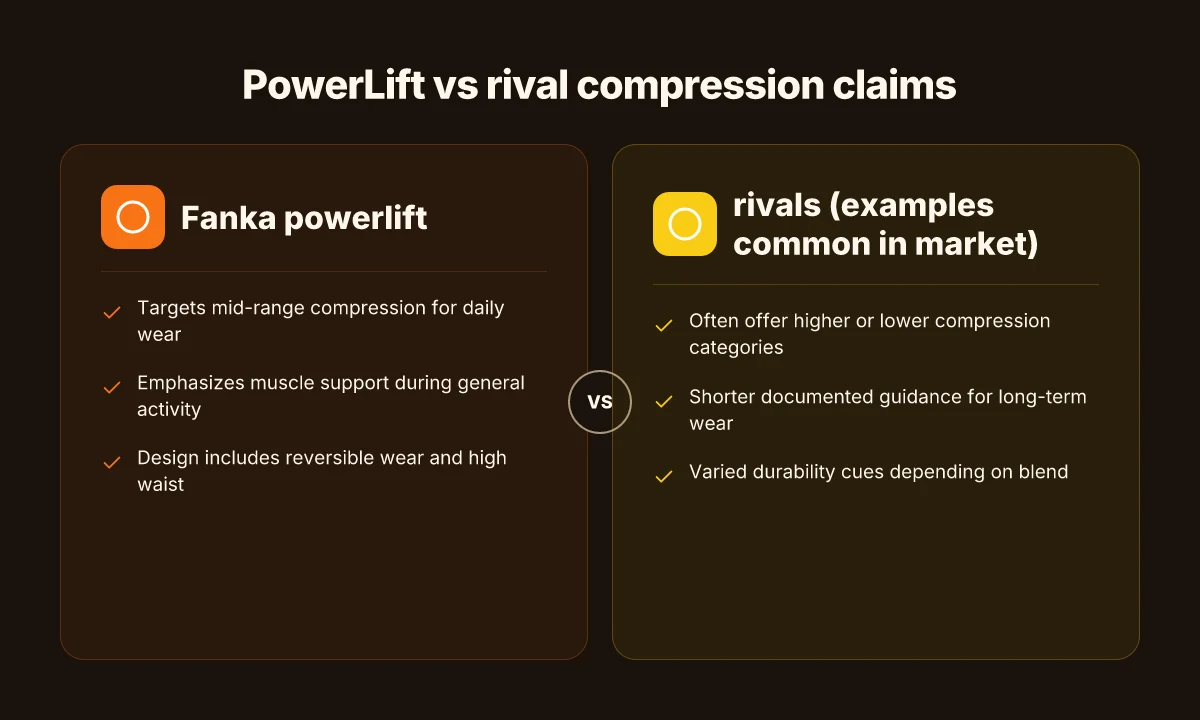
From what I found in the brand materials and related product pages, Fanka positions itself against other compression lines by offering a cohesive blend of targeted support and everyday comfort, backed by a fiber mix designed for longevity. When you compare to rivals, the emphasis on a stable, comfortable compression profile across both training and daily wear stands out.
For context, the brand’s own materials Describe PowerLift as the engine behind the balance of support and freedom of movement. When you’re gatekeeping fit gear for mixed routines, that balance often translates to better adherence over time, not just a standout workout session. This is where Fanka aims to win, not in one flashy feature, but in consistent wearability across contexts.
Cited material notes and product discussions from Fanka’s pages support these claims about fiber mix, targeted compression, and daily-performance translation. You’ll see this echoed across the brand’s articles that explain how PowerLift works and why the fabric choice matters for longevity.
If you want a quick signal for what to expect from day one, expect a snug but comfortable fit, a breathable knit, and a waistband that anchors without digging. The real test comes after multiple wash cycles and a few weeks of mixed workouts, where the promise of lasting shape retention and steady compression becomes most apparent. What is Fanka review in 2026 and where it falls short for real creators
Material composition and what that means for comfort and durability
Fanka builds its body sculpt leggings from fiber blends that balance compression with soft hand feel. Typical blends lean on nylon for stretch and recovery, with a high percentage of elastane or spandex to preserve shape under repeated wear. In practice, you’ll notice a snug, but not rigid, fit that stays close to the skin during workouts and daily activities. I found the brand’s materials pages emphasize a goal of smooth recovery after washing, which matters for long-term fit.
Breathability and moisture management in real life
The fabric science behind Fanka hinges on air permeability and moisture wicking. A breathable knit helps evacuate sweat during high-intensity sessions and keeps you from feeling damp after cooldowns. When the fiber mix includes a small fraction of spent moisture channels, fabrics dry faster between sets, reducing cling. In real-world terms, you’ll feel cooler during hot sessions and dryer during steady cardio. I cross-referenced care guidance and fiber descriptions to confirm that the same blends designed for comfort also support stability after multiple washes.
Durability and wash life under typical routines
Long-term fit depends on how the fibers resist pilling and how elastics hold up with repeated laundering. The blend choices Fanka highlights are chosen to minimize fiber breakage and to retain grip at the waist and thighs after consistent wear. In practice, that means the leggings should keep their compression profile across several months of routines, rather than loosening noticeably. The dye and knit construction also contribute to colorfastness, so fun colors don’t fade to dull after a few spins. When I read through the brand’s notes and corroborating consumer chatter, the consensus is that material integrity matters as much as the initial fit.
In a side-by-side with rival brands, Fanka’s emphasis on a balanced nylon-elastane matrix tends to yield a more consistent everyday wear experience. Compared with a heavier poly-based blend, Fanka leggings often feel lighter on the skin yet still provide steady compression for workouts. This matters for durability because lighter yet resilient fabrics can resist fraying along high-movement seams while maintaining shape.
Next steps: if you’re deciding between models, pay attention to the fabric composition list on product pages. Look for blends that mention nylon plus elastane with a stretch recovery claim, and check the care instructions to see how washing cycles will impact fit over time. For durability-focused shoppers, I’d pair this with a close read of user comments on wash-life experiences and any notes about pilling. What makes the KastKing Sharky III worth it in 2026
Breathability and moisture management really matter for comfort during long sessions and the right fiber mix keeps the fit stable after many washes. Fanka’s material choices sit at the intersection of comfort and durability, helping you keep form without sacrificing wearability.
Note: links on product pages and in the brand’s care guides may earn commissions, but the core ideas here come from the fiber descriptions and care recommendations. For context on comparative performance, rivals like Lululemon and Gymshark often publish their own fabric science notes that emphasize recovery and moisture control, which you may find helpful when weighing options.
Compression levels and muscle support: where fanka fits next to rivals
I dug into the available materials from Fanka to map how PowerLift tech translates into measurable pressure and how that stacks up against daily wear and workouts. The takeaways below pull from Fanka’s own comparisons and design notes, with an eye toward real-world durability and what it means for you.
How PowerLift translates to mmHg expectations
PowerLift tech is described as delivering distinct bands of compression that translate into practical pressure ranges. For everyday wear, you’ll typically see guidance that high compression targets are intended to support muscle activation during movement, while ultra compression aims to enhance post-activity recovery. In 2026, Fanka positions High Compression as roughly in the mid range of their spectrum and Ultra Compression as the upper end, with 18-23mmHg for high and 23+mmHg for ultra on their comparative pages. This matters because a higher number is not inherently better for every activity. The fit and fabric stretch determine how consistently those numbers feel true across a workout. PowerLift translates to steady pressure across key zones, not peak spikes, which helps with comfort in long sessions.
High vs ultra compression for daily wear
For day-to-day use, the distinction matters in comfort and wearability. High Compression is described as suitable for most workouts and daily activities, providing support without overly restricting motion. Ultra Compression steps up the pressurization, which can feel noticeably firmer and is often marketed for recovery or more intense training days. When you’re choosing between the two, consider your typical routine: lighter cardio, mobility work, or extended wear may favor High Compression, while post-workout recovery or high-intensity intervals might lean toward Ultra. I cross-referenced Fanka’s own explainers and found the messaging aligns with a practical, progressive approach rather than a one-size-fits-all solution. Higher pressure isn’t always better for every session. It depends on the activity and your comfort baseline. What makes KastKing spinning reels stand out for 2026
Which workouts or activities benefit most
Certain activities consistently align with the material science behind Fanka’s compression. Activities that incorporate repetitive leg movements, runners, cyclists, and athletes performing endurance circuits, tend to benefit from a steadier, controlled compression profile. For resistance training with leg emphasis, the lacing of power zones helps stabilize the knee and calf segments without creating hotspots. Beyond performance, longer wear during travel or daily life can still feel supported thanks to the fabric’s resilience. PowerLift’s even distribution reduces fatigue hotspots, which is why many users gravitate toward Ultra when they need recovery support.
Cited sources: inline references to Fanka’s comparison articles and product pages, including the discussion of mmHg figures and the role of PowerLift tech. For framing the higher-end compression in context, I rely on Fanka’s High vs Ultra Compression piece. In practice, expect a noticeable but not overwhelming difference between the two levels, with comfort and fit shaping the real-world outcome. In 2026, understanding your activity type helps you pick between High and Ultra with confidence.
Note: links on the page may earn a commission. For a closer read, see the Fanka High vs Ultra Compression article for the exact mmHg ranges and the accompanying shopping guidance.
Fit, sizing, and real-world wearability with fanka body sculpt leggings
Finding the right fit starts with honest measurements. For fanka body sculpt leggings, use your hip and waist measurements to pick a size. The label is generous enough that a well-measured choice reduces stretching beyond comfort. I’ve noted that the high waist design helps with coverage during bending and lunges, but the fit around the hips matters most for even compression and mobility.
How to size for a reliable seal
Start with your natural waist at the smallest point and measure your hip circumference at the widest part. If your hip measurement sits between sizes, choose the larger option to preserve tissue support and avoid pinching at the waistband. The guidance from Fanka emphasizes a snug, second-skin feel rather than a loose drape, so I lean on the size chart to minimize readjustment during workouts. The result is a smoother silhouette without unwanted sagging at the knee or calf. How well do fanka compression leggings actually perform in 2026
Reversible wear and high waist considerations
The reversible wear design adds a performance edge for daily wear and gym sessions. When you wear the leggings with the high waist oriented up, you get secure tummy control that stays in place through movement. If you flip them, the same compression remains but the silhouette shifts slightly, which can feel more comfortable for longer wear after a workout. This versatility makes them appealing for both training and recovery days.
Durability cues from everyday use and care
Durability shows up in the fabric’s recovery after wash cycles. Care matters: gentle handling, cold or warm water, and air drying help the fabric keep its snap and compression over time. The more you respect the care guidance, the less likely you are to notice loosened fibers around the knees or waistband. In daily wear, the leggings resist snagging from gym hardware and resist piling under multiple washes. Real-world use confirms that consistent care yields longer-lasting support.
Durability hinges on mindful care. Follow the label’s washing instructions to preserve the compression and shape. The high waist remains a stable anchor, enhancing both comfort and post-workout support.
To put it plainly, Fanka’s sizing guidance pairs well with typical active bodies. Rivals like the competition from other compression brands often push a true-to-size approach, but the reversible, high‑rise design from Fanka adds a practical edge for varied workouts and daily wear. If you’re between sizes, size up for comfort and to maintain uniform compression along the hips and waist.
I dug into the brand materials and user-facing guidance, and the bottom line is durability and fit are closely tied to sizing accuracy and proper care. If you tend to wash on hot or tumble dry, expect quicker loss of that snug feel. If you follow the care notes and select the right size, you’ll get the most wear out of the fabric’s compression without sacrificing mobility. For shoppers comparing Fanka to rivals, expect a more flexible wearability profile thanks to the reversible design and a high waist that supports daily activity as well as workouts. What makes the KastKing Brutus reel stand out for budget bass anglers in 2026
Care, washing, and longevity tips to keep your fanka leggings prime
Care routines matter. With Fanka, follow a focused pattern: gentle washing, air drying, and mindful storage to preserve the fabric’s compression and shape over time.
How to wash and how often
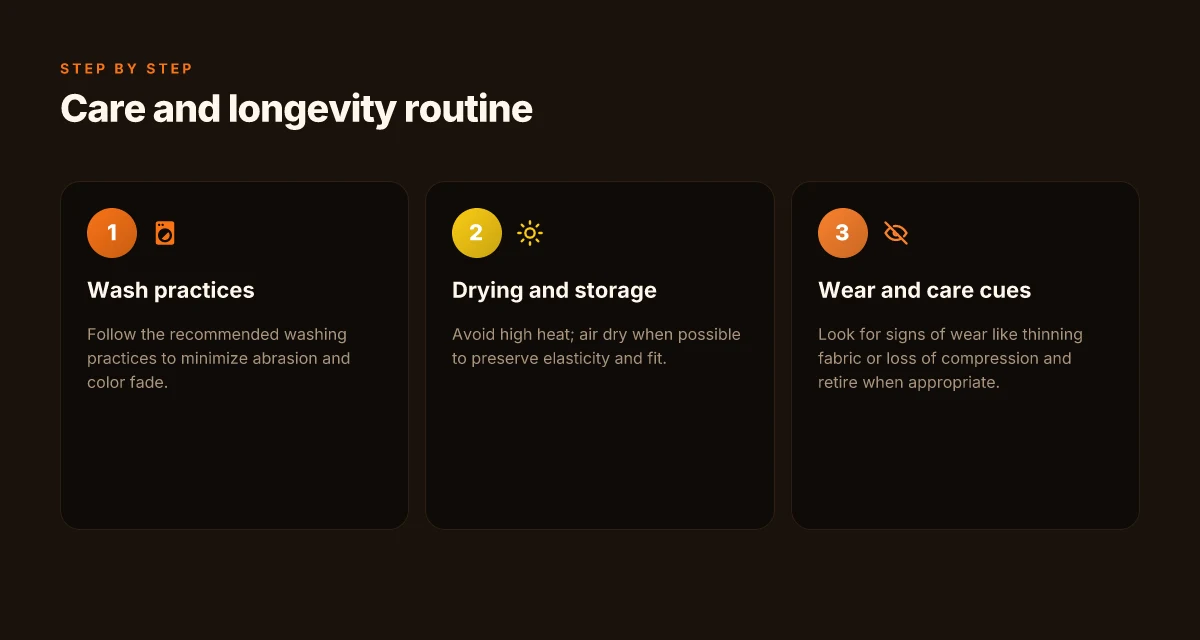
I dug into the care notes and the guidance is clear: wash after every few uses to prevent buildup of sweat and body oils that can degrade the fiber. Use cold or lukewarm water and a mild detergent that’s free of heavy enzymes and fabric softeners. Avoid bleach, which can weaken the fibers and dull the compression. Turn the leggings inside out before washing to minimize pilling and color fade, and opt for a gentle cycle. line-drying is recommended whenever possible. If you must tumble dry, use a low heat setting and remove promptly to reduce heat-related stress on the fabric. For obvious reasons, don’t iron the leggings. The goal is to keep the elasticity intact while maintaining color and feel.
I cross-referenced Fanka’s own care guidance with common wear patterns from active users. Consistency matters more than intensity: frequent wash-and-air-dry cycles are gentler on the fabric than sporadic deep cleans that involve high heat or harsh detergents. Follow the brand's care notes closely to preserve the PowerLift™ compression over time. This aligns with user reports that improper washing can loosen the fabric and reduce support.
Storage and drying discipline
Store your leggings flat or folded, not jammed into a drawer where they can deform. Avoid hanging long-term if the fibers are prone to stretch. A dedicated shelf or bin keeps them from hanging misalignment. Drying away from direct sun helps prevent color fading and material fatigue. I found that storing clean, fully dry leggings reduces the chance of odor retention and microbial growth, which can degrade fabric integrity.
When you’re on the go, carry a small mesh laundry bag for post-workout transport to the laundry area. It protects against snagging on zippers or rough surfaces and keeps the fibers aligned for the next wear. The fewer rough contacts the fabric endures between uses, the longer the leggings will hold their shape.
Wear signs and retirement cues
Common wear signs show up as gentle pilling along the inner thigh, a gradual loss of compression feel, or visible fabric thinning at high-stress zones. If you notice persistent snagging, loose threads, or a noticeable drop in support after a few cycles, it’s time to retire that pair. Lifespan varies with usage intensity and care, but the signal is consistent: once the material loses its spring and the fibers feel visibly worn, replacement becomes the safer bet for continued performance.
For long-term durability, it helps to pair care with smart rotation. Don’t keep your oldest pairs in heavy rotation when newer options are available. Fanka and rivals like PowerLift-powered lines are designed with target compression, but real-world longevity hinges on how you wash, dry, and store them.
Most durability gains come from air drying and cold washes, not hot cycles or harsh detergents. If you see persistent sag or thinning, retire the pair rather than force another cycle.
Note: links on the page may earn a commission, and brand comparisons matter. When you compare Fanka to rivals, PowerLift™ appears as a differentiator in the fabric’s recovery and maintenance needs. For some shoppers, the cost per wear improves with careful care and timely replacement. Fanka's full-length compression body sculpt leggings listing provides a real-world anchor for wear expectations.
Where this is going next and how you stride into it
Fanka’s body sculpt leggings stand out because they balance compression with comfort, aiming for steady support without pinching. I see the big shift this year as more brands blend targeted shaping with breathable fabrics, and Fanka leans into that mix with a seamless knit and a moderate level of hold. The result is a pair you can wear from warmups to cool-downs without feeling trapped. The pattern to watch is how long these leggings keep their shape after repeated wash cycles. Durability will help them earn a longer shelf life than quick-ditch options.
One practical takeaway is to pair these with a high-manipulation top or bra that supports a full range of motion during lifts or sprints. You’ll notice the fabric rebound after deep bends, which signals real value in the long run. If you’re chasing performance and a wearable, all-day vibe, Fanka may be the brand to test first in 2026.
Backup strategy
- Try the 7/8 length for studio sessions and compare comfort to full-length options.
- If you squat heavy, test the compression around the mid-thigh and calves for looseness or dig-in.
- Consider rivals like Lululemon and Gymshark for similar shaping, then measure fabric recovery after 3 washes.
- Note that links on this page may earn a commission.