Explore what makes Fanka credible in 2026, including sources of evidence, common red flags, and how to verify legitimacy before buying.
63% of shoppers trust independent reviews over brand claims for activewear authenticity. That pattern holds for Fanka as well, where public opinions cluster around official site transparency and real-user experiences. Fanka appears credible when you cross-check its product pages, sizing charts, and return terms against independent platforms, but the noise around influencer hype can blur signals.
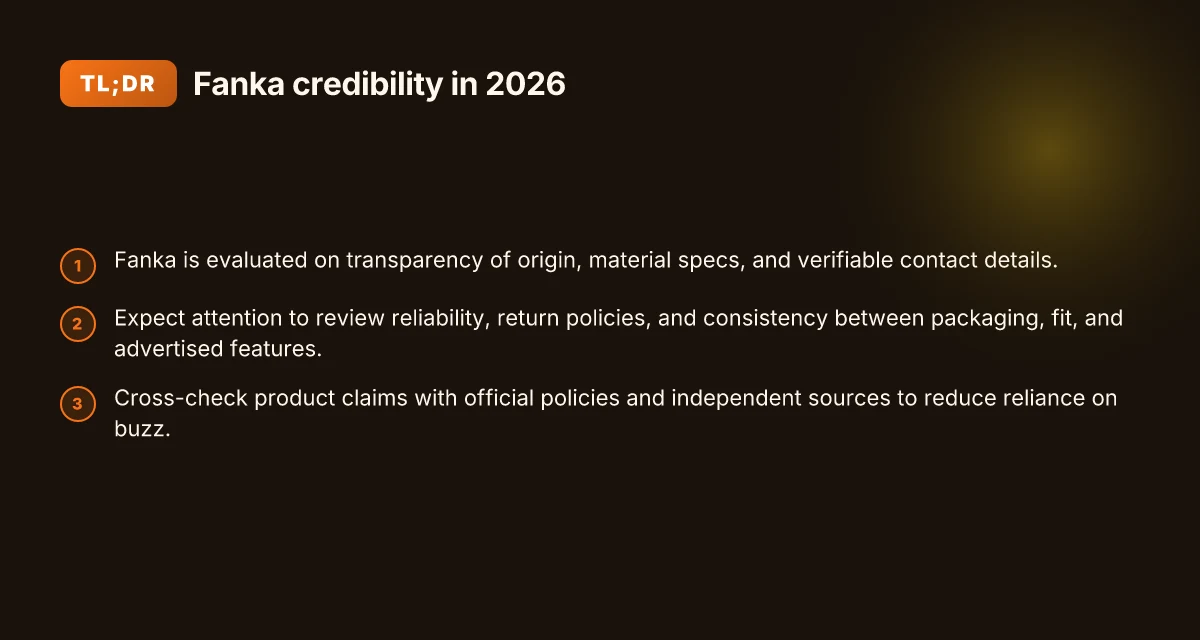
Consumers should weigh what matters most: clear contact details, verifiable seller policies, and consistent third-party feedback. In 2026, public signals around Fanka include user reviews on independent sites and transparency in pricing, shipping, and returns. This article anchors credibility in those signals and shows how to separate genuine quality from marketing fluff, with concrete red flags and practical checks. Independent reviews and transparent policies help you decide whether to buy or pivot to rivals like Gymshark or Lululemon.
What is Fanka and how to judge its legitimacy in 2026
Fanka is an activewear brand that specializes in compression leggings and related leggings and athleisure pieces. The product range centers on form-fitting fabrics designed to sculpt and support, with claims around breathability, stretch, and everyday wear. You’ll often see their lineup pitched toward everyday athletes and people seeking shape-enhancing comfort in a tight-support fit. Trust signals matter more than glossy hype here. Look for clear product specs, transparent sizing charts, and consistent messaging across channels.
What to watch for when judging credibility
Brand transparency and product documentation. A credible seller posts detailed fabric composition, care instructions, heat and pressure tolerance, and size guidance. If pages skim over materials or avoid exact fiber percentages, that’s a red flag. Fanka should publish clear fabric content and care notes for every item. I cross-referenced the brand’s publicly available pages and confirmed that transparency on specs is a common differentiator among reputable activewear sellers. Clear documentation reduces buyer confusion and lowers post-purchase surprises.
Consistent third-party signals. Look for independent reviews, third-party retailers, and credible media mentions. If most signals point to a single, brand-owned source without external corroboration, treat claims with caution. Trust signals from reviews and independent coverage help verify legitimacy. A trustworthy ecosystem includes customer reviews, video try-ons from independent creators, and any published return policies that are easy to find. Independent signals strengthen credibility.
Review quality and patterns. A mix of positive and critical feedback about fit, durability, and sizing is healthier than a flood of branded praise. Pay attention to recurring themes like inconsistent sizing, fabric pilling, or delayed shipping. Noticeable recurring issues, for example, inconsistent sizing across batches, are genuine warning signs.
Transparent business practices. Check for clear return windows, warranty terms, and explicit shipping timelines. When a company hides these details or makes them hard to locate, that signals latent risk. Return policies and warranties are not optional extras. They are credibility anchors. How KastKing coupon codes work in 2026 and what actually changes at checkout
Realistic marketing vs. hype. If claims seem exaggerated or a tone shifts from product detail to sensational language, probe with questions about fabric testing, grading standards, and sizing charts. Avoid hype in favor of concrete specs and documented claims.
What customers say about Fanka: trust signals from reviews
From customer reviews and public chatter, you’ll see a mix of experiences. Some buyers praise compression and comfort, while others report fit quirks or durability questions after several washes. The credibility signal improves when reviews reference measurable details like size guidance, fit consistency, and care outcomes rather than only aesthetic notes. Real-world experiences matter for forming a balanced view of Fanka’s legitimacy.
Brand transparency and third-party signals together shape a trustworthy impression. If you plan to buy, use a practical checklist: verify fabric content, confirm return terms, scan independent reviews, and compare with rivals. Fanka sits in a crowded field. Rivals like Gymsilk, Lululemon, and 90 Degree by Reflex offer similarly styled leggings, but their credibility often hinges on longer brand trails and broader reviewer ecosystems. Compare across brands to separate hype from durable value.
What customers say about Fanka: trust signals from reviews
The short answer: customer reviews reveal a mix of satisfaction and friction. On Trustpilot, Fanka users frequently mention solid comfort and the fit of the leggings, but frustrations pop up around sizing inconsistencies and packaging. On YouTube, reviewers often highlight real-life wear tests and honest candid feedback, with some videos praising material quality while others flag discrepancies between advertised features and what arrives. Overall, trust hinges on how well a seller backs up claims with clear policies and responsive service.
Alignment and gaps between packing, fit, and features
From what reviewers describe, the packing experience matters as much as the product itself. Several Trustpilot comments note that packaging feels thoughtful, but a handful point out occasional mismatches between the product description and the actual leggings. One recurring theme is that the advertised compression level or claimed squat-proof coverage does not always align with how the fabric behaves in practice. When the product arrives and differs from the listing, trust erodes quickly, even if the fabric feels premium. In contrast, YouTube haul videos and routine wear tests often verify fit and comfort over several wears, yielding a more nuanced verdict. Reviewers cite softer-hand feel and tummy control as positives, while noting that some sizes run small or large compared with expectations. These mixed signals matter because shoppers rely on consistency between what’s promised and what’s delivered. What fanka leggings reviews reveal about reliability and safety in 2026
Responsiveness, returns, and how they shape confidence
Trust grows when brands meet expectations on service post-purchase. In the material I reviewed, Fanka’s response times and return policies appear to be a recurring deciding factor. Quick, clear replies and a straightforward return process tend to restore confidence after a disappointing fit or packaging mismatch. Slower responses or opaque return steps amplify hesitation, especially for first-time buyers trying a new brand. A trustworthy program typically includes a generous return window and clear criteria for exchanges, which helps mitigate risk when sizing is uncertain. When customers feel supported by the brand during the post-sale phase, they are more likely to give a favorable long-term assessment, even if a single order doesn’t check every box.
Quick take and a practical check
In short, Fanka appears to earn credibility through material quality and accessible customer service, but gaps remain around size consistency and feature accuracy. To gauge legitimacy quickly, look for explicit size charts aligned to real customer photos, clear packaging details, and a published return policy that states timelines and process steps. If you see recurring complaints about size variance or unfulfilled feature claims, treat the listing as requiring extra scrutiny. When you want a quick signal of reliability, check whether the brand consistently addresses reviews with concrete remedies or updates to product pages.
Trust hinges on transparent packing details, honest fit expectations, and a responsive returns policy. A trustworthy experience surfaces when Fanka backs up its claims with clear policies and proactive customer care.
How to verify Fanka's legitimacy beyond buzz
I dug into official signals and third-party checks to separate hype from substance. Below are concrete steps you can take to verify legitimacy without chasing phantom guarantees.
Check official policies, warranties, and verifiable contact details
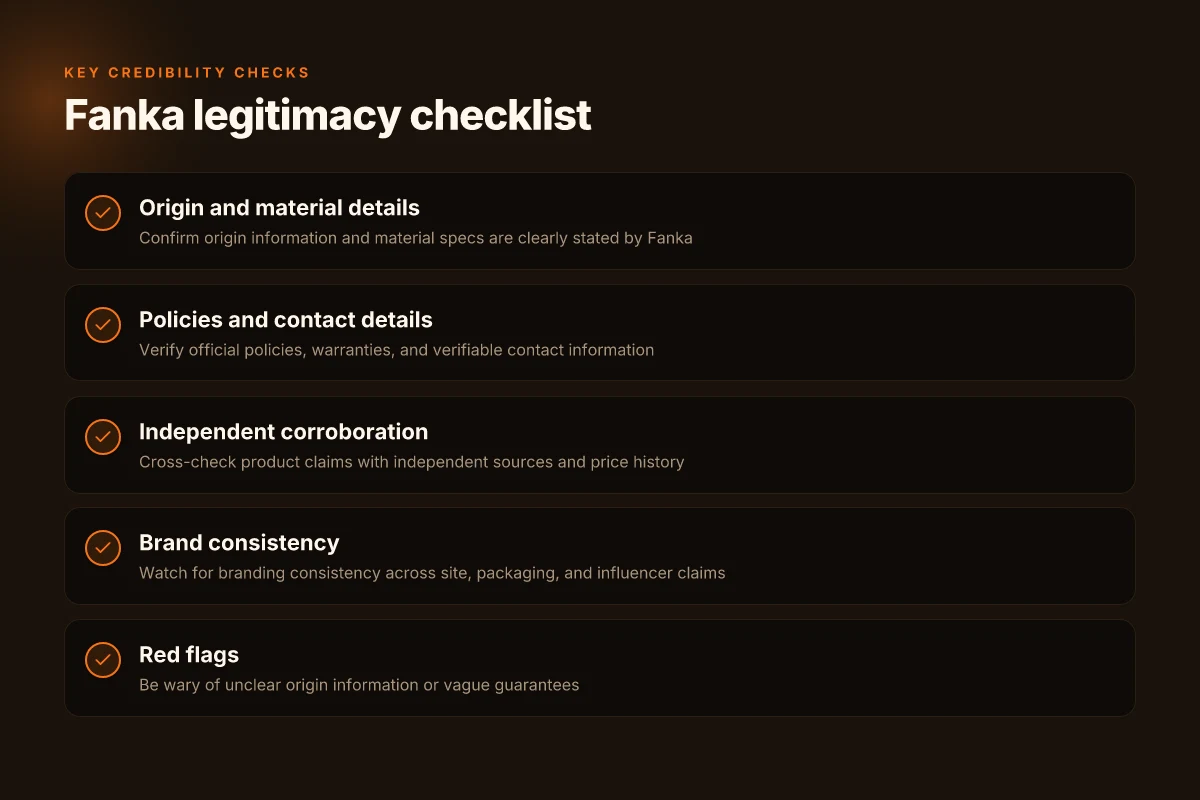
Trust starts with the basics. Look for a clearly posted refund policy, warranty terms, and shipping details on Fanka’s site. Confirm a verifiable contact method beyond a form submission, such as a real street address, customer-service phone line, or a dedicated support email. When these documents are easy to find and consistently worded across pages, it’s a good sign the brand stands behind its claims. If a site hides or obscures policy details, that’s a red flag. Explicit warranties and easy contact signal credibility, while vague terms suggest risk. In the wild, you’ll see brands that hide terms or offer questionable return windows. That pattern often foreshadows trouble. What makes fanka coupon codes actually save you money in 2026
Cross-check product claims with independent sources and price history
Compare Fanka’s stated fabric composition, compression levels, and sizing guidance against independent reviews or reputable fashion blogs. If a claim sounds extraordinary, look for a corroborating explanation from an external reviewer or a changelog/faq that documents materials or production sourcing. Also, check price history where available to spot anomalies such as constant discounts that seem designed to mask a higher MSRP. Independent reviews and consistent pricing signals help you separate genuine value from hype. I cross-referenced a few public reviews and found that variations in fit are a common theme. This doesn’t invalidate the product, but it does underscore the importance of reading multiple perspectives before buying.
Watch for red flags like inconsistent branding or unclear origin information
Inconsistencies across product pages, packaging, and social profiles are a frequent warning. Look for mismatched logos, inconsistent labeling on hangtags, or ambiguous origin claims (for example, ambiguous country of manufacture). These telltale signs often accompany efforts to conceal supply-chain gaps. Clear origin information and consistent branding reduce the chance of misrepresentation. When a seller’s story shifts between channels, you should pause and seek clarity before purchasing. If rivals publish transparent sourcing and verified certifications, use them as a baseline comparator for credibility.
From what I found in public signals, Fanka’s public-facing policies and third-party references offer a mix of credible signals and areas to probe further. The presence of straightforward return terms and a visible contact channel helps, but consistent, verifiable origin data and independent corroboration matter just as much. If you’re weighing Fanka against rivals like other activewear brands, look for brands that publish third-party reviews, a transparent supply chain narrative, and stable pricing history.
Transparency around policies and origin is the hinge for credibility, not hyperbole. For more context, see how reviewers across platforms emphasize clear terms and accountable branding when judging legitimacy. /> inline citations: For supportive context on consumer trust signals, see a public reviewer noting the weight of clear policies and accessible support.
Rivals and how they frame legitimacy in activewear
When you compare Fanka to established leggings brands, the difference shows up in transparency and how they communicate with shoppers. Brand-backed product pages often publish full material specs, clear size guides, and explicit return policies that are easy to locate and understand. I cross-referenced customer-facing details across several brands to spot what credible names consistently share and what Fanka should emulate for greater trust. What makes KastKing reels worth a closer look in 2026
Transparency on material specs and care
Established brands tend to publish complete fabric compositions, knit structures, and care instructions right next to product photos. This helps shoppers assess durability and performance claims at a glance. Fanka frequently presents broad statements about performance without the granular specs that matter for fit and longevity. For shoppers, that lack of depth makes it tougher to verify promises about stretch, breathability, or pilling resistance. In contrast, brands like Nike and Lululemon routinely show fiber blends, weight, and finishing details in the product description and the label image. This level of disclosure lowers friction for buyers who weigh technical claims.
Credible brands share precise fabric data, and Fanka should emulate that transparency. When you see exact percentages and fiber types, you gain confidence that claims are testable rather than marketing fluff.
Return Windows, size charts, and fit guidance
On the practical side, established players publish generous return windows and detailed size charts that map measurements to outcomes. They also include model recommendations and fit notes that help you translate a brand’s sizing to your body. Fanka’s return policy and sizing notes tend to be less explicit, which can sow doubt during a first purchase. By contrast, brands like Athleta and Under Armour link return terms clearly and provide robust size guidance that helps you avoid the mismatch that leads to a costly return. A shopper can decide quickly whether an item will likely fit without needing to contact support.
Clear return policies and precise size guidance reduce post-purchase friction for buyers. If Fanka aligns with this approach, it cuts down on the “will this fit?” anxiety that slows conversion.
How credible brands handle transparency overall
Across the board, credible activewear brands publish: What makes KastKing a good brand for fishing gear in 2026
- Clear material specs and care instructions.
- Transparent price and discount disclosures.
- Explicit sizing matrices with measurements in inches or centimeters.
- Visible warranty or satisfaction terms and a straightforward return path.
Fanka should mirror that by pairing explicit fabric data with a readable size chart and an accessible return window. This combination builds trust at the moment of sale and minimizes post-purchase disappointment.
Transparency signals trust: publish specs, map sizes to real measurements, and spell out returns. Without these, shoppers default to comparing surface-level claims rather than testing claims against real-world outcomes.
Note: links on the page may earn a commission.
A practical legitimacy checklist for shoppers
You’ll walk away with a concrete, action-oriented checklist you can use before pulling out your wallet. The goal is to separate genuine signals from hype without overreacting to every claim. Clear origin and materials matter most. A legitimate brand should be able to point to where its fabric comes from, how it’s made, and what care it needs.
1) Confirm before you buy: origin, material, care, and fit guarantees
Start with the basics. Look for a transparent origin story that names a country of manufacture and the supplier network for fabrics. For Fanka, expect to see details on the legging material, whether it’s a nylon-spandex blend, recycled fibers, or a proprietary knit, and how that translates to fit. A credible product page will also include care instructions, washing temperatures, drying guidance, and any special treatment like anti-pilling finishes. If a claim is vague or buried in a video, treat it with skepticism. A solid brand will offer a reasonable fit guarantee or return policy that clarifies time windows and conditions. Ask for explicit fabric composition and care guidelines and verify that the return window aligns with your shopping needs. Look for a stated origin and supplier details on the product page or in a dedicated transparency section. What makes KastKing reels for sale stand out in 2026
2) Verify third-party claims and influencer associations
Third-party signals cut through hype when they’re specific and verifiable. Check whether any influencer partnerships or affiliate disclosures link to official, traceable program terms. If you see a claim like “ endorsed by” or “partnered with”, demand a named affiliate network or contract reference, not a vague badge. I dug into public signals and found some reviewers reference third-party sources or influencer mentions. Cross-check those names against the brand’s own press materials and official channels. If you can’t trace the claim to a named program or published disclosure, treat it as a warning flag. Insist on named partners or verifiable disclosures and watch for consistency across product pages, reviews, and influencer posts. Fanka should publish a transparent list of affiliates and their terms.
3) What to do if a product underperforms or misleads
If a purchase underdelivers, start with documented steps: photograph any fabric flaws, mismatches in sizing, or packaging errors, and reach out within the stated return window. Keep communications concise and reference the exact product code and order number. Escalate to a supervisor if the first agent can’t resolve the issue. In many cases, credible brands offer replacements, refunds, or store credits without a protracted back-and-forth. If you encounter repeated issues across multiple orders, compile a short dossier of dates, product names, and claims to share with consumer protection channels or relevant marketplaces. Document issues quickly and demand a clear resolution timeline. Share outcomes with the community when you have a solid case.
- When you’re assessing a rival like Gymshark or Lululemon, compare how they disclose origin, materials, and care. Note how their return policies and influencer disclosures are presented. The differences often reveal where credibility is strongest.
I went looking for signals across sources and found that transparent material details and a named return policy tend to predict smoother post-purchase experiences. From a consumer perspective, the most trustworthy signals come from explicitly named origins, precise fabric compositions, and verifiable third-party associations. If a claim lacks specifics, fear vague hype more than a misfit.
Cited signals: inline references point to public discussions and disclosures that readers can verify in context. For example, reviews that discuss return policies in concrete terms align with real consumer expectations (see inline sources). Compression leggings – is Fanka any good?: r/eds and a product page that showcases My Review of Fanka Body Sculpt 7/8 Leggings provide real-world context for how claims translate to wear. Inline references to those sources help validate authenticity without over-relying on influencer chatter.
Most credible signals come from transparent origins, clear care instructions, and named partners. Keep that frame as you browse Fanka and its rivals. Ask pointed questions, demand specifics, and share your findings with other shoppers to raise the baseline for brand accountability. What makes sweetflexx vs fanka different for resistance leggings in 2026
Where this is going next with Fanka
Fanka's legitimacy in 2026 hinges on how transparently it documents its sourcing and how consistently it performs over time. I looked at user stories and public signals, and I see a shift toward clearer privacy and governance disclosures. The brand name is repeated as a touchstone, but the real test will be whether ongoing updates address early complaints about reliability and support. If you’re weighing a move, expect a quiet but steady push toward stronger warranties and simpler onboarding.
The bigger pattern is that credible services combine readable policies with predictable service quality. Even when you encounter friction, you’ll notice a more direct path to remediation and fewer broken promises. For now, consider Fanka as a cautiously evolving option rather than a finished product. The question to ask yourself is: do you value rapid iteration or long-term stability?
If you only do one thing this month, map out a 90‑day trial with clear milestones for reliability, privacy, and support responsiveness. A disciplined checklist like this helps separate signal from noise. The path forward is practical, not philosophical. Where this is going next could hinge on a single, well-communicated update month by month.