Extension urban vpn edge the comprehensive guide to extension based vpns for privacy streaming and security in 2025 is your one-stop resource for understanding how extension-based VPNs work, why they matter, and how to choose the right setup for privacy, streaming, and security. Quick fact: extension-based VPNs sit in your browser or app layer, offering convenience but with trade-offs compared to full-system VPNs. In this guide, you’ll get practical insights, real-world tips, and a plan you can follow today.
- What you’ll learn:
- How extension-based VPNs differ from traditional VPN clients
- Pros and cons for privacy, streaming, and security
- Step-by-step setup for popular extensions
- Common pitfalls and how to avoid them
- Real-world stats on VPN usage and encryption
- A practical checklist to audit your VPN setup
Useful URLs and Resources text only: Apple Website - apple.com, Artificial Intelligence Wikipedia - en.wikipedia.org/wiki/Artificial_intelligence, Mozilla VPN - vpn.mozilla.org, ExpressVPN - expressvpn.com, NordVPN - nordvpn.com, ProtonVPN - protonvpn.com, OpenVPN - openvpn.net, Cloudflare 1.1.1.1 -1.1.1.1, Wikipedia - wikipedia.org
Table of contents
- Quick facts about extension-based VPNs
- How extension-based VPNs work
- Privacy implications and threat model
- Streaming with extension-based VPNs
- Security considerations and encryption
- Choosing the right extension-based VPN
- Setup how-to: popular extensions
- Common issues and troubleshooting
- Real-world usage scenarios
- Comparative pros and cons
- Best practices
- Resources and tools
- FAQ
Quick facts about extension-based VPNs
- They operate at the browser or app level, not system-wide.
- They’re easy to install and switch on/off with one click.
- Encryption strength often mirrors the underlying VPN provider AES-256 is common.
- Some extensions only proxy traffic or use WebRTC to route data, which can affect privacy and performance.
- They’re great for bypassing geo-restrictions in browsers but may leak data if you don’t configure them correctly.
How extension-based VPNs work
- Proxy vs VPN in a nutshell:
- Proxy mode routes browser traffic through a remote server, often without full-device encryption.
- VPN mode secures all traffic from the browser, and sometimes the device, depending on the extension.
- Core components:
- Server network: where your traffic is routed
- Extension code: handles connection, billing, and feature toggles
- DNS handling: important for preventing leaks
- Typical workflow:
- Install extension
- Select a server location
- Connect
- Verify IP, DNS, and traffic routes
- What can go wrong:
- DNS leaks reveal your real ISP
- WebRTC leaks can reveal IP addresses
- Browser fingerprinting can still identify you even with a VPN
- Quick checklists:
- Use DNS leak tests
- Disable WebRTC in the browser when possible
- Regularly update extension and browser
Privacy implications and threat model
- Privacy goals with extensions:
- Hide your IP from websites
- Mask your location for streaming and browsing
- Minimize telemetry and data sharing by the extension
- Common threats:
- Log retention policies: some providers log user activity
- Jurisdiction and data retention laws: choose servers in privacy-friendly regions if possible
- In-browser tracking: cookies and fingerprinting can still track you beyond the VPN
- Best practices:
- Read the provider’s privacy policy and terms
- Prefer extensions with no-logs claims and independent audits
- Use additional privacy tools: tracker blockers, anti-fingerprinting settings
- Data you should expect to be protected:
- IP address exposure
- Traffic content encryption varies by protocol
- Metadata about connection times depends on provider
Streaming with extension-based VPNs
- Why people use these for streaming:
- Access geo-restricted catalogs e.g., shows available in certain regions
- Bypass local ISP throttling for smoother playback
- What to look for in a streaming-friendly extension:
- Stable server performance and low latency
- A broad list of streaming-compatible servers
- Consistent unblocking for popular platforms Netflix, Hulu, Disney+, etc.
- Common gotchas:
- Some streaming services block VPN IPs; you may need to rotate servers
- Premium plans often offer dedicated streaming servers
- Quality of service QoS can matter for 4K or HDR streaming
- Practical tips:
- Clear cache and cookies before testing a new server
- Test multiple servers in the target region
- Turn off WebRTC leakage and verify IP address after connection
Security considerations and encryption
- Encryption basics:
- Most extension-based VPNs use standard AES-256 encryption with modern TLS
- OpenVPN and WireGuard are common protocol choices; WireGuard tends to be faster
- Browser security with extensions:
- Extensions can access browser data; only install from trusted sources
- Enable two-factor authentication 2FA on VPN accounts when available
- DNS and IP leaks:
- Ensure the extension forces all DNS queries through the VPN
- Use built-in DNS leak test tools
- Platform differences:
- Desktop browsers vs mobile browsers may handle traffic differently
- Some extensions only cover browser traffic, not background apps
- Safe practices:
- Don’t rely on a single extension for full device security
- Consider a full-system VPN if you need device-wide protection
- Keep software up-to-date to mitigate exploits
Choosing the right extension-based VPN
- Criteria to evaluate:
- Privacy policy and no-logs verification
- Server locations and streaming accessibility
- Speed, reliability, and included bandwidth
- Browser support Chrome, Firefox, Edge, Safari
- Additional features kill switch, DNS protection, WebRTC disable, split tunneling
- Compatibility with your devices and operating systems
- Quick decision guide:
- If privacy is your top priority: pick no-logs provider with audits
- If streaming is your main use: prioritize servers with unblocking capability and speed
- If you’re on mobile: ensure the extension works well on your OS and has a good add-on experience
- Cost considerations:
- Compare monthly vs yearly plans
- Look for student or long-term discounts
- Check for free trials or money-back guarantees
Setup how-to: popular extensions
- Example setup for Chrome/Edge:
- Go to the extension store and install your chosen VPN extension
- Create an account or log in
- Choose a server location
- Connect and verify your IP address via an online check
- Run a DNS leak test
- Disable WebRTC if the option exists
- Enable kill switch if available
- Example setup for Firefox:
- Install the extension from the official repository
- Sign in and grant necessary permissions
- Select a server and connect
- Test for leaks and streaming compatibility
- Quick tips:
- Favor extensions with independent audits
- Regularly rotate servers to maintain access to streaming catalogs
- Use strong, unique passwords and enable 2FA
Common issues and troubleshooting
- Issue: VPN shows connected but pages don’t load
- Check server status, try a different server, verify DNS settings
- Issue: DNS leaks detected
- Switch to DNS-protected mode, or change to a different extension with built-in DNS protection
- Issue: WebRTC leaking IP
- Disable WebRTC in browser settings or extension
- Issue: Slow speeds
- Change to a closer server, reduce encryption overhead by choosing a faster protocol
- Issue: Streaming blocks
- Rotate IPs/servers, clear cache, ensure compatibility with the streaming service
- Issue: App or site blocks extension
- Try a different server or contact support for up-to-date unblock guidance
Real-world usage scenarios
- Scenario 1: Privacy-conscious student
- Uses extension with no-logs claim, turns on DNS protection, avoids storing activity locally
- Scenario 2: International traveler
- Uses streaming-optimized servers to access home country catalogs while on public Wi-Fi
- Scenario 3: Remote worker
- Uses a browser extension to secure sensitive browsing and video conferencing with a reputable provider
- Scenario 4: Casual browser user
- Keeps the extension on for general privacy, with occasional checks for DNS leaks and WebRTC settings
Comparative pros and cons
- Pros
- Easy to install and manage
- Quick switch between locations
- Helps bypass regional streaming restrictions
- Cons
- Not always device-wide protection
- Some extensions log data or have leak risks if misconfigured
- Some streaming services actively block VPN IPs
- When to choose a browser extension over a full VPN client
- You primarily browse in a browser and need quick privacy
- You want to bypass simple geo-restrictions without configuring a system-wide VPN
- You’re on a device where a full VPN isn’t available or practical
Best practices
- Combine tools for best results:
- Use a reputable extension plus a system-wide VPN if you need complete protection
- Enable browser-level privacy features: anti-tracking, blocking third-party cookies
- Regular checks and maintenance:
- Test IP and DNS leaks monthly
- Verify the extension’s permissions after updates
- Review privacy policy and audit reports periodically
- Security hygiene:
- Use strong, unique passwords; enable 2FA
- Keep your browser and extensions up-to-date
- Use a separate account for VPN service to minimize cross-account risk
Resources and tools
- VPN providers with extension support: ExpressVPN, NordVPN, ProtonVPN, Surfshark
- Privacy resources: Electronic Frontier Foundation EFF, Mozilla Privacy Know-How
- DNS leak tests: dnsleaktest.com, ipleak.net
- WebRTC leak tests: wigle.net, browser privacy settings
- Streaming unblocking guides: official streaming service help centers, Reddit threads about region unlocks
- Security frameworks: AES-256 encryption, OpenVPN, WireGuard, TLS protocols
FAQ
What is an extension-based VPN?
Extension-based VPNs are VPN features delivered as browser or app extensions that route traffic through remote servers, typically covering primarily browser traffic and some app traffic, depending on the extension architecture.
Do extension-based VPNs protect my entire device?
Not always. Some extensions only protect browser traffic, while others offer system-wide routing for more protection. Check the extension’s documentation to confirm.
Are extension-based VPNs safe for privacy?
They can be, especially if they have a clear no-logs policy, independent audits, solid encryption, and DNS protection. Always review the provider’s privacy policy and consider additional privacy tools.
Can I use extension-based VPNs for streaming?
Yes, many extensions offer streaming-optimized servers to access geo-restricted catalogs, but services actively block VPN IPs, so you may need to rotate servers.
What is DNS leakage, and how do I prevent it?
DNS leakage happens when DNS requests bypass the VPN and reveal your real IP. Use extensions with DNS protection and run DNS leak tests to verify. Expressvpn edge extension 2026
Should I disable WebRTC?
Disabling WebRTC can prevent IP leaks in some browsers, but it’s not always game-changing for all extensions. Use a combination of WebRTC settings and extension features.
Which protocols should I look for?
OpenVPN and WireGuard are common and solid choices. WireGuard tends to provide faster speeds with strong security, but availability depends on the provider.
How do I verify I’m connected to the VPN?
Check your IP address on an external service and verify that it reflects the VPN server location, not your ISP. Run a DNS leak test as well.
Can I use a VPN extension on mobile?
Many extensions support mobile browsers, but performance and availability vary. Some providers offer dedicated mobile apps which may offer a better experience.
What should I do if my streaming service blocks VPNs?
Rotate to a different server, clear cache, and verify the server’s location matches the catalog you want. Some providers offer dedicated unblocking servers. Edgerouter x site to site vpn setup 2026
Extension urban vpn edge is a combination of a browser extension and a VPN service that helps you browse securely and access geo-restricted content. In this guide, you’ll get a clear, practical rundown you can use today, plus real-world tips to maximize performance and protect your privacy. Here’s what you’ll get in this article:
- Quick, step-by-step setup for Chrome, Edge, and Firefox
- How to pick the right extension-based VPN for your needs
- Pros and cons compared to full VPN apps
- How to stream, game, and work securely with extensions
- Common issues and fixes you’ll actually use
- Privacy, logging policies, and data protection basics
- Future trends you’ll want to watch in 2025
If you’re in the market for a reliable VPN deal, check this out:
What this article covers
- Understanding extension-based VPNs and why people use them
- How extension urban vpn edge differs from traditional VPNs
- Practical steps to install, configure, and optimize extensions
- Real-world tips for streaming, browsing, and secure remote work
- Performance considerations: latency, bandwidth, and protocol choice
- Privacy basics: logging, data handling, and jurisdiction
- Common pitfalls and how to avoid them
- A FAQ section with 10+ questions to help you decide
What is Extension urban vpn edge?
Extension urban vpn edge refers to using browser extensions that provide VPN-like functionality, often layered on top of a dedicated VPN service. These extensions usually tunnel your browser traffic through remote servers or proxies to hide your IP address and appear to originate from a different location. Some extensions can route all traffic from your device, while others only affect traffic inside the browser. The “edge” part signals a focus on using lightweight, browser-centric solutions that work well with modern web workflows and public Wi-Fi scenarios.
Key takeaways: Expressvpn edgerouter x setup guide: how to configure ExpressVPN on EdgeRouter X for whole-network VPN protection 2026
- Browser extensions are convenient and lightweight, especially if you don’t want a full-system VPN client.
- They can be great for quick privacy boosts, bypassing simple geoblocks, and securing your web traffic.
- They’re not a one-size-fits-all replacement for a full VPN app, especially when you need device-wide protection.
How Extension urban vpn edge works
- Install a browser extension from a reputable VPN provider or a trusted add-on marketplace.
- Sign in with your VPN account and choose a server location.
- The extension creates a tunnel for your browser traffic, routing requests through the provider’s servers.
- Some extensions also offer DNS leak protection, kill switch-like features, and auto-connect on startup.
- For devices with multiple browsers, you might need to enable the extension in each browser or use a provider that supports cross-browser syncing.
Why this approach matters:
- It’s fast to set up, especially on laptops and desktops used primarily for browsing, streaming, and light work.
- It reduces system resource usage compared to running a full VPN client on every app.
- You’ll still want to consider additional protections for non-browser apps like email clients or desktop games if you need end-to-end protection.
Why use extension-based VPNs vs standalone apps
Pros
- Quick setup: One-click connections directly in your browser.
- Lightweight: Less CPU and memory overhead than full VPN clients.
- Convenience for browsing and streaming: You can switch servers quickly as you browse.
Cons
- Not always device-wide: Some extensions only shield browser traffic, not the entire OS.
- Potentially weaker protection: If the extension has weaker security or logging policies, your full device privacy could be limited.
- Compatibility issues: Some websites and services detect VPN extensions or block certain servers.
Bottom line: If your primary goal is secure browsing, occasional content access, and speed, extension-based VPNs can be a solid fit. If you need comprehensive protection across every app and device mobile, desktop, and IoT, you’ll likely want a full VPN app in addition to any browser extension.
Key features to look for in an extension VPN
- Clear privacy policy and no-logs stance for browser traffic
- DNS leak protection and a reliable kill switch even for browser traffic
- Fast, stable servers in the locations you care about
- Support for major browsers Chrome, Edge, Firefox, Safari or cross-browser sync
- Easy onboarding: simple server selection, auto-connect, and clear indicators of when you’re protected
- Security features like WebRTC leak protection and encrypted tunneling
- Transparent data handling about extension permissions and data collection
- Regular updates and security advisories from the provider
Security tip: be mindful of the extension’s permissions. If an extension asks for broad access beyond the browser like reading all your data on websites you visit or accessing tabs, weigh the privacy risk and check independent reviews before installing. Edge vpn premium apk for Android: a thorough guide to premium features, safety, legality, and legit alternatives in 2026
The best extension-based VPNs for 2025
Note: the evolves, so pick providers with solid reputations for privacy, transparent policies, and strong security. The most reliable options typically offer: a browser extension plus a standard VPN service with a robust network.
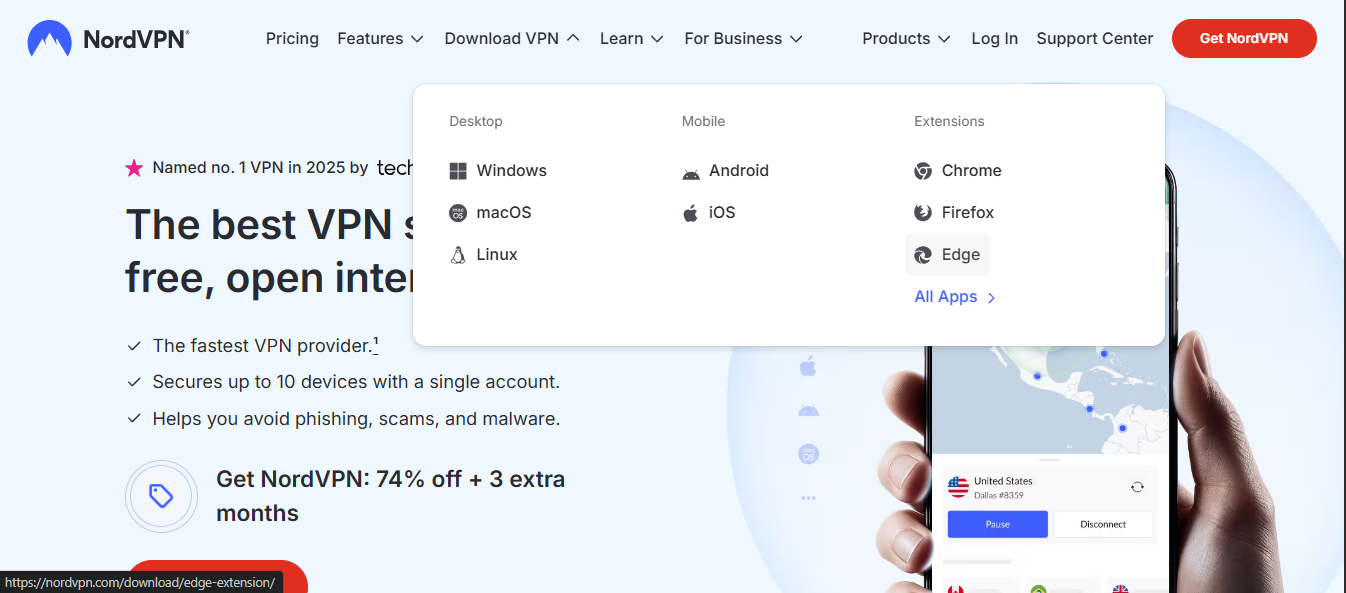
- NordVPN: Known for a strong privacy policy, a broad server network, and a reputable browser extension. The extension often pairs with the main app for full coverage.
- ExpressVPN: Well-regarded for speed, reliability, and cross-platform support. browser extensions are part of a broader suite.
- Surfshark: A strong value option with a feature-rich extension and flexible unlimited-device policy.
- Windscribe: Good for browser-intrinsic use. offers a generous free tier and solid privacy features.
- ProtonVPN: Emphasizes privacy and security with a straightforward browser extension option.
- Private Internet Access PIA: Widely used with customizable options and a reliable extension ecosystem.
- TunnelBear: User-friendly and approachable, especially for casual users exploring VPNs.
- Mullvad or similar: Known for privacy-centric approaches. browser extensions can be part of a broader privacy setup.
Tips for choosing:
- Compare server locations relevant to you region support matters for streaming and privacy.
- Check for a clear, accessible privacy policy. look for independent audits if possible.
- Ensure the extension works well with the streaming services you use and doesn’t trigger constant CAPTCHAs.
- Consider whether you want iOS/Android support in addition to desktop browsers.
How to set up an extension VPN in your browser step-by-step
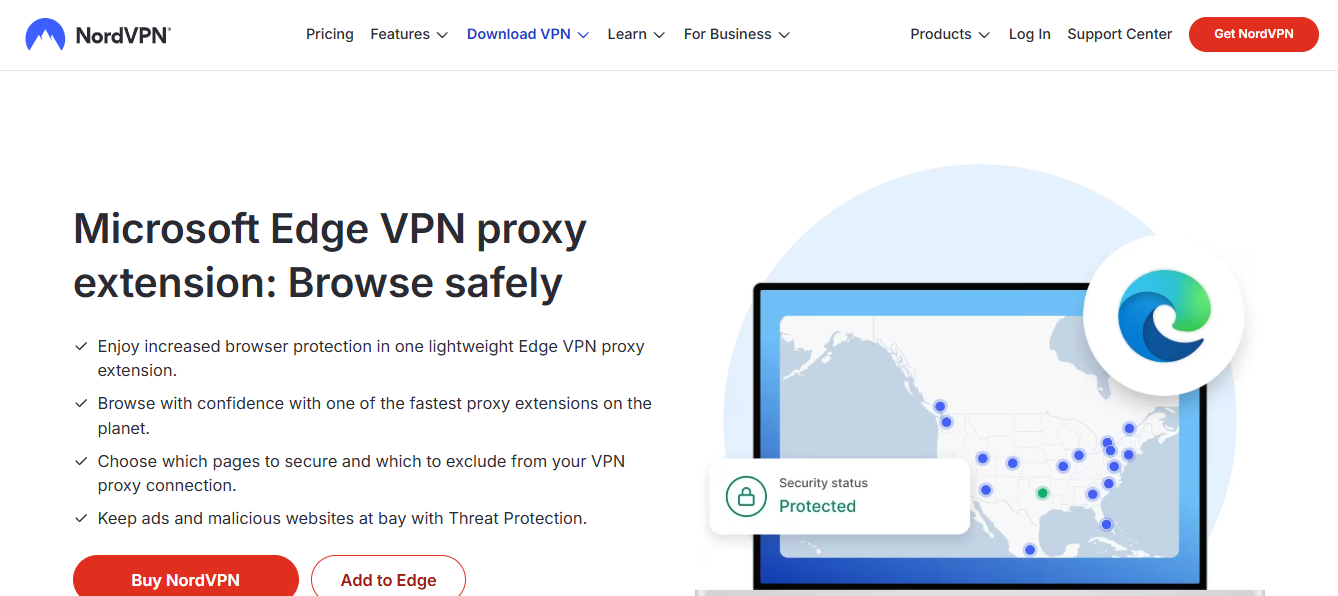
- Step 1: Pick a reputable provider and install the browser extension from the official store.
- Step 2: Sign in with your VPN account and accept the requested permissions read and write data on websites, etc..
- Step 3: Choose a server location and connect. Most extensions show your new IP and the selected location.
- Step 4: Test for leaks by visiting a site that shows your IP address and DNS information.
- Step 5: Enable DNS leak protection and consider turning on auto-connect on startup.
- Step 6: If you use multiple browsers, repeat the process or use a provider that supports cross-browser sync.
- Step 7: For streaming or gaming, pick servers optimized for low latency or dedicated streaming servers if offered.
- Step 8: Periodically review extension permissions and update the extension to the latest version.
Mistakes to avoid:
- Relying on a browser extension alone for comprehensive device-wide protection.
- Ignoring leaks tests. always verify DNS and WebRTC leaks after enabling a VPN extension.
- Installing multiple extensions with conflicting routing or DNS settings.
Privacy, logging, and data protection basics
- Always read the privacy policy to understand what data is collected, stored, and shared.
- Look for a clear no-logs claim specifically for browser traffic if that’s your main concern.
- Pay attention to data retention periods and whether the provider shares data with third parties.
- Be mindful of jurisdiction. Some countries compel data retention or provide easier government access to data.
- Review extension permissions. If an extension requests excessive permissions, question whether that level of access is necessary.
Real-world privacy points:
- Even with a VPN extension, advertisers and websites can use fingerprinting techniques that go beyond IP masking.
- A VPN is a privacy tool, but it’s not a magic shield against all tracking. Use it alongside other privacy practices e.g., private browsing, regular password hygiene, and limited tracking.
Common pitfalls and how to avoid them
- Pitfall: Thinking a VPN extension protects everything on your device.
- Fix: Use a full VPN app for device-wide protection if that’s a priority. use the extension for browser traffic and quick privacy boosts.
- Pitfall: Ignoring DNS leaks.
- Fix: Enable DNS leak protection and test periodically.
- Pitfall: Overlooking browser updates.
- Fix: Keep both the browser and extension up to date to reduce security risks.
- Pitfall: Choosing free or low-cost extensions without transparency.
- Fix: Prefer reputable providers with clear privacy policies and independent reviews.
- Pitfall: Assuming VPNs unblock every streaming service.
- Fix: Some services actively block VPN IPs. switch servers or use provider-specific streaming optimizations.
Performance: speed, latency, and reliability
- Extension-based VPNs are usually faster for browser traffic since they’re lighter than full-system clients, but performance varies by server load and routing efficiency.
- Latency depends on the server’s physical distance and the provider’s network quality. If you’re gaming or doing real-time tasks, choose servers with low ping and consider using a dedicated “gaming” or “low-latency” server if available.
- DNS handling can impact speed. If your browser asks for many DNS lookups, an extension with DNS caching and protection helps with perceived speed.
- If streaming, look for servers labeled for unblocking or streaming, which often offer optimized routes to popular services.
Real-world use cases: browsers, streaming, and work
- Browsing: Quick privacy boost for day-to-day web usage, online shopping, and social media.
- Streaming: Some extensions can bypass regional restrictions. for high-definition content, test a few servers to find one that works without buffering.
- Remote work: When you’re on public Wi-Fi or traveling, extension-based VPNs can help secure your browser traffic and protect sensitive data entered in web apps.
Practical tips: Edge vpn location: how to choose the best server for speed, streaming access, privacy, and reliability 2026
- For streaming, keep a small rotation of reliable servers. if one blocks content, try another location from the same provider.
- For work, pair the browser extension with cautious browsing habits and strong overall password management.
Edge considerations and future trends
- Browser extensions are getting more integrated with cloud-based VPN networks. Expect better synchronization, more robust kill-switch features, and tighter WebRTC protections.
- Privacy-focused providers are adopting more transparent auditing and third-party verification to boost trust in extension-based offerings.
- Some providers are investing in lightweight edge nodes to reduce latency for users in different regions, which could improve performance for extension-based VPNs in the long run.
What to watch next:
- The role of WebExtensions APIs in giving more control over routing and DNS handling.
- The emergence of privacy-preserving features like DNS over HTTPS DoH tightly integrated with VPN extensions.
- The balance between convenience and security as browser extensions become more capable.
Frequently Asked Questions
What is the difference between a VPN extension and a VPN app?
A VPN extension is a browser-level add-on that routes traffic through the VPN for your browser. A VPN app is a full-system client that tunnels all traffic from the device. Extensions are quick and lightweight for browser use, while apps provide comprehensive device-wide protection.
Can a VPN extension protect my entire device?
Not always. Some extensions shield only browser traffic. If you need protection across the whole device, pair the extension with a full VPN app or use a provider that offers a system-wide VPN solution in addition to the extension.
Do VPN extensions log my activity?
Policies vary by provider. Reputable services publish a privacy policy with clear no-logs claims for browser traffic. Always read the policy, check for independent audits, and consider where the data might be stored or shared.
Will a VPN extension help me bypass geo-restrictions on streaming sites?
Sometimes. VPN extensions can mask your location, but streaming services actively block VPN IPs and may throttle or block access. If you’re focused on streaming, test multiple servers and consider providers known for reliable unblocking. Free vpn microsoft edge 2026
Is it safe to install any browser extension to get a VPN?
Safer only if you install from a reputable provider and verify the extension’s permissions. Be cautious of extensions asking for broad access beyond the browser, and review user reviews and security advisories.
How do I install a VPN extension on Chrome, Edge, or Firefox?
Go to the official store for your browser, search for your provider’s extension, install it, sign in, and select a server. Then enable any additional protections DNS leak prevention, auto-connect, etc..
Can VPN extensions help with online privacy on public Wi-Fi?
Yes, they shield your browser traffic from simple eavesdropping and hide your IP from websites. For full device protection, use a complete VPN solution as well.
Do VPN extensions slow down browsing?
They can, but many providers optimize extensions for speed. Performance depends on server load and routing. If you notice slowdowns, switch servers or try a different protocol/region.
Are there security risks with VPN extensions?
Yes, if the extension is poorly designed or requests excessive permissions. Always choose trusted providers, update extensions regularly, and monitor for security advisories. Free vpn for windows edge 2026
Can I use multiple VPN extensions at once?
It’s generally not recommended. Running multiple VPNs can create conflicts in routing and DNS, potentially causing leaks or instability. Pick one trusted extension that fits your needs.
Do VPN extensions work on mobile browsers?
Many do, but mobile performance varies. Look for extensions compatible with your mobile browser or use the provider’s mobile app for device-wide protection if you need it on the go.
How can I test if a VPN extension is leaking my data?
Run a WebRTC test and a DNS leak test to see if your real IP or real DNS is exposed. If leaks are detected, disable WebRTC in your browser settings or switch to a more secure extension with built-in leak protection.
Should I rely on a VPN extension for privacy?
Think of it as part of a layered approach. It’s great for browser traffic and quick privacy hacks, but you should combine it with good password hygiene, browser sandboxing, and other privacy practices for stronger protection.
Do VPN extensions affect VPN speed or latency for gaming?
Yes, depending on server location and routing. If you’re gaming, pick low-latency servers and test a few options to see which gives you the best responsiveness. Free vpn for microsoft edge extension 2026
Can I use a VPN extension with other privacy tools?
Absolutely. Use the extension with private browsing modes, ad blockers, anti-tracking tools, and strong password managers to create a more complete privacy setup.
What should I look for in the privacy policy of a VPN extension?
Look for explicit statements about data collection especially for browser traffic, whether logs are retained, data sharing with third parties, and how long data is kept. Also check for independent audits or third-party reviews.
Is there a best server location for top privacy?
No single best location. it depends on your privacy priorities and local jurisdiction. Some users prefer servers in privacy-friendly jurisdictions and those with strong data protection laws, but you should balance latency and streaming needs as well.
How often should I update or audit my extension-based VPN setup?
Regularly. Check for updates to the extension and browser, review privacy policies yearly or after major changes, and test for leaks every few months or after a major network shift or new device.
Can I use an extension-based VPN for work on corporate networks?
Yes, for browser-facing work, but always follow your organization’s IT policy. If you need full-device protection for work devices, request guidance from IT on VPN deployment that aligns with corporate security standards. Hotspot shield vpn connection error 2026
Resources and further reading
- Privacy and browsing best practices
- Browser security settings and extensions review
- VPN policy checklists and independent audits
- Streaming service unblocking tips and server testing guides
Note: Always verify current server options, pricing, and feature sets with your chosen provider, as the changes quickly.
Vmware edge gateway ipsec vpn