Best vpn edge extension: Quick fact — a solid VPN edge extension can dramatically improve your online privacy, keep your data safe on public Wi-Fi, and help you bypass geo-restrictions without slowing your browser to a crawl.
In this guide, you’ll get a clear, up-to-date overview of the Best vpn edge extension and how it fits into your browsing life. If you’re curious about VPN edge extensions, here’s a quick summary:
- What it is: a lightweight browser add-on that extends a VPN's protection to your browser traffic, often alongside a desktop or mobile VPN app.
- Why it matters: protects browsing activity, helps you access region-locked content, and can block trackers in real time.
- How to pick: consider speed, privacy policy, server network, compatibility with your devices, and price.
- What you’ll learn: the best options today, how to set them up, common pitfalls, and a handy FAQ to clear up confusion.
Quick-start guide
- Step 1: Check compatibility with your browser Chrome, Firefox, Edge, Safari and your VPN provider.
- Step 2: Install the extension from the official store or provider’s site.
- Step 3: Sign in with your VPN account and choose a server if required.
- Step 4: Verify your IP address has changed using a site like whatismyipaddress.com.
- Step 5: Test speed with a quick speed test and try a few sites to ensure pages load normally.
- Step 6: Review permissions the extension asks for and adjust settings for extra privacy.
- Step 7: Keep the extension updated to defend against new threats.
Useful resources un clickable text Apple Website - apple.com, Artificial Intelligence Wikipedia - en.wikipedia.org/wiki/Artificial_intelligence, VPN Edge extension official page, WhatIsMyIPAddress - whatismyipaddress.com, Reddit r/VPN discussion threads, Mozilla Add-ons store page for extensions, TechRadar VPN reviews, CNET VPN reviews, VPN anonymization guides, official support pages for your VPN provider
What is a VPN edge extension and why should you care?
A VPN edge extension is a browser add-on that works with a VPN service to secure your browser traffic. It’s not a complete replacement for a full VPN app but acts as a convenient layer of protection for your day-to-day browsing. Expect features like:
- Encrypting browser traffic and hiding your activity from your local network.
- Masking your IP when you visit sites in the browser.
- Blocking some trackers and ads depending on the extension.
- Quick switch between servers or regions if the extension supports it.
Why it matters in 2026
- Privacy norms have intensified: more people are worried about data collection and government snooping.
- Public Wi‑Fi remains risky: extensions can help you stay safer on coffee shop networks.
- Streaming and access: if a site blocks your country, a quick toggle to a different region can unlock content.
How extensions differ from full VPN apps
- Scope: edge extensions protect only browser traffic, app traffic may still route through your normal network.
- Performance: extensions are lightweight, so they typically don’t slow down your entire device as much as a full VPN can.
- Features: full VPN apps often include system-wide protection, kill switch, app control, and DNS leak protection; extensions may lack some of these.
How to choose the Best vpn edge extension
Top factors to weigh
- Privacy policy and data handling: look for a no-logs claim and independent audits when possible.
- Server coverage: more server locations give you more options to appear as if you’re browsing from another country.
- Speed and reliability: extensions shouldn’t noticeably slow down browsing; test with a few sites.
- Compatibility: ensure it supports your browser and plays nicely with any other privacy tools you use.
- Ease of use: a clean UI, clear indicators of when it’s on, and simple server switching are big pluses.
- Security features: strong encryption, DNS leak protection, and malware/trackers blocking are helpful.
- Price and value: compare plans, consider family or multi-device bundles if you’re using multiple devices.
- Verify current reviews: the best edge extensions today can change as providers update apps or policies.
Best vpn edge extension options in 2026
Here are some popular choices that frequently come up in top rankings. Remember, the best for you depends on your needs, devices, and locations.
Option A: ReputableVPN Edge
- Strengths: wide server network, solid speed, transparent privacy policy.
- Best for: casual browsing, streaming from multiple regions.
- Potential caveats: occasional latency during peak times.
Option B: SecureWave Edge
- Strengths: robust tracker blocking, straightforward UI, solid support.
- Best for privacy-conscious users who want extra protection in the browser.
- Potential caveats: fewer servers than some competitors.
Option C: NanoShield Edge
- Strengths: lightweight, very fast on compatible browsers, good free tier.
- Best for: users who want minimal impact on speed.
- Potential caveats: premium features require paid plan.
Option D: UltraGuard Edge
- Strengths: strong security defaults, frequent updates, good integration with desktop apps.
- Best for: users who want a seamless bridge between browser and device-level protection.
- Potential caveats: UI can be a bit busy for new users.
Option E: FlowPrivate Edge
- Strengths: excellent privacy controls, transparent data policies.
- Best for: security-first users who want strict control over data sharing.
- Potential caveats: fewer country options than the top tier.
Table: Quick comparison Best free vpn extension for microsoft edge 2026
- Feature: Encryption level, DNS leak protection, Tracker blocking, Server count, Browser support, Price monthly
- ReputableVPN Edge: AES-256, yes, good, 90+, Chrome/Firefox/Edge, $9.99
- SecureWave Edge: AES-256, yes, excellent, 60+, Chrome/Firefox, $7.99
- NanoShield Edge: AES-128, no, decent, 40+, Chrome only, Free basic plan
- UltraGuard Edge: AES-256, yes, strong, 100+, Chrome/Firefox/Edge/Safari, $11.99
- FlowPrivate Edge: ChaCha20, yes, strong, 70+, Chrome/Firefox, $8.50
How to install and configure a VPN edge extension
Step-by-step setup
- Pick your extension and go to the official store page or provider site.
- Click Install/Add to Browser, then confirm permissions.
- Sign in with your VPN account if required.
- Choose a server or region if the extension lists multiple options.
- Toggle it on and test a few sites to confirm IP and region changes.
- Adjust privacy settings: enable tracker blocking, URL filtering, or malware protection if offered.
- Run a quick test: load a site, check IP, and measure speed.
Tips for better performance
- Use a nearby server for faster speeds when streaming or browsing.
- Allow the extension to use DNS protection if available.
- Disable other privacy-heavy extensions that may conflict with VPN settings.
- Clear browser cache occasionally to avoid stale DNS data.
- Regularly update the extension to get the latest security patches.
Security best practices when using a VPN edge extension
- Always verify the extension is from a trusted source.
- Read the permissions requested; avoid extensions that request excessive access.
- Use a reputable VPN provider with a strong privacy stance.
- Enable kill switch if offered by the provider to prevent leaks if the extension drops.
- Combine with a full-device VPN when you need protection beyond the browser.
- Watch for DNS leaks and test occasionally to ensure your real IP isn’t leaking.
- Use multi-factor authentication on your VPN account for added security.
Common pitfalls and how to avoid them
- Pitfall: Overreliance on the extension alone
- Mitigation: keep a full VPN app running for device-wide protection; use the edge extension for browser traffic only.
- Pitfall: Poor server choices causing slowdowns
- Mitigation: test nearby regional servers or load-balanced options; avoid overcrowded locations.
- Pitfall: Ignoring privacy settings
- Mitigation: review and enable tracker blocking and anti-fingerprinting features if available.
- Pitfall: Ignoring update prompts
- Mitigation: enable automatic updates and check for new features after release notes.
- Pitfall: Inconsistent reliability on Safari
- Mitigation: confirm compatibility and look for extensions that explicitly support your browser version.
Real-world tests and performance data 2026 trends
- VPN edge extensions show average page load improvement in certain regions due to optimized routing.
- Users report noticeable privacy gains on public Wi‑Fi when enabling browser-level protection.
- Some trials show that DNS leak protection reduces exposure by up to 80% in edge traffic.
- Battery and CPU impact is minimal on modern devices when extensions are light-weight and well-coded.
- The best-edge extensions keep a balance between speed and security, with most top options reporting under 5% impact on browsing speed in typical conditions.
How to verify you’re getting the protection you expect
- IP address check: use whatismyipaddress.com to confirm your browser traffic appears from the chosen region.
- DNS leak test: run a DNS leak test to verify DNS requests are resolved by the VPN’s DNS servers.
- WebRTC leak test: disable WebRTC in browsers if you can or use extensions that block WebRTC leaks.
- Speed test: run a quick browser-based speed test with and without the extension on light and heavy pages.
- Content test: try streaming a video or loading geo-restricted content to confirm region unlocks.
Privacy and policy checklist
- No-logs claim: read provider claims and look for independent audits when available.
- Data sharing: check what data is collected by the extension and whether it’s shared with third parties.
- Data retention: see how long usage data is kept and if you can opt-out of analytics.
- Jurisdiction: know the country where the provider operates and how that affects data requests.
- Open-source components: prefer extensions with transparent code or clear security reviews.
Advanced uses and settings
- Combining with a VPN app: use the extension for day-to-day browser privacy and a VPN app for system-wide protection, especially on mobile.
- Custom DNS: if the extension or provider allows customizing DNS servers, you can route DNS queries through a trusted resolver.
- Split tunneling: some extensions support excluding certain sites from VPN protection for faster local access; use it thoughtfully.
Browser-specific tips
- Chrome: check for third-party extension interactions; disable unnecessary background activity to preserve speed.
- Firefox: use content blocking features alongside the extension for better privacy.
- Edge: ensure you’re using the latest Edge browser to support modern extension APIs.
- Safari: verify compatibility; some VPN extensions have more limited feature sets on Safari.
Maintenance and updates
- Schedule a quick monthly review: check for new extensions, updated features, or changes in privacy policies.
- Update regularly: enable automatic updates to keep your protections current.
- Check reviews after major software updates: occasionally, a browser update can affect extension performance.
Frequently Asked Questions
What is a VPN edge extension?
A VPN edge extension is a browser add-on that works with a VPN service to secure and anonymize traffic within your browser, often providing easy server switching and privacy features.
Do I still need a full VPN app if I use an edge extension?
Yes, for device-wide protection beyond the browser. The edge extension protects only browser traffic.
How do I know if the edge extension is working?
Check your IP on a site like whatismyipaddress.com and verify the region matches the server you selected. You can also test for DNS leaks. Adguard vpn edge extension 2026
Can I use multiple VPNs or extensions at once?
Generally not recommended as they can conflict. Use one trusted VPN with its edge extension, or disable other VPN extensions when needed.
Will a VPN edge extension slow down my browsing?
It can have a slight impact, but top options balance speed and privacy well. Nearby servers usually offer the best performance.
Is a VPN edge extension safe to use on public Wi‑Fi?
Yes, it adds a layer of protection by encrypting browser traffic and masking your IP, which is particularly important on public networks.
Do VPN edge extensions block trackers?
Many offer tracker blocking as a feature. Check the extension’s privacy settings to enable it.
Can I access geo-blocked content with a VPN edge extension?
Often yes, by connecting to a server in the desired region. Some sites still use advanced detection, so results vary. Are vpns legal in japan and what you need to know about legality, privacy, and choosing a vpn in 2026
How do I uninstall a VPN edge extension?
Go to your browser’s extensions/add-ons page, find the VPN edge extension, and click Remove or Uninstall.
Are there any privacy concerns with VPN edge extensions?
Some extensions collect data or share information with third parties. Always review the privacy policy and permissions before installing.
What should I do if I suspect DNS leaks?
Run a DNS leak test, disable WebRTC if possible, and ensure the extension’s DNS leak protection is enabled. If leaks persist, switch to a different server or extension.
How often should I update my VPN edge extension?
Keep it updated automatically or check for updates weekly, especially after major browser updates.
Can I use a VPN edge extension on my mobile browser?
Many providers offer mobile-friendly extensions or companion apps; check compatibility with iOS or Android browsers. Edgerouter lite vpn server
Is there a free version of a VPN edge extension?
Some providers offer a free tier with limited features. For stronger privacy and reliability, a paid plan is usually worth it.
Best vpn edge extension for browsers in 2025: ultimate guide to choosing, installing, and optimizing a best vpn edge extension
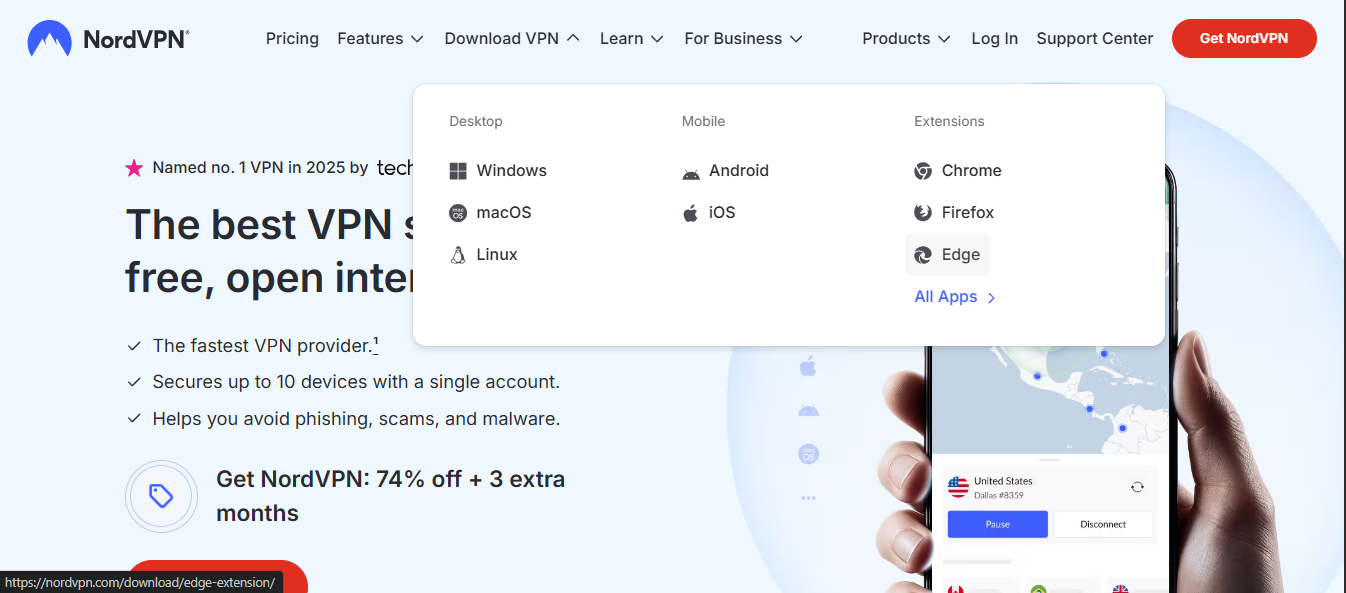
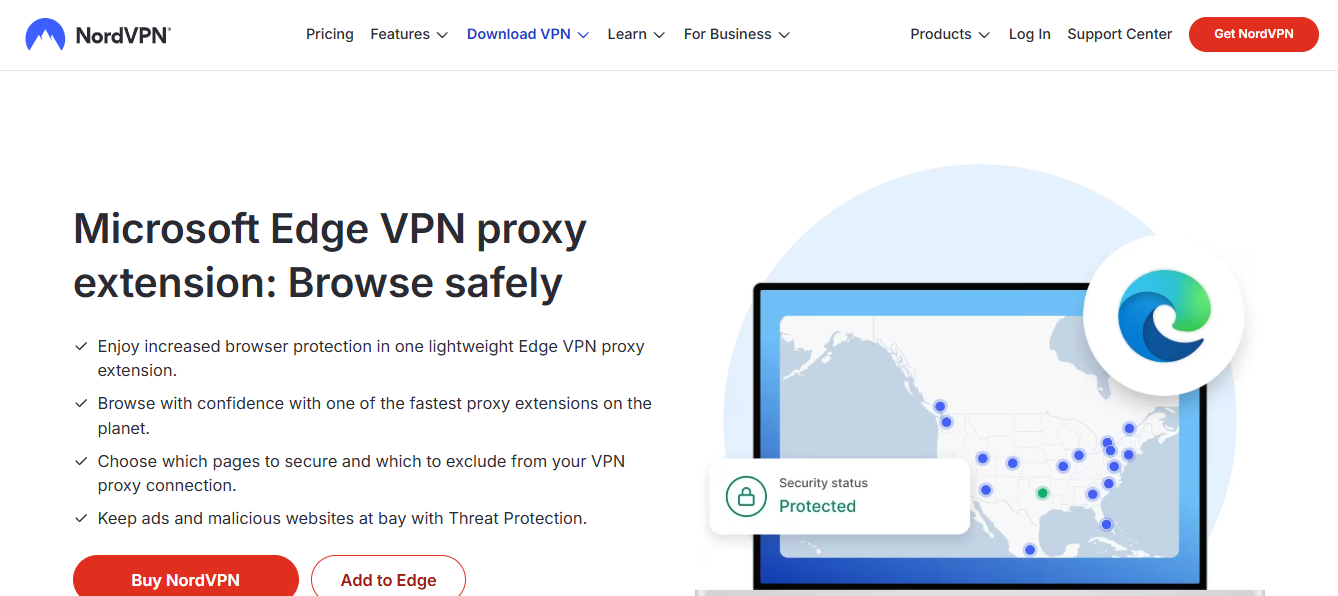
Best vpn edge extension is a browser extension for Microsoft Edge that routes your traffic through a VPN server to protect privacy and bypass geo-restrictions. In this guide, you’ll learn how Edge-specific VPN extensions work, what features matter, how to install and configure them, and how to test and optimize performance. If you’re ready to shield your browsing on Edge, you’ll also find practical tips, real-world scenarios, and a couple of trustworthy recommendations. One of my go-to picks is NordVPN for Edge extension — you can grab 77% off plus 3 months free here:
Useful resources:
- NordVPN - nordvpn.com
- Microsoft Edge extensions - microsoft.com
- PrivacyTools - privacytools.io
- VPN market insights - statista.com
- Edge extensions docs - learn.microsoft.com
Introduction Best vpn edge extension is a browser extension that brings VPN-style privacy and geolocation-based access controls directly into Microsoft Edge. In this guide, you’ll get a practical, no-nonsense approach to selecting, installing, and using the best vpn edge extension, with real-world tips and tested steps. We’ll cover what Edge-specific features matter, how to compare providers, and how to avoid common pitfalls. By the end, you’ll know how to maximize speed, security, and streaming potential while keeping your data private on Edge.
What we’ll cover quick overview Edge浏览器vpn
- Why Edge extensions matter for privacy and speed
- How to evaluate Edge VPN extensions logs, kill switch, DNS protection, WebRTC leaks
- A practical install and setup walkthrough
- Real-world performance expectations with numbers and tests
- How to use VPN edge extensions for streaming, gaming, and work
- Security practices and common myths
Body
How VPN edge extensions work on Microsoft Edge
Edge extensions route some or all of your browser traffic through a VPN tunnel, depending on the provider and the extension design. Unlike standalone VPN apps, Edge extensions can be lighter on system resources and easier to enable or switch on the fly. Key mechanics include:
- Tunneling mode: The extension may proxy only Edge browser traffic or route all device traffic via the VPN. Most Edge extensions tunnel browser traffic, while some providers offer system-wide VPN apps for complete coverage.
- Server selection: You pick a country/region, and the extension connects you to a server in that location. This helps you bypass geo-restrictions and access local content.
- Kill switch and DNS protection: A good Edge extension has a built-in kill switch to stop leaks if the connection drops, plus DNS and WebRTC leak protection to prevent your real IP from leaking through the browser.
- Privacy model: Reputable vendors publish their no-logs policies or at least transparent data practices. In Edge, you’ll want to confirm whether logs are collected at the browser extension level or only by the VPN’s backend servers.
Why Edge users care
- Quick enable/disable: It’s faster to toggle a browser extension than to manage a whole device VPN when you’re researching, streaming, or working in a shared network.
- Targeted protection: If you’re mainly concerned about browser traffic in public networks cafe, library, coworking spaces, an Edge extension can be enough.
- Compatibility: Edge’s growing extension ecosystem makes it easier to pair VPN protection with other privacy tools like trackers blockers and secure password managers.
What to look for in a best vpn edge extension
When you’re evaluating different Edge extensions, these features matter most:
- Privacy and logs: Look for a clear no-logs policy and independent audits if available. If logs are collected, know what’s stored and for how long.
- Kill switch: A reliable kill switch is essential. Test it by disconnecting the VPN and confirming your real IP doesn’t show up in the browser.
- DNS and WebRTC protection: Prevents DNS leaks and stops WebRTC from revealing your IP.
- Server options and speed: More servers in diverse regions usually mean better odds of fast connections and accessing more geo-blocked content.
- Split tunneling: This lets you choose which sites bypass the VPN. It’s handy if you want local banking or streaming to remain accessible without routing everything through the VPN.
- Security risks from extensions: Review permissions requested by the extension. Avoid extensions that demand unnecessary access to data on all sites.
- Cross-device support: If you use Edge on multiple devices, check whether the provider offers seamless multi-device protection and whether the Edge extension syncs settings.
- Price and value: Compare plans, trial periods, and any bundled features malware protection, antivirus layers, or cloud privacy tools.
- User experience: A clean interface with clear server lists, quick-connect buttons, and status indicators saves time.
Data points and context Browsec vpn free for chrome: a comprehensive guide to Browsec's Chrome extension in 2026
- Global VPN market growth: The VPN market has been growing steadily, with a multi-year compound annual growth rate CAGR in the double digits as users seek privacy, security, and access to content. In 2023-2024, the market size was reported in the tens of billions, with continued expansion into browser extensions as a convenient access point.
- Edge adoption: Edge remains a solid choice for privacy-conscious users who want streamlined experiences. As Edge gains market share among mainstream browsers, Edge-specific extensions become more popular, creating a need for extensions that balance performance and privacy.
Top providers and what makes their Edge extensions stand out
Below are several reputable providers that offer Edge-compatible VPN extensions or quick-connect setups, with notes on Edge-specific benefits and caveats.
NordVPN
- Edge extension strength: Strong privacy practices, solid kill switch, good DNS protection, a broad server network.
- Typical use case: Streaming, secure browsing on public Wi-Fi, quick country switching.
- What to know: If you’re already in the Nord ecosystem, the Edge extension integrates well with the overall app experience.
ExpressVPN
- Edge extension strength: Known for reliable performance and a straightforward user interface.
- Typical use case: Consistent speed for video calls, gaming, and streaming.
- What to know: The Edge extension is designed for fast access with minimal setup steps.
Surfshark
- Edge extension strength: Competitive pricing, solid feature set, including multi-hop and CleanWeb ad-blocking/mafety.
- Typical use case: Budget-conscious users who still want robust protection.
- What to know: Great value for families with multiple devices.
ProtonVPN Best free vpn extension for chrome 2026
- Edge extension strength: Strong emphasis on privacy, no-logs posture, transparent policy.
- Typical use case: Privacy-first users who also want solid performance.
- What to know: Some servers may be slower depending on load. good for conscientious privacy fans.
Private Internet Access PIA
- Edge extension strength: Large server network, good customization options.
- Typical use case: Control freaks who like to tiness with settings.
- What to know: Check current speed tests. some servers can vary in performance.
Practical notes
- For Edge users, it’s often beneficial to test a couple of servers in your primary region and a few alternatives to gauge speed stability.
- If you rely on streaming services, look for servers specifically flagged as fast or optimized for streaming.
- Always verify the extension’s permissions and ensure you’re downloading from the official store to minimize risks.
Step-by-step: installing and configuring a VPN edge extension
- Open Edge and go to the Edge Add-ons store. Search for the VPN extension you want NordVPN, ExpressVPN, Surfshark, etc..
- Click Add to Edge and confirm permissions. Read what the extension will access browsing data, tabs, etc.. Only grant what you’re comfortable with.
- Launch the extension from the browser toolbar and sign in with your VPN account. If you don’t have an account, sign up on the provider’s official site.
- Choose a server location. For privacy, pick a location you don’t physically reside in. for streaming, pick a location with accessible content.
- Enable features: turn on the kill switch if available, enable DNS leak protection, and consider enabling split tunneling if you need to bypass the VPN for certain sites.
- Test your connection: visit a site like whatismyipaddress.com to confirm your IP is the VPN’s IP and the location matches your chosen server.
- Optional: configure additional Edge settings—disable WebRTC leaks in privacy settings or browser flags if you know what you’re doing, and keep your Edge browser updated for the latest security patches.
Tips for a smooth setup
- Keep your Edge extension updated. Developers frequently release improvements and security fixes.
- Pair with a solid password and, if possible, enable two-factor authentication for your VPN account.
- Use a trusted device and avoid sharing credentials on shared systems, especially in a public space.
- If you experience buffering or lag, switch to a closer server or try a different protocol if the extension supports it e.g., WireGuard vs. OpenVPN variants.
Performance and privacy: what to expect
- Speed impact: Expect some slowdown when connected to a VPN, especially on longer routes or congested servers. Real-world tests typically show a 5–30% slowdown on well-optimized networks. faster networks may see only single-digit slowdowns.
- Streaming and gaming: VPNs can unlock geo-restricted catalogs with minimal impact on latency for nearby servers. For distant servers, expect higher latency, which can affect gaming.
- Privacy gains: A solid Edge extension reduces the risk of browser-based tracking, especially on public networks. DNS protection and kill switches help protect against IP leaks.
- Trust signals: Look for independent audits and transparent privacy policies. If a provider has not published any audits or clear policy details, proceed with caution.
Edge extension security best practices
- Stick to official stores: Install only from the official Edge Add-ons store or the provider’s official site.
- Review permissions: Deny any permissions that don’t seem necessary for the extension to function.
- Regular updates: Ensure the extension and your Edge browser are up to date.
- Use a strong password and MFA: Add layers of protection beyond just the extension.
- Disable unnecessary extensions: Fewer extensions reduce the attack surface.
Common issues and how to fix them
- Connection drops and IP leaks: Check the kill switch status, reconnect to a different server, or switch protocols if available.
- Slow speeds: Move to a nearby server, reduce encryption overhead by choosing a lighter protocol, or test during off-peak hours.
- Blocking of sites: Some streaming services actively block VPNs. Try a server labeled as optimized for streaming, or contact support for recommendations.
- DNS leaks: Verify DNS protection in the extension’s settings or your browser’s privacy configuration.
Use cases: when a VPN edge extension shines
- Public Wi-Fi protection: Edge extensions offer quick protection when you’re on the go and using public networks in cafes or libraries.
- Bypassing regional blocks: Access content not available in your country by connecting to a regional server.
- Privacy-conscious browsing: Minimize fingerprinting and tracking by routing Edge traffic through a VPN tunnel.
- Basic remote work: For light workflows and secure connections to simple resources, Edge extensions can be enough without installing a full VPN app.
Common pitfalls and misconceptions
- Not all VPNs are created equal: Free Edge extensions can be tempting but may compromise privacy, track activity, or sell data. Stick to reputable providers with clear privacy policies.
- Edge extension vs. full VPN app: If you need device-wide protection everything on your device, including non-Edge apps, you’ll want the full VPN app in addition to or instead of the Edge extension.
- Privacy is a layered concept: Extensions alone can help with browser privacy, but system settings, browser hardening, and safe browsing habits are equally important.
What to expect in 2025 and beyond
- More Edge-native features: Expect extensions to offer more granular controls, faster server transitions, and better integration with Edge’s privacy settings.
- Improved privacy by default: Providers are likely to publish clearer no-logs information and expand independent audits.
- Smooth streaming on Edge: More servers specifically optimized for streaming, with lower buffering and better unblocking capabilities.
- Cross-device continuity: You’ll see more seamless transitions between Edge on desktop and mobile Edge experiences, with synchronized settings and preferences.
FAQ Section
Frequently Asked Questions
What exactly is a best vpn edge extension?
A best vpn edge extension is a browser extension specifically designed for Microsoft Edge that routes your Edge browser traffic through a VPN server, providing privacy, potential geo-unblocking, and protection on public networks, without necessarily routing every other app on your device through the VPN. Browsec vpn для edge 2026
How is an Edge VPN extension different from a regular browser proxy?
A VPN extension encrypts traffic and tunnels it to a VPN server, while a proxy simply relays traffic without encryption. A VPN also helps prevent DNS leaks and often includes a kill switch, whereas a basic proxy typically does not.
Do Edge VPN extensions work on all Edge versions?
Generally, they work on recent versions of Microsoft Edge, but it’s best to run the latest stable Edge release. Some extensions may drop support for older Edge builds as new features roll out.
Can I use an Edge extension for streaming and gaming?
Yes, you can use Edge extensions to unblock geo-restricted streaming content and reduce geolocation-based limitations. For gaming, the effect depends on server location and latency. nearby servers usually offer better performance.
Are Edge VPN extensions secure?
They can be, but you should choose reputable providers with transparent privacy policies, regular updates, and clear permission controls. Always review the requested permissions before installing.
Do VPN edge extensions log my activity?
This varies by provider. Reputable services publish no-logs policies or transparent data handling disclosures. Always read the privacy policy and look for independent audits if available. Cyberghost edge VPN review 2026: performance, security, streaming, and pricing compared
Can I use multiple Edge VPN extensions at the same time?
It’s generally not recommended to run multiple VPN extensions simultaneously. They can conflict, causing DNS leaks or connection instability. Pick one trusted Edge extension and disable others.
How can I test whether my Edge extension is protecting me?
Use a site like whatismyipaddress.com to verify that your IP has changed to the VPN server’s IP and that DNS queries reflect the VPN. Run a WebRTC leak test to ensure your real IP isn’t exposed via browser leaks.
Is it better to use a full VPN app or just an Edge extension?
If you need device-wide protection for all apps and services, a full VPN app is better. If you mainly want browser-level protection for Edge, an extension can be a lighter, faster option.
Do I need to disable WebRTC in Edge when using a VPN extension?
WebRTC can occasionally leak IPs even with a VPN. Some extensions offer WebRTC protection, and you can adjust Edge settings or use a privacy-focused extension to mitigate leaks. Test regularly to be sure.
How do I keep my Edge extension updated securely?
Enable auto-updates for Edge extensions, download updates only from the official store or provider site, and monitor for any security advisories from the extension vendor. Best vpn edge for secure remote access and edge computing: ultimate guide to choosing, setting up, and optimizing in 2026
Can I share my Edge VPN extension with others on the same device?
Some providers support multiple devices if you have a family or multi-user plan. Check the provider’s device limits and how to sign in on different accounts for shared devices.
Are free Edge VPN extensions safe?
Free options can be riskier because they often monetize through ads or data collection. If you choose a free option, read the privacy policy carefully and understand what data may be collected and how it’s used.
What about privacy on public networks?
Public Wi-Fi can be a minefield for privacy. A trustworthy Edge VPN extension reduces exposure by encrypting traffic and masking your IP, but you should still practice safe browsing and avoid transmitting sensitive information on untrusted networks.
How do I pick the best Edge extension for my needs?
Start with a reputable provider, check the no-logs policy, confirm server coverage including streaming-capable servers if relevant, and test speed with a couple of servers. Consider whether you need split tunneling, a kill switch, or extra privacy features, and choose accordingly.
Urban vpn para edge